What is Asphalt Used for?
Published on: May 3, 2026 | Last Updated: April 14, 2025
Written By: George Voss
Asphalt is a durable mix of crushed stone, sand, and sticky bitumen binder used to pave roads, driveways, parking lots, and airport runways. It’s flexible, cost-effective, and handles heavy traffic, making it the top choice for 94% of paved U.S. roads. Beyond paving, asphalt seals roofs, waterproofs structures, and surfaces playgrounds or tennis courts due to its weather resistance and smooth finish.
This article breaks down how asphalt works in real-world projects. You’ll learn about road types like flexible pavements (common highways) and rigid pavements (bridge supports), plus specialized uses for dams or industrial sites. We’ll explain technical details like PG (Performance Grade) binders—asphalt’s temperature-resistant glue—and Superpave mixes designed for specific climates. Discover why 99% of old asphalt gets recycled into new projects, how weather impacts pavement life, and why contractors pick asphalt over concrete for 85% of U.S. driveways.
Understanding Asphalt: Composition and Properties
Asphalt’s versatility stems from its unique blend of materials and physical traits. These elements determine where and how it performs best across construction projects.
What is Asphalt Made Of?
Asphalt mixes contain 95% crushed stone, sand, or gravel (aggregates) bound by 5% bitumen – a sticky petroleum byproduct. Additives like polymers or recycled rubber enhance performance. Three common mixes include:
| Type | Components | Uses |
|---|---|---|
| Hot Mix Asphalt (HMA) | Heated aggregates + PG 64-22 binder | Highways, heavy-traffic roads |
| Warm Mix Asphalt (WMA) | Aggregates + emulsifiers at 30°F lower temps | Eco-friendly urban paving |
| Polymer-Modified Asphalt | Bitumen + SBS/rubber polymers | Extreme weather zones |
Superpave mixes – designed using climate data – ensure optimal binder grades like PG 76-16 for high-temperature regions. This precision prevents rutting or cracking under stress.
Key Characteristics Of Asphalt
Four properties make asphalt ideal for diverse asphalt applications:
Flexural Strength: Withstands 1,500–3,000 PSI loads without breaking. The binder’s viscosity (3,000–5,000 Poise) allows slight bending under weight, preventing cracks.
Weather Resistance: PG binders protect against temperatures from -40°F to 176°F. Open-graded mixes drain 500–1,000 gallons/hour per square yard, reducing ice risks.
Surface Safety: Aggregates create skid resistance (SN 35–50), cutting wet-road accidents by 30% versus concrete.
Noise Reduction: Porous asphalt lowers traffic noise by 3–5 decibels – critical for urban zones near homes.
These traits explain why over 94% of U.S. paved roads use asphalt. From airport runways to playgrounds, the material adapts to both load demands and environmental needs.
Next, we’ll explore how these properties translate into real-world asphalt uses – from highways to your driveway.
Primary Applications Of Asphalt
Asphalt serves as the backbone of modern infrastructure. Its unique properties make it ideal for heavy-duty surfaces and specialized projects. From highways to industrial zones, this material adapts to diverse needs.
Asphalt in Road Construction
Over 94% of paved U.S. roads rely on asphalt. Engineers choose it for its balance of flexibility and load-bearing capacity. Modern mixes incorporate PG (Performance Grade) binders tailored to regional climates.
Flexible Pavements for Highways and Streets
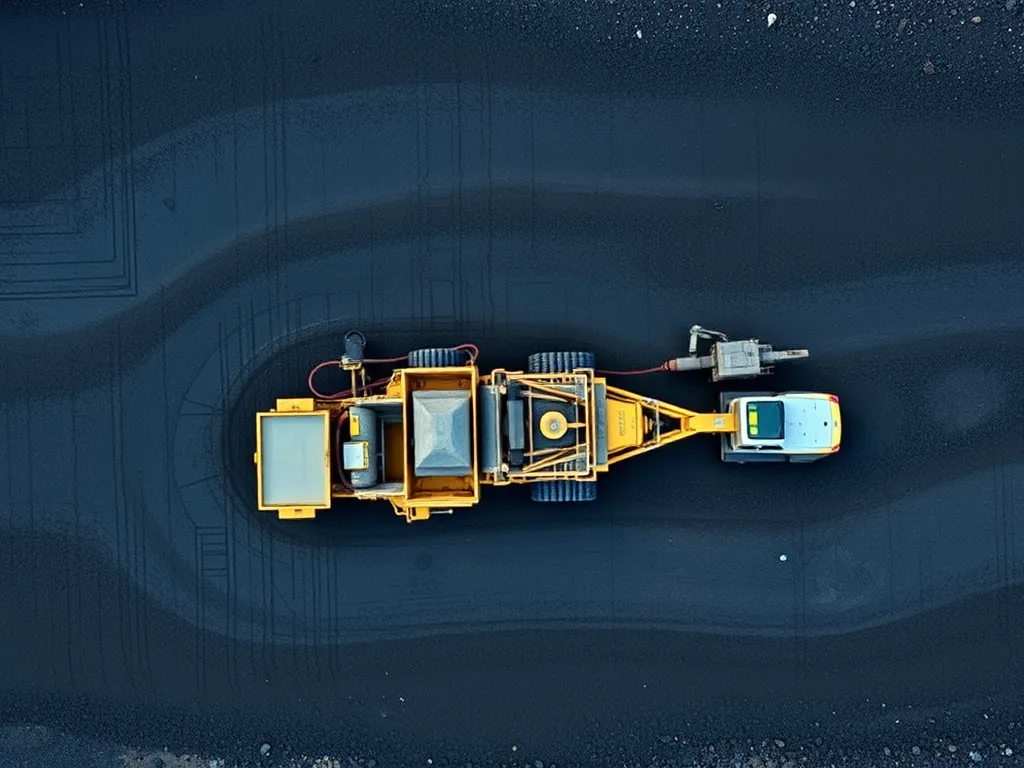
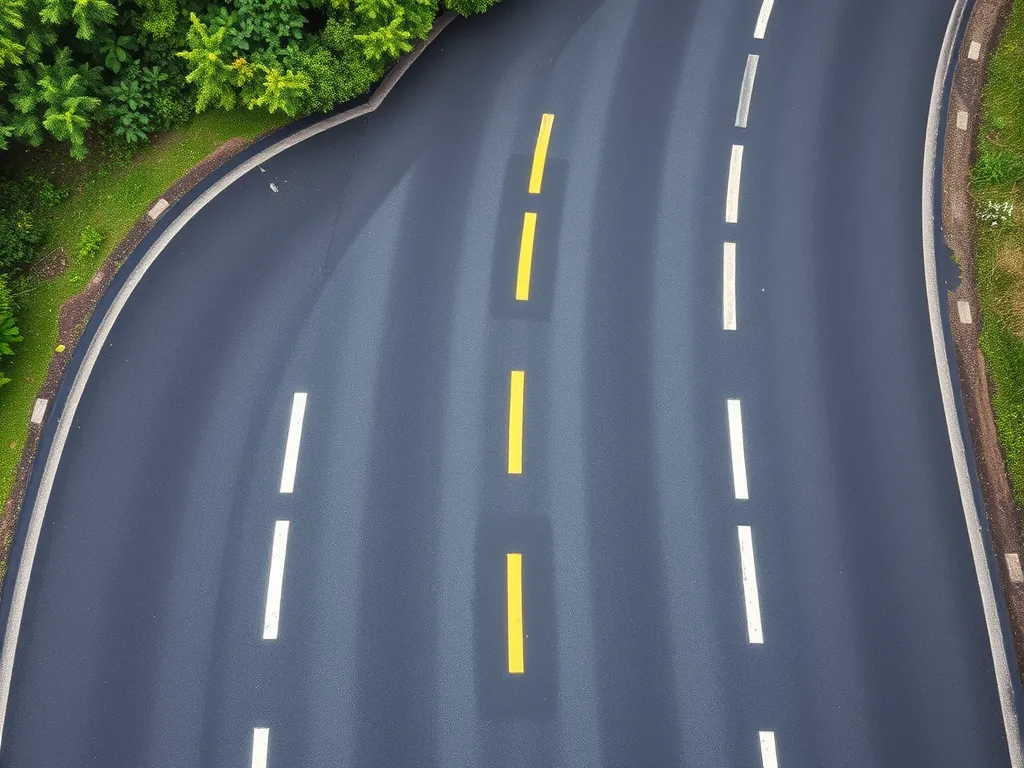
Flexible pavements use layered asphalt to distribute vehicle weight. A typical highway section includes a 3-inch surface course over 6-inch base layers. Superpave mixes dominate here, designed to resist rutting at 140°F and cracking below -22°F. These roads handle 1,000+ vehicles daily while allowing quick repairs.
Rigid Pavements and Structural Support
Asphalt strengthens concrete pavements as a 4-8 inch base layer. This composite design prevents water infiltration and reduces joint stress. Major interstates like I-35 use this method to extend pavement life by 15 years compared to concrete-only surfaces.
Asphalt for Airport Runways and Taxiways
Boeing 747s demand pavement that withstands 800,000-pound loads. FAA-standard runways use 18-24 inch asphalt layers with polymer modifiers. These surfaces resist jet fuel corrosion and maintain friction coefficients above 0.5 even at 100 mph touchdown speeds.
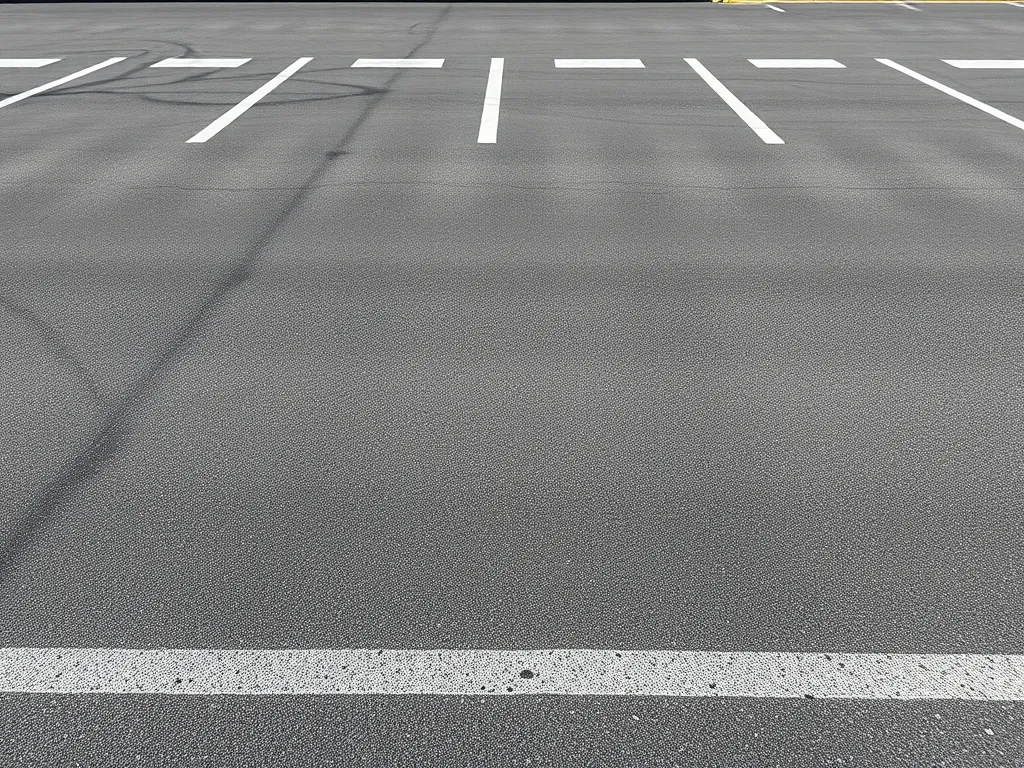
Parking Lots and Commercial Paving
Commercial sites choose asphalt for its $2.50-$4.00 per sq ft installed cost and rapid curing. Porous asphalt variants with 16% void space manage stormwater, meeting EPA runoff regulations. High-traffic retail lots often specify 4-inch overlays with SBS-modified mixes to prevent wheel track deformations.
Beyond these large-scale projects, asphalt also shapes spaces where people live and play daily.
Asphalt for Residential and Daily Life Uses
Beyond highways and airports, asphalt serves homes and communities with versatile solutions. Its adaptability shines in everyday settings from driveways to rooftops.
Driveways and Residential Roads
Over 90% of U.S. driveways use asphalt due to its affordability ($2-$5 per sq.ft installed) and quick curing. Hot mix asphalt (HMA) with PG 64-22 binder resists cracking in freeze-thaw cycles. Porous asphalt options reduce stormwater runoff by 70-80%, ideal for sloped driveways.
Homeowners choose asphalt for easy repairs: potholes fix in hours versus concrete’s days-long cure. Sealcoating every 3-5 years extends lifespan to 20+ years. Dark surfaces melt snow faster, reducing winter maintenance.
Recreational Areas: Sports Courts and Playgrounds
Asphalt forms 85% of public playground bases and tennis/basketball courts. A 4-inch compacted base with acrylic coatings creates color-coded play zones. These surfaces withstand 500+ psi impact loads while meeting ADA slip-resistance standards.
Rubberized asphalt mixes (up to 25% recycled tire content) cushion falls up to 12 feet high. Thermal stability prevents warping in 120°F heat, outperforming concrete’s expansion joints.
Roofing and Waterproofing Solutions
Built-up roofing (BUR) systems use asphalt-impregnated felts layered with bitumen. A 4-ply BUR membrane lasts 20-30 years, reflecting 70% of UV rays. Modified asphalt shingles carry Class A fire ratings and 110 mph wind warranties.
Liquid asphalt seals foundations at $4-$7 per sq.ft, blocking 99.9% water ingress. Cold-applied asphalt emulsions repair roof leaks in 2 hours, 3x faster than tar-based alternatives.
From basement to backyard, asphalt proves its value in home projects. Next, see how it stacks against concrete for durability and cost.
Also See: Micro-surfacing Vs Recycling: Which is Right for You?
Asphalt Vs. Concrete: Key Comparisons
Asphalt and concrete dominate paving projects, but each serves unique needs. Material choice impacts cost, maintenance, and performance across climates.
Why Use Asphalt Instead Of Concrete for Driveways?
Homeowners favor asphalt for driveways due to lower upfront costs and faster installation. Asphalt driveways cost $2-$5 per square foot versus concrete’s $4-$10 range.
Cost-Effectiveness and Maintenance
Asphalt requires resealing every 3-5 years at $0.15-$0.25 per square foot. Concrete demands costly repairs if cracked. Asphalt’s recyclability cuts long-term expenses—up to 95% of old material gets reused.
Climate Adaptability and Flexibility
Asphalt’s bitumen binder flexes under temperature swings, resisting freeze-thaw damage. PG (Performance-Graded) binders enhance cold-weather durability. Concrete cracks in sub-zero temps without expansion joints.
Is Asphalt Stronger Than Cement?
Concrete withstands higher compressive strength (3,000-5,000 psi) but lacks asphalt’s tensile strength. Asphalt’s flexibility prevents cracks under heavy traffic loads. Rutting resistance improves with polymer-modified mixes meeting Superpave standards.
From driveways to highways, asphalt’s versatility shines. Next, let’s explore its role in critical infrastructure beyond roads.
Specialized Asphalt Use Cases
Beyond roads and roofs, asphalt serves niche roles across engineering projects. Its adaptability makes it a go-to material for unique structural demands.
Asphalt in Waterway and Dam Construction
Asphalt’s waterproof traits make it vital for hydraulic structures. High-bitumen mixes (7-9% content) line canals, reservoir floors, and dam cores to block seepage. Roller-compacted asphalt (RCA) withstands water pressure up to 150 psi in spillways. Unlike concrete, asphalt flexes with soil shifts, reducing crack risks by 60% in embankments.
Sealcoating and Surface Repairs
Sealcoating preserves asphalt pavements with a protective layer. Applied every 3-5 years, coal tar or asphalt-based emulsions fill micro-cracks and block UV damage. A 3-5 mil coat cuts water infiltration by 80% and extends pavement life by 7-10 years. Costs average $0.15-$0.25 per square foot—30% cheaper than full replacement.
| Sealant Type | Drying Time | Cost/Sq Ft |
|---|---|---|
| Coal Tar | 12-24 hrs | $0.18-$0.30 |
| Asphalt Emulsion | 4-8 hrs | $0.12-$0.20 |
Industrial and Infrastructure Backfill
Recycled asphalt acts as stable backfill for utility trenches and pipeline beds. Crushed to 3/4-inch aggregate, it compacts to 95% density—20% faster than gravel. Permeability rates of 0.01 cm/sec prevent soil erosion around retaining walls. PG 64-22 binder mixes handle loads up to 12,000 lbs per square foot in bridge abutments.
These specialized applications rely on precise mix designs and installation methods. Up next: how temperature, traffic, and maintenance shape asphalt’s performance over time.
Factors Affecting Asphalt Performance
Asphalt’s adaptability makes it ideal for roads, runways, and roofs. But its long-term functionality hangs on how it interacts with physical forces and upkeep methods. Three critical factors shape its lifespan.
Temperature and Climate Resistance
Asphalt softens in high heat and cracks in freezing conditions. Performance Grade (PG) binders—rated by temperature tolerance—combat this. PG 64-22 mix, for instance, handles 64°C highs and -22°C lows. In cold zones, polymer-modified asphalt resists thermal cracking. Hot climates use stone-matrix asphalt (SMA) to minimize rutting from heavy loads. Annual thermal swings above 30°C demand thicker base layers (6-8 inches) to avoid deformation.
Traffic Load and Durability
A highway carrying 2,000 trucks daily needs stronger asphalt than a suburban street. High-traffic zones use mixes with 90-95% crushed aggregate and stiff binders. Marshall Stability values above 8 kN prevent rutting under 18,000-pound axle weights. Airports opt for FAA-specified P-401 asphalt, supporting 1.2 million-pound aircraft. Superpave mixes, designed using traffic data, adjust binder content (5-7% by weight) to match load demands.
Maintenance Practices for Longevity
Unsealed asphalt lasts 15-20 years; proper care pushes it to 25+. Sealcoating every 3-5 years blocks UV damage and cuts repair costs by 50%. Crack filling within 24 months stops water infiltration—a leading cause of base failures. For worn surfaces, 1.5-inch overlays restore smoothness without full reconstruction. Drainage fixes, like 2% slope adjustments, add 7-10 years to parking lot life.
Balancing these factors ensures asphalt meets its purpose across applications. Up next: how modern methods tackle resource limits while maintaining asphalt’s role in infrastructure.
Environmental Considerations
Asphalt applications go beyond functionality, with growing focus on minimizing planetary impacts. Modern methods prioritize material reuse and lower carbon footprints without sacrificing road quality or structural integrity.
Recycled Asphalt and Sustainability
Reclaimed Asphalt Pavement (RAP) forms up to 40% of new road mixes in U.S. projects. Crushed old pavement binds with fresh bitumen, cutting virgin aggregate needs by 30% and saving $15-$50 per ton. RAP’s closed-loop system diverts 100 million tons yearly from landfills. States like California mandate 15% RAP in highway jobs, proving its role in sustainable infrastructure.
Eco-friendly Paving Solutions
Porous asphalt allows 400 gallons per hour of stormwater drainage, slashing flood risks in parking lots. Warm-mix tech lowers production temps from 300°F to 250°F, trimming fuel use by 20%. Solar-reflective coatings on roofs with asphalt shingles cut building cooling costs by 10-15%. These innovations help projects gain LEED credits while maintaining load ratings up to 30 million ESALs for heavy traffic zones.
With options to balance durability and planetary care, asphalt’s adaptability shines. Up next: how climate, traffic, and upkeep shape pavement life cycles.
FAQ: Common Questions About Asphalt Uses
What is the Main Use Of Asphalt?
The main use of asphalt is in the construction of roadways, including highways, streets, and airport runways. It is favored for its flexibility, durability, and ability to handle heavy traffic loads.
What Are Five Key Uses Of Asphalt?
Five key uses of asphalt include:
- Road construction (highways and city streets)
- Airport runways and taxiways
- Residential driveways
- Paving of parking lots
- Roofing and waterproofing applications
How is Asphalt Used in Road Construction?
Asphalt is used in road construction primarily for creating flexible pavement layers that efficiently distribute traffic loads. It is applied in layers of varying thickness depending on the expected vehicle traffic and environmental conditions.
What is the Difference Between Asphalt and Bitumen?
Bitumen is a black, sticky substance derived from petroleum, and it serves as the binding agent in asphalt. Asphalt, on the other hand, is a mixture of bitumen and aggregate materials such as sand and gravel, making it suitable for paving surfaces.
Why is Asphalt Preferred in the United States?
Asphalt is preferred in the United States due to its cost-effectiveness, speed of installation, and performance in varying weather conditions. Approximately 94% of paved roads in the U.S. utilize asphalt due to its adaptability and durability.
Closing Thoughts
Asphalt plays a vital role in modern infrastructure, showcasing versatility across numerous applications. From flexible pavements on highways to durable residential driveways, its reach is extensive. Asphalt’s unique properties, such as durability and climate adaptability, make it an ideal choice for various environments and uses.
Beyond traditional road construction, asphalt serves in areas like roofing, recreational spaces, and even environmental protection through recycling efforts. Its cost-effectiveness and ease of maintenance further solidify its status as a preferred material in the construction industry.
For more detailed insights and tools related to asphalt usage, visit Asphalt Calculator USA.
Useful References for You:
- Roberts, F. L., Kandhal, P. S., Brown, E. R., Lee, D. Y., & Kennedy, T. W. (1996). Hot Mix Asphalt Materials, Mixture Design, and Construction (2nd ed.). National Asphalt Pavement Association (NAPA).
- Asphalt concrete – Wikipedia
- What is asphalt?
- What’s in Your Asphalt? | FHWA
- What Is Asphalt? Here Is Everything You Need to Know!