Vacuum Distillation Asphalt: How Refining Powers Modern Roads
Published on: September 1, 2026 | Last Updated: April 14, 2025
Written By: George Voss
Vacuum distillation asphalt is a high-performance material created by refining crude oil under reduced pressure. Unlike atmospheric distillation, which operates at higher temperatures, this method uses vacuum conditions to separate heavy asphalt components at lower heat (300-350°C). The process preserves asphalt’s binding properties while removing unstable asphaltenes—complex hydrocarbons that affect viscosity. Key applications include durable road paving, waterproof roofing membranes, and industrial coatings. Advantages range from 15-20% higher product yield to improved resistance against cracking in extreme temperatures.
This article breaks down vacuum distillation asphalt production from start to finish. Learn how vacuum distillation units (VDUs) isolate asphalt without thermal degradation. Explore critical parameters like temperature control and pressure levels. Compare VDUs with atmospheric distillation units (ADUs) in terms of efficiency and output quality. Get insights into advanced equipment designs, environmental safeguards, and cost-saving techniques that make this method a cornerstone of modern asphalt manufacturing.
Fundamentals Of Vacuum Distillation in Asphalt Production
Vacuum distillation transforms crude petroleum into specialized asphalt grades. This method separates heavy hydrocarbons from lighter fractions under controlled conditions. The process targets specific viscosity and penetration values required for construction materials.
What is Vacuum Distillation?
Vacuum distillation definition: A refining technique that lowers ambient pressure to reduce boiling points of heavy crude components. Unlike atmospheric distillation (operating at 760 mmHg), vacuum systems run at 50-100 mmHg. This allows asphalt fractions to vaporize at 300-350°C instead of 500°C+, preventing thermal cracking. The result is a stable binder with 60-70% yield from crude oil.
Role Of Vacuum in Asphalt Isolation
Reduced pressure enables precise asphalt isolation without damaging complex hydrocarbons. At 90% vacuum levels, heavy molecules like asphaltenes (C50-C100 compounds) separate cleanly from lubricating oils and waxes. This preserves the maltene-asphaltene balance critical for pavement flexibility. Atmospheric units cannot achieve this—excessive heat degrades binders, lowering PG grading by 2-3 levels.
Mastering vacuum control and asphalt distillation temperature ranges paves the way for refining the next phase: process optimization for varied road mix designs.
The Vacuum Distillation Process for Asphalt
Vacuum distillation turns crude oil into asphalt by splitting heavy parts under low pressure. This step comes after the first crude oil split in an atmospheric tower. The thick leftovers from that step feed into the vacuum system.
Step-by-step Process Overview
The asphalt vacuum distillation starts by heating heavy oil to 350-400°C. It moves to a vacuum tower where pressure drops below 100 mmHg. Lower pressure stops the oil from burning. Heavy parts sink, while lighter oils rise. Asphalt collects at the tower base. Lighter cuts like gas oils are drawn off for other uses.
Critical Process Parameters: Temperature and Pressure
Heat and pressure control the split. Ideal vacuum distillation temperatures stay under 400°C to avoid breaking molecules. Pressure stays at 50-100 mmHg. Too hot, and the asphalt cracks. Too cool, and heavy parts stay mixed. Sensors adjust these values nonstop for clean splits.
Asphaltene Removal and Its Importance
Asphaltenes are dense, sticky parts that weaken asphalt. Vacuum distillation strips them out. This step boosts asphalt strength and weather proofing. Roads last longer. Roofs resist leaks. Leftover asphaltene sludge gets reused in low-grade fuels or binders.
With the core process clear, let’s break down the gear that makes it work. Up next: the parts and tech inside a vacuum distillation unit.
Equipment and Technology in Asphalt Vacuum Distillation
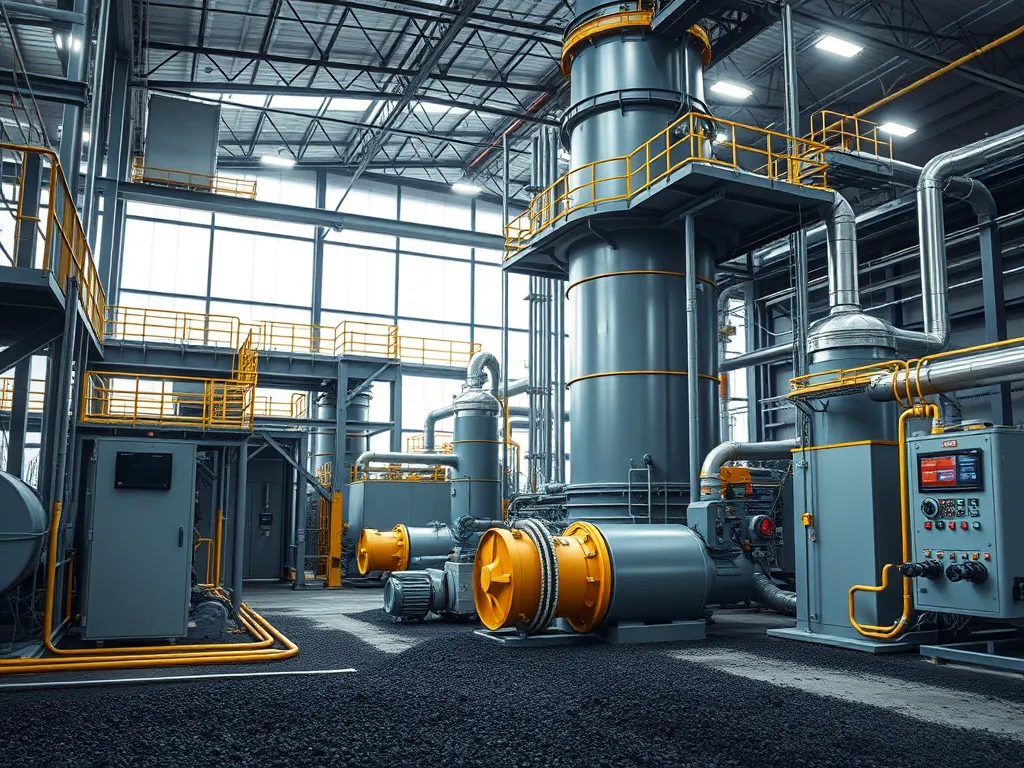
Modern asphalt plants rely on advanced systems to process crude oil into high-grade asphalt. These units blend heat, pressure control, and smart design to split heavy fractions with precision.
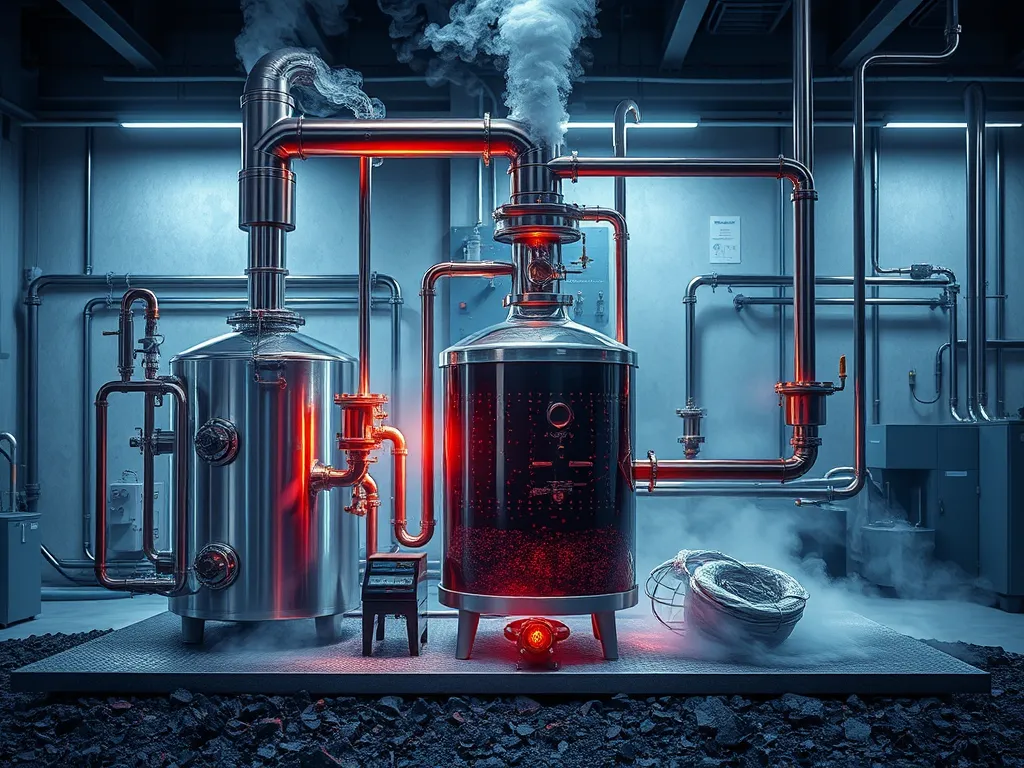
Components Of a Vacuum Distillation Unit (VDU)
A VDU has six core parts working in sync. The feed pump moves crude oil into the system. Preheaters raise its temp before entry. The distillation column splits the mix into fractions. A vacuum system cuts pressure to 50-100 mmHg. Condensers cool vapors into liquids. Residue outlets collect heavy asphalt. Most parts use carbon steel to handle heat up to 400°C.
Distillation Column Design and Function
Columns stand 20-30 meters tall with 3-5 meter widths. Inside, 20-40 trays or packing beds force vapors and liquids to meet. Bubble cap trays let heavy asphalt fall while light oils rise. Steam jets inject 150°C steam to lower boiling points. This setup boosts split speeds by 40% vs older models.
Preheater Systems and Heat Management
Shell-and-tube heaters warm crude to 300-350°C before it enters the column. Heat recovery loops reuse 60% of waste warmth via economizers. Proper heat cuts fuel use by 15-20%. Pipe tracing with 120°C steam keeps asphalt flowing post-process. Temp sensors track shifts as small as 2°C to avoid cracks.
With gear this precise, plants achieve tighter control over asphalt grades. Next, we explore how these tech gains translate to real-world perks in cost and quality.
Also See: Asphalt Performance Testing Methods You Should Know
Key Advantages and Purpose Of Vacuum Distillation
Vacuum distillation transforms asphalt production by enabling precise material separation under controlled conditions. This method tackles challenges traditional atmospheric distillation can’t handle, delivering superior performance across multiple metrics.
Main Purpose Of Vacuum Distillation in Asphalt
Vacuum distillation isolates heavy asphalt fractions from crude oil without thermal degradation. By lowering pressure to 50-100 mmHg, boiling points drop by 60-80°C. This prevents cracking asphaltenes – complex hydrocarbons that degrade above 350°C. The process extracts 90-95% of usable asphalt binders while preserving molecular integrity for critical performance traits like elasticity and weather resistance.
Benefits in Product Quality and Operational Efficiency
Asphalt vacuum distillation produces materials with:
- Consistent penetration grades (40-300 dmm)
- Optimal viscosity (1,500-3,000 cP at 135°C)
- Near-zero water content (<0.5%)
Plants achieve 18-22% energy savings compared to atmospheric units by operating at 280-350°C versus 400°C+. Automated vacuum systems maintain steady production rates of 5,000-15,000 barrels per day with minimal manual intervention.
Cost-effectiveness and High Product Yield
Every 1% yield increase in asphalt distillation saves $12,000-$18,000 per 10,000-barrel batch. Vacuum units recover 92-97% of usable material versus 70-85% in atmospheric systems. Reduced waste disposal cuts costs by $8-$15 per ton. Plants report 30-40% lower maintenance expenses due to decreased coking in distillation columns.
With vacuum distillation’s economic and technical merits established, operational differences between vacuum and atmospheric units become critical to evaluate.
VDU Vs. ADU: Operational Differences and Impact
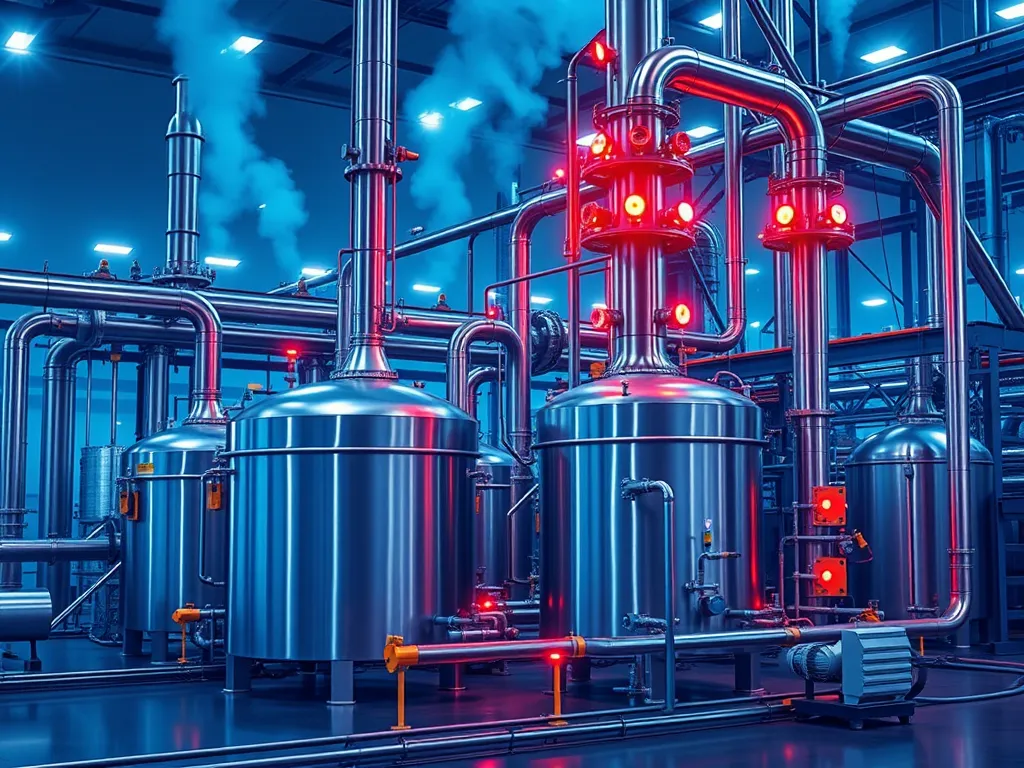
Distillation asphalt production relies on two core systems: vacuum distillation units (VDUs) and atmospheric distillation units (ADUs). Each plays distinct roles in refining crude petroleum into usable asphalt binders.
Comparing Vacuum and Atmospheric Distillation Units
ADUs operate at atmospheric pressure, heating crude oil to 300-350°C. This separates lighter fractions like diesel and gasoline. Heavy residues left behind require VDUs for further processing. VDUs drop pressure to 50-100 mmHg, lowering boiling points. This lets refineries heat residues to 350-400°C without thermal cracking. Avoiding high-temperature damage preserves asphalt’s chemical structure. ADUs lack this precision, risking degradation of heavy molecules.
Impact on Asphalt Quality and Production Scalability
VDUs excel in producing high-penetration-grade asphalt with controlled viscosity. Lower heat during asphalt isolation prevents asphaltene breakdown, ensuring better binding properties. ADUs generate harder, less flexible residues unsuitable for premium paving. Scalability also differs: VDUs process 10,000-50,000 barrels daily, handling heavier feedstocks like vacuum residuum. ADUs max out at lighter crudes, limiting output for large-scale road projects. Energy costs tilt the balance—VDUs consume 15-20% more power for vacuum pumps but yield 30-40% more asphalt per barrel.
These operational contrasts shape decisions in refinery design and asphalt performance. Next, precise control of vacuum distillation temperatures and process parameters further refines output.
Technical Specifications and Process Optimization
Fine-tuning asphalt vacuum distillation requires strict control of physical conditions and chemical interactions. This part dives into critical factors that shape final product quality and unit productivity.
Optimal Vacuum Distillation Temperatures
Vacuum distillation of asphalt functions best at 350-400°F (177-204°C) with a vacuum depth of 50-100 mmHg. Lower boiling points under reduced pressure stop bitumen from breaking down. Going above 425°F risks thermal cracking, which splits heavy hydrocarbons into lighter fractions—ruining asphalt’s binding power.
- Flash point safety: Input crude must stay 50°F below its flash point to avoid ignition (typically 600°F+ for heavy feedstocks).
- Fractionation zones: Trays in distillation columns hold temps within ±5°F to isolate 60/70 or 80/100 penetration grades.
Managing Asphalt Distillation Process Parameters
Four factors directly impact asphalt isolation:
- Vacuum depth: 25-30 inHg boosts heavy molecule separation without requiring costly steam injection.
- Feed rate: 150-200 barrels/hour balances throughput with sufficient residence time for fraction splitting.
- Cut points: Adjusting distillate draw-off positions controls asphalt viscosity (3000-5000 Poise at 140°F).
- Asphaltene removal: Centrifuges or solvents trim asphaltene content below 15% to avoid pavement cracks.
Modern plants use PLC systems to auto-calibrate variables, slashing manual adjustments by 70%. Real-time viscosity monitors paired with vacuum pumps hold product specs within 2% tolerance.
Up next: How this precision translates into high-performance paving materials and roofing solutions.
Applications Of Vacuum Distilled Asphalt
Asphalt from vacuum distillation serves many vital roles in infrastructure and building projects. Its distinct physical traits—like high viscosity, thermal stability, and strong binding capacity—make it fit for demanding tasks. Two primary domains benefit most: paving and roofing.
High-quality Paving and Road Construction
Roads built with vacuum-distilled asphalt last up to 30% longer than those using standard mixes. This asphalt has low asphaltin content (below 15%), which boosts flexibility and stops cracks in cold months. It also resists rutting in hot conditions, maintaining structural integrity at 140°F+ pavement temps.
| Application | Asphalt Grade | Key Benefit |
|---|---|---|
| Highways | PG 64-22 | Handles heavy truck loads |
| Airport Runways | PG 76-28 | Withstands jet fuel exposure |
| Parking Lots | PG 58-34 | High cold-climate flexibility |
Vacuum distillation allows tight control of asphalt distillation process parameters. Operators adjust vacuum distillation temperatures (600-750°F) to hit target penetration grades (40-300 dmm). This precision yields materials that bind aggregates tightly, cutting road repair costs by $8-$12 per square yard over 10 years.
Roofing and Waterproofing Solutions
Roofing asphalt needs high waterproofing capacity and UV resistance. Vacuum-distilled grades like Type IV (ASTM D312) work for modified bitumen membranes. Their 99.5% impermeability rating stops leaks, while 300% elongation capacity accommodates building movement.
| Product | Thickness | Lifespan |
|---|---|---|
| APP Membranes | 3.0-4.0 mm | 25+ years |
| SBS Sheets | 2.5-3.5 mm | 20-30 years |
| Flood Coat | 0.25 gal/sq ft | 15-20 years |
In waterproofing, vacuum asphalt distillation produces low-penetration binders (15-25 dmm). These form strong bonds with fabrics or foils in basement barriers or bridge decking. A 60-mil layer can block water at 7 PSI—enough for depths up to 16 ft below ground.
From roads to rooftops, vacuum distillation tailors asphalt for peak performance. But making it work demands strict protocols for safety and minimizing planetary harm—factors shaping today’s distillation innovations.
Environmental and Safety Considerations
Vacuum distillation plants face strict rules to cut harm to air, land, and workers. New tech and methods help meet these goals while keeping output high.
Emission Reduction Strategies
Vacuum distillation cuts plant fumes and risks. Lower heat levels (300-400°F) than old methods mean less fuel burned. This slashes CO2, NOx, and SOx by up to 30%. Closed-loop systems trap VOCs using vapor recovery units (VRUs). Scrubbers then clean fumes before release. EPA rules now push for 95% capture rates. Plants use real-time air checks to stay compliant. These steps lower health risks for workers and nearby homes.
Waste Management in Asphalt Distillation
The process turns waste into new uses. Asphaltene sludge, once dumped, now gets reused in roof tar or road patches. Centrifuges split oil from solids for recycling. Leftover solids go to thermal treatment, cutting landfill use by 40%. Closed-loop water systems reuse 90% of plant fluids. Some plants partner with paving crews to take used asphalt for remix jobs. This saves up to $15 per ton in waste fees.
These steps set the stage for key questions on vacuum distillation in asphalt work.
Frequently Asked Questions (FAQ)
What is the Main Purpose Of Vacuum Distillation in Asphalt Production?
The main purpose of vacuum distillation in asphalt production is to separate heavy asphalt fractions from crude oil without causing thermal degradation. This process allows for the extraction of usable asphalt binders while preserving their molecular integrity, which is essential for performance characteristics such as elasticity and weather resistance.
How Does a VDU Differ From an ADU?
A Vacuum Distillation Unit (VDU) operates under reduced pressure, typically between 50-100 mmHg, allowing for lower boiling temperatures compared to an Atmospheric Distillation Unit (ADU), which operates at atmospheric pressure. This difference enables VDUs to effectively separate heavy components from crude oil without damaging them, resulting in higher quality asphalt products.
What Distillation Processes Are Used to Produce Asphalt?
Asphalt production primarily employs two distillation processes: atmospheric distillation and vacuum distillation. Atmospheric distillation separates lighter fractions from crude oil at higher temperatures, while vacuum distillation further processes the heavier residues left over, allowing for the isolation of high-quality asphalt without thermal damage.
Why is Vacuum Distillation Ideal for Asphalt Processing?
Vacuum distillation is ideal for asphalt processing because it effectively reduces boiling points, preventing the thermal cracking of asphaltenes and preserving the essential properties of asphalt. This results in higher yields of usable asphalt, improved product quality, and enhanced performance characteristics, making it particularly suitable for demanding applications in paving and roofing.
Closing Thoughts
Vacuum distillation is a vital process in the production of high-quality asphalt. It enhances product purity by effectively removing undesirable components while preserving essential properties. This method ensures that the final asphalt product is not only reliable but also tailored for a variety of applications, from road construction to roofing.
The operational efficiency offered by vacuum distillation units (VDUs) stands out when compared to atmospheric distillation units (ADUs). By optimizing temperature and pressure conditions, VDUs can significantly improve yield while reducing operational costs. As the demand for durable and sustainable asphalt continues to rise, vacuum distillation plays a crucial role in meeting these industry needs.
For further information on asphalt and tools to assist in your construction projects, visit Asphalt Calculator USA. Explore resources, calculators, and much more to enhance your experience in asphalt production and installation.