
Types Of Asphalt: Your Complete Guide to Mixes, Uses, and Key Differences
Published on: June 13, 2026 | Last Updated: April 14, 2025
Written By: George Voss
Asphalt comes in multiple types designed for specific construction needs. These vary by material composition, mixing methods, and application requirements. Primary categories include hot mix asphalt (HMA), warm mix asphalt (WMA), and cold mix asphalt (CMA). Other types are porous asphalt, asphalt rubber, chip seals, and cut-back asphalt. HMA requires installation at 300°F+ and lasts over 15 years, ideal for highways. CMA works for temporary repairs, costing $30-$50 per bag. Selection depends on traffic volume, climate, budget, and sustainability goals like using recycled asphalt pavement (RAP).
This guide breaks down eight primary asphalt mixes. It covers material grades like bitumen types and aggregate sizes. Learn optimal uses for roads, driveways, and parking lots. Find out how polymer-modified asphalt strengthens high-traffic areas. See why stone matrix asphalt (SMA) resists rutting. Compare costs between porous asphalt and traditional mixes. We’ll also examine durability, installation methods, and eco-friendly options with 30-50% recycled content.
Primary Types Of Asphalt Mixes
Asphalt mixes fall into distinct categories based on production methods, materials, and application needs. Each asphalt type serves specific pavement demands, from high-traffic highways to quick driveway repairs.
Hot Mix Asphalt (HMA)
Produced at 300-350°F, HMA dominates road construction. It combines aggregates with PG (Performance Graded) binders – asphalt cement rated for temperature ranges like PG 64-22. Three primary HMA variations exist.
Dense-Graded Asphalt
Used in 85% of US roads, this mix packs fine aggregates tightly. It handles heavy traffic with 95% density, lasting 15-20 years with proper maintenance.
Stone Matrix Asphalt (SMA)
SMA uses stone-on-stone contact for rut resistance. Added cellulose fibers stabilize 6-7% binder content, ideal for truck routes and intersections.
Open-Graded Asphalt
With 15-25% air voids, this mix drains 300-500 gallons/day per square yard. Requires geotextile underlay to prevent base erosion.
Warm Mix Asphalt (WMA)
Produced 50-100°F cooler than HMA, WMA cuts fuel use by 20% and emissions by 30%. Ideal for thin overlays and cool-weather paving.
Cold Mix Asphalt (CMA)
This emulsion-based asphalt works at ambient temps. Costs $0.50-$2 per pound depending on formulation.
Types of Cold Mix Asphalt
Stockpile patching mix stays workable for months. Bagged asphalt contains cutback agents for fast setting.
Uses of Cold Mix Asphalt
Fills potholes in winter. Temporary repairs last 6-12 months until permanent HMA installation.
Porous Asphalt
With 16% minimum void space, porous systems infiltrate 5-7 inches of rain/hour. Requires annual vacuum sweeping to maintain permeability.
Asphalt Rubber
Blends 15-22% recycled tire rubber with PG 64-22 binder. Reduces road noise by 3-5 decibels compared to conventional mixes.
Chip Seals
This surface treatment sprays PG 64-22 binder at 0.35-0.45 gal/sy, then embeds aggregate chips. Costs $0.15-$0.30 per sq ft for 5-7 year lifespan.
Cut-back Asphalt
Liquid asphalt with petroleum solvents for spray applications. Three grades control curing speed.
Slow-Curing Asphalt
SC grades use diesel diluents. Takes 24-72 hours to cure – used for dust control on gravel roads.
Medium-Curing Asphalt
MC grades with kerosene solvent set in 6-8 hours. Common in tack coats between pavement layers.
Rapid-Curing Asphalt
RC grades with naphtha solvent cure in 1-2 hours. Used for emergency pothole repairs.
While application methods vary, material composition directly impacts pavement performance. Next, we examine how binder grades and aggregates define asphalt quality.
Asphalt Material Grades and Composition
The performance of asphaltic pavement depends on precise combinations of bitumen binders, aggregates, and modifiers. These components define structural integrity, weather resistance, and longevity for different types of asphalt roads.
Bitumen Types and Grades
Bitumen binds aggregates in all asphalt mix types. Its properties vary based on refining processes and climate needs. Two grading systems dominate: penetration grades (traditional) and viscosity grades (performance-based).
Penetration Grades
Measured by how far a needle penetrates bitumen under set conditions. Higher numbers mean softer binders. Common grades:
| Grade | Penetration (0.1mm) | Use Case |
|---|---|---|
| 60-70 | 60-70 | Moderate climates |
| 80-100 | 80-100 | Colder regions |
| 40-50 | 40-50 | High-heat zones |
Viscosity Grades
Classified by flow resistance at 60°C. Examples include VG-10 (low viscosity for cold climates) and VG-40 (stiff binders for heavy traffic). PG (Performance-Graded) binders like PG 64-22 specify temperature ranges (64°C high, -22°C low).
Aggregate Types and Sizes
Aggregates form 90-95% of asphalt paving types by weight. Crushed stone, gravel, or sand provide structural strength. Size impacts compaction and surface texture:
- Coarse: ¾” to ½” for base layers
- Fine: ⅜” to #200 sieve for smooth surfaces
- RAP: Recycled material with 20-30% cost savings
Polymer-modified Asphalt (PMA)
PMA blends bitumen with polymers like SBS (styrene-butadiene-styrene) or EVA (ethylene-vinyl acetate). This boosts flexibility in cold weather, reduces rutting in heat, and extends pavement life by 50-100%. Used in high-stress zones: intersections, bus lanes, or regions with extreme temperatures. Typical modifier content ranges from 3-7% by weight.
Next, we’ll explore how these materials translate into specific uses for roads, driveways, and specialty surfaces.

Applications Of Different Asphalt Types
Each asphalt type serves unique roles based on traffic load, climate, and use case. Picking the right mix boosts lifespan and cuts repair costs.
Types Of Asphalt for Road Construction
Roads need tough, weather-proof layers. Choices hinge on daily traffic counts and weight loads.
High-Traffic Roads
Stone Matrix Asphalt (SMA) rules here. SMA blends stone-on-stone gaps with polymer-rich bitumen. This mix handles 10,000+ cars daily. It resists rutting from trucks and lasts 15-20 years. Hot Mix Asphalt (HMA) with dense grades works for highways, priced $100-$150 per ton.
Residential Streets
Open-graded HMA drains fast, cutting splash spray. Mixed with small rocks (3/8” size), it lowers noise by 5 decibels. Warm Mix Asphalt (WMA) cuts fumes during install in tight zones. Costs drop 20% vs SMA.
Best Asphalt Types for Driveways
Top picks balance cost and curb appeal. HMA with ½” rocks gives smooth finishes. Polymer-modified bitumen fights cracks in freeze-thaw zones. A 600 sq.ft. drive runs $3,500-$5,500. Sealcoating every 3 years adds 5+ years of life.
Asphalt for Parking Lots
Porous asphalt drains 500+ inches of rain per hour. It uses 16% voids and chunky rocks (1” size). Ideal for malls or offices. For heavy trucks, SMA with fiber grids stops cracks. Costs range $2-$4 per sq.ft. laid.
Specialty Uses in Pavement Surfaces
Airports use asphalt rubber—old tires ground into binder. This quiets jets by 12 decibels. Race tracks pick high-friction SMA with steel slag. Bike paths opt for chip seals: thin asphalt plus ¼” stones. Costs vary from $1.50 (chip seal) to $8 (asphalt rubber) per sq.ft.
Next, let’s break down how each type stacks up in cost, lifespan, and green impact.
Also See: How Many Cubic Yards Are in a Ton Of Asphalt?
Pros and Cons Of Common Asphalt Types
Choosing the right asphalt type impacts project success. Each mix offers unique strengths and challenges based on composition, climate, and application. Let’s break down three widely used options.
Hot Mix Asphalt (HMA) Advantages &Amp; Limitations
Hot mix asphalt dominates high-traffic roads and heavy-use areas. Produced at 300°F–350°F, HMA binds aggregates tightly with bitumen for 10–15 years of service. Its dense structure handles 40-ton trucks without rutting. But production emits 20–35 lbs of CO₂ per ton. Installation requires warm, dry weather—below 50°F risks premature cooling and weak bonding. Costs range $100–$200 per ton, making it pricier than some alternatives.
Cold Mix Asphalt (CMA) Benefits &Amp; Drawbacks
Cold mix asphalt works in emergencies or low-traffic zones. Mixed at ambient temperatures, CMA uses emulsified bitumen for easy winter application. A 50-lb bag ($8–$12) patches potholes fast. Yet it lasts 6–12 months—half HMA’s lifespan. Freeze-thaw cycles erode CMA faster, requiring 30% more frequent repairs. Use it for temporary fixes on driveways or rural roads with under 500 vehicles daily.
Porous Asphalt Performance Trade-offs
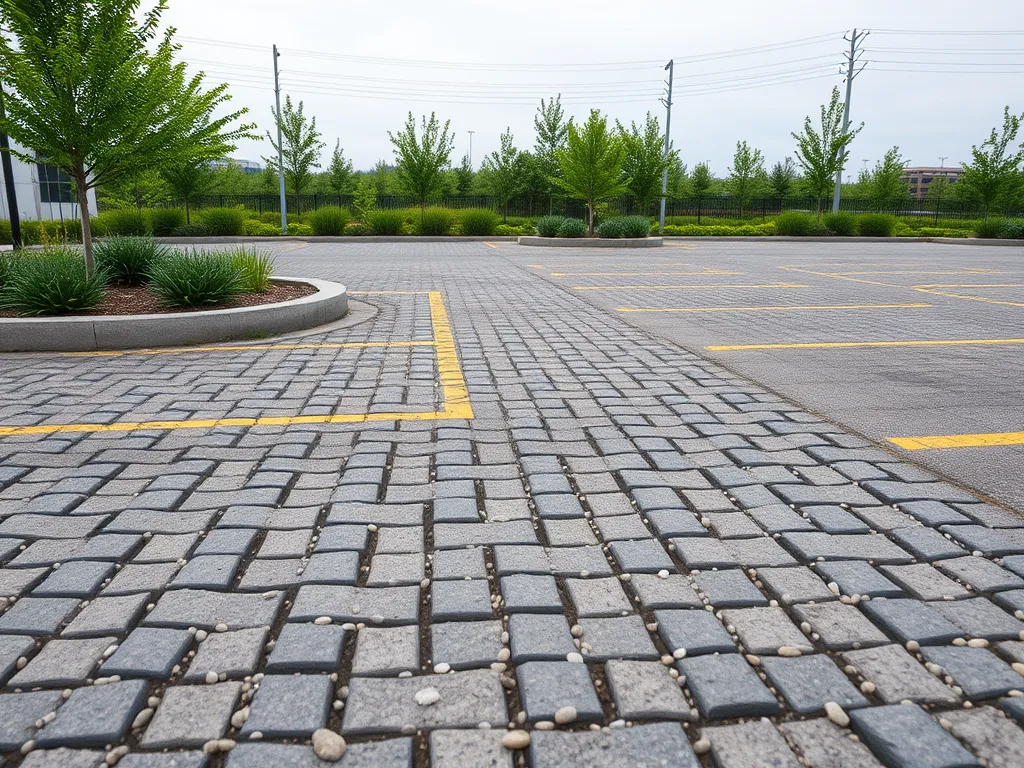
Porous asphalt reduces stormwater runoff by 50–75%. Its open-graded design lets water drain at 3–5 gallons per minute per square foot. Ideal for parking lots or flood-prone areas, it cuts drainage system costs by 25%. But gaps between stones collect debris, demanding biannual vacuum sweeping. Initial installation runs $3–$5 more per square foot than dense-graded mixes. Expect 15–20 years of service with strict maintenance.
Balancing durability, cost, and environmental needs shapes asphalt selection. Up next: how modern techniques tackle sustainability challenges in asphalt production.
Environmental Impact and Sustainability
Modern asphalt production balances durability with environmental responsibility. Asphalt types vary in their ecological footprint, driving innovations in recycling and low-emission manufacturing.
Recycled Asphalt Pavement (RAP)
Recycled Asphalt Pavement (RAP) reuses 95% of old asphalt materials. Crushed asphalt pavement combines with fresh bitumen and aggregates, creating new mixes with 30-50% RAP content. This asphalt type reduces landfill waste and cuts material costs by 25-40%. RAP performs equally to virgin mixes in low-stress applications like parking lots or rural roads.
Eco-friendly Production Techniques
Warm Mix Asphalt (WMA) lowers production temps to 212-275°F (100-135°C) versus HMA’s 300°F (149°C), slashing fuel use by 20-35%. Plants now use reclaimed engine oil or bio-based additives instead of virgin bitumen. Porous asphalt mixes integrate 30% recycled tire rubber, reducing stormwater runoff by 70-80% compared to dense-graded asphalt.
These advancements show how asphalt mix types adapt to environmental needs. Next, we’ll address common questions about selecting asphalt materials for specific projects.
FAQs About Asphalt Types
What Are the Environmental Benefits Of Using Different Types Of Asphalt?
Different types of asphalt can have varied environmental impacts. For example, using Recycled Asphalt Pavement (RAP) significantly reduces landfill waste and resource consumption. Porous asphalt helps manage stormwater runoff, decreasing the need for extensive drainage systems. Additionally, eco-friendly production techniques in mixes like Warm Mix Asphalt (WMA) lower emissions and energy use during manufacturing.
How Should I Decide Which Type Of Asphalt to Use for My Project?
When choosing an asphalt type, consider factors such as traffic volume, climate, the intended use of the surface, and budget constraints. High-traffic areas typically benefit from durable options like Hot Mix Asphalt (HMA) or Stone Matrix Asphalt (SMA), while Cold Mix Asphalt (CMA) may be sufficient for temporary repairs. Additionally, consider maintenance requirements, lifespan, and environmental impact when making your decision.
Can I Use Porous Asphalt in All Climates?
While porous asphalt performs well in most climates, areas prone to extreme cold may require special considerations. Porous asphalt is designed to drain water efficiently, but ice and snow can pose challenges in colder regions. It’s essential to ensure that the installation is suitable for local weather conditions and that maintenance practices are in place to manage winter conditions.
Are There Any Special Installation Requirements for Different Types Of Asphalt?
Yes, different types of asphalt have specific installation requirements. For example, Hot Mix Asphalt (HMA) must be installed at high temperatures and requires warm, dry conditions to prevent weakening. In contrast, Cold Mix Asphalt (CMA) can be applied in lower temperatures and does not necessitate heat. Porous asphalt requires careful attention to drainage and may require an underlayer to prevent erosion.
Why is Polymer-modified Asphalt Often Chosen for High-stress Environments?
Polymer-Modified Asphalt (PMA) is chosen for high-stress environments because it enhances the material’s flexibility and durability. The addition of polymers helps resist cracking and rutting, which are common issues in busy intersections, heavy vehicle traffic areas, and extreme weather conditions. This modification significantly extends the lifespan of asphalt surfaces in challenging conditions.

Closing Thoughts
Understanding the various types of asphalt is key to making informed decisions in construction and maintenance projects. Each mix—whether it’s Hot Mix Asphalt, Cold Mix Asphalt, or specialty types like Porous Asphalt—serves specific needs based on factors such as traffic volume, climate, and environmental impact.
Choosing the right asphalt type not only ensures durability but also enhances performance and cost-effectiveness. From residential driveways to high-traffic roads, selecting the appropriate materials can lead to significant savings and reduced maintenance in the long run.
For a deeper dive into asphalt types and their applications, visit Asphalt Calculator USA. Gain insights that will help you choose wisely and effectively for your next project.

