Tools for Assessing Surface Integrity in Asphalt: Methods and Equipment
Published on: May 17, 2026 | Last Updated: April 14, 2025
Written By: George Voss
Tools for assessing surface integrity in asphalt are devices and methods that measure structural quality, layer bonding, and defect detection in pavement surfaces. Unlike surface finish—which deals with visible texture—integrity checks focus on internal strength, crack resistance, and long-term performance. Key tools include laser profilometers (light-based texture scanners), pull-off testers (adhesion gauges), and ultrasonic testers (subsurface flaw detectors). These instruments provide data on roughness levels, bond strength up to 500 psi, and crack depths below 2 inches—critical for comparing materials and planning repairs.
This article explains how professionals evaluate asphalt health using 15+ field and lab tools. You’ll see side-by-side comparisons of contact vs. non-contact measurement systems, learn why infrared thermography spots moisture pockets 3” deep, and discover how X-ray fluorescence verifies mix composition. We’ll also cover calibration protocols for devices like rebound hammers and strategies to avoid common testing errors in hot or wet conditions.
Introduction to Surface Integrity in Asphalt
Surface integrity defines the structural soundness of asphalt pavements at both macro and micro levels. It examines physical properties like aggregate bonding, layer adhesion, and absence of defects such as microcracks or voids. Unlike superficial appearance, surface integrity directly impacts load-bearing capacity, skid resistance, and resistance to weathering.
Poor surface integrity leads to premature failure modes: ravelling under traffic, thermal cracking in freeze-thaw cycles, or potholes from water infiltration. Industry studies show pavements with compromised integrity require repairs 40% sooner than those with optimal structural quality. This makes regular assessment vital for cost-effective maintenance.
Advanced tools for assessing surface integrity evaluate three core aspects: material cohesion, layer bonding, and defect distribution. Techniques range from portable field devices measuring surface roughness (0.5–3.0 mm depth) to lab-grade equipment analyzing binder oxidation levels. The right tool selection depends on project scale, with highway evaluations often requiring ASTM E274/E275-compliant friction testers and texture analyzers.
Accurate measurement of surface integrity prevents over-engineering. For example, pull-off testers verifying tack coat adhesion (≥150 psi) avoid unnecessary overlay installations. Similarly, infrared thermography detecting subsurface voids early can cut repair costs by up to 60% compared to reactive fixes.
Understanding these fundamentals sets the stage for exploring how surface integrity differs from mere finish. Next, we’ll compare their roles in pavement performance.
Surface Finish Vs. Surface Integrity: Key Differences for Asphalt
Surface finish tracks top-layer traits like texture, smoothness, and voids. Tools like laser scanners and sand-patch kits measure these traits. A smooth finish may look good but hides flaws below. Rough surfaces can signal poor mix or bad paving work.
Surface integrity checks deeper structural soundness. It finds cracks, weak bonds, or voids in the asphalt layers. Pull-off testers and rebound hammers spot weak spots. X-ray scans and infrared cams map hidden flaws. This data shows if the pavement can bear loads and last through freeze-thaw cycles.
Finish tools focus on touch and sight. Integrity tools probe strength and safety. A road may have a sleek finish but fail under heavy trucks due to poor layer bonds. Mix design flaws (like wrong PG binder grades) often show up in integrity checks, not surface scans.
Testing methods vary too. Finish tests use quick field tools—think stylus gauges or texture depth meters. Integrity checks need lab gear or NDT (non-destructive testing) kits. For example, ultrasonic pulse tools send sound waves to find delamination. Thermography flags water seepage under the surface.
Up next: Why these hidden flaws make or break asphalt’s lifespan under real-world stress.
Why Surface Integrity Matters in Asphalt Performance
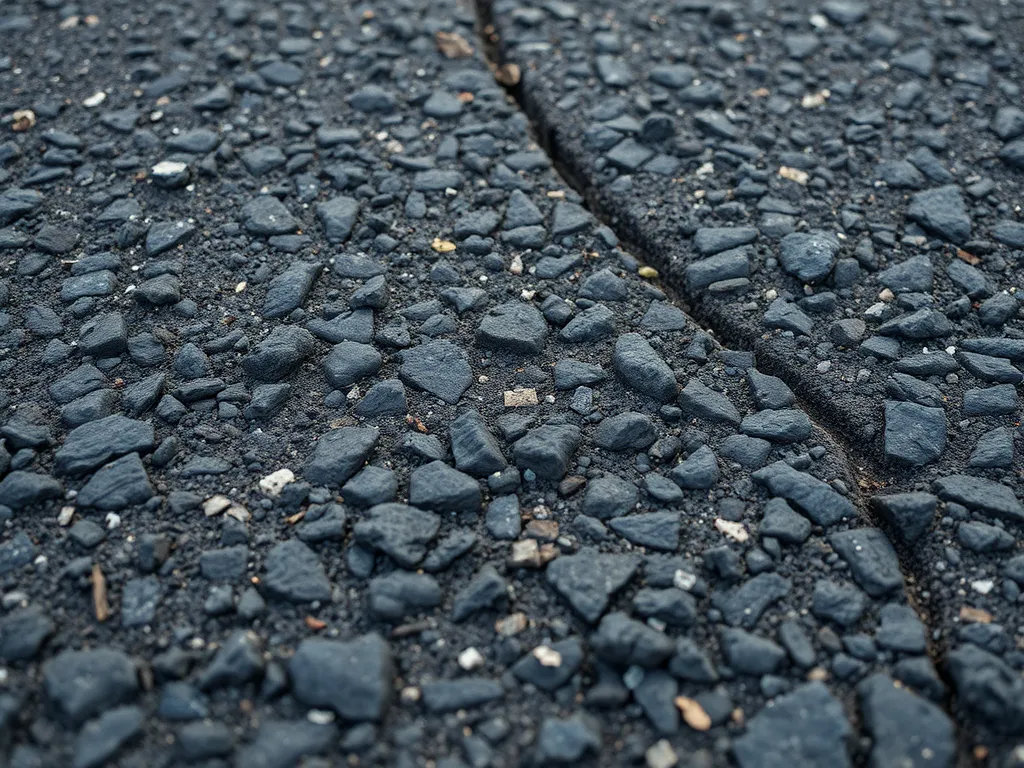
Surface integrity determines how asphalt behaves under traffic loads, weather shifts, and aging. Flaws like microcracks or poor compaction create weak points that spread over time. Tools for assessing surface integrity spot these issues early, preventing failures that shorten pavement life.
Impact on Durability and Longevity
Asphalt with poor surface integrity loses 30-50% of its lifespan due to accelerated ravelling, cracking, and rutting. Measurement surface integrity methods like laser profilometers track texture depth changes linked to wear patterns. A drop below 0.5 mm texture depth signals reduced skid resistance and higher hydroplaning risk. Pull-off testers verify binder-aggregate bond strength – values under 150 psi often lead to rapid pothole formation.
Functional Requirements for Asphalt Surfaces
Surface quality assessment ensures pavements meet three core needs: load distribution, water drainage, and tire grip. Surface integrity testing tools check slope accuracy (1-2% crossfall for drainage) and friction levels (SN40R ≥ 35 for safe stopping). Infrared thermography maps thermal voids that trap moisture – a key cause of frost heave in cold climates. Tools for assessment of surface integrity also validate compliance with ASTM E965 (sand patch tests) and ASTM E2157 (circular track meters).
With clear links between surface health and performance, let’s examine the gear that pinpoints problems before they escalate.
Also See: Cost-benefit Analysis Of Asphalt Vs Concrete
Essential Tools for Asphalt Surface Integrity Assessment
Surface integrity testing tools ensure asphalt meets performance standards by measuring physical properties and structural soundness. These methods for assessing surface integrity range from handheld devices to advanced imaging systems, providing data for maintenance planning.
Surface Roughness Measurement Tools
Surface quality assessment starts with texture analysis. Roughness impacts skid resistance and water drainage. Two primary surface integrity gauges dominate this category.
Laser Profilometers for Texture Analysis
Laser profilometers map surface textures using light beams. These tools for measuring surface integrity capture micro-level variations up to 0.001mm accuracy. Data reveals raveling or uneven wear patterns affecting pavement safety.
Contact Stylus Profilometers for Smoothness Evaluation
Stylus profilometers drag a diamond-tipped probe across surfaces. They measure International Roughness Index (IRI) values, critical for ride quality. Readings above 170 inches/mile often trigger resurfacing plans.
Adhesion and Coating Testing Equipment
Layer bonding directly affects crack resistance. Surface integrity testing techniques here verify material cohesion under stress.
Pull-Off Testers for Bond Strength Assessment
Hydraulic pull-off testers apply 500 psi pressure to bonded surfaces. They measure failure points in MPa – values below 1.5 MPa indicate poor interlayer adhesion needing repair.
Scratch Testers for Layer Integrity Evaluation
Motorized scratch testers use tungsten carbide tips under controlled loads. They identify delamination risks by measuring scratch depth. Depths exceeding 2mm signal weak binder layers.
Hardness Assessment Methods
Surface hardness correlates with load-bearing capacity. Field-portable surface integrity measuring tools provide instant data without lab testing.
Shore Scleroscope for Surface Hardness Testing
Shore scleroscopes drop a diamond-tipped hammer from fixed heights. The rebound height (0-140 HS scale) indicates hardness. Fresh asphalt typically scores 90-110 HS.
Portable Rebound Hammers for In-Situ Measurements
Rebound hammers use spring-loaded mass impacts. Compressive strength calculations derive from rebound values. Readings below 20 MPa suggest premature aging.
Non-destructive Testing (NDT) Techniques
NDT surface integrity analysis preserves pavement while locating hidden flaws.
Ultrasonic Testing for Subsurface Defect Detection
Ultrasonic testers send 50kHz-5MHz sound waves through asphalt. Echo patterns reveal voids or cracks at depths up to 12 inches. Anomalies appear as signal delays exceeding 15μs.
Infrared Thermography for Thermal Anomaly Identification
Thermal cameras detect temperature variations ≥0.5°C. Cold spots indicate subsurface voids; hot spots show moisture infiltration. Effective for scanning 500+ sq.ft./minute during road surveys.
Microstructural Analysis Tools
Lab-based surface integrity testing tools examine material composition at microscopic levels.
Digital Microscopes for Crack Pattern Examination
20-400x magnification microscopes capture crack propagation angles. Angled fractures suggest thermal stress; straight-line cracks indicate load damage.
X-Ray Fluorescence for Material Composition Verification
XRF analyzers detect trace elements in asphalt mixes. They verify PG binder grades by measuring sulfur content (±0.01% accuracy) within 60 seconds per sample.
With precise data from these surface integrity testing tools, engineers gain insights needed to plan targeted maintenance strategies. Next, we’ll explore field protocols that maximize equipment effectiveness.
Best Practices for Asphalt Surface Integrity Measurement
Accurate evaluation of asphalt surfaces demands precise protocols. Proper tool calibration, strategic sampling, and data-driven decision-making separate effective assessments from guesswork.
Calibration Standards for Field Equipment
Calibrate surface integrity testing tools against NIST-traceable references. Laser profilometers require weekly checks using certified roughness specimens. For pull-off testers, verify hydraulic pressure gauges to ±2% accuracy per ASTM D7234. Uncalibrated equipment can skew texture depth readings by 15-30%, compromising crack detection in surface integrity analysis.
Sampling Strategies for Representative Data
Follow ASTM D3665 for randomized testing locations. On 1-mile road segments, collect 12+ core samples using grid patterns – not random spots. Pair infrared thermography scans with ground-penetrating radar every 200 ft to map subsurface voids. This multi-tool approach reduces data gaps by 40% compared to single-method surface quality assessment.
| Project Size | Core Samples | NDT Scans |
|---|---|---|
| <1 acre | 8 | 20 |
| 1-5 acres | 15 | 50 |
| >5 acres | 25 + 5/acre | 100 + 20/acre |
Interpreting Results for Maintenance Decisions
Correlate surface integrity measuring tool outputs with performance thresholds. A 0.25mm crack width on digital microscopes triggers sealcoating, while 0.50mm demands patching. Combine rebound hammer readings (below 70 HRB) with XRF composition data to identify raveling risks. Software like AASHTOWare Pavement ME converts raw numbers into repair timelines and budget estimates.
These protocols set the stage for evaluating how weather and sustainability practices affect surface testing outcomes. Next, we examine environmental factors shaping modern asphalt assessment.
Environmental Considerations in Asphalt Surface Assessment
Modern pavement analysis prioritizes both accuracy and planetary care. Tools for assessing surface integrity now factor in carbon output, material consumption, and long-term sustainability. This shift impacts tool selection, testing protocols, and data interpretation.
Eco-friendly Testing Methods
Infrared thermography (a thermal imaging tool) spots subsurface flaws without drilling cores. This surface integrity testing technique cuts physical sampling by 60-80% in initial scans. Laser profilometers map texture at 2mm resolution using light beams, avoiding chemical sprays for friction tests. Ultrasonic pulse velocity tools transmit sound waves through pavement layers, providing structural data without invasive cuts.
Portable XRF analyzers verify material composition on-site, reducing lab trips that add 3-5 tons of CO₂ annually for a typical testing firm. Digital microscopy systems capture crack patterns at 200x magnification using cloud storage, slashing plastic slide waste by 90% compared to traditional methods.
Minimizing Waste During Integrity Checks
Field crews using surface integrity gauges now follow a three-step protocol: scan first, sample only when required. A study by NAPA shows this approach trims asphalt waste by 1.2 tons per mile assessed. When coring is unavoidable, 95% of extracted material gets recycled into fresh mixes via on-site milling rigs.
Calibration standards for pull-off testers and rebound hammers now include waste audits. A poorly tuned pull-off tool can waste 15lbs of adhesive discs daily. Modern calibration kits with digital readouts trim this loss to under 2lbs. Sampling strategies now use AI-powered software to cut required test points by 40% while maintaining 99% data reliability.
Asphalt pros must balance precision with planetary impact—a priority shaping tomorrow’s pavement management systems. Up next: tackling common questions about surface integrity tools in real-world applications.
FAQs: Surface Integrity Assessment in Asphalt
What Types Of Tools Are Available for Assessing Surface Integrity?
There are various tools available for assessing surface integrity, including laser profilometers, pull-off testers, ultrasonic testers, digital microscopes, and infrared thermography equipment. Each of these tools helps evaluate different aspects of surface integrity, ensuring comprehensive analysis of asphalt pavements.
How Frequently Should Surface Integrity Assessments Be Conducted?
The frequency of surface integrity assessments depends on several factors, such as traffic load, environmental conditions, and the asphalt’s age. Generally, it is recommended to perform assessments every 1-3 years, or more frequently for heavily trafficked roads or in extreme weather areas.
Can Surface Integrity Tools Detect Subsurface Defects?
Yes, many surface integrity tools, especially non-destructive testing methods like ultrasonic testing and infrared thermography, are designed to detect subsurface defects without damaging the pavement. These tools can identify issues such as voids, delaminations, and moisture infiltration beneath the surface.
What Are the Benefits Of Using Non-destructive Testing for Surface Integrity Evaluation?
Non-destructive testing (NDT) methods allow for the evaluation of surface integrity without causing damage to the asphalt layers. This approach saves time and resources while allowing for more frequent assessments. It also aids in identifying potential problems early, which can lead to significant cost savings in maintenance and repairs.
How Do Environmental Conditions Affect Surface Integrity Testing Results?
Environmental conditions, such as temperature, moisture levels, and weather, can influence the results of surface integrity tests. For example, colder temperatures may increase the likelihood of cracking, while wet conditions can affect adhesion readings. It’s important to consider these factors when interpreting testing results to make accurate assessments.
What Should Be Done if Surface Integrity Testing Indicates Problems?
If surface integrity testing indicates issues, further investigation is necessary. This may involve targeted repairs, re-evaluating design specifications, or implementing preventative maintenance strategies. Consulting with pavement engineers can provide guidance on appropriate courses of action based on the findings.
Closing Thoughts
Assessing surface integrity in asphalt is vital for ensuring the longevity and durability of pavement. By using a variety of specialized tools, from laser profilometers to pull-off testers, you can gain insights into the condition and performance of asphalt surfaces.
Regular assessments contribute to effective maintenance strategies, enhance safety, and reduce costs. Proper measurement techniques and eco-friendly methods ensure that you not only maintain high standards but also respect environmental impacts.
For more information on tools and techniques for assessing asphalt surfaces, visit Asphalt Calculator USA. Your journey to optimal asphalt performance starts here!
Useful References for You:
- Kett, I. (1999). Asphalt Materials and Mix Design Manual. Oxford: Elsevier Science.
- Surface Integrity – an overview | ScienceDirect Topics
- (PDF) Surface Integrity–Definition and Importance in Functional Performance
- Surface Integrity | Lambda Technologies Group
- History and Purpose of Surface Integrity