
The Importance Of Proper Drainage in Asphalt Applications
Published on: April 27, 2026 | Last Updated: April 14, 2025
Written By: George Voss
Proper drainage in asphalt applications moves water off pavement surfaces within 10-15 seconds of contact. This rapid removal prevents water from soaking into asphalt layers, where it softens the base materials and creates cracks. Systems use slopes (1-3% grade), edge drains, and permeable sublayers to stop structural damage. Effective drainage boosts load capacity by 30-50% and prevents frost heave in freezing temperatures.
This article breaks down slope design, crowning methods, and ditching strategies for parking lots and roads. You’ll see how subsurface French drains and catch basins protect against potholes. Learn why poor drainage costs $8-$12 per square foot in repairs versus $2-$4 upfront for proper systems. We’ll cover EPA stormwater regulations, erosion control, and tools like our Drainage Slope Calculator for precise planning.
Why Proper Drainage is Critical for Asphalt Surfaces
Without solid water control, asphalt pavements fail fast. Pooling liquids attack from top down and bottom up. Fixing drainage flaws post-installation costs 3-5 times more than building right initially.
Understanding the Role Of Water Drainage in Asphalt Longevity
Asphalt mix holds 4-6% air voids allowing liquid intrusion. PG 64-22 binders common in northern climates crack below -22°C if frost pushes up through soggy bases. Proper runoff adds 8-12 years to pavement lifespan.
How Water Infiltration Damages Asphalt Structure
H2O splits asphalt in two ways: Hydrostatic pressure lifts slabs during frost. Thaw cycles leave voids causing alligator cracks. Subsurface flow washes fines from aggregate bases – just 2% soil loss cuts load capacity 30%.
Relationship Between Drainage and Pavement Load Capacity
Wet subgrades lose 50-70% stiffness. AASHTO Guide for Design shows 6” saturated base needs 8” thickness to match dry 4” layer. Truck traffic on soaked pavements causes rutting 3x faster than on drained surfaces.
Moving past why drainage matters, smart planning dictates how to build it right. Slope math and ditch depth form thе foundation…
Key Elements Of Asphalt Drainage Design
Proper drainage starts with smart design. Three core parts work as one: slope, crown, and ditch systems. Each piece keeps water moving off the surface fast.
Slope Requirements for Effective Water Runoff
Slope sets the speed of water flow. Asphalt needs at least 1.5% slope (1.5 inches per 10 feet). Steeper grades up to 3% boost runoff in heavy rain zones. Cross slope (side-to-side tilt) and long slope (end-to-end drop) work as a team. AASHTO rules say 2% cross slope for most roads. Too flat? Puddles form. Too steep? Tire grip drops.
Crowning Techniques in Asphalt Paving
Crowns lift the road center, shedding water to edges. A 2% crossfall (slope from middle to sides) is standard. Use Superpave mixes (high-stone content asphalt) at the peak for strength. Crowns stop water from pooling near traffic lanes. They push runoff to ditches or inlets in under 15 minutes during storms.
Ditching and Channelization Strategies
Ditches catch runoff from slopes and crowns. V-shape cuts (18-inch depth) work for small roads. Trapezoidal ditches (24-inch base, 3:1 sides) handle heavy flows. Line ditches with concrete or geotextile fabric to stop erosion. Channel blocks (curbs, berms) steer water to drains every 300-500 feet.
Calculating Drainage Needs for Asphalt Projects
Use the Rational Method: Q = CiA. Q is flow rate (cubic feet/sec). C is runoff coeff (0.95 for asphalt). i is rain strength (inches/hour). A is area (acres). Example: A 2-acre lot in 2″/hr rain needs Q = 0.95 x 2 x 2 = 3.8 cfs. Match pipe sizes (12-24 inch corrugated metal) to Q values. Tools like the FHWA Hydraulic Toolbox auto-calc slopes and flows.
Next, let’s break down how pros put these plans into action during paving jobs. The right build steps make or break your drainage setup.
Installation Methods for Effective Asphalt Drainage
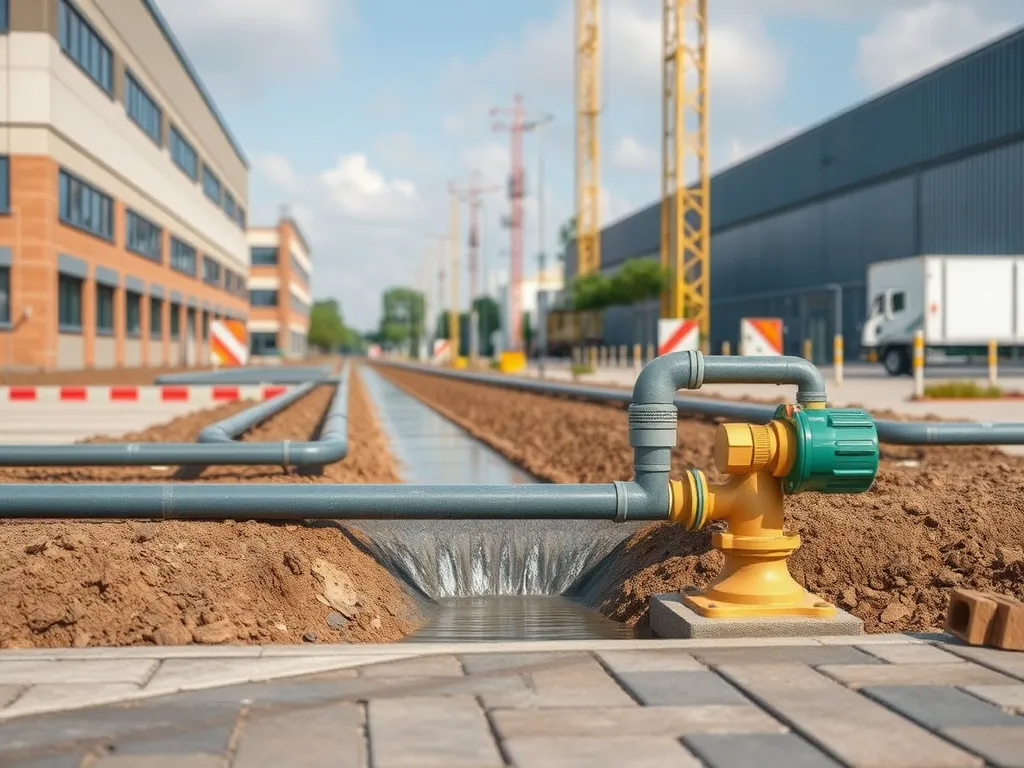
Proper drainage installation determines whether asphalt lasts 15 years or fails within five. Correct techniques prevent water from pooling beneath or across surfaces, protecting layers from saturation.
Best Practices for Drainage During Asphalt Installation
Skilled contractors follow three rules: prepare the subgrade with a 2% minimum slope, use permeable aggregate bases, and seal joints tightly. Compaction rates matter – aim for 92-96% density using vibratory rollers. Geotextile fabrics between layers boost filtration.
Integrating Subsurface Drainage Systems
Subsurface systems use perforated pipes (4-6 inch diameter) buried 12-18 inches below the asphalt. These pipes sit within crushed stone beds (#57 aggregate works best) to redirect groundwater. This setup cuts hydrostatic pressure by 40%, reducing frost heave risks in cold climates.
Edge Drains and Their Function in Blacktop Preservation
Edge drains are trenches filled with porous concrete or PVC pipes along pavement perimeters. Installed at 1-3% slopes, they capture stray water before it seeps into base layers. Properly spaced edge drains (every 20-30 feet) can lower repair costs by $1.80 per square foot over a decade.
These methods work only when paired with regular maintenance. Next, we’ll examine what happens when drainage systems fail – from potholes to total base collapse.
Also See: Innovative Driveway Maintenance Technologies
Consequences Of Poor Drainage in Asphalt Applications
Neglecting drainage in paved surfaces invites multiple forms of destruction. Without efficient water management, even robustly built surfaces face reduced service life. Studies show poorly drained roads need resurfacing 40% more frequently than those with engineered runoff systems.
Common Drainage Issues in Asphalt Pavements
Standing water ranks among the top threats to paved surfaces. When moisture lingers longer than 3 hours post-rainfall, it signals compromised runoff. Blocked ditches, improper crowning, or insufficient slope gradients frequently trigger these problems.
Pothole Formation and Surface Degradation
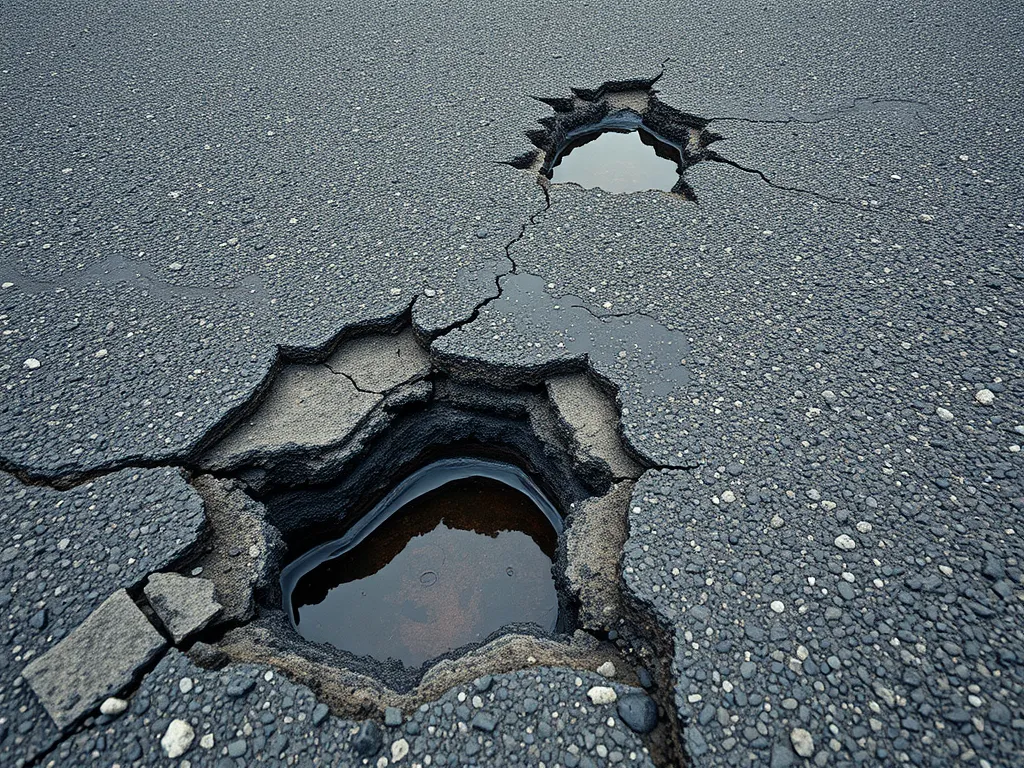
Water penetrating microcracks initiates potholes through freeze-thaw cycles. Each temperature swing expands ice by 9%, fracturing binder bonds. Traffic then loosens dislodged stones, creating craters. Municipalities spend $150-$500 per pothole repair – costs preventable through proper drainage asphalt design.
Base Layer Erosion and Structural Failure
Persistent moisture weakens the 6-8 inch foundation beneath paved surfaces. Saturated stone bases lose 75% of their load-bearing capacity, causing depressions or sinkholes. Full-depth reconstruction becomes necessary once base erosion occurs, tripling project costs compared to surface-level fixes.
These risks underscore why drainage installation asphalt planning cannot be overlooked. Next, we’ll break down how smart design choices protect budgets over time.
Cost Implications Of Drainage Design in Asphalt Projects
Smart drainage design shapes both upfront costs and long-term spend for asphalt jobs. Poor water control leads to faster wear, while planned systems add value over time.
Initial Investment Vs Long-term Maintenance Savings
Spending 10-15% more on drainage during install cuts repair costs by up to 40% over 10 years. High-grade geotextiles or pipe grids cost $1.50-$3 per sq ft but prevent base washouts that cost $8-$12 per sq ft to fix. States like Texas see 30% longer pavement life when using slope plans with 2% grade or steeper.
Repair Costs from Water-Related Asphalt Damage
Water under asphalt causes three main issues: potholes ($25-$50 each), cracks ($1-$3 per linear foot), and full-depth failures ($15-$30 per sq ft). Freeze-thaw cycles multiply damage—Ohio DOT reports 60% of winter road budgets go to water-linked fixes. Permeable pavements cut runoff by 80%, slashing flood risks that erode edges.
Smart drainage saves cash and stress. Now, let’s see how water control protects streams and soil near paved areas.
Environmental Benefits Of Proper Asphalt Drainage
Effective drainage design asphalt systems do more than protect pavement – they safeguard ecosystems. By managing water flow, these systems prevent pollutants from entering natural water sources while promoting groundwater recharge. Permeable asphalt installations reduce strain on municipal stormwater infrastructure, creating cleaner urban environments.
Reducing Urban Runoff Contamination
Asphalt surfaces collect oil residues, heavy metals, and de-icing chemicals. Without proper drainage for asphalt, these toxins wash directly into waterways during storms. Permeable pavements with 20-40% void spaces filter 80-90% of suspended solids through aggregate layers. Bioswales integrated with asphalt drainage systems remove 60-80% of nitrogen pollutants before water reaches streams.
Stormwater Management Through Effective Paving Design
Advanced asphalt drainage design combines slope gradients (1-5% recommended), permeable mixes, and subsurface systems. PG 64-22 binders in Superpave mixes create durable surfaces that handle 500-1,000 gallons/day/square foot of infiltration. Cities using porous asphalt report 40-70% reductions in stormwater runoff volume. Permeable installations cost $15-$30/square foot but cut municipal treatment expenses by up to 60%.
Precise water drainage asphalt planning requires specialized tools – like the calculators we’ll explore next – to balance environmental protection with pavement performance.
Related Asphalt Calculators
Special tools simplify planning for water flow in paving jobs. Two vital aids boost accuracy in drainage asphalt work: slope calculators and runoff tools. Both aid pros and DIYers in hitting targets for long-lasting blacktop.
Drainage Slope Calculator for Paving Projects
A 2% slope (1/4″ per foot) stands as normal for most jobs. This tool finds pitch needed to push water from pavements. Inputs include:
| Input | Output |
|---|---|
| Pavement width | Total slope height |
| Rainfall intensity | Minimum slope % |
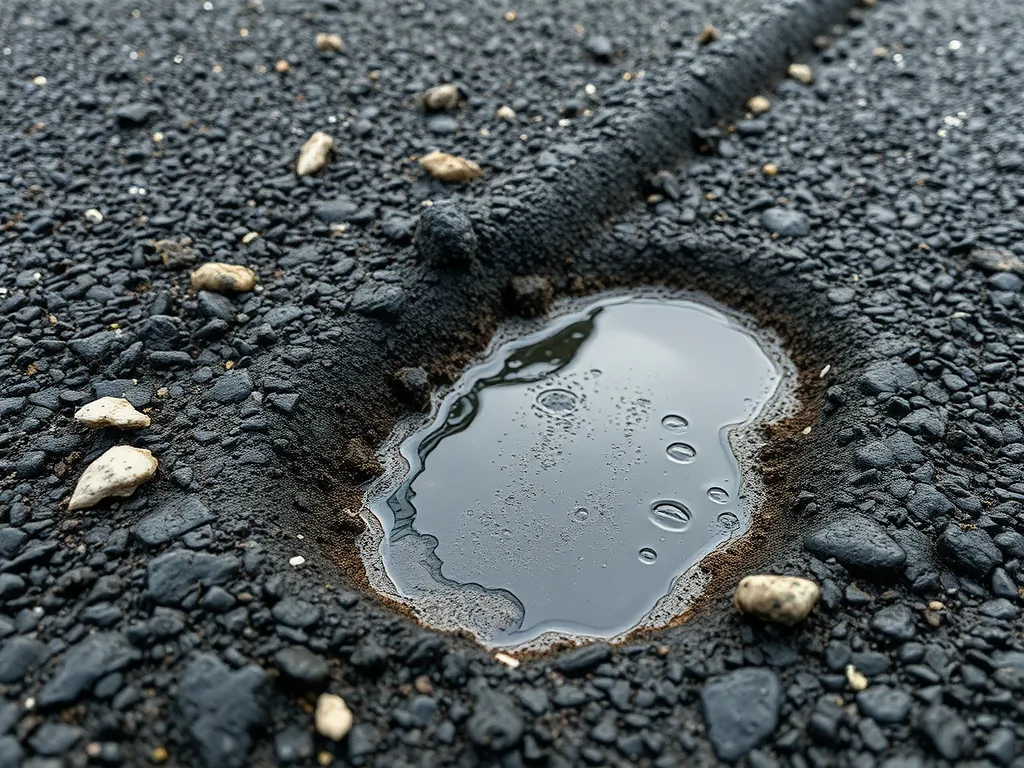
Slopes below 1.5% risk ponding. High-traffic zones might call for 3% grades. Proper drainage asphalt design stops hydroplaning and frost damage.
Water Runoff Estimation Tools
Runoff calculators factor in pavement porosity, local rain stats, and soil types. A 10,000 sq ft lot in clay soil with 2″ rain creates ~6,000 gallons of runoff. These tools aid in sizing:
- Catch basins
- French drain capacity
- Swale dimensions
Newer tools link to NOAA rain maps, updating in real time during storms. Pairing runoff data with slope specs cuts repair bills by up to 40% over 10 years.
Using both tools forms a full plan for drainage in asphalt work. Next, common questions arise about putting theory into action.
FAQs: Asphalt Drainage Essentials
Why is a Proper Drainage System Important in Asphalt Applications?
A proper drainage system is crucial in asphalt applications because it prevents water accumulation that can weaken the pavement structure, leading to issues such as cracking, pothole formation, and reduced lifespan. Effective drainage enhances the durability and performance of asphalt surfaces by moving water away quickly.
How Does Drainage Affect Pavement Structural Integrity?
Drainage directly impacts pavement structural integrity by preventing moisture buildup in underlying materials. When water infiltrates the asphalt layers, it can cause frost heave and erosion of the base, reducing the overall load-bearing capacity of the pavement and increasing the risk of failure.
What Makes Drainage Area Crucial in Asphalt Paving?
The drainage area is crucial because it determines how effectively water is diverted away from the asphalt surface. Adequate drainage areas help manage runoff and minimize pooling, ensuring that the pavement remains stable and preventing water-related damage over time.
Why Do Asphalt Roads Require Specialized Drainage Systems?
Asphalt roads require specialized drainage systems due to the unique stressors they face, including varying traffic loads, weather conditions, and their susceptibility to water infiltration. These systems are designed to effectively handle runoff, reduce moisture-related damage, and extend the lifespan of the pavement.
Closing Thoughts
Proper drainage is paramount in asphalt applications. It not only extends the lifespan of asphalt surfaces but also prevents costly damage. Effective water management techniques, such as proper sloping, crowning, and the use of subsurface drainage systems, play a vital role in preserving structural integrity.
Neglecting drainage can lead to serious issues like potholes and base layer erosion, resulting in expensive repairs and shorter lifespans for pavements. Investing in drainage systems from the start minimizes long-term costs and enhances performance.
To learn more about asphalt drainage strategies and their impact, visit Asphalt Calculator USA. Your asphalt projects deserve the best care!
Additional Resources for You:
- Huang, Y. H. (2004). Pavement Analysis and Design (2nd ed.). Upper Saddle River, NJ: Pearson/Prentice Hall.
- The Importance of Proper Drainage in Asphalt Paving
- The Importance of Proper Drainage for Your Asphalt
- Why Proper Drainage for Asphalt Is Important
- Why Proper Drainage Matters in Asphalt Paving – Bennett Paving

