
The Role Of Base Layers in Asphalt Durability
Published on: April 28, 2026 | Last Updated: April 14, 2025
Written By: George Voss
Base layers form the hidden foundation beneath asphalt surfaces, directly determining pavement strength and lifespan. These layers distribute vehicle weight, prevent surface cracks, and resist weather damage through proper material selection, adequate thickness (typically 4-8 inches for driveways), and precise compaction. Choices between crushed stone, granular bases, or asphalt-treated base (ATB) layers—aggregates mixed with asphalt binder—impact long-term performance alongside subgrade preparation and drainage design.
This guide covers everything from pavement anatomy to maintenance strategies. Explore how base layer thickness affects load capacity, why material quality matters, and which construction methods prevent premature failure. Get details on optimal subbase materials, weather-resistant installation techniques, and eco-friendly solutions that extend pavement life while reducing environmental impact.
Understanding Asphalt Pavement Structure
Asphalt roads act like layered systems. Each part plays a key role in strength. The right mix of layers stops cracks, potholes, and early wear.
Components Of Asphalt Paving Layers
Four main layers work together:
- Surface layer: Top coat that handles traffic and weather
- Base layer asphalt: Load-bearing core (4-8 inches thick)
- Subbase layer: Support zone with crushed stone or gravel
- Subgrade layer: Compacted soil foundation
Role of Surface, Base, Subbase, and Subgrade Layers
The surface shields against tires and rain. The base layer asphalt spreads truck weights across 2-3 times its area. Subbase layers manage water flow and add depth. The subgrade must stay firm – weak soil here can cut pavement life by 50%.
Why Layered Construction is Critical for Asphalt
Single-layer paving fails fast under heavy loads. Layers let each section do specialized work. A 6-inch base course asphalt handles 10x more axle passes than thin layers. Proper stacking also stops water from softening the road bed.
Next, we’ll break down how base layer thickness and materials decide if your asphalt lasts 7 years or 20+.
Key Factors Affecting Asphalt Durability
Long-lasting roads start with a strong foundation. Thickness, material choice, and structural integrity of base asphalt layers directly impact how long pavement lasts.
Base Layer Thickness and Depth Requirements
A thick asphalt base layer acts as a shock absorber. It spreads vehicle weight across a wider area to stop cracks from forming.
Optimal Asphalt Base Layer Thickness for Load Distribution
Most roads need 4-8 inches of compacted base asphalt. Truck routes or high-traffic zones might require 12 inches. For parking lots, aim for 6-8 inches of Class 2 aggregate base (CTB) below 3 inches of asphalt mix.
Consequences of Inadequate Base Layer Depth
Thin base layers crack under strain. A 3-inch base asphalt layer fails 50% faster than a 6-inch layer in frost zones. Poor depth causes rutting, potholes, and costly asphalt base course repair.
Material Quality in Base Layer Asphalt
Not all rocks work for base asphalt layers. Hardness, angularity, and gradation affect how materials lock together.
Crushed Stone vs. Granular Base Materials
- Crushed stone: Jagged 3/4” rocks with 98% compaction. Costs $18-$25/ton. Stops shifting in wet conditions.
- Granular base: Mix of sand and gravel. Costs $12-$18/ton. Prone to washouts without proper asphalt underlay.
Benefits of Asphalt-Treated Base (ATB) Layers
ATB mixes 4-6% liquid asphalt with aggregates. This binds materials 40% tighter than plain gravel. ATB cuts water intrusion by 60% and boosts load capacity to 8,000 psi. Roads using ATB last 7-10 years longer.
Choosing the right base asphalt layers sets up success. Next, we’ll show how subgrade prep and compaction lock in that stability.
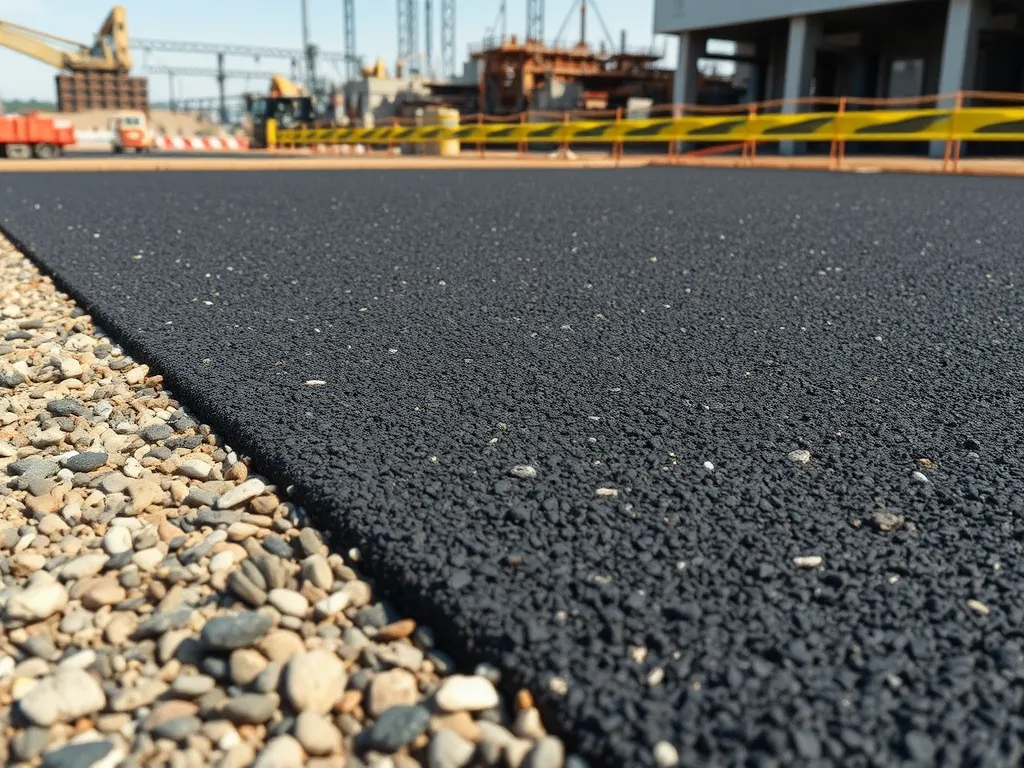
Designing Effective Asphalt Base Layers
Creating durable asphalt starts with precise engineering of base layers. These layers must balance load-bearing capacity with environmental resilience. Proper design accounts for material properties, load demands, and site-specific challenges.
Subgrade Preparation and Moisture Control
The subgrade layer forms the foundation for base asphalt layers. Before construction begins, crews test soil stability using methods like the California Bearing Ratio (CBR). Weak soils (CBR below 5) require stabilization with lime or cement. Geotextiles may also be added to block moisture infiltration.
Impact of Subgrade Conditions on Base Layer Performance
Uneven or waterlogged subgrades cause premature base layer asphalt failures. A 1% increase in moisture content can reduce subgrade strength by 30%. Drainage systems like French drains or crowned surfaces direct water away from asphalt layers. For frost-prone areas, a 12″ granular subbase prevents freeze-thaw damage.
Importance Of Proper Compaction Techniques
Compaction determines base asphalt layer density. Vibratory rollers achieve 95-98% modified Proctor density for crushed stone bases. Under-compacted zones settle under loads, creating potholes. Over-compaction fractures aggregates, reducing structural support.
Ensuring Density for Long-Term Stability
Base asphalt layers need air void content below 8% to resist water penetration. Contractors use nuclear density gauges for real-time quality checks. Each 6″ lift requires 4-6 roller passes at 3-5 mph. Dense-graded aggregates (1.5″ max size) lock together when compacted, forming a rigid matrix.
With base layers properly designed and compacted, the focus shifts to material selection. The right mix of aggregates and binders elevates performance while meeting budget needs.
Also See: Refinery Asphalt Modification: Revolutionizing Roads
Material Selection for Durable Asphalt Base Layers
Strong base layers rely on precise material choices. Each option serves distinct functions while supporting the pavement system.
Crushed Stone Subbase and Base Course Options
Crushed stone remains the go-to for load-bearing base layers. Limestone, granite, or trap rock graded to AASHTO #57 (1″-0.75″) or #3 (2″-0.75″) specifications create stable platforms. These materials provide:
- 95-100% Modified Proctor Density when compacted
- 0.5-1.5% optimal permeability for drainage
- Interlocking angular particles distributing loads up to 8,000 psi
Projects requiring base asphalt layer thickness exceeding 12″ often use crushed stone to prevent rutting under heavy traffic.
Granular Base Layers for Flexible Support
Sand-gravel blends or recycled crushed concrete (RCC) offer pliable foundations. These granular materials:
- Reduce stress concentrations by 20-40% compared to rigid bases
- Permit 0.1-0.3 inches of thermal movement without cracking
- Maintain 85-90% California Bearing Ratio (CBR) when properly graded
Granular layers work best under base course asphalt in regions with freeze-thaw cycles. Proper slope (1-2%) ensures water drains from the subgrade.
Using Asphalt Plant Mixes for Enhanced Bonding
Hot mix asphalt (HMA) or warm mix asphalt (WMA) bases create monolithic structures when paired with surface layers. Key specs:
- PG 64-22 binder content: 4.5-6% by weight
- 3/4″ nominal aggregate size for optimal density
- 290-330°F production temperatures (HMA)
Plant-mixed asphalt base layers show 30% higher shear strength than unbound bases. Though costing $25-$35/ton versus $12-$18/ton for granular bases, they extend pavement life by 7-12 years.
With materials chosen, focus shifts to installation methods that lock in their benefits.
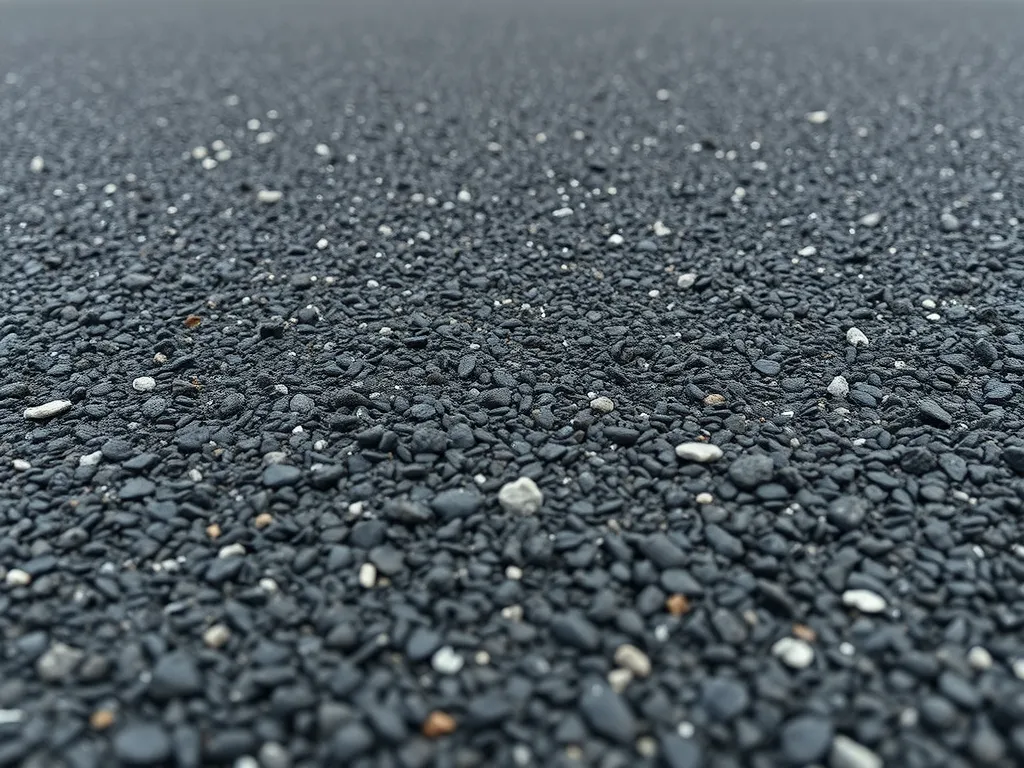
Construction Best Practices for Base Layers
Proper base layer asphalt construction ensures long-term strength. Correct methods prevent cracks, rutting, and water damage. Follow these steps for best results.
Weather-resistant Installation Methods
Weather impacts base layer asphalt paving. Rain, heat, or cold weaken fresh layers. Installers use timed pours and covers to fight bad weather.
Mitigating Adverse Weather During Base Layer Construction
Use heated gear in cold (below 40°F) to keep base asphalt layers warm. In rain, cover new layers with tarps. For heat above 90°F, spray water to cool tools. Polymer-treated bases resist swelling in wet zones. PG binders (performance-graded asphalt) adapt to local temps. These steps cut repair costs by 25%.
Advanced Techniques for Base Layer Compaction
Strong base layers need 95% density. Poor compaction leads to sinkage. New tools boost results.
- Vibratory rollers: Apply 8-12 passes at 3-5 mph for even pressure
- GPS mapping: Track gaps in real time
- Smart probes: Check density every 100 sq ft
Thick layers (6+ inches) get split into lifts. Each 3-inch lift gets rolled twice. Tests like nuclear gauges or sand cones confirm specs.
Proper tools and checks ensure base layers last 20+ years. Next, see how green designs boost eco gains while keeping roads firm.
Environmental Considerations in Base Layer Design
Base layers do more than hold up roads. They shape how asphalt handles water, heat, and harm to land. Smart design cuts harm to soil, air, and streams.
Sustainable Drainage Solutions for Asphalt Base Layers
Water is a top foe of asphalt. Permeable base layers let rain seep through to the ground. This cuts floods and stops cracks from freeze-thaw cycles. Open-graded stone bases with 40% voids work best for flow.
| Drainage Type | Water Flow Rate | Cost Per Sq Ft |
|---|---|---|
| Standard Base | 0.5 in/hr | $1.20 |
| Permeable Base | 5 in/hr | $1.80 |
Channels under the base layer guide water to dry wells or soil. This keeps the subgrade firm and stops base layer washouts.
Eco-friendly Materials to Reduce Environmental Impact
Crushed concrete from old jobs can replace 30% of new stone in base layers. Fly ash or slag mixed with binders cuts cement use by half. These swaps lower CO2 by up to 15% per mile of road.
| Material | Recycled Content | Load Support |
|---|---|---|
| Virgin Gravel | 0% | High |
| RAP (Recycled Asphalt) | 100% | Medium-High |
Geotextile fabrics made from reused plastics add strength. They stop soil mix with the base layer, saving 20% on fill dirt. Warm-mix asphalt bases need less heat, cutting fuel use by 30%.
Smart base layer choices boost asphalt life while guarding nature. But even strong bases need care over time. Next, we’ll show how to spot and fix base layer flaws before they wreck the road.

Repair and Maintenance Of Asphalt Base Layers
Base layers set the stage for long-lasting roads. Even strong base asphalt needs care to stay firm. Fix small flaws fast to stop big cracks or sink holes.
Identifying Common Base Layer Failures
Spot base layer asphalt issues early. Watch for these signs:
- Rutting: Sunken tracks from weak spots or poor mix (over 1 inch deep)
- Alligator cracks: Web-like splits show base course asphalt can’t hold weight
- Potholes: Water eats through asphalt layers, leaving gaps under the surface
- Edge breaks: Crumbling sides mean poor base layer asphalt depth or drainage
Test core samples to check base asphalt layer thickness. Use ground radar to map voids under slabs.
Techniques for Asphalt Base Course Repair
Match fixes to the flaw type. Key methods:
| Method | Use Case | Materials |
|---|---|---|
| Full-depth repair | Severe base layer cracks | Hot mix asphalt, tack coat |
| Partial-depth patch | Top 2-4 inch surface flaws | Cold mix, polymer binder |
| Mudjacking | Settled slabs (lifts 1-3 inches) | Cement slurry, foam |
| Cold milling | Rutted roads | Recycled base asphalt layers |
For base asphalt layer mkv (minimum kilovolt x-ray) issues, add lime or cement to firm weak subgrades. Seal joints yearly to block water.
Solid base layer care cuts rebuild costs by half. Next, let’s tackle common questions on keeping asphalt layers tough.
Frequently Asked Questions (FAQ)
What is the Function Of the Subbase Layer in Pavement?
The subbase layer serves as a support layer beneath the base layer, providing additional load distribution, improving drainage, and supporting the overall pavement structure. It is critical in minimizing stress on the base layer and preventing moisture issues which can lead to premature pavement failure.
How Can I Make Asphalt More Durable?
To enhance asphalt durability, focus on adequate base layer thickness, quality material selection, proper compaction during installation, and effective moisture control measures. Regular maintenance and timely repairs also contribute to extending the lifespan of asphalt surfaces.
Why is Asphalt Constructed in Layers?
Asphalt is constructed in layers to allow each section to perform a specific function effectively. This layered approach ensures optimal load distribution, increases flexibility, enhances drainage, and ultimately provides better resistance to cracking and environmental damage.
What is the Best Subbase for Asphalt?
The best subbase for asphalt typically involves crushed stone, which provides stable support and excellent drainage properties. It is essential that the chosen subbase material is compatible with the expected load conditions and the specific environmental factors of the project site.
How Can I Identify Issues With My Asphalt Base Layer?
Common signs of issues in asphalt base layers include rutting, alligator cracking, potholes, and edge breaks. Regular inspections and maintenance checks can help identify these signs early, enabling timely interventions to maintain the integrity of the pavement.
What Materials Are Recommended for Enhancing Asphalt Base Durability?
Recommended materials for enhancing the durability of asphalt base layers include crushed stone, asphalt-treated bases (ATB), and well-graded granular materials. Choosing high-quality aggregates with good interlocking properties is essential for long-lasting performance.
Closing Thoughts
The durability of asphalt depends significantly on the effectiveness of its base layers. Proper design, material selection, and installation practices are crucial in ensuring longevity and performance. Techniques like optimal thickness, rigorous compaction, and the use of quality materials play a pivotal role in enhancing the asphalt structure’s resilience.
Investing time and resources in these base layer considerations not only leads to improved pavement longevity but also reduces maintenance costs over time. This commitment ensures roadways can withstand heavy loads, fluctuating weather conditions, and environmental pressures.
For more detailed information on asphalt durability and other related topics, check out Asphalt Calculator USA.
Useful References for You:
- Yoder, E. J., & Witczak, M. W. (1975). Principles of Pavement Design (2nd ed.). New York, NY: Wiley.
- What Do You Lay Under Asphalt?
- Base Thickness Impact on Asphalt Durability

