The Impact Of Weather Conditions on Asphalt Paving Operations
Published on: April 27, 2026 | Last Updated: April 14, 2025
Written By: George Voss
Weather directly affects every asphalt paving project, determining whether fresh pavement lasts 15 years or cracks within months. Temperature, precipitation, humidity, and wind influence asphalt mix viscosity, compaction quality, and curing speed. Hot mix asphalt (HMA) requires temperatures between 50°F and 85°F for proper installation—too cold, and the binder won’t bond; too hot, and the mix hardens prematurely. Rain causes poor compaction, while high humidity slows curing. Ignoring these factors leads to thermal cracks, potholes, or raveling (surface disintegration).
This article breaks down how specific weather conditions impact paving results. Learn temperature thresholds for HMA and warm mix asphalt (WMA), moisture risks during rain, and wind’s cooling effects. Discover strategies like using PG 64-22 binders (rated for -22°C to 64°C climates) or adjusting roller timing in summer heat. We’ll cover real-world solutions for winter paving challenges, humidity management, and sustainable practices like recycling asphalt in variable weather. Contractors will gain actionable steps to adapt to forecasts and protect project timelines.
Introduction to Weather and Asphalt Paving
Successful pavement installation depends on weather conditions. Temperature swings, moisture levels, wind speed, and humidity directly influence mix performance during placement. Proper curing requires precise environmental control—deviations create defects lasting the pavement’s 15-20 year lifespan.
Why Weather Matters in Asphalt Operations
Weather controls the viscosity of liquid binders like PG 64-22 (Performance Grade binders designed for specific climates). Cooler temps thicken the mix, complicating compaction. Excess heat thins it, risking rutting. Contractors track dew points to prevent moisture contamination. Even crew efficiency drops by 30% in extreme heat or storms, inflating labor costs.
Key Weather Factors Affecting Asphalt Quality
Four elements dictate paving outcomes: Temperature: Mix must stay between 50°F and 95°F until compacted. Below 50°F, rapid cooling prevents proper density. Above 95°F, oxidation weakens binder integrity. Precipitation: Rain within 24 hours of paving washes away fines, causing raveling. Humidity: Levels above 80% slow moisture evaporation, extending curing by 2-4 hours. Wind: Speeds over 15 mph cool mix 40% faster, creating uneven surfaces.
With core weather challenges defined, let’s examine how temperature extremes shape paving strategies.
Temperature Effects on Asphalt Paving
Temperature directly dictates asphalt’s workability and final strength. Deviations from ideal ranges cause immediate quality issues and long-term pavement failures.
Optimal Temperature Ranges for Laying Asphalt
Hot mix asphalt (HMA) requires precise thermal control. The material must stay between 275°F and 300°F during transport to prevent premature cooling or overheating.
Minimum Temperature for Asphalt Installation
Paving crews stop work when ground temperatures drop below 50°F. Warm-mix asphalt additives extend this limit to 40°F in some regions. Below these thresholds, asphalt loses 25% compaction efficiency per 15°F decrease.
Maximum Temperature Thresholds
Surface temps exceeding 185°F risk asphalt softening. High-heat zones require polymer-modified binders rated PG 76-22 or higher to prevent rutting. Thermal imaging guns verify temperatures during summer pours.
Cold Weather Challenges
Winter paving demands heated transfer vehicles and infrared heaters. Even with these tools, production rates slow by 30-40% compared to ideal conditions.
Rapid Cooling and Compaction Issues
Asphalt cools 50% faster when ambient temps fall below 40°F. This forces rollers to compact layers within 8-10 minutes versus the standard 15-minute window. Inadequate compaction creates air void levels above 8%, triggering moisture damage.
Winter Paving Risks
Subfreezing temperatures cause thermal cracks within 72 hours of placement. Contractors use insulating blankets to maintain 120°F mat temps for 4+ hours in freezing weather – adding $1.50-$3.00 per square foot to project costs.
Hot Weather Challenges
Summer paving requires temperature management from plant to pavement. Drum mixers reduce discharge temps by 25°F using liquid asphalt foaming systems.
Asphalt Oxidation and Softening
At 350°F+, asphalt binders lose 15% of their viscosity per hour. This oxidation leads to raveling and cracking within 12-18 months. Infrared thermometers monitor surface temps to prevent thermal degradation.
Summer Heat Management Strategies
Night paving shifts work to cooler hours, reducing surface temps by 20-30°F. Fog sprays lower paver screed temperatures, while roller operators use intermittent vibration to prevent shoving in soft mats.
While temperature control remains critical, moisture presents equally complex challenges during asphalt installation. Proper water management techniques determine pavement longevity.

Rain and Moisture Impact on Asphalt
Water disrupts asphalt paving more than any weather factor. Rain compromises mix stability, bonding, and long-term structural integrity. Even small amounts of moisture alter compaction rates and weaken pavement layers.
Paving in Wet Conditions: Risks and Solutions
Laying asphalt during rain increases rutting risks by 40-60% compared to dry operations. Water trapped beneath mat layers creates steam pockets during compaction, causing premature cracking. Contractors combat this with infrared heaters to dry substrates and polymer-modified PG 76-22 binders for better moisture resistance.
Can Asphalt Be Laid During Rainfall?
No. The National Asphalt Pavement Association prohibits paving during active precipitation. Exceptions exist for emergency repairs using specialized mixes like open-graded friction course (OGFC), which allows 12-16% air voids for drainage. Even then, crews work with portable shelters and monitor mix temperatures above 275°F to prevent thermal segregation.
Post-Rain Recovery Measures
After rainfall, crews implement three steps:
- Remove standing water with squeegees or vacuum trucks
- Test base moisture with nuclear density gauges (target: below 5% saturation)
- Apply heated tack coat at 0.04 gallons/sq yard for improved adhesion
Effects Of Moisture on Asphalt Curing
Moisture extends curing times by 30-50% in humid conditions. Water molecules interfere with binder-aggregate bonding during the critical 72-hour curing window. This leads to reduced Marshall Stability values below 1,800 lbf – a key measure of load-bearing capacity. Contractors counter this with rapid-setting emulsions or cover aggregates like AASHTO #57 stone to shield fresh pavement.
Hydrophobic additives such as liquid silicone (0.3-0.5% by weight) create water-repellent surfaces without affecting skid resistance. These treatments maintain PSI ratings above 4.0 for over 15 years in wet climates.
While moisture presents clear challenges during installation, humidity introduces another layer of complexity – particularly during compaction and final finishing stages.
Also See: Environmental Benefits Of Warm Mix Asphalt Recycling
Humidity’s Role in Asphalt Installation
While temperature dominates most paving discussions, humidity quietly shapes outcomes. Moisture-laden air slows binder curing rates while complicating density targets. Contractors juggle mix design tweaks, timing adjustments, and equipment choices to counter these invisible forces.
Drying Time Variations
High humidity slows water evaporation from liquid asphalt emulsions. At 70% relative humidity, curing times stretch 30% longer versus 40% conditions. Extended drying leaves fresh pavement vulnerable to rutting if traffic resumes too soon. Performance-graded (PG) binders modified with polymers help offset delays—PG 76-22 mixes tolerate up to 85% humidity without major timeline shifts.
Humidity-induced Compaction Challenges
Damp air keeps mix temperatures elevated, creating a sticky surface that resists steel drum rollers. Operators must balance 290°F+ mat temps with 92% density mandates. Excess moisture causes roller wheels to pick up material, creating surface voids. Night paving during 60-80% humidity ranges often yields tighter compaction than midday work in muggy zones.
Beyond moisture battles, wind reshapes cooling rates. Up next: How breezes force thermal recalibrations mid-pour.

Wind Influence on Paving Operations
Wind plays a key role in how crews lay asphalt. It changes how fast the mix cools and how workers move materials. Both factors shape the final road quality.
Accelerated Asphalt Cooling
Wind speeds up heat loss in fresh asphalt. Hot mix needs to stay above 275°F during placement to bond well. Gusts over 15 mph can drop surface temps by 25°F per hour. This leads to poor compaction and weak spots. Crews use infrared heaters or tack coats to fight rapid cooling. In cold zones, wind chill may push ground temps below 50°F—a red flag for paving.
Material Handling in Windy Conditions
Wind shifts how crews move and place asphalt. Dry aggregates blow off trucks, creating uneven mixes. Binder spray from distributor trucks can miss targets, wasting up to 10% of liquid asphalt. Teams adapt by:
- Using mist sprays to weigh down loose stone
- Adding windbreaks near paver hoppers
- Timing truck dumps between gusts
High winds also raise safety risks. Dust clouds cut visibility, while flying debris harms workers.
Next, we explore how teams track storms and adjust schedules to beat the weather clock.
Monitoring Weather Forecasts for Paving
Successful asphalt projects demand proactive weather tracking. Contractors rely on advanced tools to predict and mitigate risks linked to temperature swings, rain events, or humidity spikes. Ignoring forecasts risks premature cracking, poor compaction, or material waste.
Pre-project Weather Analysis
Thorough analysis starts 72 hours before paving. Teams review hyperlocal forecasts from services like the National Weather Service and cross-check historical climate data. Key checks include:
- Temperature trends: Minimums above 40°F (4°C) for 48 hours post-installation
- Rainfall probability: Below 20% within the first 24 hours
- Wind speeds: Under 15 mph to prevent rapid cooling
Projects in coastal regions or mountain areas often add buffer days. A 2022 industry survey found 68% of paving delays stem from inadequate pre-project weather planning, costing $1k+ daily in labor and equipment fees.
Real-time Weather Adaptation Strategies
Even with planning, sudden shifts occur. Modern crews use infrared thermometers and mobile weather apps to adjust workflows:
- Infrared heaters for surface prep if temps drop below 50°F (10°C)
- Windbreaks using tarps or temporary barriers
- Mix temperature adjustments: +5°F increments for every 10 mph wind increase
For summer paving, crews may switch to warm-mix asphalt (WMA) requiring 30°F lower laydown temps. Real-time monitoring systems track material temps, alerting if mixes fall below 275°F (135°C) during placement. Paver speeds adjust by 10-15% during unexpected humidity drops to ensure proper density.
Mastering weather dynamics requires balancing forecast tools with onsite flexibility. Next, we explore how these strategies intersect with environmental sustainability in modern paving practices.
Environmental Considerations
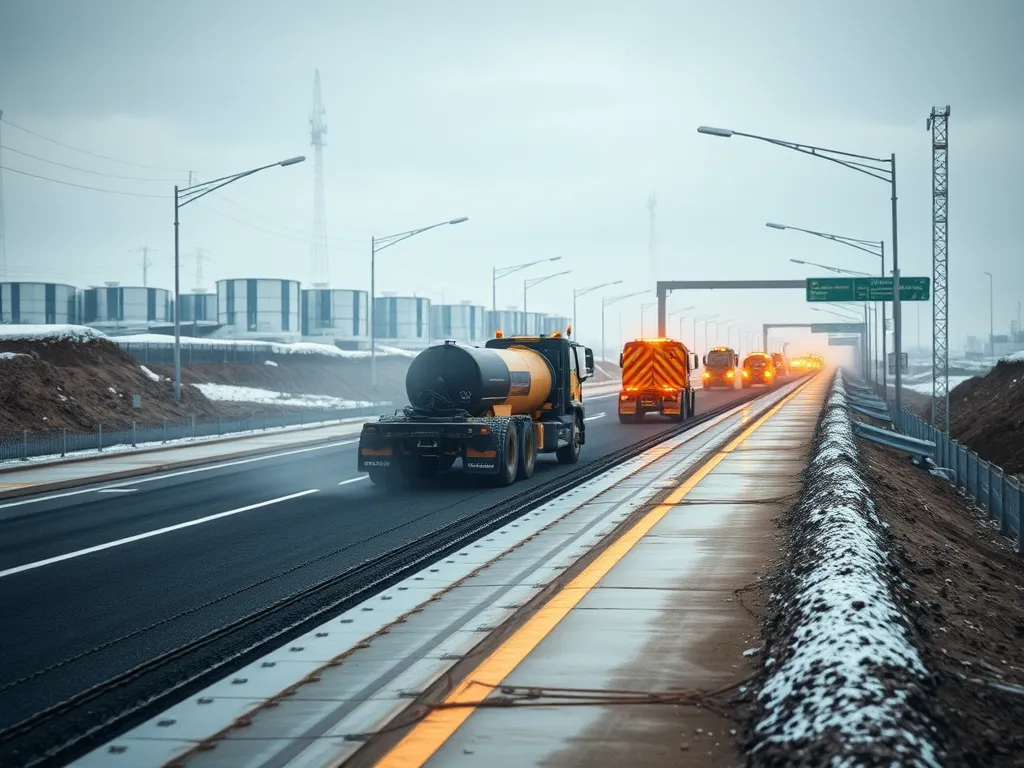
Weather shapes not just paving timelines but also ecological footprints. Extreme conditions drive energy use and material choices, creating ripple effects across projects and ecosystems.
Weather-related Energy Consumption
Heating asphalt in cold weather burns 15-20% more fuel per ton. Mix temperatures must stay above 50°F during placement to prevent premature stiffening. In contrast, summer projects face shorter cooling windows, requiring faster truck rotations to maintain 275-300°F mix temps. These demands spike diesel use by haul vehicles and plants. Warm-mix asphalt (WMA) technology cuts energy needs by lowering production temps 30-50°F, trimming CO2 emissions by up to 35%.
Sustainable Paving Practices
Contractors counter weather challenges with recycled asphalt pavement (RAP). Adding 20-30% RAP reduces virgin binder demand while maintaining PG 64-22 performance grades. Porous asphalt mixes, with 16-20% void spaces, handle heavy rains better than dense-graded surfaces. Solar-reflective coatings slash surface temps by 10-15°F in summer, curbing urban heat islands. Infrared patching in winter repairs potholes without full-depth removal, saving 40% material waste.
These strategies show how crews adapt to climate stressors while cutting resource use. Next, we’ll tackle common contractor questions about weather thresholds and material limits.
FAQ: Weather and Asphalt Paving
At What Temperature Should You Not Lay Asphalt?
Paving should not occur when ground temperatures fall below 50°F. In some circumstances, using warm-mix asphalt additives can allow installation at temperatures as low as 40°F, but this depends on specific regional conditions and the project requirements.
How Does Rain Affect Freshly Paved Asphalt?
Rain during the paving process can compromise the stability and bonding of the asphalt mix, leading to weak structural integrity. It can wash away key materials and result in rutting and cracking due to trapped moisture, making it critical to avoid fresh asphalt work in wet conditions.
Can Humidity Delay Asphalt Projects?
Yes, high humidity levels can significantly delay asphalt projects, as moisture in the air slows the evaporation of water from the asphalt binder. This increased curing time can also lead to inadequate bonding and compaction results if not addressed properly.
What’s the Ideal Temperature Range for Paving?
The ideal temperature range for laying asphalt is typically between 50°F and 90°F. For hot mix asphalt (HMA), surface temperatures should ideally be maintained between 275°F and 300°F during delivery and application to ensure proper workability and compaction.
Closing Thoughts
Weather plays a significant role in asphalt paving operations. Temperature, humidity, and precipitation can severely impact both the quality and durability of asphalt surfaces. Understanding these factors is crucial for successful paving.
Employing the right strategies—like monitoring temperature ranges, planning for moisture conditions, and adapting to wind effects—can help contractors achieve optimal results. By prioritizing weather considerations, you enhance project efficiency and increase the longevity of asphalt pavements.
For more information about asphalt paving and the impact of weather conditions, visit Asphalt Calculator USA.
Additional Resources for You:
- Kett, I. (1999). Asphalt Materials and Mix Design Manual. Oxford: Elsevier Science.
- The Impact of Weather on Asphalt (+ How to Protect Your Pavement)
- (PDF) THE IMPACT OF RAINFALL DURING ASPHALT PAVING OPERATIONS -TECHNICAL NOTE
- The Impact of Weather on Asphalt Paving: Best Practices for Hot and Cold Climates – Bennett Paving
- How Does Weather Affect Asphalt Pavement? | Bituminous Roadways Blog