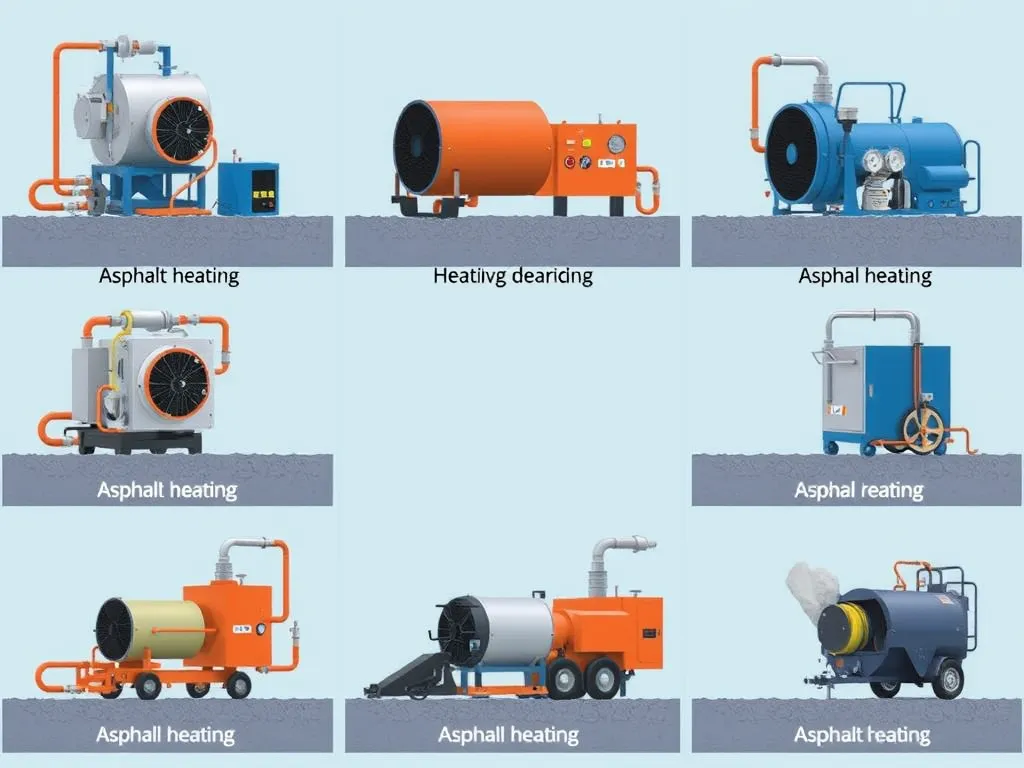
Mastering Temperature Control in Asphalt Heating: Techniques for Durable Roads
Published on: April 24, 2026 | Last Updated: April 14, 2025
Written By: George Voss
Temperature control techniques in asphalt heating are precise methods to maintain heat levels during production and paving. Proper management ensures the asphalt mix stays workable, bonds correctly, and achieves long-term durability. These techniques vary from direct flame applications to indirect thermal systems, each suited for specific project needs. Modern innovations like infrared heaters and real-time temperature monitoring systems boost accuracy while preventing binder degradation. Maintaining temperatures between 275°F and 325°F during mixing preserves the asphalt’s viscosity and density – critical factors for pavement strength.
This article breaks down core temperature control strategies used in asphalt projects. Learn about heating equipment like hot boxes and thermal blankets, best practices for cold-weather paving, and how new sensor technologies reduce energy waste. We’ll also explore why exceeding 350°F risks damaging the binder and how to avoid common temperature-related paving errors.
Importance Of Temperature Control in Asphalt Heating
Heat levels shape asphalt quality from mix to mat. Proper heat keeps binders stable and surfaces strong. Even small shifts change how asphalt flows, packs, and lasts.
Impact on Asphalt Properties and Performance
Hot mix asphalt needs 275-325°F for ideal viscosity. Below 250°F, binders stiffen – causing poor bonding and air gaps. Above 350°F, binders break down, losing 40% strength. Performance Graded (PG) binders fail if heated wrong, leading to cracks in cold or rutting in heat.
Consequences Of Improper Temperature Management
Cold spots create weak zones prone to potholes. Hot zones burn binders, raising repair costs by $15k per mile. Thermal segregation – uneven cooling – cuts road life by 50%. Wasted fuel from reheating adds 20% to job costs.
To dodge these risks, crews use tested heat methods. Next, we break down the top tools for steady temps.
Primary Temperature Control Methods for Asphalt Heating
Two main approaches dominate asphalt heating: direct and indirect. Each has distinct tools and impacts on mix quality. Selecting a method depends on project scale, climate, and asphalt type.
Direct Heating Techniques
Direct heating applies thermal input straight to asphalt. This method works fast but demands strict monitoring to avoid burning PG binders (performance-graded asphalt cement). Common tools include infrared radiant units, propane burners, and hot oil jacketed tanks.
Tools and Application Scenarios
Specific machinery suits distinct tasks. Infrared units target spot fixes, while propane systems handle small paving jobs. Hot oil tanks maintain mix warmth during delays. See typical uses below:
| Machinery Type | Heat Output Range | Typical Uses |
|---|---|---|
| Infrared Radiant Units | 300-500°F | Pothole patches, crack filling |
| Propane Burner Systems | 250-400°F | Driveway paving, parking lots |
| Hot Oil Jacketed Tanks | 275-350°F | Mix storage, winter paving |
Indirect Heating Techniques
Indirect heating warms asphalt via a medium like thermal oil or steam. This shields mix from direct flames, cutting scorch risks. It’s favored for large projects needing tight temp control, such as highways built with Superpave mix designs.
Advantages for Consistent Thermal Distribution
Indirect systems spread warmth uniformly, vital for binder integrity. Thermal oil units hold temps within ±10°F of targets, avoiding cold spots that trigger premature cracking. This method also cuts fuel use by 15-20% versus direct heating in many cases.
Picking between direct and indirect options shapes both short-term project success and long-term pavement durability. Upcoming parts will look at vital tools for maintaining asphalt at optimal temps during all phases.

Essential Equipment for Asphalt Temperature Management
Proper temperature regulation requires specialized tools designed for precise thermal control. These systems ensure mix workability while preventing binder oxidation or stiffening during transport.
Portable Asphalt Heating Units
Propane or diesel-powered units deliver on-site flexibility for small repairs or remote projects. Built with burners reaching 325-375°F, they reheat cold patches without scorching binders. Models with digital thermostats enable ±10°F accuracy, critical for maintaining PG 64-22 performance.
Infrared Heating Systems
Radiant heat technology targets surface prep needs with zero direct flame contact. Infrared panels heat existing pavement to 280-320°F, bonding new layers while eliminating moisture. Systems like the Heatwurx RX-700 reduce thermal segregation risks, boosting joint durability by 40% compared to torch methods.
Asphalt Hot Boxes and Thermal Blankets
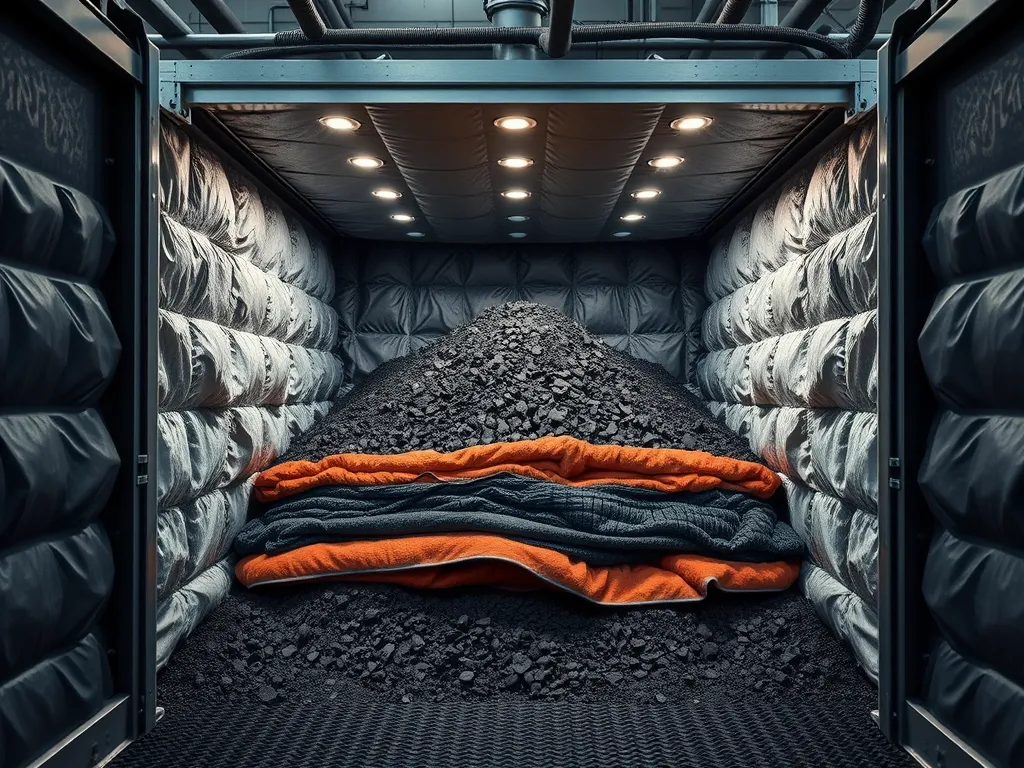
Insulated hot boxes store mix at 250-300°F for up to 72 hours using dual-walled designs with ceramic fiber. Thermal blankets made from fiberglass or silica fabrics retain surface heat during curing, slowing cooling rates to 2-3°F per minute. This prevents premature stiffening in lifts thicker than 2 inches.
Batch Plant Heating Mechanisms
Drum mixers with counterflow burners heat aggregates to 275-325°F before binder injection. Heat exchangers in batch plants recycle exhaust gases, cutting fuel use by 15%. Temperature probes linked to PLCs adjust burner outputs, keeping mixes within PG grade specs during 8-hour production runs.
With the right equipment in place, focus shifts to tracking thermal metrics. Next, we’ll explore tools for monitoring mix temps from plant to pavement.
Also See: Quality Control Measures in Aggregate Production
Temperature Measurement and Tracking Tools
Exact heat checks keep asphalt strong and workable. Three tools lead this task.
Infrared Thermometers for Top Layer Scans
Infrared tools check top heat fast with no touch. Crews use them for quick scans on roads or pads. They show temps from -40°F to 1022°F. But they can’t read heat inside the mix. Most have ±5°F accuracy. Costs range from $50 to $200 per unit.
Thermocouples for Core Heat Checks
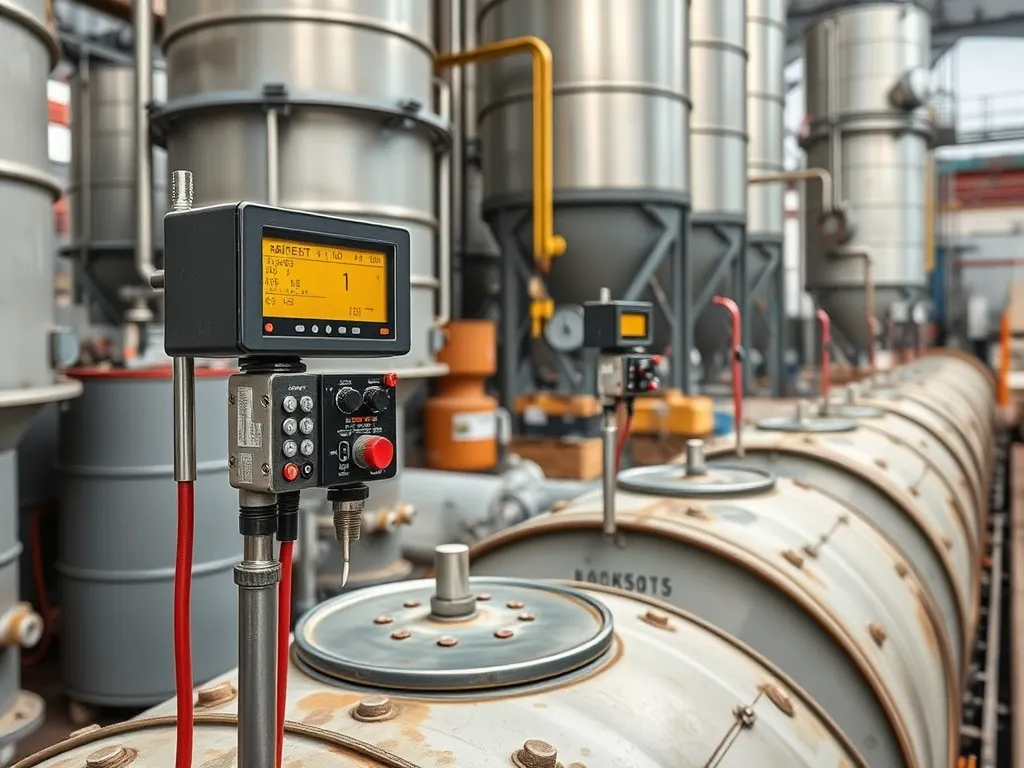
Thermocouples track heat deep in the mix. Push the probe in during lay or cure. These sensors link to read-outs via wires. They react in 2-5 seconds and handle up to 600°F. Place them in trucks, drums, or fresh mats for live data.
Resistance Trackers (Rtds)
RTDs use thin metal strips that shift charge with heat shifts. They give stable reads within ±2°F. More costly than probes, but last 5-10 years. Set them in plant drums, tanks, or silos for 24/7 tracking. Some models link to plant controls for auto heat tweaks.
With these tools in place, crews can track heat at each step. Next, we’ll break down the best heat zones for mixing and paving.
Optimal Temperature Ranges for Asphalt Heating
Hitting right temps forms a strong bond between aggregates and binders. Mixing too cold causes poor coating. Too hot damages bitumen. Both scenarios impact pavement longevity.
Ideal Temperatures for Mixing and Laying
Hot-mix asphalt (HMA) needs 280°F to 325°F during mixing. Laying requires 250°F to 300°F surface temps. PG 64-22 binders work best at 290°F ±15°F. Warm-mix additives let crews drop mixing temps by 50°F, cutting fuel costs 20-30%. Cold spots below 225°F risk incomplete compaction.
| Material Type | Mixing Temp (°F) | Laying Temp (°F) |
|---|---|---|
| Dense-Graded HMA | 290-325 | 275-300 |
| Stone Matrix Asphalt | 305-330 | 290-310 |
| Warm-Mix Additive | 250-275 | 230-260 |
Temperature Limits to Prevent Binder Degradation
Bitumen starts oxidizing above 350°F. This weakens binding power, causing raveling and cracking. Infrared scans flag areas surpassing 340°F. For modified binders (PG 76-xx), max temps hit 375°F but require constant agitation. Trucks must maintain mix at 275°F minimum during hauling to avoid thermal shock.
Managing heat during paving impacts long-term road quality. Next, learn tactics to hold temps steady from plant to pavement.
Best Practices for Job Site Temperature Control
Effective temperature management during asphalt placement requires precise execution. Three key strategies ensure mix integrity from plant to pavement.
Preheating Equipment and Surfaces
Start by heating delivery trucks, paver screeds, and rake beds to 250°F-300°F. Infrared radiant heaters or propane-fired hot air blowers prevent thermal shock when hot asphalt (typically 275°F-325°F) contacts cold metal. Preheated surfaces maintain mix viscosity for proper compaction. Cold steel can drop asphalt temperatures by 15°F-20°F instantly, risking premature binder hardening.
Timing Strategies for Material Transfer
Coordinate truck arrivals with paver speed to avoid standby losses. Asphalt loses 25°F-50°F per hour in open trucks. Use GPS tracking systems to sync deliveries within 15-minute windows. Transfer mix directly from truck to paver with quick-release tailgates. For long hauls, employ shuttle buggies with insulated beds to preserve heat during material transfer.
Insulation Methods During Transportation
Double-wall steel dump trucks with ceramic-fiber insulation retain heat better than standard models. Add 2-inch layered thermal blankets rated for 600°F during transport. Hot boxes maintain mix at 250°F-300°F for 72 hours using diesel burners. Insulated storage silos at job sites keep temperature drops below 5°F per hour, critical for PG 64-22 binders.
Proper job site protocols set the stage for durable pavement. Next, we’ll examine how eco-friendly approaches complement these temperature control techniques.
Environmental Considerations in Asphalt Heating
Balancing operational needs with ecological responsibility shapes modern asphalt heating practices. Proper temperature control reduces waste while meeting EPA standards for construction projects.
Energy Efficiency Improvements
Modern plants achieve 12-18% fuel savings through precise burner adjustments and heat recovery systems. Warm-mix asphalt (WMA) technologies lower production temps by 20-55°F compared to traditional hot-mix methods. Insulated storage silos maintain mix temperatures above 275°F for 72 hours, slashing reheating energy needs. Solar-powered thermal blankets now keep stockpiles at 200°F during overnight holds without diesel consumption.
Emission Reduction Strategies
Lowering mix temperatures from 300°F to 275°F cuts CO2 output by 15% per ton. Advanced baghouse filters capture 99% of particulate matter below 10 microns. Plants using recycled asphalt pavement (RAP) at 30% blends reduce volatile organic compound (VOC) emissions by 40%. Electric infrared heaters eliminate on-site fumes during small repairs, meeting urban air quality regulations.
These sustainable approaches set the stage for tackling weather-related challenges. Next, we’ll examine cold weather adaptations that maintain mix integrity below freezing points.
Cold Weather Temperature Management
Working with asphalt in cold conditions demands strict protocols. Suboptimal thermal conditions can trigger premature cooling, compromising structural integrity. Special tactics maintain workability during winter operations.
Minimum Temperature Thresholds for Paving
Most road agencies prohibit paving below 50°F (10°C) for ambient and surface conditions. Modified binders allow work at 40°F (4°C) with polymer additives. PG (Performance Graded) binders like PG 58-28 withstand lower temps due to high viscosity at 28°F (-2°C). Mixes cooling too fast lack compaction, hitting 85% density or lower—far below 92% minimum targets. Thermal differentials exceeding 25°F (14°C) between layers risk reflective cracking within two freeze-thaw cycles.
Winter-specific Heating Adaptations
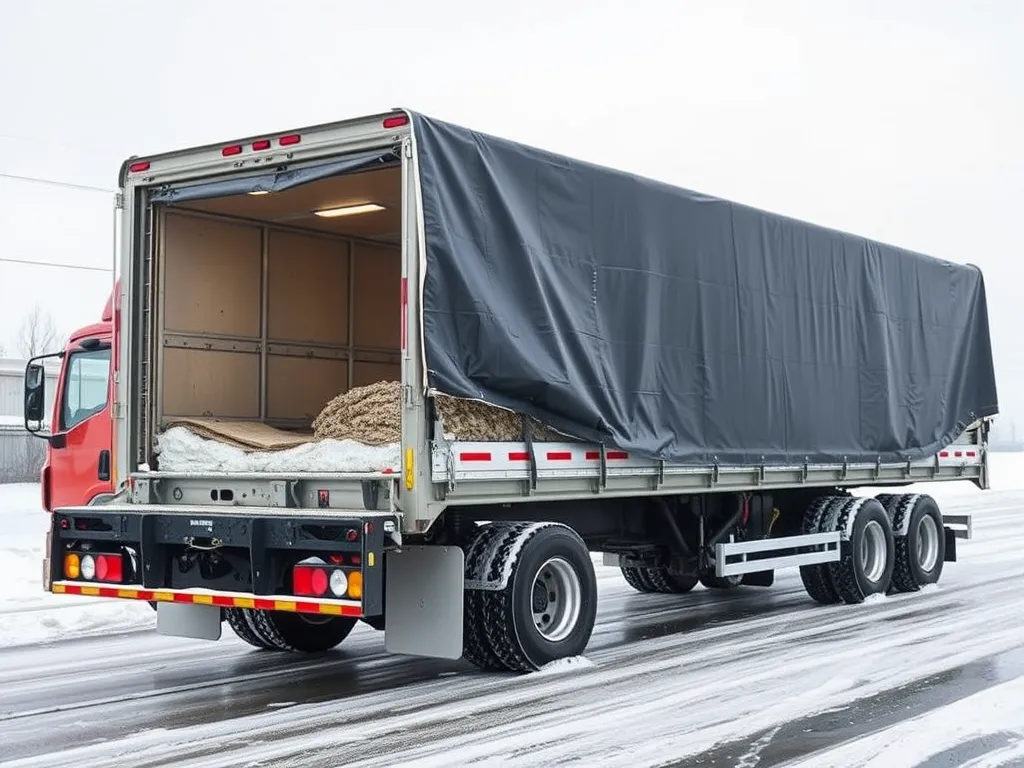
Infrared radiant heaters boost ground temps by up to 50°F (28°C) before laying mixes. Hot boxes store material at 275-300°F (135-149°C), while thermal blankets hold heat post-placement. Pre-heating truck beds to 200°F (93°C) stops mix crusting. Raising mix temps by 25°F (14°C) above standard targets offsets cold weather cooling rates—but avoid crossing 325°F (163°C) to limit binder oxidation. Adding 1.5% cellulose fibers or 3% crumb rubber extends workability windows by 20 minutes in 40°F (4°C) air. Insulated transfer vehicles with double-layered tarps cut transit heat loss by 15%.
Managing cold weather paving requires balancing mix modifications, insulation, and thermal tools. Up next: common questions on maintaining ideal asphalt temps during placement and curing.
FAQs: Asphalt Heating Temperature Control
How Can One Reduce Heat Loss From Asphalt During Application?
To minimize heat loss from asphalt during application, it’s essential to preheat equipment and materials, utilize insulated transport vehicles, and cover the asphalt with thermal blankets immediately after placement. Additionally, coordinating the delivery of asphalt with the paving operation helps reduce the time it sits in open air, thus preserving its temperature.
What Temperature is Considered Too Cold to Lay Asphalt?
Most road agencies recommend that ambient and surface temperatures should be above 50°F (10°C) for standard asphalt laying. However, modified binders can be laid at temperatures as low as 40°F (4°C). Below these temperatures, the risk of poor compaction and premature cooling increases.
How Hot Does Asphalt Get on a 90-degree Day?
On a 90-degree day, asphalt can reach temperatures significantly higher than the air temperature, often exceeding 150°F (65°C) or more, depending on the type of asphalt mix and its exposure to direct sunlight. This can sometimes pose challenges for handling and paving.
What Determines Temperature Susceptibility in Asphalt Binders?
The temperature susceptibility of asphalt binders is influenced by their chemical composition, performance grade, and additives. Binders with higher polymer content or those classified under specific performance grades (like PG 64-22) are designed to resist thermal degradation, while standard binders may be more susceptible to temperature fluctuations.
Closing Thoughts
Temperature control is vital in asphalt heating. It directly influences the properties and longevity of the asphalt mix, ensuring smooth installations and lasting performance. Utilizing proper heating methods and monitoring tools helps maintain ideal temperatures, especially in varying environmental conditions.
Implementing best practices, such as preheating and insulation, minimizes heat loss. This not only enhances project efficiency but also contributes to sustainability by reducing emissions during the heating process. As weather conditions change, adjusting temperature management techniques is essential to preserve the quality of the asphalt.
For further insights and detailed guidance on asphalt heating practices, visit Asphalt Calculator USA.