
Temperature Resistance in Bitumen Applications for Asphalt
Published on: April 24, 2026 | Last Updated: April 14, 2025
Written By: George Voss
Temperature resistance in bitumen refers to its ability to handle extreme heat or cold without cracking, softening, or losing strength. This property keeps asphalt roads stable in desert heat above 50°C (122°F) and prevents cracks in sub-zero winters. Bitumen achieves this through Performance-Graded (PG) classifications like PG 64-10, which works in temperatures from -10°C to 64°C (14°F to 147°F).
This article breaks down how temperature resistance affects asphalt durability. You’ll learn why binder grades matter, how polymers like SBS styrene-butadiene-styrene improve heat tolerance, and why mixing temperatures hit 150-190°C (302-374°F). We’ll also compare hot mix vs. warm mix methods, explore solutions for highways in extreme climates, and share eco-friendly practices like cutting emissions during production.
Understanding Temperature Resistance in Bituminous Materials
Bitumen keeps roads strong in heat and cold. Its skill to handle temp shifts defines asphalt life span. This trait stops roads from cracking or bending under stress.
Thermal Resistance Of Bitumen in Asphalt
Bitumen’s heat fight comes from crude oil sources and mix design. PG (Performance Grade) binders rate this. A PG 64-16 grade works from 64°C to -16°C. High thermal guard stops rutting in summer heat. Low temp flex stops cracks when cold hits.
Temperature Susceptibility Of Asphalt Binders
Binders change with temps. The Pen Index (penetration index) shows this shift. A low Pen Index means less temp risk. VTS (viscosity-temp slope) tests track flow at 60°C and 135°C. Binders with steep VTS fail fast under heat stress.
Impact of Softening Point on Performance
Soft point tests (Ring and Ball) spot when bitumen sags. Roads need soft points 45-60°C. High points boost heat fight but may stiffen in cold. Modifiers like SBS polymers lift soft points by 10-15°C without brittleness.
Proper temp control during road builds shapes long-term strength. Next, heat levels during mix and lay decide bond power.
Heating and Application Temperatures for Asphalt
Proper temperature control during asphalt production directly impacts the performance of temperature resistant asphalt mixes. Heating bitumen to precise levels ensures optimal viscosity for binding aggregates while maintaining heat tolerance in asphalt surfaces.
Optimal Heating Temperatures for Bitumen
Bitumen requires heating between 150°C and 180°C (302°F–356°F) to achieve ideal fluidity. Exceeding 190°C degrades polymer modifiers in heat resistant bitumen, reducing asphalt temperature tolerance. PG 64-22 binders—common in temperature resistant asphalt—perform best at 155–165°C. Thermal stability depends on maintaining this range to prevent premature hardening or oxidation.
Application Temperature Ranges for Asphalt Mixes
Hot mix asphalt (HMA) requires placement at 140–160°C (284°F–320°F) for proper compaction. Below 135°C, the mix loses workability, risking weak bonds between aggregates and bituminous materials. Warm mix asphalt (WMA) uses additives like Sasobit or Evotherm to lower application temps to 120–140°C, preserving heat resistance asphalt properties while cutting energy use by 20–30%.
Hot Mix vs. Warm Mix Asphalt Temperature Requirements
HMA’s higher temps enhance density, critical for rut resistance in high-traffic zones. WMA trades 15–30°C lower heating for reduced emissions but demands strict quality checks to match asphalt temperature resistance standards. Both mixes rely on precise cooling curves—too rapid, and thermal cracks form; too slow, deformation risks rise. Contractors balance these factors based on climate, traffic loads, and project budgets.
Mastering thermal controls during installation sets up asphalt surfaces to withstand weather extremes. Next, let’s examine how temperature swings test these materials after placement.
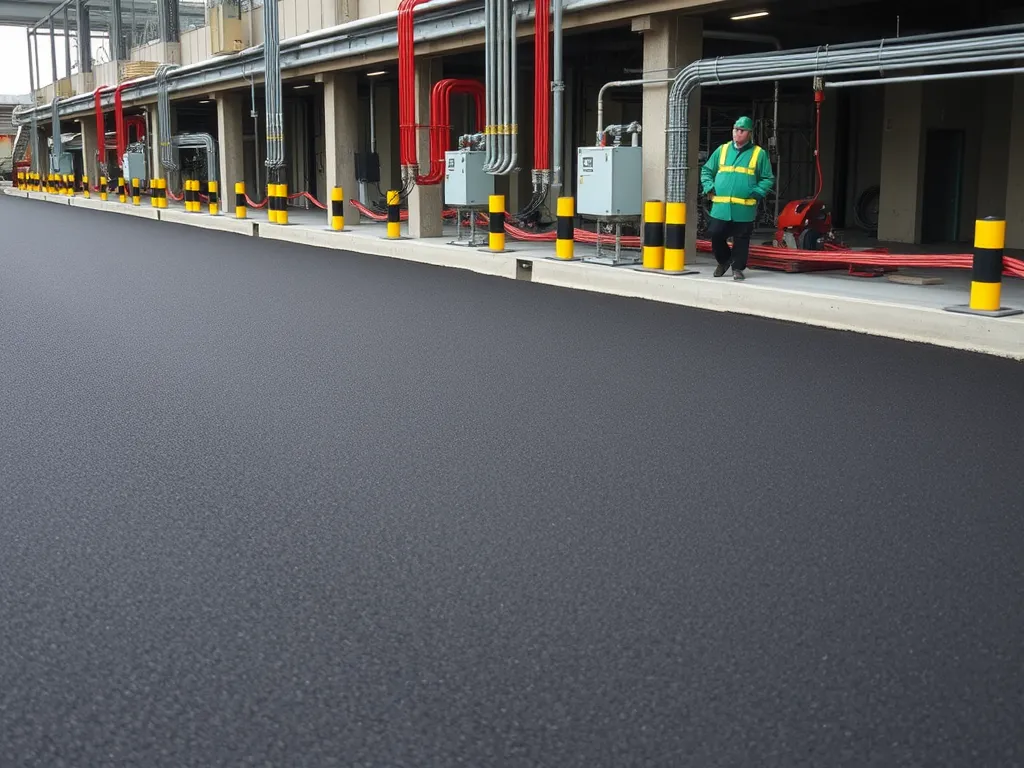
Effects Of Temperature Extremes on Asphalt
Asphalt’s ability to withstand varying climatic conditions depends on its bituminous materials’ temp resistance. Both high and low temps push pavements to physical limits, impacting structural integrity over time.
High-temperature Challenges
Bitumen softens as temps rise above 140°F, losing viscosity critical for binding aggregates. This leads to two primary failure modes in hot climates.
Rutting and Deformation in Hot Weather
Rutting—permanent grooves from vehicle loads—occurs when bitumen becomes too fluid. Polymer-modified binders (like SBS or crumb rubber) boost heat resistance asphalt mixes, maintaining stability at 160°F. PG 76-22 graded binders show 58% less rut depth vs conventional mixes in FHWA trials.
Low-temperature Risks
Below 50°F, bitumen stiffens, reducing flexibility. Thermal shrinkage creates internal stresses that surpass material strength thresholds.
Cracking and Brittle Fracture in Cold Climates
At -20°F, unmodified bitumen reaches its Fraass Breaking Point, fracturing under minimal strain. Warm mix additives (e.g., Sasobit® wax) allow compaction at 50°F lower temps, cutting cold-weather cracking by 40% in Minnesota DOT studies. PG 58-34 binders prevent cracks down to -34°F.
Choosing the right asphalt temperature resistant mix requires balancing local climate data with material science. Up next: how binder chemistry and construction methods adapt to thermal stresses.
Also See: The Role Of Base Layers in Asphalt Durability
Factors Influencing Temperature Resistance in Asphalt
Road performance under thermal stress depends on material choices, mix design, and structural engineering. Four elements determine how well pavements handle expansion, contraction, and deformation across seasons.
Binder Grade and Composition
Performance Grade (PG) binders set the foundation for thermal stability. PG 76-22 mixtures withstand 76°C surface temps while resisting cracking at -22°C. Bitumen sourced from heavy crude oils typically offers higher viscosity, improving heat tolerance. Modified binders with 5-7% polymer content boost the softening point by 15-25°C compared to unmodified variants.
Aggregate and Additive Selection
Crushed granite aggregates with 95% fracture faces provide better interlock than rounded gravel, reducing rutting by 30% in high-heat zones. Lime additives at 1-2% by weight lower moisture sensitivity, preventing thermal cracking from freeze-thaw cycles. Fibers like cellulose or polyester absorb excess binder, minimizing bleed-out during summer peaks.
Role of Polymer Modifiers
Styrene-butadiene-styrene (SBS) polymers create elastic networks within bitumen, expanding its service range from -34°C to 82°C. Ethylene-vinyl acetate (EVA) additives raise the ring-and-ball softening point to 65°C+, critical for intersections with heavy truck traffic. Polymer-modified mixes show 40% less thermal cracking versus conventional blends.
Layer System Design Considerations
Full-depth asphalt pavements (10-12 inches) distribute thermal stresses better than thin overlays. Base layers with 6% air voids allow space for thermal expansion, while dense-graded surface courses block heat penetration. Reflective crack relief layers using rubberized binders reduce thermal fatigue by 50% in extreme climates.
These material and design strategies set the stage for exploring specialized applications in high-stress environments. Next, we examine how engineered mixes perform in real-world scenarios.
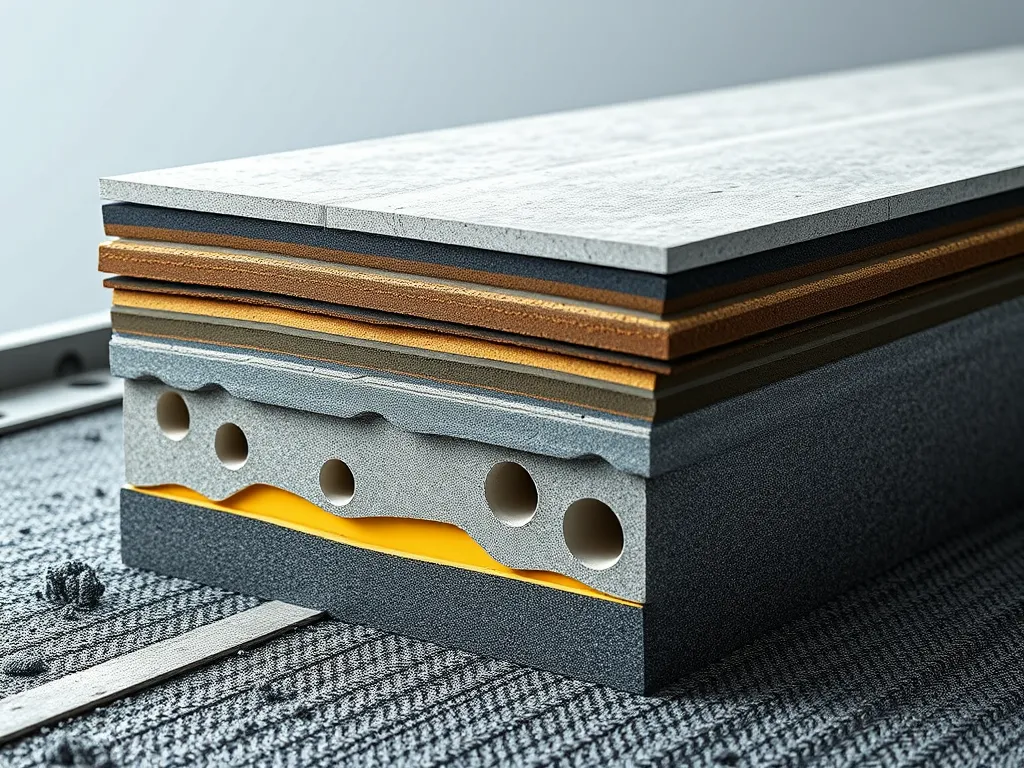
Temperature-resistant Asphalt Applications
Road builders use heat-resistant asphalt where surfaces face harsh temps. These mixes prevent rutting in summer heat and cracks in winter cold. Key uses span highways, city streets, and repair jobs.
High-traffic Roadway Pavements
Busy roads need asphalt that holds shape under heavy trucks and hot sun. PG 76-xx grade binders (performance-graded) handle temps up to 160°F. Stone matrix asphalt mixes add strength with high stone content and fiber grids.
Heat-Tolerant Asphalt Mixes for Highway Surfaces
Superpave mixes designed for specific climate zones boost heat tolerance. Texas DOT specs require 35% granite aggregate in hot regions. Polymer-modified binders cost 15-20% more but cut rut depth by 60% over standard asphalt.
Durable Surface Courses for Extreme Climates
Phoenix roads use rubberized asphalt to reflect heat and resist 120°F days. Cold zones like Alaska apply soft binders (PG 58-34) that flex at -40°F. Open-graded surfaces in wet areas shed water while staying crack-free.
Temperature-stable Repair Techniques
Infrared heaters reheat old asphalt to 300°F for seamless patches. Cold winter fixes use pre-mixed stockpile material with low-temp additives. Proper repair cuts repeat work by 70% in freeze-thaw zones.
Pothole Patching with Heat-Resistant Mixes
Hot mix asphalt for potholes needs 280-320°F temps during application. High-polymer patching compounds bond at 50°F ambient temps. Cities report 8-year lifespans with PMB (polymer-modified bitumen) patches vs 3 years for standard fills.
These heat-resistant methods set up roads to last. Next, we’ll examine how eco-friendly practices pair with temp-resistant asphalt builds.
Environmental and Safety Considerations
Temp resistant mixes aid both earth care and safe builds. They lower fumes when heated and let old roads find new life.
Emissions Reduction During Heating
Heating bitumen can send out fumes. But temp resistant types need less heat. Warm mix asphalt (WMA) cuts temps by 40°F, from 320°F to 280°F. This drop slashes CO2 by 15% and VOCs by 30%. New tech like foaming also trims energy use. Less heat means safer sites and cleaner air.
Recyclability Of Temperature-resistant Asphalt
Old asphalt gets new use in heat resistant mixes. Recycled asphalt pavement (RAP) blends well with fresh bitumen. Tests show mixes with 30% RAP match pure ones in heat fight. This reuse saves $25 per ton and keeps 1.8 tons from dumps per lane mile. Temp stable binders in RAP aid in hot and cold zones.
These green steps lead us to key questions on real-world use of temp resistant asphalt.
FAQs: Temperature Resistance in Asphalt Bitumen
What Temperatures Can Temperature-resistant Asphalt Withstand?
Temperature-resistant asphalt is designed to withstand a range of temperatures, specifically those outlined by Performance-Graded (PG) classifications. For instance, a PG 64-10 binder can perform optimally in temperatures between -10°C (14°F) and 64°C (147°F), while higher grades, like PG 76-22, can handle even more extreme conditions.
What is the Significance Of the Softening Point in Asphalt?
The softening point determines the temperature at which asphalt starts to lose its structural integrity and flow under stress. Asphalt with a higher softening point can resist deformation in high temperatures, while a suitably low softening point ensures flexibility in cold climates, preventing cracking.
Can Temperature-resistant Asphalt Be Recycled?
Yes, temperature-resistant asphalt can be recycled. Recycled asphalt pavement (RAP) is often blended with fresh bitumen to create new mixes while maintaining temperature resistance. This approach not only conserves resources but also reduces costs and environmental impact.
How Do Polymer Modifiers Enhance Temperature Resistance in Asphalt?
Polymer modifiers, such as styrene-butadiene-styrene (SBS), enhance the elasticity and temperature performance of asphalt. They allow the material to remain flexible at lower temperatures while increasing resistance to softening in hotter conditions. This results in decreased thermal cracking and improved durability.
What Role Do Aggregates Play in the Temperature Resistance Of Asphalt?
The type and quality of aggregates significantly affect the performance of asphalt at varying temperatures. High-quality, angular aggregates provide better interlock and resistance to rutting, while moisture-sensitive aggregates can lead to thermal cracking if not properly managed. The right mix can enhance the overall temperature resistance of the asphalt.
How Does Asphalt’s Temperature Resistance Affect Its Lifespan?
Asphalt with higher temperature resistance can better withstand extreme climatic variations, leading to reduced wear and tear over time. This ultimately results in a longer lifespan for the pavement, less frequent repairs, and lower overall costs associated with maintenance and resurfacing.
Closing Thoughts
Temperature resistance is a vital aspect of bitumen applications in asphalt. Understanding the thermal properties of bitumen helps ensure optimal performance in various conditions. High and low-temperature performance can significantly impact durability, leading to issues like rutting in the heat and cracking in the cold.
Choosing the right asphalt binder and aggregate, along with effective design considerations, can enhance temperature resilience. Innovative approaches, including polymer modifiers and heat-tolerant mixtures, ensure that asphalt performs reliably in extreme environments.
For a deeper exploration of asphalt applications and tools to assist with your projects, visit Asphalt Calculator USA. Equip yourself with knowledge that strengthens your work and optimizes results.
Additional Resources for You:
- Transportation Research Board (TRB, Peer-Reviewed Research & Circulars)
- Thermal Insulation: Harnessing Bitumen’s Heat Resistance Properties – FasterCapital
- Effect of the bitumen type on the temperature resistance of hot mix asphalt – ScienceDirect
- Effect of temperature and chemical additives on the short-term ageing of polymer modified bitumen for WMA – ScienceDirect
- Bitumen – Wikipedia

