Safety Standards for Asphalt Playgrounds
Published on: April 10, 2026 | Last Updated: April 14, 2025
Written By: George Voss
Safety standards for asphalt playgrounds ensure durable, shock-absorbing surfaces that reduce injury risks. Unlike rubber or wood chip surfaces, asphalt requires specific thickness (3-4 inches) and compliance with ASTM F1292 impact tests. Public playgrounds must follow Consumer Product Safety Commission (CPSC) guidelines and regional codes like California’s Title 23 specifications. These rules address surface smoothness, drainage, and heat resistance to protect children during play.
This article breaks down key safety protocols for asphalt playground surfaces. We cover ASTM F1292 impact standards, CPSC surface maintenance rules, and regional codes like California’s Title 23. Learn how to inspect for cracks, drainage problems, and thickness issues. Find solutions for common violations, including uneven surfaces. Explore heat mitigation techniques using cool pavements or recycled materials. Get answers to FAQs about 2021 regulation changes.
Introduction to Asphalt Playground Safety
Surfacing materials directly influence injury prevention on playgrounds. Asphalt requires precise engineering to balance durability with shock absorption. Governing bodies like ASTM International set benchmarks through specifications such as ASTM F1292. These protocols govern surfacing thickness, slope, texture, & thermal properties.
Why Asphalt Playground Safety Standards Matter
Unregulated surfacing contributes to 67% of playground injuries linked to falls. Standards minimize concussions, fractures, & lacerations by enforcing impact attenuation. Properly designed surfacing reduces peak deceleration forces below 200g during falls from equipment. Compliance also shields schools from liability under premises liability laws.
| Risk Factor | Safety Solution |
|---|---|
| High-impact falls | 6-inch compacted base + 2-inch asphalt layer |
| Surface temperatures >140°F | CoolSeal coatings (reflectivity ≥29) |
| Crack-induced trips | Biannual sealcoating |
Key Risks Addressed by Safety Guidelines
Impact injuries remain the top concern. Asphalt’s rigidity requires testing with devices like the Triax 2015b impact sensor. Thermal burns rank second, with surfacing temps exceeding 135°F in direct sun. Guidelines enforce shade structures or reflective sealants. Tripping hazards from cracks >½ inch wide & poor drainage leading to icy patches must be remedied within 48 hours.
Next, we’ll explore how ASTM’s technical specifications translate into surfacing practices.
Compliance With ASTM Standards for Asphalt Playgrounds
ASTM rules set the base for safe play surfaces. These specs focus on impact safety, wear, and long-term use. All asphalt playgrounds must meet these to guard kids from harm.
ASTM F1292: Impact Attenuation Needs
ASTM F1292 tests how well surfaces soften falls. It uses a tool to drop a weight and measure G-force. For asphalt, max G-force must stay below 200. Head injury risk (HIC) should not top 1,000. This keeps falls from 12 feet safe.
How Asphalt Thickness Meets ASTM Rules
Thick asphalt spreads impact force. ASTM links depth to shock absorption. A 4-inch layer cuts G-force by 18% vs 3-inch. Proper depth stops cracks that weaken safety.
Least Thickness Tips for Asphalt Surfaces
Use 3.5-4 inches for play zones with gear over 6 feet tall. For slides or swings, add 0.5 inches. Cold states need 5-inch layers to fight freeze-thaw cracks. Check depth every 6 months with core drills.
Next, we’ll break down CPSC rules that build on ASTM specs for full safety plans.
CPSC Public Playground Safety Handbook Guidelines
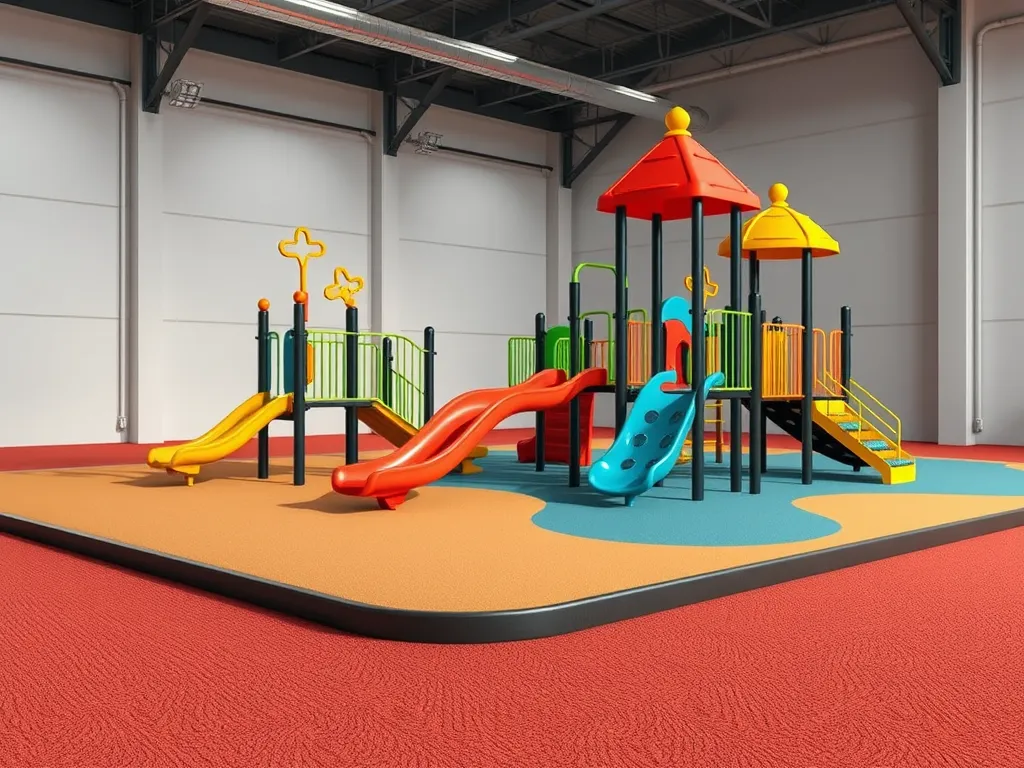
The CPSC Public Playground Safety Handbook sets key rules for asphalt play areas. It focuses on fall safety, heat risks, and surface flaws that could harm kids. Over 200,000 U.S. playground injuries each year make these rules vital for schools and parks.
Critical Safety Rules for Asphalt Playgrounds
Asphalt must pass three main safety checks:
| Rule | Spec | Why It Matters |
|---|---|---|
| Fall height | Max 12 ft | Limits head injury risk |
| Surface temp | Below 80°F | Prevents burns |
| Gap width | Under 0.25 in | Stops trip hazards |
Use PG 64-22 asphalt mix for better crack control. Check depth with a core drill every 6 months.
Surface Maintenance Requirements
Fix flaws fast to keep play zones safe:
| Issue | Action | Time Frame |
|---|---|---|
| Cracks >1/4 in | Fill with rubberized seal | 48 hours |
| Potholes | Patch with hot mix | 7 days |
| Pooled water | Add drain slots | 24 hours |
Slope asphalt at 2% for drainage. Test surface grip with a British Pendulum Tester each season.
While federal rules set the base, local codes may add stricter steps. Let’s see how states like California tweak these standards.
Also See: Roman Empire Asphalt Construction: Ancient Road Techniques
Regional Safety Regulations
Local rules shape asphalt playground safety beyond national benchmarks. Climate, traffic patterns, and material availability drive variations in codes. Jurisdictions often layer extra mandates to address regional risks like extreme heat or heavy foot traffic.
California-specific Standards for Asphalt Playgrounds
California’s Playground Safety Regulations (CPSR) set strict asphalt surfacing rules. Surfaces must stay below 135°F during peak heat, enforced through shade mandates or reflective coatings. Title 24 requires recycled rubber-modified asphalt in public parks to boost impact absorption. Binder materials face VOC limits below 50g/L to limit fumes near play equipment. Lead content in asphalt mixes cannot exceed 40ppm under Prop 65.
School Playground Compliance Mandates
Public school asphalt surfaces must meet ADA slope limits (1:48 max) and tactile warnings near equipment. Fall zones extend 6ft beyond swings or slides, requiring 4-inch asphalt depths with PG 64-22 binder for flexibility. States like Texas mandate annual impact testing (G-max ≤200), while New York enforces 3.5-inch minimums under high-traffic zones. Federal grants tied to Title I funding demand quarterly crack inspections with gaps under 0.25 inches.
Next, regular checks keep these surfaces safe. Let’s explore inspection methods that catch risks before they escalate.
Asphalt Playground Inspection Protocols
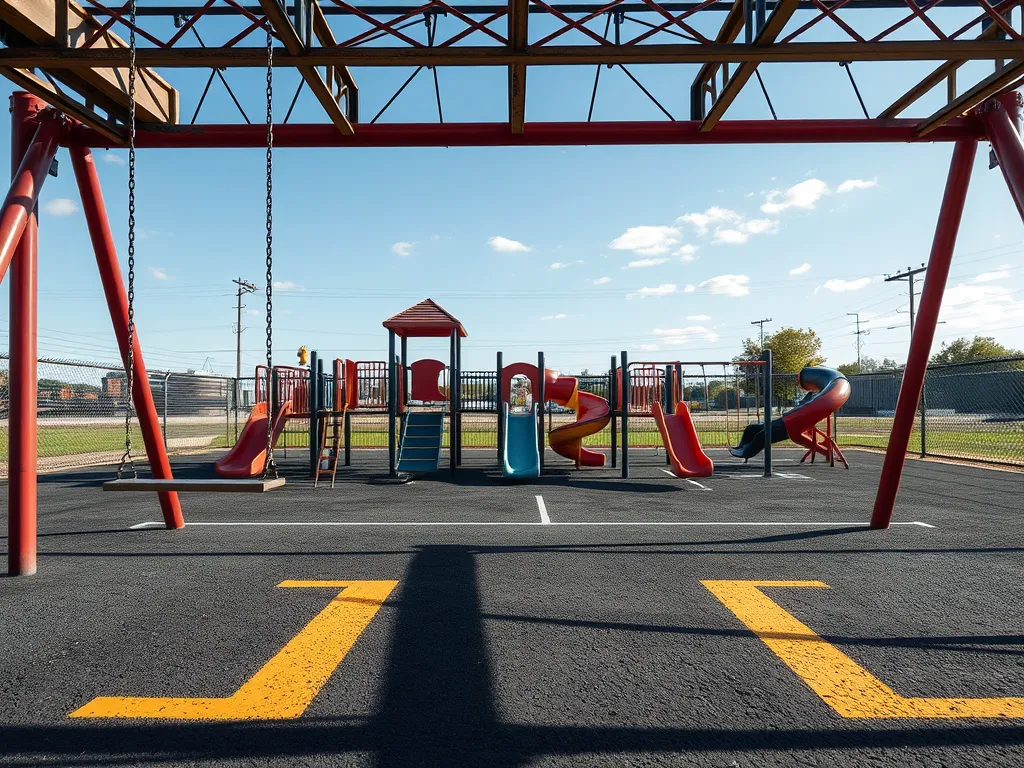
Regular audits form a critical part of maintaining safety standards for asphalt playgrounds. Following CPSC Public Playground Safety Handbook guidelines, institutions must adopt systematic inspection routines to spot risks early.
Frequency Of Safety Audits
Monthly visual scans catch minor flaws. Full audits by certified inspectors should occur at minimum twice annually – prior to peak play seasons (spring/summer) and post-harsh weather (winter). Schools in high-traffic zones may opt for quarterly checks. California Title 24 mandates annual professional inspections for public asphalt playgrounds.
- Daily: Staff scan for trash, sharp objects
- Monthly: Document crack growth, drainage blockages
- Annual: Test impact absorption using ASTM F1292-compliant tools
Identifying Surface Cracks &Amp; Drainage Issues
Cracks wider than 1/4 inch fail safety guidelines for asphalt playgrounds. Pooling water signals grading flaws – slopes should maintain 1-2% pitch toward drains. Inspectors use straightedges to find low spots and digital inclinometers to verify slope accuracy.
Common repair triggers:
- Alligator cracking spanning 10+ square feet
- Raveling surfaces with loose aggregate
- Clogged drains causing 48-hour puddles
Infrared patching fixes 85% of minor cracks under 1/2 inch width. Full-depth replacements cost $4-$7 per square foot but last 8-12 years.
Spotting flaws early cuts long-term costs by 60%. Up next: fixing common violations that slip through inspections.
Common Safety Violations &Amp; Remediation
Even with strict safety guidelines for asphalt playgrounds, violations persist. Two frequent issues threaten compliance: insufficient pavement thickness and surface defects. Both demand swift action to prevent injuries.
Non-compliant Asphalt Thickness Solutions
Asphalt playground surfacing below 3.5 inches fails ASTM F1292 impact attenuation tests, increasing head injury risks. Thinner layers crack faster under equipment loads. Remediation methods vary by severity:
| Solution | Application | Cost/Sq.Ft | Lifespan |
|---|---|---|---|
| Overlay with PG 64-22 binder | Minor deficits (0.5-1″) | $3.50-$6.50 | 8-12 years |
| Full-depth replacement | Severe deficits (>1″) | $8-$12 | 15+ years |
Polymer-modified overlays add durability without full excavation. For playgrounds with drainage issues, install a 2″ aggregate base before resurfacing.
Repairing Hazardous Surface Irregularities
Cracks wider than 0.25 inches or elevation changes exceeding 0.5 inches violate CPSC safety asphalt playground rules. Tripping hazards spike near seams or equipment bases. Use these fixes:
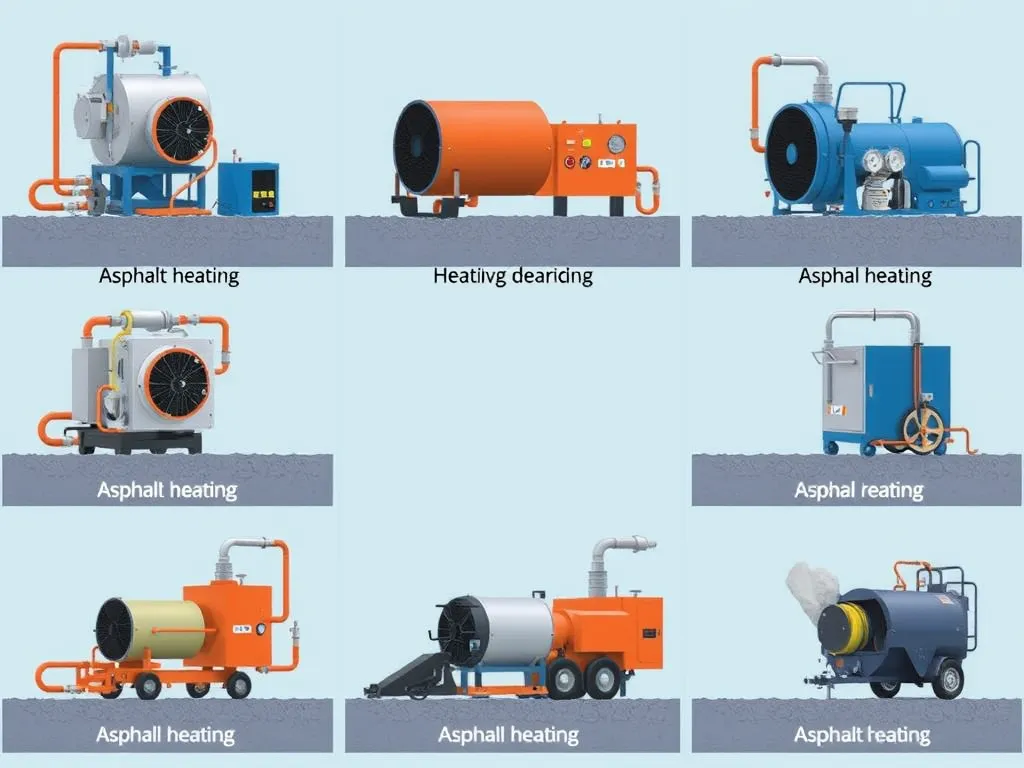
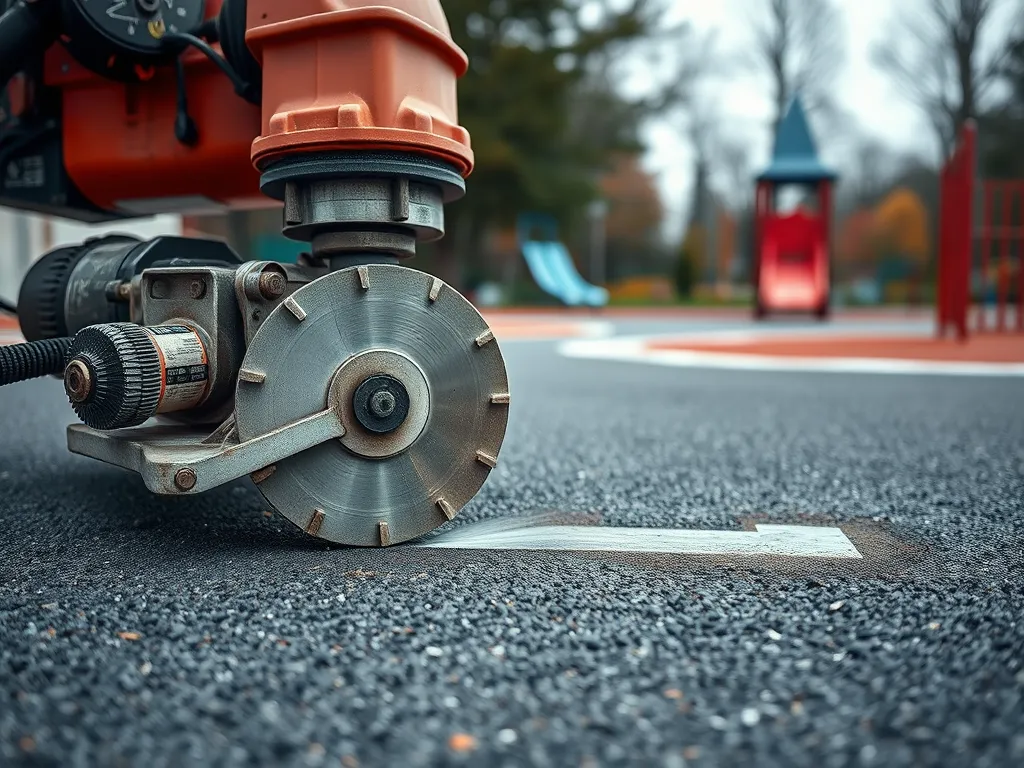
- Infrared patching: Heats existing asphalt to 300°F, blending new material seamlessly. Eliminates edge lips in 20 minutes per patch.
- Slurry seals: Mixes CRS-2P emulsion with fine aggregates to fill cracks under 0.75 inches. Cures in 4-6 hours.
- Diamond grinding: Levels uneven surfaces at 1/8″ precision. Ideal for addressing ponding water near slides or swings.
Annual infrared thermography scans detect subsurface voids before they become visible hazards. Addressing these issues keeps asphalt playground safety measurement within legal limits.
Beyond physical repairs, surface temperatures and material choices also impact safety. Next, we examine balancing durability with environmental needs.
Environmental Considerations for Asphalt Surfacing
Balancing safety standards for asphalt playgrounds with environmental responsibility requires addressing heat retention and material sustainability. Proper strategies ensure surfaces stay safe during extreme weather while reducing ecological impact.
Heat Mitigation Strategies
Asphalt surfaces can reach temperatures exceeding 140°F in direct sunlight, posing burn risks. To comply with safety guidelines for asphalt playgrounds, installers use light-colored coatings or aggregate mixes that reflect solar radiation. ASTM D7864 specifies maximum surface temperatures for paved areas, recommending materials like high-albedo asphalt or permeable mixes that lower heat absorption by up to 25%.
Shade structures covering at least 30% of play zones further reduce thermal exposure. Integrating drainage systems with cooling layers beneath the asphalt base also helps regulate temperature spikes. These measures align with safety requirements for asphalt playgrounds while extending pavement lifespan.
Recycled Material Usage Guidelines
Recycled asphalt pavement (RAP) can comprise 20-30% of new mixes in play areas without compromising safety standards. The CPSC mandates testing RAP for contaminants like polycyclic aromatic hydrocarbons (PAHs) below 10 ppm before reuse. Binder grade must meet PG 64-22 specifications to ensure flexibility in temperature swings.
Crumb rubber from tires, added at 3-5% by weight, improves impact absorption but requires screening for metal fragments. State regulations vary—California’s Title 8 limits crumb rubber use near childcare facilities. Always verify recycled content meets local safety asphalt playgrounds criteria before installation.
Balancing eco-friendly practices with rigorous safety checks ensures play areas protect children and the planet. Next, we’ll address frequent queries about maintaining these standards over time.
FAQ: Asphalt Playground Safety Standards
Is Asphalt Hazardous for Playground Surfaces?
Asphalt is not inherently hazardous for playground surfaces when properly installed and maintained. It can provide a durable, impact-absorbing surface that minimizes injury risks when it meets safety standards set by organizations like ASTM and CPSC.
How Do ASTM Standards Differ From National Guidelines?
ASTM standards focus specifically on the technical aspects of materials and performance, such as impact attenuation and material composition. National guidelines, such as those from the CPSC, often incorporate broader safety regulations, including layout, maintenance, and age appropriateness. Both work together to ensure the safety of playgrounds.
What Are the 2021 Updates to Playground Asphalt Requirements?
The 2021 updates emphasized stricter adherence to impact attenuation standards and introduced new temperature guidelines to protect against overheating surfaces. They also reinforced the need for regular inspections and compliance with regional regulations regarding materials used in playground construction.
Closing Thoughts
Ensuring the safety of asphalt playgrounds is fundamental for children’s well-being. Adhering to established safety standards like ASTM and CPSC guidelines minimizes risks and promotes a secure play environment. Regular inspections, proper maintenance, and remediation of any safety issues play a crucial role in safeguarding our playgrounds.
By following these standards and guidelines, playground operators can create safe, engaging spaces where children can explore and grow without unnecessary concerns. For more information on asphalt safety and standards, check out Asphalt Calculator USA.
Useful References for You:
- Transportation Research Board (TRB, Peer-Reviewed Research & Circulars)
- Public Playground Safety Handbook
- Different Types of Playground Surfacing | Playworx
- Playground Safety for Children Ages Birth to 14 Years
- Playground Safety Considerations: Guidelines, Standards and Best Practices for Industry Professionals | IPEMA