Sealcoating and Climate Protection: Safeguarding Asphalt in a Changing Environment
Published on: April 10, 2026 | Last Updated: April 14, 2025
Written By: George Voss
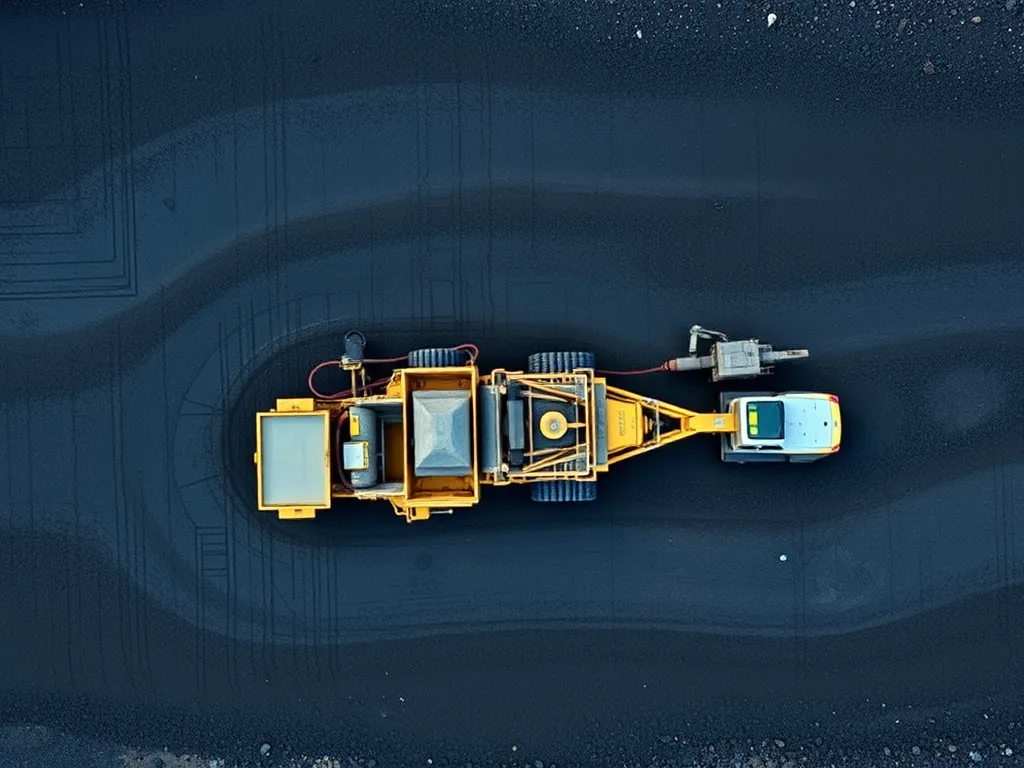
Sealcoating applies a protective layer to asphalt surfaces using materials like coal tar or asphalt emulsions. This process directly supports climate protection by shielding pavement from UV rays, water damage, and temperature swings that accelerate deterioration. It reduces the need for frequent repairs, cutting material consumption by up to 30% over a pavement’s lifespan. Eco-friendly advancements include low-VOC sealants, bio-based formulas, and recycled materials that minimize environmental impact.
This article examines how sealcoating combats climate challenges across regions. You’ll learn about UV-blocking formulas for desert heat, crack-resistant blends for freezing zones, and erosion fighters for rainy areas. We break down sustainable options like soybean oil sealers and rubberized asphalt from recycled tires. Explore application tips for maximum durability and minimum ecological footprint, plus answers to common climate-related questions.
Understanding Sealcoating’s Role in Climate Resilience
Asphalt pavings face growing strain from shifting weather. Sealcoating acts as a shield, boosting structural integrity against rising temps, heavy rain, and UV intensity. This thin liquid layer—typically bitumen-based or coal tar alternatives—forms a barrier that adapts to thermal shifts while blocking harmful agents.
How Sealcoating Enhances Asphalt Longevity
Applied every 2-4 years, sealcoating adds 5-7 years to pavement lifespan by slowing oxidation and surface wear. Costs drop 30% compared to full replacements, saving $1.50-$3.00 per sq ft long-term. High-quality formulations now integrate rubber polymers for crack resistance up to -20°F.
UV Radiation Protection for Asphalt Surfaces
Solar rays break down bitumen binders, causing brittleness and raveling. Sealcoating blocks 95% of UV penetration, maintaining pavement flexibility. Dark coatings also absorb heat, reducing thermal shock during rapid temp swings—a key factor in regions with 100+°F daily shifts.
Preventing Water Infiltration and Weather-Related Damage
Unsealed asphalt absorbs moisture through 8-12% air void content. Sealcoating fills pores, stopping water from triggering freeze-thaw cracks or base layer washouts. This cuts pothole formation by 60% in areas with 25+ annual freeze cycles. Proper drainage preservation also lowers flood risks on roadways.
As shifting weather patterns transform regional conditions, tailored sealcoating strategies grow vital. Next, find out how climate-specific formulations tackle unique challenges from desert heat to coastal storms.
Climate-specific Benefits Of Sealcoating
Sealcoating adapts to fight climate threats. It shields asphalt from heat waves, ice storms, and heavy rains. Each region needs unique protection.
Sealcoating in Hot and Dry Climates
Sun-baked asphalt faces daily heat stress. Sealcoating blocks damage from 100°F+ temps and UV rays.
Reducing Thermal Cracking and Oxidation
Daily heat cycles cause asphalt to expand and shrink. Sealcoat fills surface gaps, cutting thermal cracks by 40-60%. It stops oxygen from breaking down binders, slowing asphalt decay.
Maintaining Surface Flexibility Under Extreme Heat
High-quality coal tar or polymer sealants stay bendy in heat. This keeps asphalt from turning brittle. Tests show treated surfaces handle 50°F swings without splits.
Sealcoating in Cold and Freezing Conditions
Winter brings ice, salt, and freeze-thaw cycles. A fresh sealcoat layer acts as a weather shield.
Preventing Ice Damage and Frost Heave
Sealcoating blocks water from seeping into cracks. This stops ice from pushing up pavement (frost heave). Maine DOT found sealed lots had 73% less heave damage.
Minimizing Salt Corrosion on Asphalt
Road salt eats away at bare asphalt. Sealcoat forms a barrier, cutting salt harm by half. It also makes winter cleanup faster and cheaper.
Sealcoating in Rainy or Humid Climates
Wet climates attack asphalt with water and mold. Sealcoating keeps surfaces water-tight.
Blocking Moisture Penetration and Algae Growth
Sealants fill pores that let in rain. This stops swampy black streaks from algae. Florida studies show sealed lots stay drier during 60-inch rain years.
Reducing Erosion from Heavy Rainfall
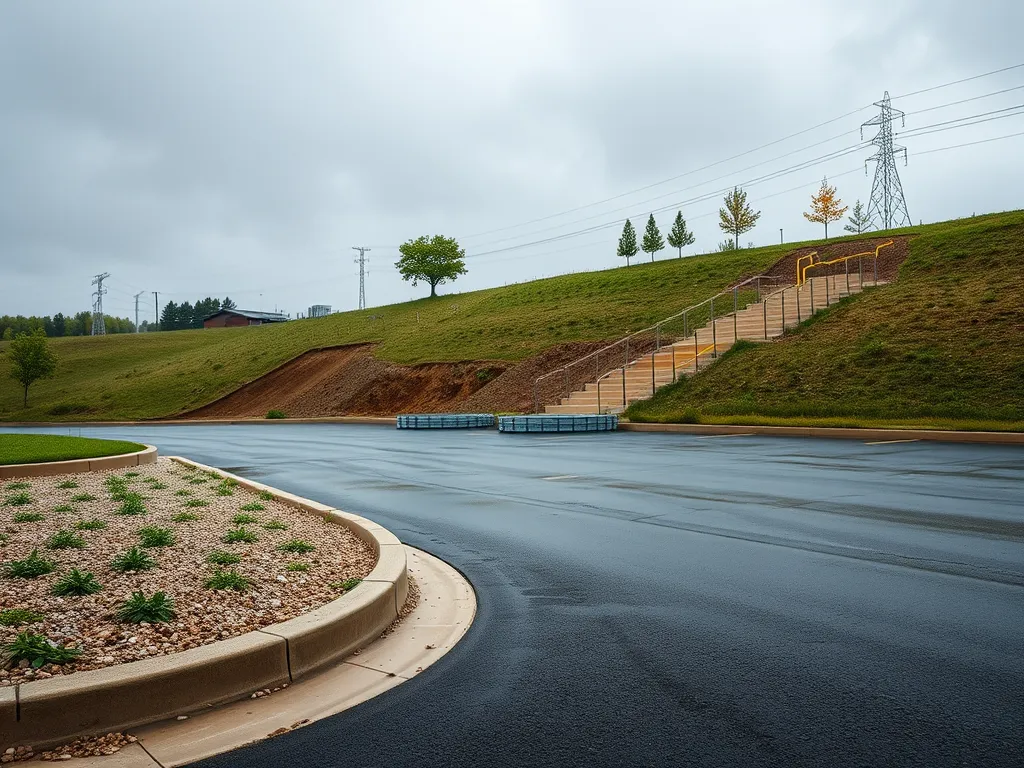
Sealed asphalt sheds water 3x faster. This cuts ruts and washouts in storms. Sloped lots with sealcoat lose 80% less gravel in downpours.
New sealcoat tech blends green materials with climate armor. Next, we explore plant-based formulas and recycled options that boost eco gains.
Eco-friendly Sealcoating Solutions for Asphalt
Modern paving practices now focus on solutions that boost asphalt durability without harming natural systems. From bio-based formulas to recycled components, options exist to align pavement care with planetary health goals.
Bio-based and Renewable Sealers
Derived from organic sources, these sealants cut fossil fuel dependency. Two major types now dominate markets:
Soybean Oil Emulsions
Soy-based sealers replace up to 30% of traditional petroleum binders. This renewable option lowers carbon output by 15-20% during production. It also maintains crack resistance in temps from -20°F to 120°F.
Plant-Derived Resin Formulations
Pine tree resins and corn starches create flexible protective layers. These sealers degrade 50% faster than coal-tar variants if washed into soil, minimizing long-term contamination risks.
Recycled Material Innovations
Waste-stream materials now play critical roles in climate-friendly sealcoating. Repurposing rubber and asphalt cuts landfill volumes while conserving virgin aggregates.
Rubberized Asphalt Sealers from Recycled Tires
Crumb rubber from 2-4 recycled tires gets blended into each ton of sealer. This mix improves surface flexibility by 40% compared to standard formulas, reducing cold-weather cracking. It also diverts 300M+ tires annually from U.S. dumps.
Reclaimed Asphalt Pavement (RAP) Blends
Milling waste from old roads forms 20-50% of new sealcoat mixes. RAP integration slashes material costs by $8-$12 per ton while maintaining 95% of original performance specs.
Low-voc and Water-based Sealants
Air quality concerns drive demand for sealers with minimal volatile organic compounds. Water-based formulas now match oil-based versions in durability while protecting surroundings.
Reducing Air Pollution During Application
Low-VOC sealers release <250g/L of harmful vapors vs. 550g/L in traditional options. This drop cuts smog formation risks by 60% in urban areas during paving season.
Safer for Aquatic Ecosystems
Water-based formulas lack polycyclic aromatic hydrocarbons (PAHs) found in coal-tar sealants. PAH levels in stormwater runoff drop 90% when using these alternatives, protecting fish and water quality.
As paving crews adopt these solutions, focus shifts to measuring their real-world impact on local air, water, and material cycles. Tracking outcomes helps refine formulas for maximum climate protection.
Also See: Comparison Of Paver Types for Different Projects
Environmental Impact Of Sealcoating Practices
Sealcoating directly affects pavement sustainability by shielding asphalt from weather-related wear. Properly maintained surfaces demand fewer repairs, creating a chain reaction of environmental benefits.
Reducing Carbon Footprint Through Pavement Preservation
Every asphalt replacement project emits 2.5 tons of CO2 per lane mile. Sealcoating slashes replacement needs, cutting emissions linked to material production and heavy machinery.
Lowering Asphalt Replacement Frequency
Unprotected asphalt degrades 3x faster, requiring replacement every 8-12 years. Sealcoated surfaces last 15-25 years, reducing road reconstruction cycles by 40-60%. Fewer paving projects mean fewer dump trucks hauling materials—a single project can eliminate 50+ truckloads of waste.
Conserving Raw Materials with Protective Coatings
Each lane mile of new asphalt uses 25,000 lbs of bitumen and 400 tons of aggregates. Sealcoating preserves 95% of existing materials, saving 1.2 million tons of virgin aggregates annually nationwide. This reduces mining demands for limestone and silica sand.
Mitigating Urban Heat Island Effects
Dark asphalt surfaces absorb 90-95% of solar radiation, elevating city temps by 5-7°F. Sealcoating formulations now combat this through advanced reflectivity.
Reflective Sealcoating Options for Cooler Surfaces
High-albedo sealants with quartz or titanium dioxide reflect 30-50% more sunlight than traditional black coal-tar emulsions. Cool pavement coatings lower surface temps by 10-15°F, reducing nearby building cooling costs by 7-12%. Cities like Phoenix and Los Angeles now specify these products for municipal projects.
With climate-friendly sealcoating proving its value, the focus shifts to optimizing application methods for maximum ecological benefit.
Best Practices for Climate-conscious Sealcoating
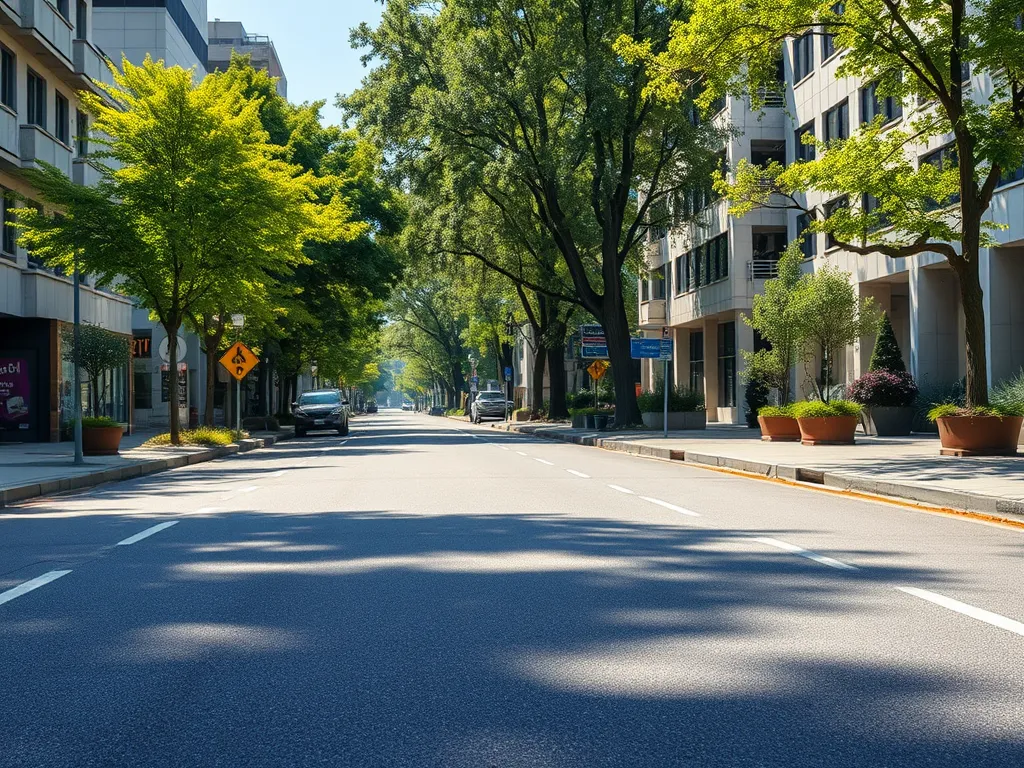
Applying sealcoat with climate in mind demands precision in timing, material choice, and application tactics. Follow these guidelines to align pavement care with shifting global weather patterns.
Optimal Weather Conditions for Application
Weather directly impacts how sealcoat bonds to asphalt. Ignoring climate factors can lead to premature failure, requiring costly reapplication.
Temperature and Humidity Guidelines
Aim for air temps between 50°F and 85°F with humidity below 50%. Below 50°F, sealants thicken and won’t spread smoothly. Above 85°F, rapid drying creates weak spots. High humidity slows curing – a 70% humidity level adds 2-3 hours to drying time.
Avoiding Rain and Extreme Heat
No rain should fall within 24 hours before application or 48 hours after. Summer applications work best before 10 AM in hot zones – asphalt temps exceeding 120°F cause sealant to bubble. In drought-prone areas, mist surfaces lightly to control dust without oversaturating.
Durability Vs. Tradeoffs
Long-lasting sealcoats often contain coal tar or high-VOC formulas. Balancing protection with climate needs requires smart compromises.
Balancing Longevity with Formulas That Help Nature
Traditional coal tar sealants last 3-5 years but contain polycyclic aromatic hydrocarbons (PAHs) – 1 gallon contaminates 10 million gallons of water. New bio-based options like soybean blends (lasting 2-3 years) cut toxic runoff by 80%. Rubberized mixes using 15% recycled tires boost crack resistance while diverting 200M tires annually from landfills.
Up next: How cities are rewriting pavement codes to address rising temps and intense storms.
FAQs: Sealcoating and Climate Protection
What Are the Ideal Weather Conditions for Sealcoating?
The ideal weather conditions for sealcoating include air temperatures ranging from 50°F to 85°F and humidity levels below 50%. This ensures that the sealant adheres properly and cures effectively.
Can You Apply Sealcoat in Hot Weather?
Yes, sealcoat can be applied in hot weather, but it’s best to do so during the cooler parts of the day, typically before 10 AM. Care must be taken to avoid surface temperatures exceeding 120°F, which can cause the sealant to bubble and degrade.
How Long Should Sealcoat Cure Before Rain Exposure?
Sealcoat should cure for at least 24 hours before exposure to rain. To ensure optimal adhesion and effectiveness, avoid applying sealcoat if rain is forecasted within that timeframe.
When is Sealcoating Not Recommended?
Sealcoating is not recommended during heavy rain, extreme heat (above 85°F), or when temperatures drop below 50°F. Additionally, if the asphalt surface is heavily worn or has significant cracks, repairs should be made prior to sealcoating for the best results.
Closing Thoughts
Sealcoating plays a vital role in protecting asphalt from the challenges posed by climate change. By enhancing durability, it safeguards surfaces from UV radiation, water infiltration, and changing weather conditions. This proactive approach reduces maintenance needs and extends the life of paved areas.
Utilizing eco-friendly sealers not only improves the performance of asphalt but also minimizes the environmental impact. Whether it’s using bio-based formulations or recycled materials, these innovations support both the longevity of pavements and the health of our planet.
Implementing best practices is key to maximizing the benefits of sealcoating. Paying attention to optimal weather conditions and striking a balance between durability and environmental safety ensures that our sealcoating efforts advance climate protection.
For more information on sealcoating and how it contributes to climate protection, visit Asphalt Calculator USA.
Additional Resources for You:
- Roberts, F. L., Kandhal, P. S., Brown, E. R., Lee, D. Y., & Kennedy, T. W. (1996). Hot Mix Asphalt Materials, Mixture Design, and Construction (2nd ed.). National Asphalt Pavement Association (NAPA).
- A Guide to Asphalt Sealcoating – Lone Star Paving
- Premium Asphalt Sealcoating Services | Extend the Life of Your Pavement | Brant’s Asphalt
- Sealcoating FAQ/Frequently Asked Questions | Lone Star Paving in Austin
- How Long Does Sealcoating Last and Tips to Extend Its Durability