Asphalt Pouring Safety: Protecting Workers on Hot Mix Jobsites
Published on: April 10, 2026 | Last Updated: April 14, 2025
Written By: George Voss
Safety measures for professional asphalt pourers are protocols that protect workers during hot mix asphalt operations. These include using NIOSH-approved respirators (National Institute for Occupational Safety and Health), setting up MUTCD-compliant traffic controls (Manual on Uniform Traffic Control Devices), and following OSHA’s 29 CFR 1926 standards. Proper gear like ASTM-certified heat-resistant clothing (American Society for Testing and Materials) prevents burns, while daily equipment checks reduce worksite risks. Three core rules apply: control temperatures (300-350°F optimal mix range), block ignition sources, and enforce 15-minute hydration breaks in heat.
This article breaks down critical safety practices for asphalt crews. You’ll learn about fume exposure limits, fire prevention methods, and first aid for burns. We cover PPE requirements, worksite setup rules, and environmental compliance for asphalt recycling. Get actionable steps to meet safety standards and protect your team.
Key Hazards in Asphalt Pouring Operations
Professional asphalt pourers face multiple risks during hot mix placement. Identifying these dangers forms the foundation of effective safety protocols.
Asphalt Fumes and Respiratory Risks
Hot asphalt releases fumes containing polycyclic aromatic hydrocarbons (PAHs) and hydrogen sulfide. Temperatures above 300°F intensify emissions.
Health effects of prolonged fume exposure
Workers breathing fumes daily risk headaches, throat irritation, and lung damage. NIOSH sets a recommended exposure limit (REL) of 5 mg/m³ for asphalt fumes over 15 minutes. Chronic exposure links to respiratory diseases in 12% of long-term paving crews.
Flammability and Fire Prevention
Liquid asphalt ignites at 400-500°F – common during transport and application. Flash fires cause 23% of asphalt-related injuries annually.
Managing ignition sources near hot asphalt
Maintain 25-foot clearance from welding sparks, open flames, or electrical tools. Asphalt tankers require ground straps to prevent static sparks. Fire extinguishers rated ABC must be placed every 50 feet.
Toxicity and Health Implications
Bitumen contains benzopyrene (0.5-2.1 ppm), a known carcinogen. Skin contact with 320°F+ asphalt causes immediate thermal burns.
Short-term vs. long-term exposure risks
Acute issues include blisters and eye irritation. Workers with 10+ years’ exposure show 3x higher rates of skin lesions. The CDC reports 14% of pavers develop chronic bronchitis without proper protection.
Asphalt Dust Exposure
Crushing recycled asphalt generates silica dust particles under 10 microns. These bypass natural lung defenses when inhaled.
Mitigating airborne particulate hazards
Wet cutting reduces dust by 85% compared to dry methods. HEPA-filtered vacuum systems capture 99.97% of particles. Workers need APF 10 respirators when dust levels exceed 0.025 mg/m³ per Cal/OSHA standards.
With these hazards addressed through proper protocols, let’s examine the protective gear needed for safe operations.
Mandatory Personal Protective Equipment (PPE)
Proper PPE forms the first defense against hazards in asphalt pouring. Workers face temperatures exceeding 300°F, chemical vapors, and airborne particles daily. Gear meeting industry specifications prevents burns, respiratory issues, and long-term health risks.
Respiratory Protection (Masks/respirators)
Asphalt fumes contain polycyclic aromatic hydrocarbons (PAHs) linked to respiratory illnesses. Without protection, workers risk lung irritation and reduced cognitive function over time.
NIOSH-approved respirators for asphalt fumes
Use NIOSH-rated N95 or P100 respirators with carbon filters. These capture 99.7% of particles above 0.3 microns. Fit-testing every 12 months ensures proper seal. Replace cartridges every 40 hours or when breathing resistance increases.
Skin and Eye Protection
Hot asphalt splashes cause third-degree burns in seconds. Radiant heat from pavers reaches 175°F at 15 feet – enough to blister unprotected skin in minutes.
Heat-resistant gloves and full-face shields
Gloves with Kevlar liners withstand 500°F contact for 10-15 seconds. Pair with ANSI Z87+ face shields featuring 8-inch side protection. Anti-fog coatings maintain visibility during temperature swings from 50°F to 120°F worksites.
Heat-resistant Clothing and Footwear
Standard workwear chars at 400°F – asphalt pours typically hit 275-325°F. Flame-resistant (FR) gear reduces burn severity by 50% compared to cotton.
ASTM-certified asphalt work gear
Look for ASTM F2733-rated jackets with 12+ cal/cm² thermal ratings. Steel-toe boots need non-slip soles (ASTM F2413) and metatarsal guards. Expect to spend $200-$400 per worker for compliant kits – a fraction of burn treatment costs averaging $7,500 per incident.
With PPE secured, attention shifts to structuring the worksite itself. Proper barriers and traffic controls prevent third-party injuries during material transfer and compaction phases.

Worksite Safety Setup for Asphalt Pouring
Proper site configuration prevents accidents during asphalt operations. Effective planning addresses physical hazards, public access, and rapid emergency response.
Pre-pouring Site Preparation
Clear workspaces reduce trip hazards and improve crew visibility. Remove debris, mark underground utilities, and verify stable ground surfaces before heating asphalt.
Barricades and Warning Signage Requirements
Install 42″ high plastic barriers around work zones with 6-foot clearance. Post “DANGER – HOT ASPHALT” signs every 25 feet facing all approaches. OSHA 1926.200 mandates retroreflective signage for low-light conditions in public areas.
Traffic and Pedestrian Control
Separate workers from vehicles and bystanders using MUTCD Chapter 6G guidelines. Designate safe pathways with non-slip surfaces for material transport.
MUTCD-Compliant Temporary Traffic Plans
Follow Manual on Uniform Traffic Control Devices spacing: 40 feet between cones in urban zones, 80 feet on highways. Use Type III barricades with flashing lights for lane closures exceeding 1 hour. Certified flaggers must wear ANSI 107-2020 Class 3 vests.
Emergency Response Planning
Hot asphalt reaches 300°F – thermal burns require instant treatment. Maintain clear access routes for medical vehicles within 30 seconds of all work areas.
On-Site Burn Treatment Stations
Stock stations with 15+ gallons of sterile water, hydrogel dressings, and eye wash kits. ANSI Z308.1-2021 requires burn kits within 50 feet of paving equipment. Train crews in STOP (Stop, Treat, Observe, Protect) burn protocols for 1st/2nd degree injuries.
With secure perimeters and rapid care systems in place, crews can focus on mastering equipment handling protocols.
Also See: Can Asphalt Be Laid Over Concrete? Find Out Here
Safe Handling Of Asphalt Equipment and Materials
Proper equipment operation and material management form the backbone of safe asphalt pouring. Workers must master protocols for handling hot asphalt mixes, maintaining tools, and storing products to prevent accidents.
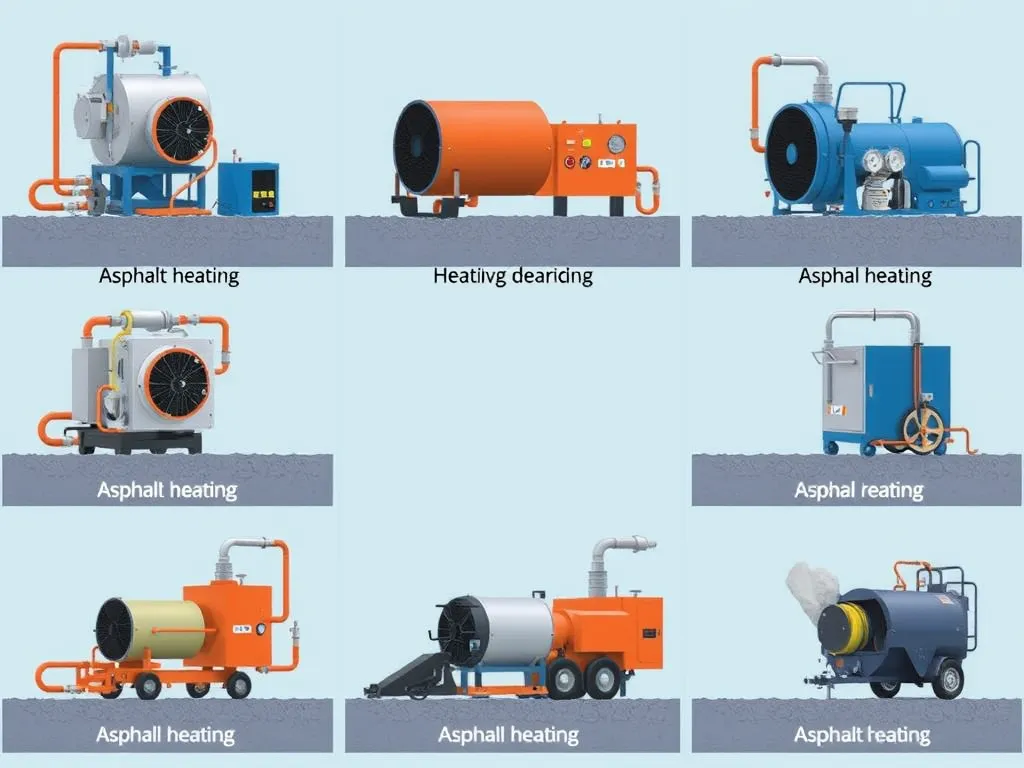
Asphalt Heating and Mixing Protocols
Hot asphalt requires precise temperature control during heating and mixing. Use PG 64-22 or PG 76-16 performance-graded binders matched to project specs to maintain workability without overheating.
Temperature monitoring best practices
Track mix temps every 15 minutes using infrared thermometers. Maintain between 275°F and 325°F for standard hot-mix asphalt. Exceeding 350°F risks flash fires and releases toxic hydrogen sulfide gas. Record readings on mix tickets for quality control.
Tool Maintenance and Inspection
Faulty equipment causes 23% of paving-site injuries according to OSHA data. Keep all tools clean and functional to prevent mechanical failures during critical pour phases.
Daily equipment safety checks
- Test tack coat sprayers for nozzle clogs
- Inspect screed heaters for uneven heat distribution
- Check roller brakes and backup alarms
- Verify paver auger guards are secure
Proper Storage Of Asphalt Products
Store asphalt materials following NFPA 30 guidelines for flammable liquids. Use designated containment areas at least 50 feet from ignition sources.
Fire-safe material containment
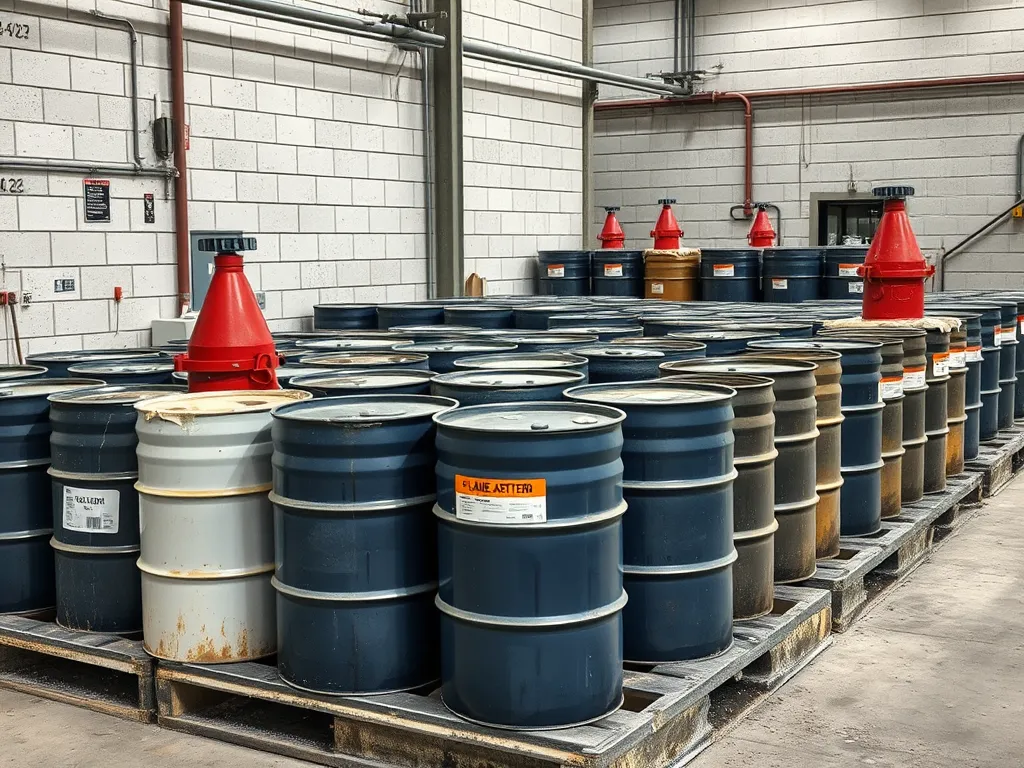
Keep cutback asphalt in sealed 55-gallon steel drums with flame arrestors. Store emulsions in temperature-controlled warehouses below 200°F. Install spill containment berms capable of holding 110% of stored volume.
With equipment protocols mastered, focus shifts to emergency readiness. Next we’ll explore first response tactics for asphalt-related injuries.
Hot asphalt work brings unique risks. Crews must act fast with proper care steps. Learn key steps for burns, fumes, and skin issues.
Treating Thermal Burns From Hot Asphalt
Asphalt leaves the plant at 300°F-350°F. Third-degree burns can occur in seconds. Act fast to limit damage.
Immediate cooling and wound care
Flush burns with cool water for 15-20 mins. Remove clothes stuck to skin. Cover with clean cloth. Skip ice or creams. Get medical help for burns larger than 3 inches.
Responding to Fume Inhalation
Fumes cause dizziness, headaches, or throat pain. Move worker to fresh air fast. Loosen tight clothes.
Emergency oxygen protocols
If breathing stops, start rescue breaths. Use on-site oxygen if trained. OSHA requires O2 units where fumes exceed 5 ppm. Watch for lung irritation signs for 48 hours.
Managing Skin Contact and Irritation
Liquid asphalt bonds to skin on contact. Quick removal cuts chemical burn risk.
Asphalt removal techniques
Use mineral oil or petroleum jelly to soften asphalt. Never scrape dry. Wash with pH-neutral soap. For eye contact, rinse with saline for 15 mins. Check for redness or swelling.
Mastering these steps keeps crews safe. Next, we explore how regular drills and certs keep skills sharp.
Asphalt Safety Training and Compliance
Proper training forms the backbone of workplace safety in asphalt operations. Crews handling hot mix asphalt at 300-350°F face risks requiring systematic protocols and regulatory knowledge.
OSHA Standards for Asphalt Work
The Occupational Safety and Health Administration mandates specific protections under 29 CFR 1926. These construction standards address asphalt-related hazards through enforceable workplace rules.
29 CFR 1926 construction standards
Key requirements include:
| Standard | Requirement |
|---|---|
| 1926.501 | Fall protection near asphalt kettles |
| 1926.601 | Vehicle safety near paving zones |
| 1926.1101 | Respiratory protection for silica dust |
Permissible exposure limits cap asphalt fume levels at 5 mg/m³ over 8 hours. Employers must provide annual training on these regulations.
Certification Programs for Pourers
Specialized training programs ensure crews master asphalt safety procedures. The National Asphalt Pavement Association offers industry-recognized credentials.
NAPA asphalt safety training modules
NAPA’s 12-module program covers: • Hot mix handling (Module 4) • Burn prevention (Module 7) • Fire suppression (Module 9) Courses include hands-on simulations for spill containment and PPE use. Most states require 40-hour certification for asphalt crew leads.
Regular Safety Audits and Updates
Weekly jobsite inspections verify compliance with asphalt paving safety guidelines. Auditors check equipment temperatures, PPE usage, and ventilation systems.
Documentation requirements
Maintain records for:
| Document | Retention Period |
|---|---|
| Training certificates | 3 years |
| Fume exposure logs | 5 years |
| Incident reports | 7 years |
Digital tracking systems now automate 85% of asphalt work safety reporting tasks.
While training establishes safety foundations, material choices also impact risk levels. Up next: reducing environmental threats during asphalt operations.

Environmental Considerations in Asphalt Pouring
Safe asphalt work ties to smart eco-choices. Green steps cut risks for crews and sites.
Minimizing Emissions and Waste
Hot asphalt lets off fumes and scraps. Control these to meet safety asphalt paving rules.
Low-VOC asphalt product selection
Pick mixes with low-VOC (volatile organic compounds) binders. These cuts fumes by up to 40% vs standard grades. Less breath risks mean safer crews during pours. Check EPA specs for approved mixes.
Eco-friendly Disposal Practices
Used asphalt needs proper handling. Wrong disposal harms teams and sites.
Recycling hardened asphalt materials
Crush old pavement into RAP (recycled asphalt pavement). 95% RAP reuse is doable with modern gear. This slashes waste piles that trip workers or catch fire. Keep RAP heaps under 10ft tall per asphalt safety standards.
Smart green steps boost job site safety. Next, we tackle common crew questions on asphalt work precautions.
Frequently Asked Questions (FAQ)
What PPE is Required for Asphalt Work?
For asphalt work, essential personal protective equipment (PPE) includes NIOSH-approved respirators to protect against harmful fumes, heat-resistant gloves, full-face shields to guard against splashes, heat-resistant clothing, and non-slip steel-toe boots. Each component plays a critical role in safeguarding workers from specific hazards associated with asphalt pouring.
How to Protect Against Asphalt Fumes?
To protect against asphalt fumes, it is vital to wear proper respirators fitted with carbon filters. Additionally, ensuring adequate ventilation in the work area and using wet methods for cutting asphalt can help minimize fume exposure. Workers should consistently monitor air quality and take breaks away from fume-affected areas.
Is Asphalt Flammable or Toxic?
Asphalt is both flammable and potentially toxic. It can ignite at temperatures over 400°F and it releases harmful fumes when heated. Understanding the flammability and toxicity levels of asphalt is crucial for maintaining a safe work environment.
What Safety Training is Available?
Various safety training programs are available for asphalt pourers, including those offered by the National Asphalt Pavement Association (NAPA). These programs cover essential topics such as safe handling of hot asphalt, burn prevention techniques, and respiratory protection training. Regular refresher courses and audits help ensure ongoing compliance with safety standards.
Closing Thoughts
Ensuring safety in asphalt pouring operations is a continuous commitment that involves protecting workers from various hazards. From managing asphalt fumes to wearing appropriate personal protective equipment (PPE), a proactive approach is vital. Effective safety protocols not only safeguard health but also enhance operational efficiency.
Regular training and compliance with OSHA standards serve as foundational components of a robust safety culture. Incorporating environmentally-friendly practices, like using low-VOC materials and recycling, also contributes to a safer workplace. Implementing these measures promises not just better health outcomes, but also a sustainable approach to asphalt operations.
For comprehensive information and resources related to asphalt safety practices, visit Asphalt Calculator USA.
Useful References for You:
- Federal Highway Administration (FHWA) – Asphalt Pavement Technologies
- ASPHALT HAZARD SUMMARY IDENTIFICATION … – NJ.gov
- Asphalt Paving Safety: A Comprehensive Guide | Tracey Road Equipment
- Asphalt Safety Made Simple: Top Tips for Crews – Southeastern Equipment
- Excavation Safety: Tips For Safe Excavation – Doctor Asphalt