
Refinery Asphalt Modification: Processes, Techniques, and Applications
Published on: August 26, 2026 | Last Updated: April 14, 2025
Written By: George Voss
Refinery asphalt modification transforms standard asphalt into high-performance materials through additives like polymers, crumb rubber, or antioxidants. This process differs from traditional asphalt production by enhancing properties such as durability, temperature resistance, and flexibility. Refineries use techniques like thermal modification, mechanical blending, and chemical treatments to meet specific project needs, from highways to airport runways. Modified asphalt lasts longer under heavy traffic and extreme weather, reducing maintenance costs by up to 30% over its lifespan.
This article breaks down how refinery asphalt modification works. Explore key additives like SBS polymers and recycled rubber. Learn about refining steps such as distillation and quality testing. Compare production methods like thermal vs. chemical processes. Review environmental benefits, including lower carbon emissions and recycling rates exceeding 90% in some regions. Get answers to common questions about asphalt composition and refinery innovations.
Introduction to Refinery Asphalt Modification
Refinery asphalt modification transforms raw asphalt into high-performance paving materials. This process adjusts physical and chemical traits to fit specific road conditions. Using additives and advanced mixing, refineries craft asphalt that lasts longer, handles heavy loads, and resists cracking.
Modification starts with vacuum-distilled asphalt from crude oil. This thick residual binds aggregates but lacks flexibility for frost or traffic stress. By adding polymers like SBS (styrene-butadiene-styrene) or crumb rubber, refineries boost asphalt’s capacity. A 5% SBS mix can lift high-temp limits from 64°C to 82°C, cutting rutting by 60%.
| Modifier Type | Typical Dosage | Key Benefit |
|---|---|---|
| SBS Polymers | 3-7% | +15°C high-temp rating |
| Crumb Rubber | 10-22% | 40% noise reduction |
Modern asphalt refinery processing blends thermal and mechanical methods. High-shear mills mix modifiers at 160-180°C, creating homogenous binder. Chemical treatments like cross-linking agents further stabilize mixes. Post-blending, quality checks run penetration (40-50 dmm) and viscosity (3000-5000 Poise) trials to confirm PG grading.
Costs for modified asphalt run $70-$120 per ton—20-30% higher than basic asphalt. But roads built with it last 12-18 years vs. 8-10 for unmodified, slashing long-term costs. Warm-mix tech also trims fuel use by 25% during laying, aligning with low-carbon goals.
Up next: a deep look at how modifiers work and why they matter.
Understanding Asphalt Modifiers
Asphalt modifiers transform standard refinery asphalt into high-performance materials capable of meeting modern infrastructure demands. These additives address specific weaknesses in base binders, enabling roads to withstand heavier traffic loads, extreme weather, and prolonged use. Refineries employ advanced asphalt modification techniques to integrate these components seamlessly.
What is an Asphalt Modifier?
An asphalt modifier refers to any material blended with bitumen during refinery asphalt processing to alter its physical or chemical properties. Common modifiers include polymers like Styrene-Butadiene-Styrene (SBS), crumb rubber from recycled tires, and antioxidants such as hydrated lime. For example, adding 4-6% SBS polymers boosts binder elasticity by 30-50%, reducing cracks in freezing temperatures. Modifiers function at the molecular level, creating stronger bonds between aggregates and the bitumen matrix.
Role Of Modifiers in Asphalt Enhancement
Modifiers elevate asphalt performance across three key areas: durability, flexibility, and environmental resistance. Polymer-modified binders, used in 60% of U.S. highway projects, reduce rutting by 40% at 120°F while maintaining flexibility at -22°F. Crumb rubber additives cut road noise by 5-10 decibels and lower lifecycle costs by 20% through extended maintenance cycles. Refinery technologies for asphalt ensure precise blending, achieving PG 76-22 graded binders capable of handling both desert heat and mountain frost.
Asphalt refinery enhancement technologies now prioritize multi-functional modifiers. Antioxidants like carbon black slow oxidative aging, preserving pavement integrity for 15+ years. Nanoclays enhance fire resistance for tunnel applications. Each modifier undergoes rigorous quality control asphalt modification checks, including dynamic shear rheometer tests to verify performance thresholds.
From interstates to airport tarmacs, modified asphalt production relies on these tailored solutions. Up next: how enhanced binders translate into real-world applications across roadways, roofing, and industrial surfaces.

Modified Asphalt: Definition and Applications
Modified asphalt is a high-grade road material made by adding special agents to base asphalt during refinery steps. These agents boost how well it handles heat, wear, and water. The end product lasts longer than plain asphalt and works in tough spots.
What is Modified Asphalt?
Modified asphalt starts as basic asphalt from crude oil. At the plant, it gets mixed with items like polymers, rubber, or wax. For example, SBS (styrene-butadiene-styrene) polymers make it bend without cracking in cold. Crumb rubber from old tires cuts road noise by up to 50%. These changes happen through steps like heat mixing or chemical blends in refinery tanks.
Key Applications Of Modified Asphalt
This upgraded asphalt fits jobs where normal mixes fail:
- Heavy roads: Highways and bus lanes use polymer-modified asphalt to fight ruts in summer heat.
- Bridge decks: Fiber-reinforced types stop cracks from salt and shifting loads.
- Airport runways: Modified blends handle jet fuel spills and plane weight without softening.
- Roofing: UV-resistant asphalt shingles made with plastomers last 30+ years.
Refinery techs pick modifiers based on traffic, weather, and cost. A 5-7% polymer mix can double road life in wet zones. Warm-mix additives cut paving temps by 50°F, saving fuel.
Next, let’s break down how plants tweak crude oil into these top-tier asphalt mixes.
Also See: When to Use Hot Mix Patch: Best Times for Repairs
Asphalt Refinery Processing Techniques
Refinery asphalt modification turns basic crude oil parts into high-functioning pavement materials. This transformation occurs through a mix of physical and chemical steps. Each method aims to boost traits like durability, thermal limits, and load capacity.
Overview Of Asphalt Refining
Asphalt starts as a thick part of crude oil. Refineries split it using fractional distillation. This split isolates bitumen, which forms 60-75% of final asphalt. Tools like vacuum towers and thin-film ovens aid in making binders that fit strict road specs.
Key Steps in Refinery Asphalt Processing
Three main phases shape modified asphalt: distillation, blending, and quality checks. Each phase adjusts physical traits to hit targets like PG 64-22 or PG 76-16 grades. Timing and temps vary by crude source and final product goals.
Distillation and Separation
Fractional distillation heats crude oil to 300-350°C. This splits light parts (gasoline, diesel) from heavy residue. Vacuum distillation then pulls out bitumen at 2-10 mmHg pressure. This bitumen has a 85-100 penetration grade, forming the base for modification.
Blending with Modifiers
Bitumen gets mixed with 3-7% additives like SBS polymers or crumb rubber. Twin-screw mixers run at 160-180°C to spread modifiers fully. For instance, adding 5% SBS lifts softening points from 48°C to 70°C. This boosts rutting resistance by up to 300%.
| Modifier Type | Typical Dosage | Key Impact |
|---|---|---|
| SBS Polymers | 3-7% | +25°C softening point |
| Crumb Rubber | 10-20% | Noise cuts by 3-5 dB |
| Antioxidants | 0.5-1.5% | Oxidation delay by 15 yrs |
Quality Assurance Checks
All batches go through ASTM D8, AASHTO T49, and SHRP tests. Penetration, ring-and-ball softening, and viscosity must align with state DOT specs. For example, PG 76-16 asphalt must hold 3,000 Pa·s viscosity at 135°C. Labs also run bending beam tests to confirm -16°C low-temp limits.
Up next: A look at how specific additives transform asphalt for roads, roofs, and runways.

Common Additives and Modifiers in Refinery Asphalt
Refinery asphalt modification relies on specialized substances to improve performance under extreme conditions. These additives target specific weaknesses in base binders, boosting longevity for roads facing heavy traffic or harsh climates.
Types Of Asphalt Additives
Three primary modifiers dominate refinery operations due to their proven results in modified asphalt production. Each addresses distinct challenges in pavement engineering.
Polymers
Styrene-butadiene-styrene (SBS) or atactic polypropylene (APP) polymers increase elasticity by up to 300%. SBS-modified binders handle temperatures from -22°F to 176°F, reducing cracking in cold zones. Polymer blends cost $50-$150 per ton but double pavement lifespan in high-stress zones like truck lanes.
Crumb Rubber
Ground recycled tires, comprising 15-22% of binder weight, cut noise by 5 decibels while improving skid resistance. Rubberized asphalt costs 20% less than polymer options, with 95% reuse rates for sustainability. It’s preferred for urban highways needing rapid stormwater drainage via porous designs.
Antioxidants
Organic amines or hydrated lime slow oxidation rates by 40%, preserving binder flexibility over 15+ years. These additives cost $8-$15 per ton, ideal for UV-intensive regions like the Southwest. Tests show reduced raveling on slopes with 6%+ gradients.
Selection Criteria for Modifiers
Refineries prioritize four factors when blending additives. Climate dictates polymer types—SBS for freeze-thaw cycles, crumb rubber for heat. Traffic volume determines dosage rates: 4-6% polymers for highways versus 2-3% for local roads. Compatibility tests like the PG grading system ensure binders meet viscosity thresholds (3,000 Poise at 140°F). Budget constraints steer choices toward rubber or lime in public projects.
With modifiers selected, the focus shifts to refinery technologies for asphalt—blending methods that lock in these enhancements during production.
Refinery Tech for Asphalt Changes
Refineries use new tools to make asphalt work better. These steps boost how long roads last and handle heavy use. Let’s break down how plants make and tweak asphalt.
How Do Refineries Make Asphalt?
Asphalt starts as thick crude oil. Heat splits oil into parts. Heavy bits become bitumen. This black glue binds rocks in roads. Refineries heat crude to 750°F in big towers. Vacuum units pull out bitumen for mixing later. Pure bitumen gets too soft in heat or cracks in cold. Modifiers fix these flaws.
Ways to Make Better Asphalt
Plants change asphalt in three main ways. Each method targets specific road needs like heat fight or crack stops.
Heat-Based Changes
Heat softens bitumen for easy mixing. Temps hit 300-400°F. This step cuts thickness by 50%, letting trucks spray it thin. Heat-treated asphalt costs $3-$8 per ton less than raw. But too much heat burns the mix, so workers watch temps close.
Mixer Blending
Big tanks stir bitumen with add-ins. Common picks: rubber bits (5-15% weight) or plastic bits (3-6%). Mixers spin at 200 RPM for full blend. This adds $5-$15 per ton but stops cracks for 10+ years. Texas roads use 20% rubber mixes to beat summer heat.
Chemicals in the Mix
Add sulfur or acids to change how asphalt flows. Sulfur (0.5-2% weight) makes roads 30% stiffer. This fights truck ruts. Costs run $10-$20 per ton. Some plants use phosphoric acid to bind rocks tight. Tests show these roads last 15 years vs. 8 for plain asphalt.
These steps set the stage for strict checks. Next, we’ll see how plants test each batch for peak performance.

Distinguishing Asphalt From Bitumen
Clear terms prevent mix-ups in tech talks. Asphalt and bitumen get swapped often. But they play unique roles in roads and roofs.
What is the Difference Between Asphalt and Bitumen?
Bitumen acts as glue. This black, thick fluid comes from crude oil. Asphalt blends bitumen with sand, stone, and gravel. Think of bitumen as the binder. Asphalt is the full mix used to pave. Roads need both parts: bitumen holds the rocks, stones form the frame.
Refinery Processing Of Bitumen Into Asphalt
Refineries heat crude oil to split it into parts. Bitumen stays last after fuels like gas are pulled out. This raw bitumen gets too soft in heat or cracks in cold. To fix this, plants add modifiers like polymers or rubber. These tweaks boost strength, stick, and flex. For example, SBS polymers (styrene-butadiene-styrene) let roads bend without breaks. The mix is then cooled, cut into blocks, or stored hot for use.
Up next: How labs test this modified blend to meet road specs. Checks ensure each batch can handle trucks, weather, and time.
Quality Control in Modified Asphalt Production
Strict quality checks ensure modified binder performs under heavy loads, extreme temps, or prolonged use. Refineries use advanced tech to monitor properties like viscosity, elasticity, & thermal stability during production. These steps prevent failures in roads, roofs, or industrial pavements.
Testing Methods for Modified Asphalt
Labs run 8+ tests to verify modified blends meet specs:
- Rheology tests measure flow resistance using Dynamic Shear Rheometers (DSR)
- Performance Grading (PG) systems rate binders from PG 58-22 (-22°C to 58°C stability) to PG 76-22
- Ductility tests check stretch capacity before breaking at 25°C
- FTIR spectroscopy detects chemical changes in bitumen post-modification
For polymer-modified types, the Elastic Recovery test (ASTM D6084) confirms ≥60% rebound after stretching. Refineries log real-time data to tweak blending ratios or temps within ±2°C.
Compliance With Industry Standards
Modified binders must follow 3 core standards:
- ASTM D6373 for PG binder specs
- AASHTO M 320 for performance-graded mixes
- ISO 9001 for process consistency
Third-party auditors verify compliance through yearly facility checks. Non-compliant batches risk rejection, costing refineries $15k-$50k per truckload. States like Texas & California enforce stricter rules, requiring 12% polymer content in highway mixes vs. the federal 8% minimum.
With rigorous testing & compliance in place, refineries now prioritize lowering emissions during modification. Next, we explore how sustainable practices reshape production.
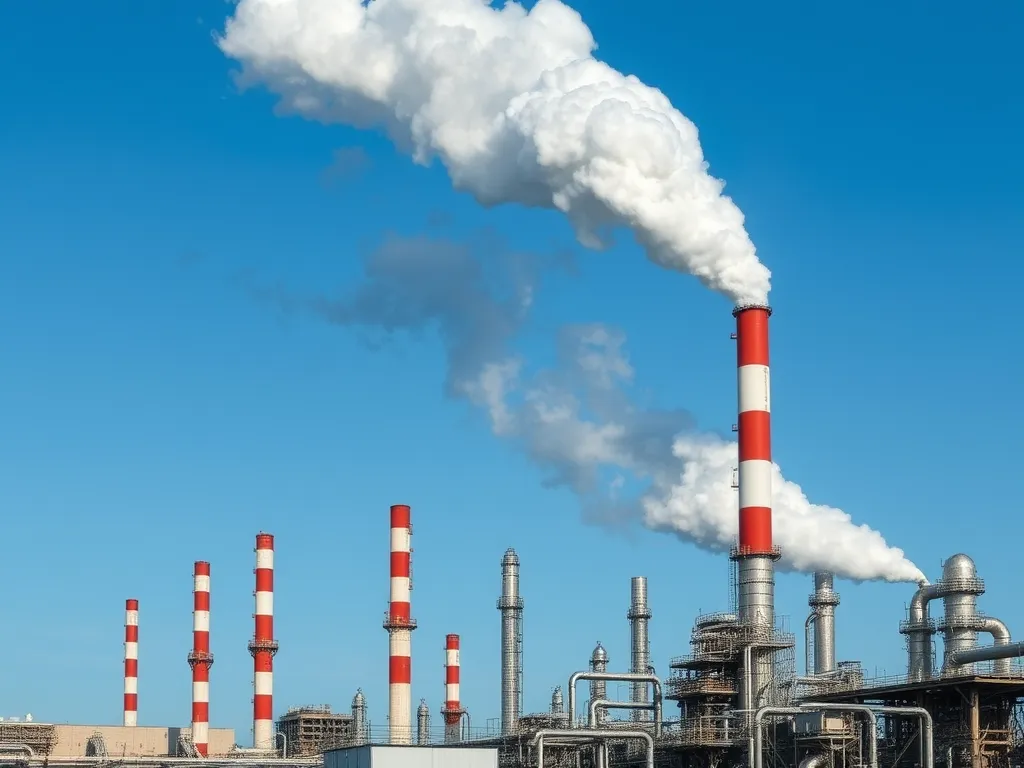
Environmental Considerations in Asphalt Modification
Plants must meet strict eco rules. They aim to cut harm while making strong roads. New tech blends green steps into asphalt refinery processing.
Sustainable Practices in Refinery Processing
Refines use low-heat steps to save fuel. They trap fumes with scrubbers, cutting CO2 by 15-30%. Bio-binders from plants mix with old asphalt. These blends need 40% less oil but still pass road tests. Solar heat tanks now warm mix, slashing temps by 50°F.
Recycling and Waste Management
Old roads get ground into RAP (reclaimed asphalt). RAP forms 30-50% of new mixes. This saves 1.5 tons per mile from dumps. Millings reuse as base layers cuts costs by $18 per ton. Plants filter sludge for reuse, reducing toxic waste by 60%.
Next, we tackle key questions on modifiers, oil use, and how refines boost asphalt.
Frequently Asked Questions (FAQ)
What Are the Additives and Modifiers for Asphalt?
Additives and modifiers for asphalt include polymers such as Styrene-Butadiene-Styrene (SBS), crumb rubber from recycled tires, and antioxidants like hydrated lime. These materials enhance various properties of asphalt, improving durability, flexibility, and environmental resistance, helping the asphalt to perform under specific conditions such as extreme temperatures and heavy traffic.
Is Asphalt Made From Oil?
Yes, asphalt is primarily produced from crude oil. During the refining process, particularly through fractional distillation, heavy fractions of crude oil are transformed into bitumen, which is the base for asphalt. Additional modifiers are then blended with this bitumen to enhance its performance characteristics.
How Does Refinery Processing Improve Asphalt Quality?
Refinery processing enhances asphalt quality through several critical steps, including distillation, blending with modifiers, and stringent quality assurance checks. Distillation separates the desired bitumen from other crude oil components, while blending incorporates various additives that improve performance attributes like flexibility and heat resistance. Quality assurance ensures that the final product meets industry standards and performance grading requirements.
Closing Thoughts
Refinery asphalt modification plays a vital role in enhancing the performance and lifespan of asphalt. Through various processing techniques and the careful selection of additives, it transforms ordinary asphalt into a superior product suitable for diverse applications. From polymers that enhance flexibility to crumb rubber that increases durability, these modifiers significantly contribute to the overall quality and sustainability of asphalt.
As the construction industry shifts towards more eco-friendly practices, understanding the environmental implications of asphalt production becomes increasingly important. Refinery technologies are evolving, ensuring that modified asphalt not only meets performance standards but also adheres to sustainability goals.
For more insights, resources, and tools related to asphalt and its modifications, check out Asphalt Calculator USA. Get equipped with knowledge that drives efficiency and quality in your asphalt projects!
Additional Resources for You:
- Roberts, F. L., Kandhal, P. S., Brown, E. R., Lee, D. Y., & Kennedy, T. W. (1996). Hot Mix Asphalt Materials, Mixture Design, and Construction (2nd ed.). National Asphalt Pavement Association (NAPA).
- Home | AMAP
- A Historical Review of Additives and Modifiers Used in Paving Asphalt Refining Processes in the United States – PubMed
- Asphalt Production and Oil Refining – Pavement Interactive
- How Bitumen is Produced: Extraction and Refining Processes – Rumanza Lubricants

