
Primary Asphalt Extraction: Processes, Techniques, and Analysis
Published on: September 15, 2026 | Last Updated: April 14, 2025
Written By: George Voss
Primary asphalt extraction is the first-phase removal of raw bitumen from mined asphalt rocks or oil sands. This industrial process uses heat, machinery, and chemical agents to separate sticky bitumen from mineral deposits. Hot water extraction (160-180°F) and solvent-based methods dominate the industry, requiring primary separation vessels, crushers, and centrifuges. Safety protocols mandate heat-resistant gear and vapor control systems. Federal EPA guidelines require 90% solvent recovery rates and CO2 emission caps below 1.2 tons per 100 barrels.
This article examines how primary extraction works, step by step. Compare hot water vs. solvent techniques. Review equipment specs like 500-ton crushers and 12,000-gallon separation tanks. Learn why bitumen viscosity (over 5,000 cP at 60°F) challenges pumps. Get cost data ($18-$32 per ton) and efficiency benchmarks. Explore mitigation tactics like closed-loop water systems cutting usage by 40%.
What is Primary Asphalt Extraction?
Primary asphalt extraction refers to the first step in obtaining bitumen from natural sources like rock formations or recycled pavement. This process isolates the sticky, black binder used to bind rock materials in paved surfaces. Unlike secondary recovery, which targets leftover bitumen, primary methods focus on maximum yield from raw inputs.
Definition and Purpose Of Asphalt Extraction
The goal centers on recovering usable bitumen while minimizing waste. By extracting pure binder, producers create new mixes for roads or reuse existing materials efficiently. This step ensures rock particles separate cleanly from bitumen, resulting in higher-grade outputs for construction needs. For recycled pavement (RAP), extraction removes aged binder for rejuvenation or replacement with fresh material.
Role Of Primary Asphalt Recovery in Construction
Primary recovery forms the backbone of sustainable construction. Over 90% of recycled pavement gets reused through extraction methods, cutting material costs by up to 30%. Contractors rely on recovered bitumen to build durable highways, parking lots, and driveways without compromising quality. The process also supports Superpave specifications, ensuring binders meet viscosity grades like PG 64-22 for specific climates.
Different techniques shape how effectively bitumen gets processed—next, we explore common methods used in the field.
Primary Asphalt Extraction Methods
Bitumen separation from mined rock forms the backbone of primary asphalt recovery. The industry relies on proven techniques to balance efficiency with resource yield.
Two Key Methods for Bitumen Extraction
Two dominant systems dominate modern operations: thermal separation using water-based systems versus chemical dissolution approaches. Each serves distinct project needs based on rock composition.
Hot Water Extraction Method
This process mixes crushed rock with 70-80°C water in rotating drums. Centrifugal forces separate bitumen (8-12% yield) from sand/clay. The Clark Hot Water Process, developed in the 1920s, remains widely used due to its 92-95% recovery rates in optimal conditions.
Solvent-Based Extraction Techniques
Non-polar solvents like toluene dissolve bitumen without heating. While requiring 30% less energy than thermal methods, solvent costs average $15-$25 per ton processed. Newer cyclohexane blends cut solvent loss to under 5% per cycle through improved recovery systems.
Single-stage Vs. Multi-stage Asphalt Extraction
Processing complexity directly impacts final product quality. Single-stage systems complete separation in one vessel, achieving 85% bitumen purity levels. Multi-stage setups employ secondary centrifuges or froth treatment, boosting purity to 98% but raising setup costs by 40%.
| Process Type | Bitumen Yield | Energy Use | Typical Use Cases |
|---|---|---|---|
| Single-Stage | 82-87% | 18 kWh/ton | Local road projects |
| Multi-Stage | 94-98% | 29 kWh/ton | Highway construction |
Field data shows multi-stage systems process 500+ tons daily versus 300 tons for single-stage units. Next, we’ll examine the machinery driving these processes.
Core Components Of the Asphalt Extraction Process
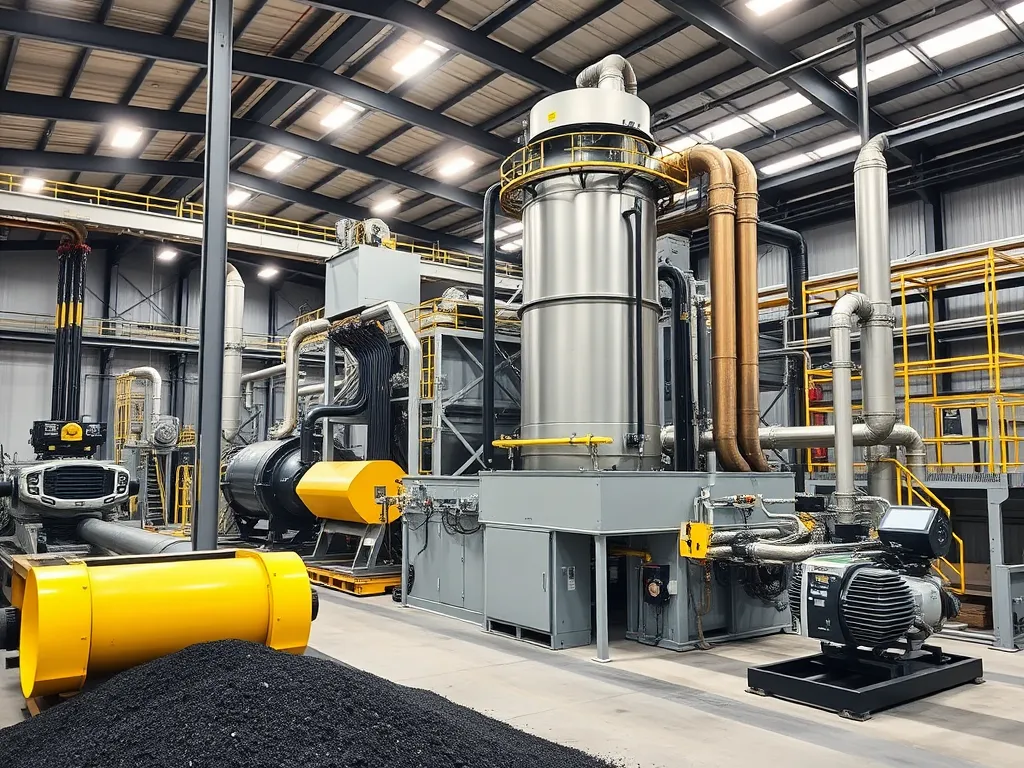
Primary asphalt extraction relies on specialized equipment and precise steps to separate bitumen from aggregates. The process balances temperature control, mechanical action, and material science to achieve 92-97% recovery rates in modern operations.
Primary Separation Vessel: Function and Design
The primary separation vessel (PSV) acts as the heart of asphalt primary recovery. This steel chamber, typically 25-40 meters tall, uses gravity and heat to split bitumen from sand, clay, and water. Operators maintain temperatures between 150-180°F inside the PSV, creating ideal conditions for bitumen froth formation. The vessel’s conical base design allows heavier solids to settle while lighter bitumen rises for collection.
Asphalt Extraction Process Flow
Modern asphalt extraction techniques follow a five-phase sequence: material prep, heating, separation, cleaning, and storage. Each stage targets specific material properties – like bitumen’s 0.5-5 Pa·s viscosity at operating temperatures – to maximize yield.
Crushing and Heating Asphalt Rocks
Raw asphalt rocks undergo primary and secondary crushing, reducing chunks to 50-150mm pieces. Rotary dryers then heat the material to 300-350°F using natural gas burners. This thermal treatment lowers bitumen viscosity from 10,000+ Pa·s (at ambient) to workable levels for separation.
Separation and Recovery Stages
Hot slurry enters hydrotransport pipelines where agitation separates 85-90% of bitumen. Remaining material progresses to secondary flotation cells and centrifuges, boosting recovery to 95%. Advanced sites employ paraffinic solvents to extract stubborn bitumen fractions, achieving near-total material utilization.
These engineered systems set the stage for rigorous quality verification. Upcoming sections detail how labs validate extraction success through standardized asphalt extraction testing protocols.
Also See: Benefits Of a Well-compacted Base
Testing and Quality Control in Primary Extraction
Quality control checks verify bitumen purity during primary asphalt extraction. These steps ensure recovered materials meet construction specifications for roads, highways, or pavements. Without strict testing, contaminants or inconsistent binder content could compromise pavement performance.
Bitumen Extraction Test Protocols
Test protocols determine if extraction methods yield usable bitumen. Labs follow standardized procedures to measure binder content, identify impurities, or check compliance with Superpave mix designs.
Purpose of Asphalt Extraction Testing
Testing confirms bitumen content matches project needs—typically 4-7% for road surfacing. It detects excess moisture, fines, or organic matter that weaken pavements. Results guide adjustments in crushing, heating, or solvent use during primary asphalt recovery.
Common Laboratory Procedures
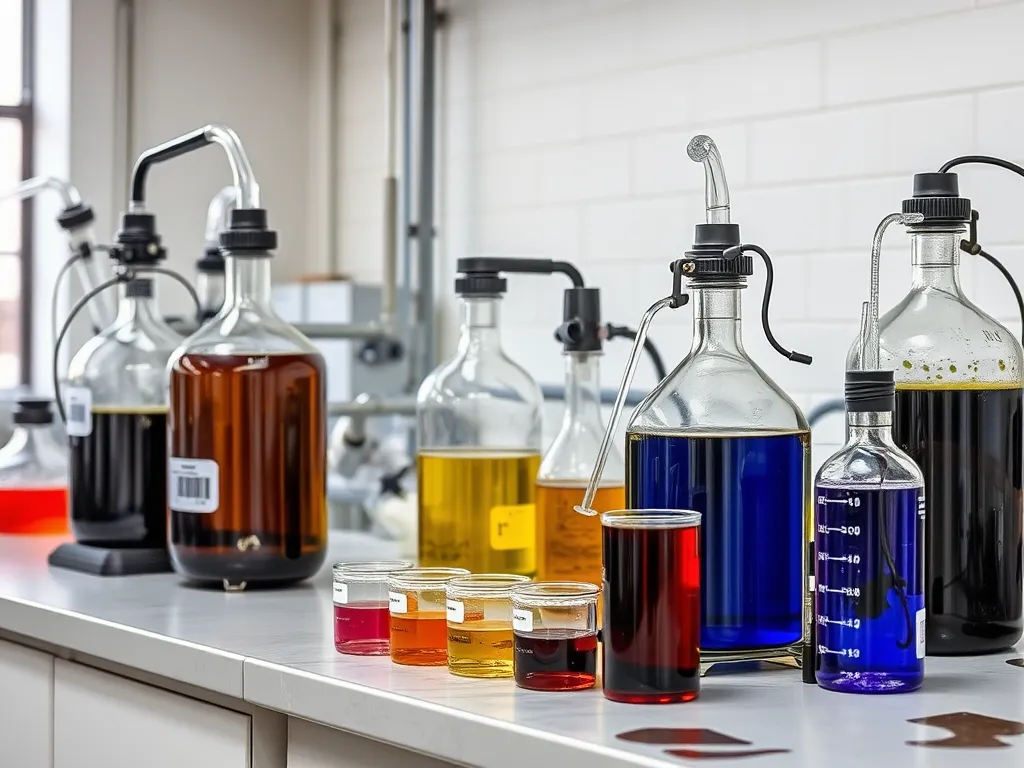
Labs use solvent extraction (ASTM D2172) with toluene or trichloroethylene to dissolve bitumen from crushed samples. Centrifuge tests separate binders in 30-minute cycles, while ignition ovens burn off volatile components at 1,000°F. Reports note bitumen recovery rates down to ±0.2% precision.
Components Of a Primary Asphalt Extraction Lab Report
Lab reports list sample ID, test method, bitumen percentage, plus aggregate gradation. Moisture content below 0.5% prevents voids in mixes. Testers include notes on solvent residue (<0.3%) or fines passing the #200 sieve. This data validates process efficiency for single-stage or multi-stage extraction systems.
While rigorous testing ensures quality, extracting bitumen still presents multiple technical hurdles tied to its physical properties.
Challenges in Primary Asphalt Recovery
Primary asphalt extraction faces technical roadblocks that impact both output quality and project viability. Tackling these hurdles requires a grasp of bitumen’s physical traits and machinery constraints.
Why Bitumen is Difficult to Extract
Bitumen’s thick, sticky nature complicates separation from aggregates. Its behavior shifts with origin and impurities, demanding tailored asphalt extraction techniques.
Viscosity and Composition Challenges
Viscosity—bitumen’s resistance to flow—spikes in cold conditions, acting like molasses at 50°F. High clay or sand content in asphalt rocks further hinders separation. For instance, mixes with >12% fines may drop recovery rates by 15%.
Equipment Limitations
Primary separation vessels handle temps up to 160°F but struggle with ultra-viscous bitumen. Standard machinery often leaves 10-15% residual material, requiring costly secondary methods. Upgrading to high-shear mixers can add $250K to setup costs.
Tackling these technical hurdles impacts operational budgets and shapes industry standards for asphalt primary recovery. Up next: how financial factors sway method choices.
Economic and Operate Factors
Cost and efficiency shape primary asphalt work. Firms weigh spend versus gain at each step.
Cost Check Of Primary Asphalt Pull
Start-up costs hit $1.2M for base kit: crushers, heaters, sep tanks. Run costs add up fast. Heat needs 500-700 kWh per ton. Crew pay runs $45/hour. Fix gear adds 15% yearly. Hot water ways use less gear but more power. Solvent pulls cost more upfront but save 20% time. Re-use old road mix cuts new spend by 30%.
| Method | Start Cost | Per Ton Cost |
|---|---|---|
| Hot Water | $800K | $28 |
| Solvent | $1.5M | $22 |
Field Rules for Pull Speed
Top firms aim for 90-95% bitumen grab. ASTM D2172 sets test steps. AASHTO T164 tracks mix grades. Miss specs? Jobs face 5-10% waste loss. Smart plants tweak heat (300-350°F) and press (50-75 PSI). New spin tools boost RPMs, cut time by 15%.
| Rule | Code | Target |
|---|---|---|
| Sep Rate | ASTM D2172 | 92% min |
| Mix Grade | AASHTO T164 | PG 64-22 |
These cost and stand factors shape how crews work. But they also link to earth impacts we’ll explore next.
Environmental Considerations
Primary asphalt extraction shapes land, air, and water near work sites. Firms must track these shifts to limit harm while meeting road build needs.
Impact Of Asphalt Extraction on Ecosystems
Extracting asphalt affects land and water. Heavy gear strips soil, uproots plants, and scares off wildlife. Bitumen seepage can harm streams. Hot steps in the process release fumes (VOCs) and tiny dust bits (PM2.5). These lower air quality for workers and nearby homes.
Each year, U.S. sites move 90 million tons of rock for asphalt. This scale stresses local habitats. Spills from solvent-based steps risk soil health. Noise from crushers disrupts animal zones. Firms face fines up to $50k per breach if they skip eco-rules.
Mitigation Strategies for Sustainable Practices
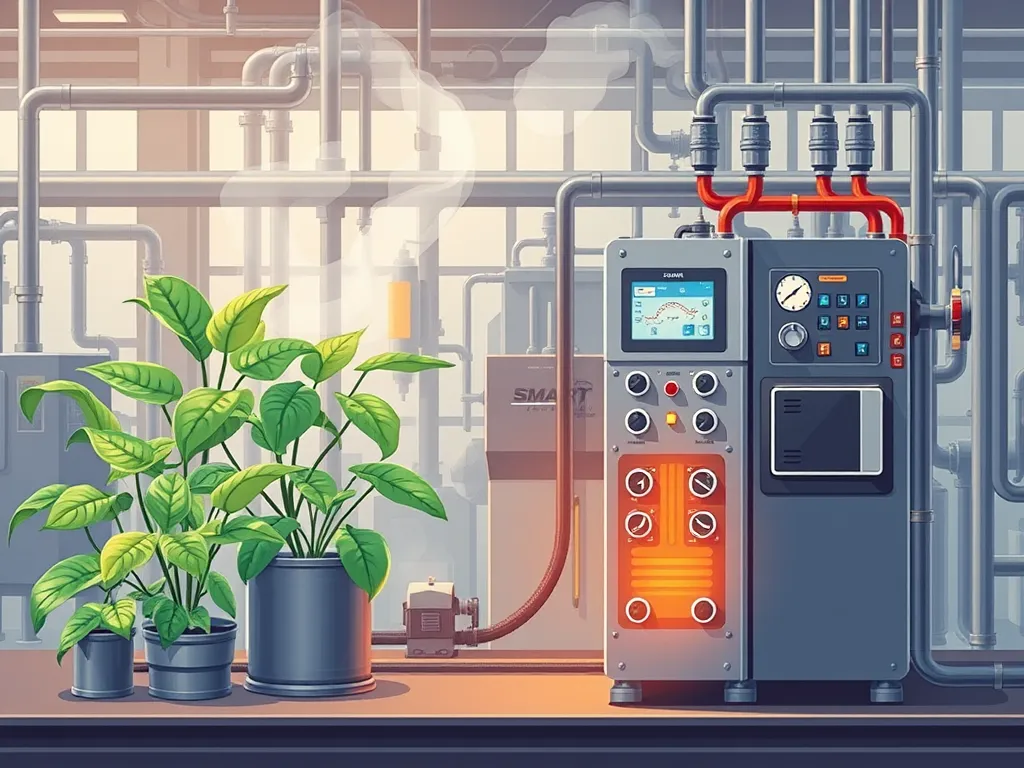
Crews use closed loops to reuse water in hot wash steps. Low-tox solvents cut eco-risks by 60% in mix-based pulls. Scrubbers trap fumes, slashing VOC release by 40%. New gear like electric crushers cuts noise by half.
Post-work, teams replant native grass to fix soil. They check water near sites each week for pH shifts. The Clean Water Act guides waste plans. Green steps add 15-30% to costs but meet LEED specs for builds. Solar heat in single-stage cuts fuel use by 25%.
These steps guide crews to balance asphalt needs with green goals as methods evolve. Up next, key questions on costs, gear, and tests in the FAQ.
Frequently Asked Questions (FAQ)
What Are the Two Primary Methods Used to Extract Bitumen?
The two primary methods used for bitumen extraction are the hot water extraction method and solvent-based extraction techniques. Each method has its advantages and is chosen based on the specifics of the material being processed.
How Does the Primary Separation Vessel Work?
The primary separation vessel (PSV) utilizes a combination of gravity and heat to separate bitumen from other materials. Typically designed with a conical base, the vessel allows heavier solids to settle while lighter bitumen rises for collection, making it an essential component of the extraction process.
What Tests Are Conducted in Asphalt Extraction Labs?
Asphalt extraction labs conduct several tests including solvent extraction to determine bitumen content, centrifuge tests to separate binders, and ignition oven tests to assess volatile components. These tests ensure the extracted materials meet quality standards for construction applications.
Why is Bitumen Considered Challenging to Extract?
Bitumen is challenging to extract due to its high viscosity and sticky nature, which complicates separation from aggregates. Additionally, variations in its composition depending on the source can further complicate the extraction process, requiring tailored techniques for effective recovery.
Closing Thoughts
Primary asphalt extraction plays a vital role in modern construction. By employing effective methods, we can efficiently recover bitumen, reducing waste and optimizing resources. Understanding the complexities of extraction, from the challenges of viscosity to the economic factors, is essential for industry players.
As practices evolve, focusing on sustainable and efficient extraction techniques becomes imperative. Maintaining high standards in testing and quality control ensures the integrity of extracted materials, ultimately benefiting both the environment and the economy.
For more insights and tools related to asphalt extraction and calculations, check out Asphalt Calculator USA.
Additional Resources for You:
- National Asphalt Pavement Association (NAPA, Industry Reports & Best Practices)
- (PDF) Extraction and recovery of asphalt binder: a literature review
- Quantitative evaluation of asphalt binder extraction from hot mix asphalt pavement using ashing and centrifuge methods – ScienceDirect
- Understanding Bitumen Content in Asphalt Pavement – Civil Engineering Topics
- Asphalt and Sand: A Material History of Extraction and Consumption — Cleveland Review of Books

