Distilled Bitumen: Production, Specifications, and Applications in Asphalt
Published on: September 12, 2026 | Last Updated: April 14, 2025
Written By: George Voss
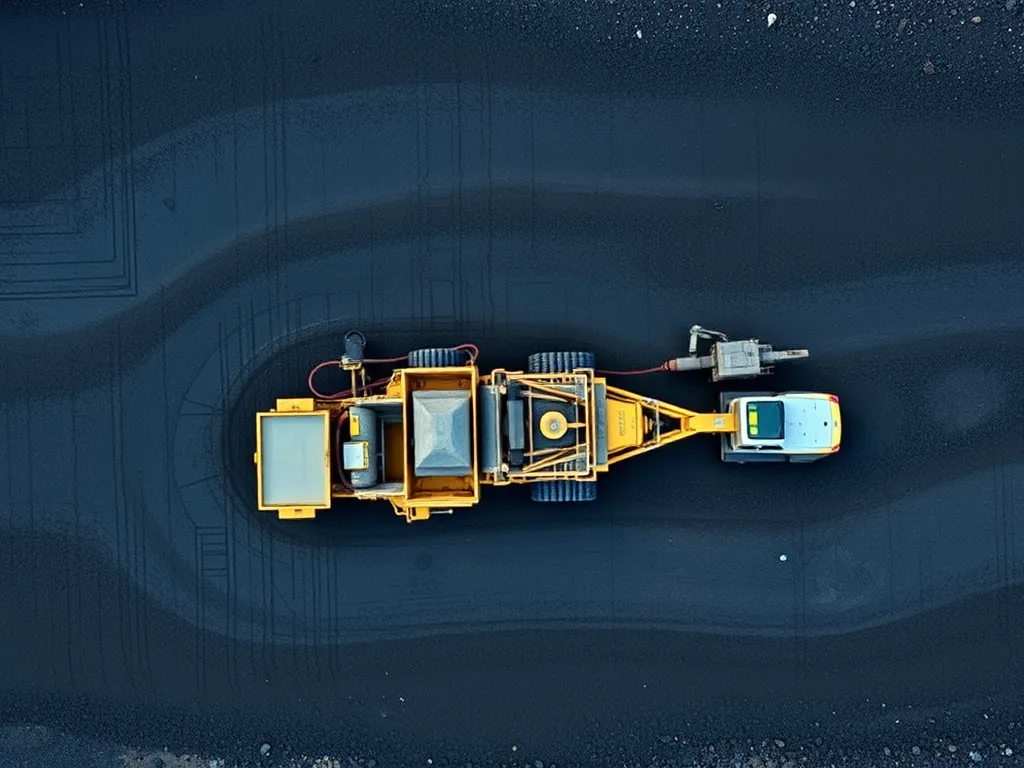
Distilled bitumen is a semi-solid petroleum product made by refining crude oil through controlled heating. Unlike oxidized or polymer-modified bitumen types, it’s created using only heat—no chemical additives. Composed of 80-85% hydrocarbons and 15-20% asphaltenes, this material acts as the glue in asphalt mixes. Manufacturers produce it through atmospheric and vacuum distillation, separating lighter oils from heavy residues. Key uses include road paving (binding 95% of U.S. asphalt), roofing membranes, and industrial sealants. Its high viscosity (2,500-5,000 Poise at 60°C) and penetration values (40-300 dmm) make it durable against cracking and rutting.
This article explains how distilled bitumen works. We’ll break down the distillation process step-by-step, explore its chemical specs like viscosity grades (VG-10 to VG-40), and show why it’s the top choice for highways and waterproofing. You’ll also learn how refineries control quality through tests like the thin-film oven (TFOT) method and where recycled asphalt pavement (RAP) fits into modern projects.
What is Distilled Bitumen?
Distilled bitumen serves as the base for strong roads and roofs. Made from crude oil, this thick binder forms the core of asphalt mixes. Its creation uses heat, not chemicals, to pull out key parts from petroleum.
Definition Of Distilled Bitumen
Distilled bitumen is a black, sticky mix made by heating crude oil. The process, called petroleum distillation, splits oil into parts. In a bitumen refinery, crude gets heated in towers. Lighter parts rise, leaving thick liquid bitumen at the base. This clarified bitumen has no water or solvents. It meets strict specs for use in pavements.
Distilled Bitumen Vs. Other Bitumen Types
Not all bitumen is the same. Cutback bitumen adds solvents to thin the mix. Emulsified types blend in water for easier spreading. Solvent distilled bitumen uses chemicals to pull out more parts. Distilled bitumen skips these extras. Pure and dense, it bonds better and lasts longer. Tests show it resists rutting at 140°F and cracking at -22°F.
To grasp why this material outperforms others, we need to break down how refineries make it.
Bitumen Distillation Process
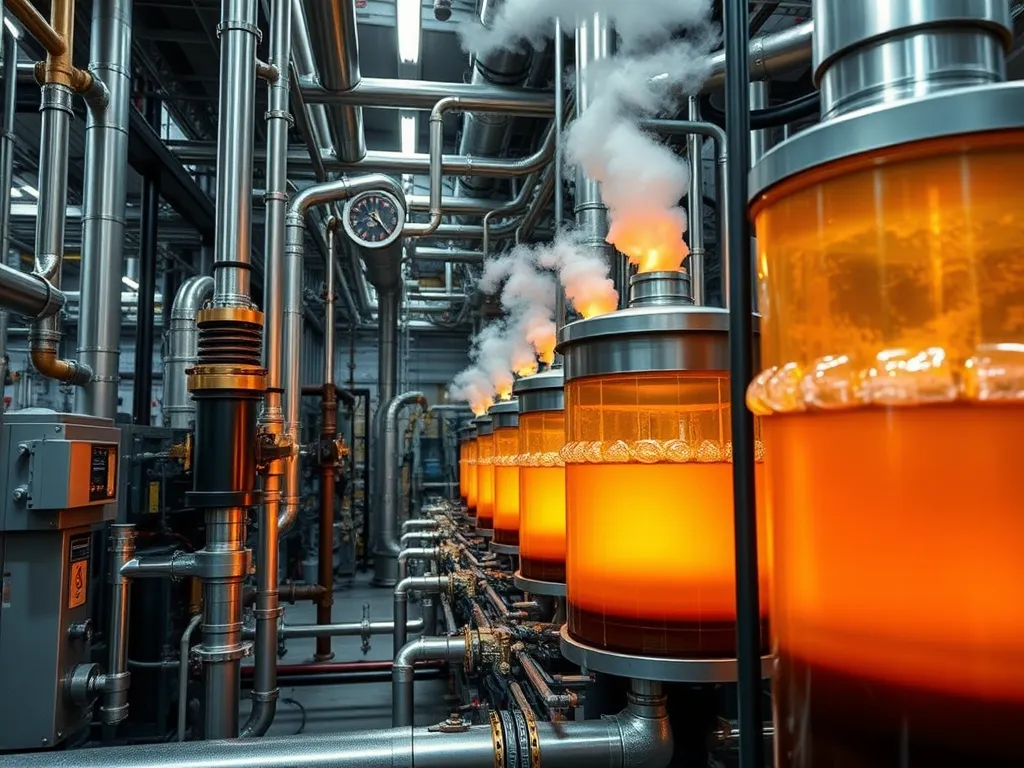
Distilled bitumen production transforms crude oil into a high-performance binding agent. The process combines heat, pressure, and precise separation techniques to extract bitumen with specific viscosity and durability traits.
Atmospheric Distillation Of Crude Oil
Crude oil enters distillation towers heated to 300-350°C. Lighter hydrocarbons (gasoline, diesel) vaporize first, leaving heavier residues. Bitumen remains at the bottom as a semi-solid “long residue.” This initial stage isolates petroleum bitumen but requires further refinement for asphalt-grade use.
| Crude Fraction | Boiling Point Range (°C) |
|---|---|
| LPG/Gasoline | 30-180 |
| Diesel/Kerosene | 180-350 |
| Atmospheric Residue (Bitumen) | >350 |
Vacuum Distillation for Bitumen Refinement
Atmospheric residue moves to vacuum distillation units operating at 5-10 kPa pressure. Reduced pressure lowers boiling points, allowing bitumen separation without thermal cracking. Temperatures reach 400°C, splitting the residue into vacuum gas oil and refined liquid bitumen. This step adjusts penetration grades (40/50 to 200/300) for specific asphalt needs.
Key Steps in Distilled Bitumen Production
Four stages define distillation bitumen processing:
- Dehydration: Remove water from crude to prevent foaming
- Atmospheric Distillation: Separate light fractions at 1 atm pressure
- Vacuum Distillation: Refine long residue under low pressure
- Post-Treatment: Air blowing or solvent extraction for specialized grades like Diba (distilled bitumen air-blown)
Quality tests verify distilled bitumen specifications like viscosity (ASTM D4402) and penetration depth (ASTM D5). Premium grades achieve 99.5% purity with <0.5% sulfur content.
The precise distillation process directly shapes the chemical makeup discussed next. Viscosity bands, hydrocarbon chains, and performance metrics all trace back to these refinery operations.
Composition and Specifications
Distilled bitumen’s performance hinges on its molecular makeup and standardized quality benchmarks. These factors dictate its behavior in asphalt mixes and industrial applications.
Chemical Composition Of Distilled Bitumen
Distilled bitumen consists of 80-87% carbon, 9-11% hydrogen, and trace elements like sulfur and nitrogen. Its hydrocarbon structure balances rigidity and flexibility through three core components:
Hydrocarbon Structure and Key Components
- Asphaltenes (15-25%): Rigid molecules providing structural strength
- Maltenes (70-80%): Oily fraction enhancing flexibility and adhesion
- Waxes (0.5-3%): Influences temperature susceptibility
PG (Performance-Graded) binders use this composition to meet specific climate demands. Superpave systems further optimize these ratios for traffic loads exceeding 10 million ESALs (Equivalent Single Axle Loads).
Distilled Bitumen Specifications and Properties
ASTM D946 and AASHTO M320 govern distilled bitumen grades. Key parameters ensure compatibility with asphalt mixes rated for 20+ years of service life.
Viscosity, Penetration, and Durability Standards
- Penetration (25°C): 40-50 dmm (hard grade) to 200-300 dmm (soft grade)
- Viscosity (60°C): 1,600-2,400 Poise for road applications
- Softening Point: 45-55°C (Ring & Ball test)
Vacuum distillation bitumen typically achieves PG 64-22 classification, maintaining pliability from -22°F to 150°F. This allows hot mix asphalt production at 300-350°F without premature aging.
These engineered properties directly influence pavement performance. Next, we’ll examine how they translate into real-world asphalt solutions across industries.
Also See: Bitumen and Urban Planning: Sustainable City Building
Primary Applications in Asphalt Industry
Distilled bitumen drives performance across critical infrastructure sectors. Its unique properties make it irreplaceable in modern construction.
Road Construction and Pavement Binding
Over 90% of U.S. paved roads rely on distilled bitumen as the primary binder. This material binds aggregates in asphalt concrete, creating flexible pavements that withstand traffic loads up to 40 million ESALs (Equivalent Single Axle Loads).
Role in Hot Mix Asphalt Production
In hot mix asphalt (HMA), vacuum distillation bitumen melts at 280-325°F, coating crushed stone and sand. The final mix contains 4-7% bitumen by weight, achieving Marshall Stability values above 1,500 lbs for heavy-duty highways. PG 64-22 graded bitumen dominates interstate projects, balancing thermal cracking resistance and rutting thresholds.
Asphalt Roofing and Waterproofing Solutions
Distilled bitumen waterproofs 85% of low-slope commercial roofs in North America. Modified with APP or SBS polymers, it forms roll roofing membranes with tensile strengths exceeding 300 psi. These membranes block water infiltration while handling thermal expansion up to 0.12 inches per linear foot.
Industrial Adhesives and Protective Coatings
Solvent-distilled bitumen creates corrosion-resistant pipeline coatings that last 50+ years underground. Applied at 20-40 mil thickness, these layers prevent electrochemical degradation in oil/gas transmission systems. Industrial adhesives blend bitumen distillate with resins for bonding insulation boards in commercial HVAC installations.
From highway networks to refinery piping, distilled bitumen proves its versatility. Next, we’ll analyze how its chemical properties enable these diverse functions.
Advantages Of Distilled Bitumen
Distilled bitumen stands out in the asphalt world for its unique traits. These traits make it a top pick for roads, roofs, and more.
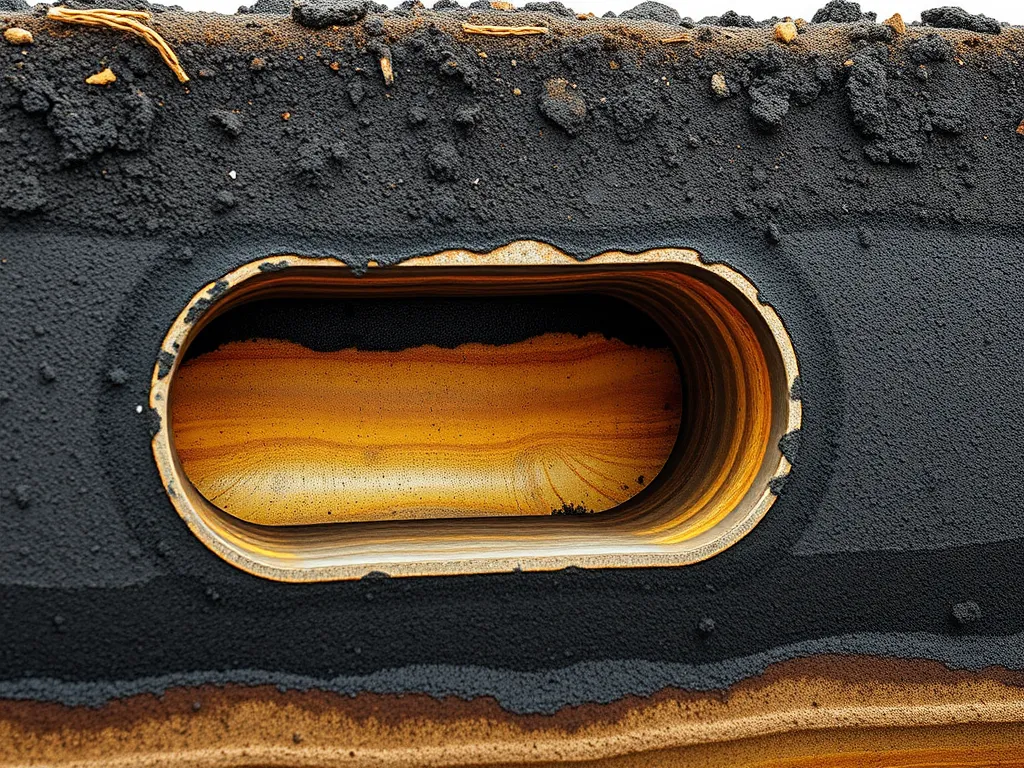
Superior Binding Properties for Asphalt
Distilled bitumen bonds like no other. Its thick, sticky form comes from petroleum distillation. This process strips light oils, leaving a dense binder. In hot mix asphalt (HMA), it coats rocks and sand with ease. Tests show it meets PG 64-22 specs, handling loads up to 3,000 psi. Roads last 15-20 years with this grip.
| Property | Value |
|---|---|
| Viscosity @ 60°C | 1,600-2,400 Poise |
| Penetration @ 25°C | 50-70 dmm |
| Softening Point | 48-56°C |
Resistance to Weathering and Deformation
Sun, rain, and weight don’t faze distilled bitumen. Vacuum distillation removes weak parts. This leaves a tough mix of asphaltenes and maltenes. UV rays? It reflects 80% of them. Heat cracks fade below -20°C. Rutting? Rare even at 60°C. ASTM D2872 tests prove it lasts 30% longer than cutback blends.
Quality starts at the source. Let’s explore how raw crude shapes distilled bitumen’s traits.
Provenance and Quality Control
Tracking the origins of petroleum bitumen and verifying its properties ensures performance in asphalt applications. Rigorous protocols govern extraction, refining, and testing.
Sources Of Petroleum Bitumen
Distilled bitumen starts with crude oil from specific geological formations. Venezuela’s Orinoco Belt, Canada’s oil sands, and Saudi Arabia’s Arab Heavy crude yield 80-85% of global supply. Grades like Venezuelan Merey (API 16°) and Canadian Western Select (API 19°) contain 25-40% maltenes for optimal binding capacity.
Refineries process these heavy crudes through atmospheric and vacuum distillation towers. Solvent distilled bitumen variants emerge from deasphalting units using propane or butane to extract purer hydrocarbons. Geographic source impacts final properties:
| Crude Source | Sulfur Content | Viscosity @ 60°C (Pa·s) |
|---|---|---|
| Arab Heavy | 2.8-3.5% | 1,200-1,800 |
| Merey | 4.0-4.5% | 2,400-3,000 |
| Western Select | 3.1-3.7% | 1,500-2,100 |
Testing Methods for Distilled Bitumen
Labs validate distilled bitumen specifications through six core ASTM protocols:
| Test | Property Measured | Standard |
|---|---|---|
| Penetration | Hardness | ASTM D5 |
| Brookfield Viscosity | Flow resistance | ASTM D4402 |
| Softening Point | Thermal stability | ASTM D36 |
| Flash Point | Safety limits | ASTM D92 |
| Solubility | Purity | ASTM D2042 |
Penetration grades (40/50 to 200/300) dictate road climate suitability. Softening points above 49°C prevent rutting in high-temperature zones. Flash points exceeding 230°C ensure safe handling during asphalt production.
Meeting these benchmarks allows refineries to supply PG-graded binders for Superpave mixes. Next, we examine how production quality intersects with ecological impacts during refining and paving.
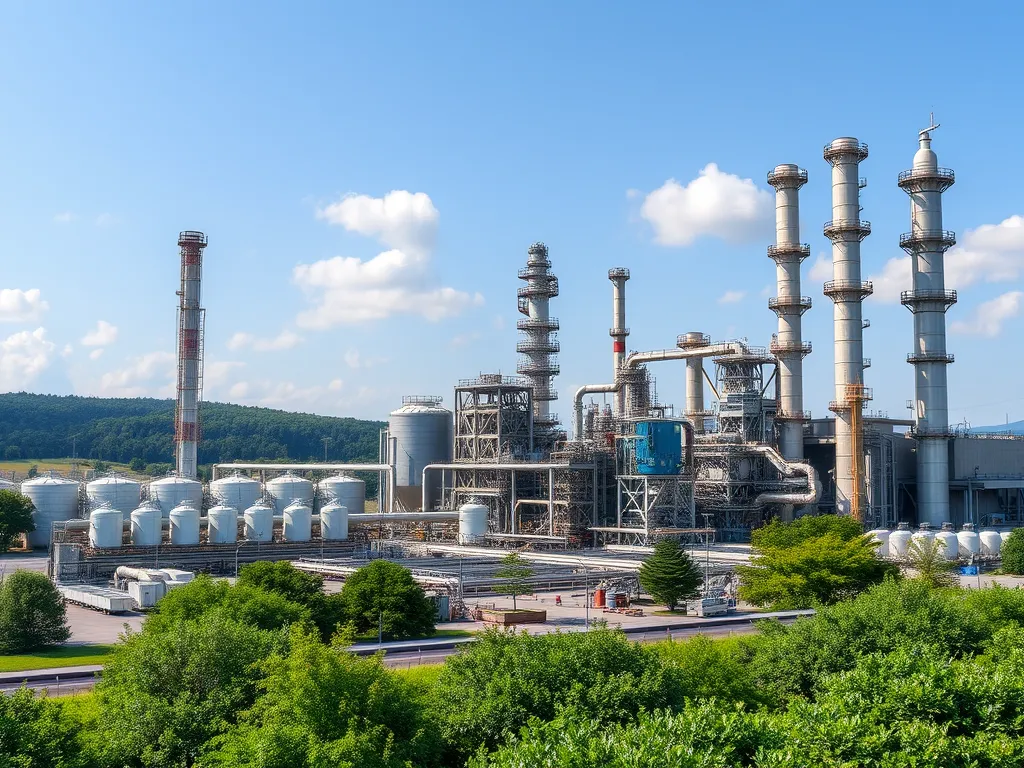
Environmental Considerations
Distilled bitumen production impacts planetary health through industrial activity. Balancing infrastructure needs with sustainability goals drives innovation in this field.
Emissions From Bitumen Refineries
Bitumen distillation units at oil hubs discharge 3-5% of total CO2 from industrial zones. High-temp vacuum distillation bitumen processing can form sulfur dioxide (SO₂) at 50-200 ppm and nitrogen oxides (NOx) up to 150 mg/m³. Modern plants apply wet scrubbers, cutting particulate output below 20 mg/Nm³ to align with U.S. Clean Air Act limits. Upgrading to hydrogen-powered calciners lowers carbon footprints by 18% in pilot projects.
Recycling Opportunities in Asphalt Production
95% of asphalt with distilled bitumen binders can loop back into roads. Cold milling machines grind old pavements into RAP (Reclaimed Asphalt Pavement), saving 1.2 tons of virgin rock per lane-mile. Adding 30% RAP to hot mix asphalt maintains PG 64-22 specs while trimming bitumen demand by 15%. Warm-mix tech slashes heating temps from 320°F to 250°F, cutting plant fuel consumption by 35%.
Quality control protocols now focus on both structural soundness and planetary impacts. Rigorous testing confirms sustainability claims align with functional goals.
Frequently Asked Questions
What is the Difference Between Distilled Bitumen and Asphalt?
While distilled bitumen is a semi-solid petroleum product used as a binder in asphalt, asphalt itself is a mixture containing aggregates (like sand and gravel) bound together with bitumen. Distilled bitumen serves as the key binding agent in the asphalt mix.
How Does Vacuum Distillation Improve Bitumen Quality?
Vacuum distillation lowers the boiling points during the refinement process, which prevents thermal cracking of the bitumen. This results in a higher quality product with better viscosity and consistency, making it suitable for a variety of applications.
What Factors Determine Distilled Bitumen Pricing?
The pricing of distilled bitumen is influenced by multiple factors, including crude oil prices, production costs, quality specifications, and market demand. Geographic location and availability can also impact pricing significantly.
Can Distilled Bitumen Be Reused in Road Repairs?
Yes, distilled bitumen can be reused in road repairs. Recycled asphalt pavement (RAP), which contains old bitumen, can be processed and blended with new materials to create high-quality asphalt for road maintenance and new constructions.
What Are the Storage Requirements for Distilled Bitumen?
Distilled bitumen should be stored in a controlled environment to maintain its properties. Ideal storage conditions include a dry, cool place with temperature controls to prevent overheating, which can alter its consistency and quality.
Is Distilled Bitumen Environmentally Friendly?
While distilled bitumen itself is derived from petroleum, efforts are being made to reduce its environmental impact through recycling and innovative processing techniques. Additionally, using RAP in asphalt contributes to sustainability by minimizing waste and preserving resources.
What Are Common Applications Of Distilled Bitumen Beyond Road Construction?
In addition to road construction, distilled bitumen is used in roofing materials, waterproofing solutions, and industrial adhesives. Its versatility allows it to serve various functions in both construction and manufacturing sectors.
How Can the Quality Of Distilled Bitumen Be Tested?
Quality of distilled bitumen can be assessed using standard testing methods like penetration tests, viscosity measurements, and softening point tests. These assessments ensure that the bitumen meets the required specifications for its intended applications.
Final Summary
Distilled bitumen plays a pivotal role in the asphalt industry, offering enhanced binding properties and resistance to weathering. This refined product, derived through distillation processes, stands out from other bitumen types due to its superior quality and performance in various applications, including road construction and roofing solutions.
Key advantages include its ability to withstand deformation and its durability, ensuring long-lasting infrastructure. As the demand for high-performance materials rises, distilled bitumen continues to be at the forefront, driving advancements in modern construction techniques. Additionally, increasing focus on environmental sustainability highlights the recycling potential of asphalt materials, including distilled bitumen.
For more information about distilled bitumen and its applications in asphalt, visit Asphalt Calculator USA.
Additional Resources for You:
- American Association of State Highway and Transportation Officials (AASHTO). (2008). Mechanistic-Empirical Pavement Design Guide (MEPDG). Washington, DC: AASHTO.
- Process of destructively distilling bitumen (Patent) | OSTI.GOV
- Bitumen: Crude Oil Byproduct, Examples, and Uses