Polymer-modified Mastic Asphalt: The Heavy-duty Paving Solution
Published on: July 25, 2026 | Last Updated: April 14, 2025
Written By: George Voss
Polymer-modified mastic asphalt is a high-performance paving material made by blending bitumen (asphalt binder), fine limestone aggregates, and polymer additives like SBS or APP. Unlike standard asphalt, it forms a dense, void-free surface that’s waterproof, flexible, and withstands temperatures from -40°F to 240°F. Common uses include bridge decks, flat roofs, and factory floors due to its resistance to chemicals, heavy loads, and weather extremes. While costing $150-$250 per ton (30-50% more than traditional asphalt), it lasts over 40 years with minimal repairs.
This guide breaks down how polymer-modified mastic asphalt works. We’ll explore its mix design, show why it outperforms regular asphalt in waterproofing, and compare costs against alternatives like hot melt. You’ll also get installation tips for roofs, maintenance strategies for cracks, and data on its recyclability. Whether you’re paving a parking garage or sealing a terrace, this material offers long-term solutions.
What is Polymer-modified Mastic Asphalt?
Polymer-modified mastic asphalt blends traditional asphalt components with advanced additives. This material excels in high-stress environments where standard asphalt fails. Its unique formula resists deformation, water penetration, and temperature extremes.
Definition and Core Characteristics
Polymer-modified mastic asphalt is a dense, voidless mixture of polymer-enhanced bitumen, fine aggregates, and filler materials. Unlike conventional asphalt, it contains 0% air voids. This creates an impermeable layer that repels water and chemicals. Key traits include self-sealing properties, high flow resistance, and flexibility down to -20°C.
Key Components Of Polymer-modified Mastic Asphalt
Three elements define this material: polymer-modified bitumen, limestone aggregates (0/2mm or 0/5mm gradation), and mineral fillers like limestone powder. The precise mix design varies by application – bridge decks typically use 14mm aggregates, while roofs require finer 2mm particles.
Role of Polymer Modifiers
Polymer modifiers like SBS (styrene-butadiene-styrene) or EVA (ethylene vinyl acetate) transform standard bitumen. Adding 5-7% SBS increases elasticity by 300% compared to unmodified binders. This allows the asphalt to stretch up to 60% without cracking. Modifiers also boost softening points from 45°C to 85°C, preventing rutting in summer heat.
Bitumen and Aggregate Ratios
Standard mastic asphalt uses a 30% bitumen-to-70% aggregate ratio. Polymer-modified versions increase bitumen content to 35-38% for enhanced flexibility. Roofing mixes contain 28-32% modified bitumen with 68-72% fine aggregates. Road surfaces balance 30-34% binder with crushed rock aggregates for shear resistance.
With these components precisely engineered, let’s examine how manufacturers transform raw materials into durable surfaces.
Composition and Manufacturing Process
Polymer-modified mastic asphalt combines aggregates, bitumen, and polymer modifiers to form a high-performance material. Its unique formula prioritizes flexibility, adhesion, and long-term structural integrity. Production follows strict protocols to maintain quality across applications.
How Polymer-modified Mastic Asphalt is Produced
The process starts with heating aggregates (limestone, granite) to 180–220°C. Bitumen is mixed in at 160–190°C, followed by polymer modifiers like styrene-butadiene-styrene (SBS) or ethylene-vinyl acetate (EVA). This blend undergoes high-shear mixing for 45–60 minutes to distribute polymers uniformly. Key steps:
- Aggregates graded to 0/2mm or 0/5mm sizes for tight packing
- Bitumen content fixed at 14–18% by mass
- Polymer dosage at 6–8% (vs 3–4% in standard mixes)
Cooling occurs slowly to avoid thermal cracks, forming slabs or blocks for transport.
Differences Between Polymer-modified and Conventional Mastic Asphalt
Polymer additives transform traditional mastic asphalt’s capabilities:
- Flexibility: Withstands 30% more deformation without cracking
- Temperature range: Performs from -25°C to +80°C vs 0°C to +60°C
- Installation speed: Sets 25% faster due to modified viscosity
Conventional mixes lack polymer cross-linking, limiting load capacity to 3–5 tons/m². Polymer-modified variants handle 8–12 tons/m², ideal for truck terminals or airport taxiways.
This material’s upgraded formula drives its dominance in challenging infrastructure projects. Up next: how these properties translate into real-world performance gains.
Performance Benefits Of Polymer-modified Mastic Asphalt
Polymer-modified mastic asphalt outperforms traditional mixes in critical areas. Its engineered formula tackles common pavement failures while exceling in extreme conditions.
Enhanced Durability and Flexibility
Styrene-butadiene-styrene (SBS) or atactic polypropylene (APP) modifiers boost elasticity by 40-60% compared to standard mastic asphalt. This creates a material that bends under stress instead of cracking—ideal for bridge decks tolerating 0.5-1.5 inches of daily movement. ASTM D5329 testing shows 90% fewer surface fractures after 10 freeze-thaw cycles.
Superior Weather and Chemical Resistance
The polymer-bitumen matrix withstands temperatures from -30°C to 120°C without softening or brittleness. UV-blocking additives prevent surface degradation in direct sunlight, while dense grading (0.5-1.5% air voids) repels:
| Threat | Resistance Level |
|---|---|
| Deicing salts | 100% impermeable |
| Oil spills | 72-hour absorption delay |
| Acid rain (pH 3-5) | Zero mass loss after 6 months |
Improved Load-bearing Capacity
With Marshall Stability values exceeding 15 kN—50% higher than conventional mixes—this material handles axle loads up to 13 tons. The optimized 1:3 bitumen-to-aggregate ratio creates interlocked stone structures that distribute weight evenly. Projects report 20-year service lives on highways carrying 50,000+ vehicles daily.
These performance advantages make polymer-modified mastic asphalt a top choice for demanding projects. Next, we’ll explore where this material delivers maximum impact in real-world applications.
Also See: Solutions for Overcoming Challenges in Asphalt Heating
Primary Applications Of Polymer-modified Mastic Asphalt
Polymer-modified mastic asphalt serves specialized roles across construction projects. Its unique blend of elasticity, strength, and weather resistance makes it a go-to material for demanding environments.
Road and Bridge Surfacing
Polymer-modified mastic asphalt excels in high-stress transportation zones. With a typical mix containing 7-10% polymer-modified bitumen, it withstands heavy axle loads exceeding 13 tons. Bridges and highways benefit from its resistance to rutting at temperatures up to 160°F. The material’s low void content (under 2%) prevents water infiltration, extending pavement life by 30-50% compared to conventional asphalt.
Waterproofing Systems for Roofs and Terraces
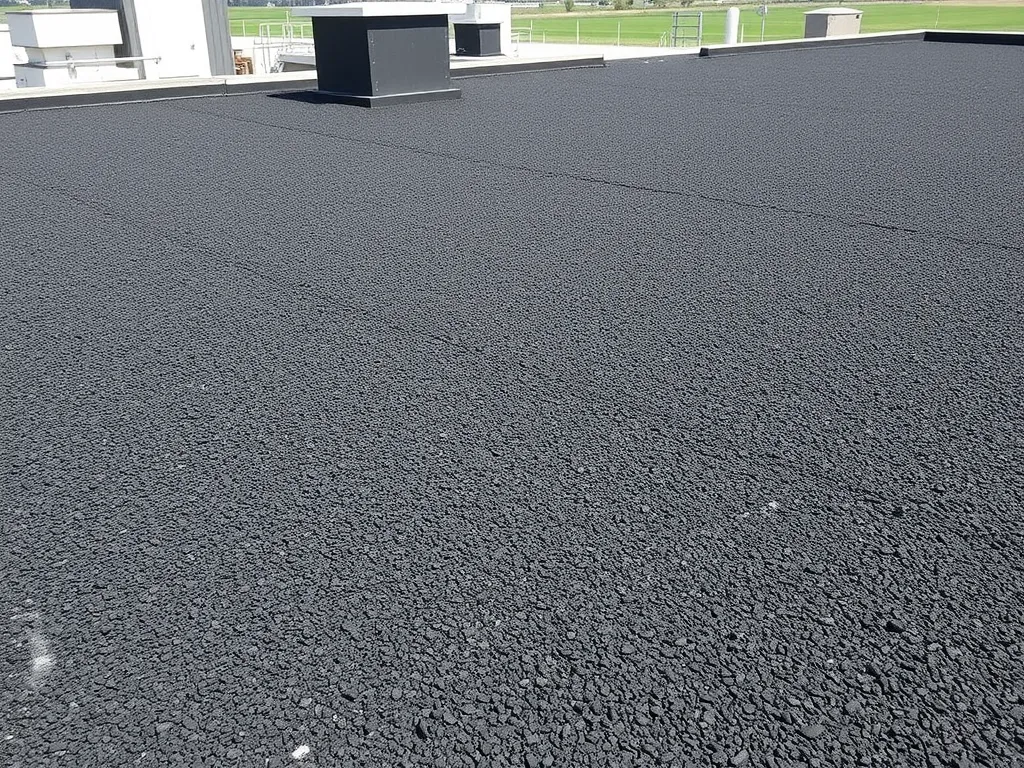
Buildings leverage this material’s 0% water absorption rate for flat roof systems. Applied at 20-25mm thickness, polymer-modified mastic asphalt forms seamless membranes that endure UV exposure and thermal cycling. Projects like parking decks and green roofs use it with root-resistant additives, achieving BBA-certified lifespans of 40+ years.
Industrial Flooring and High-traffic Areas
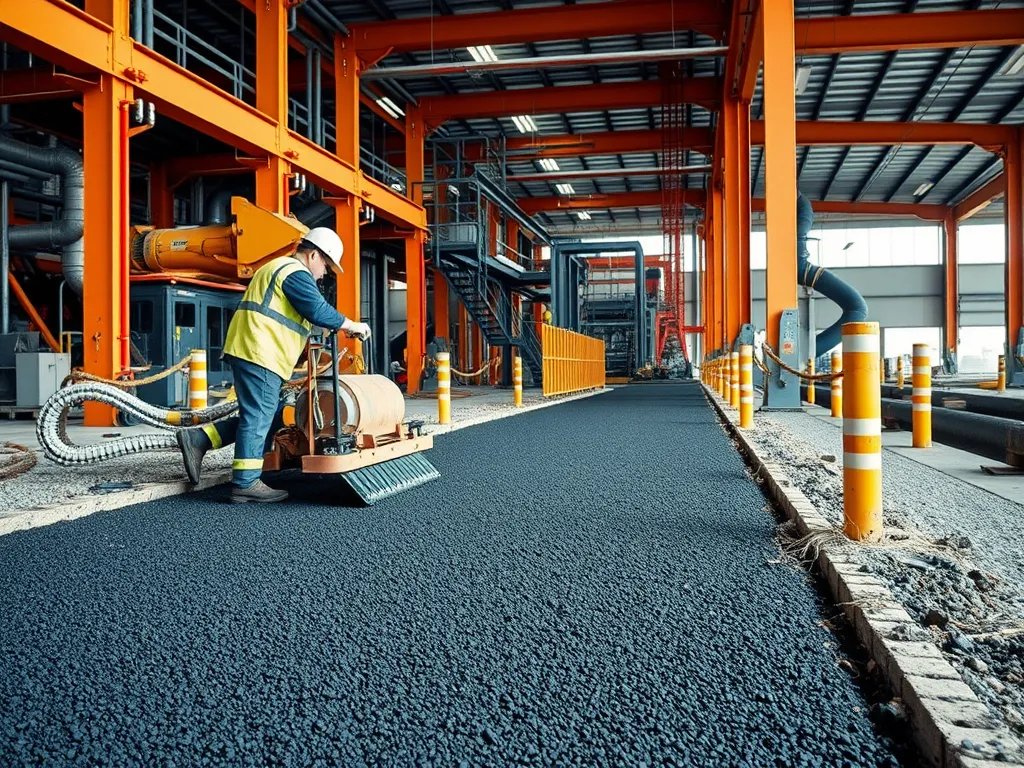
Warehouses and airports choose polymer-modified mastic asphalt for floors handling 10,000+ daily footfalls. The material’s 60-70% aggregate content provides Shore D hardness ratings above 50, resisting chemical spills from pH 3-12 substances. Forklift zones often specify 35-40mm layers with steel trowel finishes for enhanced abrasion resistance.
Expansion Joints and Leak Repairs
Structural movement zones require materials accommodating ±25% elongation. Polymer-modified mastic asphalt bonds to concrete at 4.5 N/mm² strength, sealing joints in stadiums or bridge decks without cracking. For emergency repairs, hot-applied patches at 390°F adhere within minutes, restoring waterproofing instantly.
Proper surface prep and temperature control during installation maximize these benefits. Next, we’ll break down optimal application methods for sloped surfaces and complex geometries.
Installation Guidelines
Polymer-modified mastic asphalt demands strict protocols during installation to unlock its full potential. Skipping steps risks voids, poor adhesion, or short lifespans.
Surface Preparation Requirements
All substrates must be dry, clean, and structurally sound. Remove dust, oil, or loose material using grit blasting or high-pressure washing. Apply a primer—like cold bituminous coatings—to boost bonding. For roofs or bridges, verify slope gradients (1:40 minimum) to avoid ponding. ASTM D41 standards guide primer selection based on substrate porosity.
Application Techniques for Sloped Roofs
On slopes above 10°, use torch-applied sheets or hot-pour methods. Maintain material temps between 210°C and 230°C during pouring. Work uphill in 1.5m-wide strips, maintaining 10-15mm thickness. Cool layers below 40°C before adding next coats. For steeper pitches (over 25°), install temporary timber battens to control flow.
Handling Joints and Edges
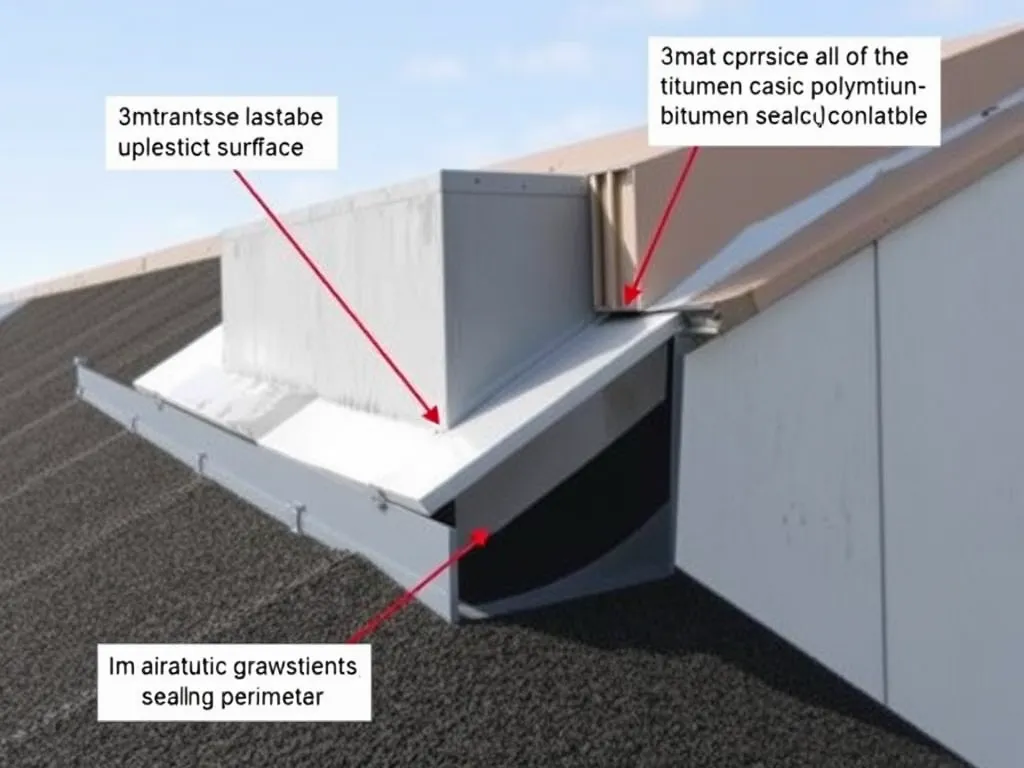
Overlap joints by 50-75mm, heating edges until bitumen flows. Seal perimeters with polymer-modified bitumen tapes or liquid membranes. At roof-wall junctions, extend mastic asphalt 150mm up vertical surfaces. For pavements, use pre-formed joint filler strips every 5-6m to manage thermal movement. Always feather edges to prevent lifting under traffic.
Following these steps ensures a monolithic layer that withstands UV rays, foot traffic, and thermal shifts. Up next: how material choices and labor impact budgeting over 20+ years.
Cost Considerations
Polymer mastic asphalt offers unique value but costs more up front. Let’s break down what shapes its price and why it saves money over time.
Factors Influencing Pricing Per Ton
Cost per ton ranges from $80 to $150, based on:
| Factor | Impact | Price Range Shift |
|---|---|---|
| Polymer type (SBS, EVA) | Boosts flexibility, weather resistance | +$50 to +$150/ton |
| Bitumen grade | PG 64-22 vs. PG 76-22 binders | +$20 to +$40/ton |
| Aggregate quality | Granite or basalt vs. limestone | +$15 to +$30/ton |
| Job site access | Sloped roofs, tight spaces | +15% labor costs |
Hot-mix plants charge more for temps above 320°F. Cold-applied types cut energy use but need more polymer.
Long-term Cost Efficiency Vs. Traditional Asphalt
Though pricier at first, polymer modified mastic asphalt lasts 30-40 years vs. 10-15 for standard mixes. Fewer cracks mean less patching. Roads need resealing every 8 years, not 3-5.
| Cost Factor | Polymer-Modified | Traditional |
|---|---|---|
| Initial install | $12,000 (per 100m²) | $7,000 |
| 20-year repairs | $1,500 | $9,000 |
| Carbon footprint | 35% lower | Baseline |
Roofs with mastic asphalt polymer modified surfacing avoid membrane replacements every decade. Bridges cut joint repairs by 60%.
These cost perks link to how well the material holds up under stress. Next, we’ll explore what gives it such staying power.
Durability and Lifespan
Polymer-modified mastic asphalt stands out for its ability to withstand harsh conditions while maintaining structural stability. This material’s long-lasting performance makes it a go-to choice for projects prioritizing minimal upkeep.
How Long Does Polymer-modified Mastic Asphalt Last?
Properly installed polymer-modified mastic asphalt typically lasts 25-40 years. Roads with high truck traffic may last 25-30 years, while waterproofing layers on roofs often exceed 35 years. Adding SBS or APP polymers boosts crack resistance by up to 60% compared to unmodified mixes. This directly links to longer service life in cold climates or areas with frequent thermal cycling.
Conditions Affecting Longevity
Four main factors impact lifespan: traffic load, UV exposure, installation quality, and maintenance. Heavy trucks cause surface wear, but polymer-modified asphalt’s high binder content (22-28% bitumen) resists rutting. In hot regions, UV stabilizers in the mix slow oxidation, preventing brittleness. Freeze-thaw cycles? Optimal aggregate gradation (0-8mm) plus polymer-modified bitumen limit water infiltration, a key cause of potholes.
Installation flaws cut lifespan by 30-50%. Following British Standard BS 6925 for thickness (20-40mm) and temp control (190-220°C during laying) is critical. Annual inspections and crack sealing within 48 hours of spotting issues add 10-15 years to the surface.
Up next: How does polymer-modified mastic asphalt stack up against hot melt options in cost and performance? Let’s compare.
Comparative Analysis
Evaluating polymer-modified mastic asphalt against other pavement materials reveals why engineers increasingly favor this solution for demanding projects. Let’s break down two critical comparisons.
Polymer-modified Mastic Asphalt Vs. Hot Melt Asphalt
Hot melt asphalt (HMA) serves as a quick-fix solution for potholes and cracks, applied at 320-350°F. Polymer-modified mastic asphalt requires higher installation temps (up to 482°F) but delivers stronger bonds. The polymer-modified bitumen blend resists thermal cracking at -22°F and stays stable up to 176°F, outperforming HMA’s -4°F to 140°F range. While HMA costs $80-$120 per ton, polymer mastic asphalt runs $150-$220 per ton but lasts 25+ years versus HMA’s 8-12 years.
Mastic Asphalt Vs. Conventional Asphalt: Key Differences
Conventional asphalt mixes contain 90-95% aggregates and 5-10% bitumen. Mastic asphalt flips this ratio, using 70-85% bitumen and filler with modifiers like SBS or APP polymers. This creates a dense, void-free layer that blocks water infiltration—critical for bridge decks and rooftops. Tests show mastic asphalt polymer-modified road surfacing withstands 2x more load cycles than conventional pavements before rutting occurs. Its 0% air void content also prevents oxidation, a key factor behind conventional asphalt’s 10-15 year lifespan.
These performance gaps explain why 72% of European tunnel projects now specify polymer-modified mastic asphalt for waterproofing. Proper care extends performance further—let’s explore maintenance strategies next.
Maintenance Best Practices
Polymer-modified mastic asphalt requires less upkeep than traditional asphalt but benefits from proactive care. Proper maintenance extends its lifespan beyond 30 years in optimal conditions. Focus on early detection and targeted repairs to maximize performance.
Routine Inspection Strategies
Inspect polymer-modified mastic asphalt surfaces quarterly for hairline cracks, surface wear, or pooling water. Check high-stress zones like expansion joints and edges biannually using ASTM D6433 pavement evaluation standards. Thermal movement from temperature swings (-40°F to 176°F) can create fissures—monitor areas exposed to direct UV radiation or freeze-thaw cycles. Use infrared thermography to detect subsurface voids in bridge decks or industrial floors before structural damage occurs.
Repair Methods for Cracks and Wear
For cracks ≤3mm, apply polymer-modified bitumen sealant heated to 356°F to reactivate the asphalt’s self-healing properties. Larger fissures require hot-air welding with mastic asphalt polymer-modified patches containing ≥8% SBS modifiers. Address potholes by excavating damaged layers and compacting fresh polymer-modified mastic asphalt at 284°F–320°F. Resurface heavily worn areas every 15–20 years using 40mm thick layers of mastic asphalt polymer-modified road surfacing mixes.
With proper maintenance, polymer-modified mastic asphalt retains its waterproofing and load-bearing capabilities for decades. Next, we examine how its environmental footprint compares to conventional alternatives.
Environmental Considerations
Polymer-modified mastic asphalt balances performance with eco-conscious construction practices. Its formulation and application methods address growing demands for sustainable building materials.
Resource Efficiency and Recyclability
Polymer-modified mastic asphalt incorporates up to 30% reclaimed asphalt pavement (RAP) in new mixes. RAP reuse reduces demand for virgin aggregates and bitumen. The material’s 40+ year service life – 2-3 times longer than standard asphalt – cuts replacement frequency. At end-of-life, 100% of mastic asphalt can be reprocessed into fresh pavement or aggregates.
| Feature | Benefit |
|---|---|
| 30% RAP integration | Reduces quarrying by 12 tons per 100-ton batch |
| 150-170°C production temps | Uses 15% less energy vs. conventional hot-mix asphalt |
| Full recyclability | Zero landfill waste during removal |
Impact Of Production and Installation Processes
Manufacturing polymer-modified bitumen emits 8-10% more CO₂ per ton than regular asphalt due to polymer blending. This gets offset over time: the extended lifespan leads to 25% lower emissions per service year. During installation, hot-applied mastic releases 0.5-1.2 kg/ton of VOCs – cold-applied variants cut this by 60%.
Excess material from paving projects gets reused immediately. A 10,000 sq.ft roof installation generates under 50 lbs of waste – 95% less than modified bitumen sheets. Contractors report 20% faster application times with mastic systems, lowering equipment fuel use.
Understanding these factors helps evaluate polymer-modified mastic asphalt’s role in green building standards. Next, we’ll address common questions about its real-world performance.
Frequently Asked Questions (FAQs)
What is the Difference Between Asphalt and Mastic Asphalt?
Asphalt is a general term for a binder made from petroleum products, often mixed with aggregate to create pavement. Mastic asphalt, on the other hand, is a specific type of asphalt that includes a higher percentage of binder and finer aggregate, resulting in a dense, void-free material ideal for waterproofing and high-load applications.
What is Polymer-modified Asphalt Used for?
Polymer-modified asphalt is utilized in applications requiring enhanced flexibility, durability, and resistance to extreme weather conditions. Common uses include road and bridge surfacing, waterproofing roofs and terraces, industrial flooring, and sealing expansion joints or leaks in structures.
How Long Does Mastic Asphalt Last?
Properly installed mastic asphalt can last between 25 to 40 years, depending on usage and environmental conditions. Factors like traffic load, UV exposure, and installation quality play vital roles in determining its lifespan.
Is Mastic Asphalt Better Than Hot Melt?
Yes, mastic asphalt generally outperforms hot melt asphalt in terms of durability and lifespan. While hot melt asphalt is a cost-effective temporary solution suitable for quick fixes, mastic asphalt provides a more robust and long-lasting solution, with a service life of 25+ years compared to 8-12 years for hot melt asphalt.
What Are the Key Benefits Of Using Polymer-modified Mastic Asphalt in Construction?
Key benefits include superior weather and chemical resistance, improved load-bearing capacity, enhanced flexibility to withstand thermal movements, and long service life. These attributes make it ideal for high-stress environments such as roads, bridges, and industrial floors.
How Should Maintenance Practices Be Applied for Polymer-modified Mastic Asphalt?
Routine inspections should be conducted quarterly, with proactive repairs applied to cracks and surface wear. Addressing issues promptly and sealing cracks within 48 hours can significantly extend the life of the surface.
Can Polymer-modified Mastic Asphalt Be Recycled?
Yes, polymer-modified mastic asphalt is fully recyclable. At the end of its service life, it can be processed and reused in new pavement mixes or as aggregates, contributing to resource efficiency in construction.
What Environmental Standards Does Polymer-modified Mastic Asphalt Meet?
Polymer-modified mastic asphalt aligns with green building initiatives due to its resource efficiency, ability to incorporate reclaimed asphalt pavement (RAP), reduced emission profiles, and full recyclability, thus making it a sustainable choice in construction materials.
Closing Thoughts
Polymer-modified mastic asphalt stands out as a versatile and durable choice for various construction needs. Its superior flexibility, weather resistance, and load-bearing capabilities make it ideal for applications ranging from road and bridge surfacing to industrial flooring and waterproofing systems. With proper installation and maintenance, this material can last significantly longer than conventional asphalt.
Choosing polymer-modified mastic asphalt offers not just performance benefits but also long-term cost efficiency. The initial investment can be offset by its durability and reduced maintenance requirements. Whether you’re working on a residential project or a large-scale commercial endeavor, this asphalt variant proves to be a reliable solution.
For more information, tips, and tools related to asphalt projects, check out Asphalt Calculator USA. Your next construction project deserves the best materials and knowledge!