
Sustainable Asphalt Supply Chains: Building Greener Roads
Published on: April 20, 2026 | Last Updated: April 14, 2025
Written By: George Voss
Sustainable asphalt supply chains minimize environmental harm while delivering durable pavement. These systems focus on recycled materials, energy-efficient production, and eco-friendly transportation. Unlike traditional methods that rely on virgin aggregates and high-temperature mixing, sustainable chains use reclaimed asphalt pavement (RAP), warm mix technologies, and renewable additives. Environmental impacts like CO2 emissions and resource depletion drive this shift. Over 90% of U.S. asphalt pavements get recycled, cutting costs by 20-30% per ton while reducing landfill waste. Suppliers now prioritize low-carbon binders, electric plant upgrades, and recycled plastic/rubber additives.
This article explores how the asphalt industry balances performance with planetary health. You’ll learn about RAP integration, warm mix asphalt (WMA) energy savings, and rubber-modified pavements. We break down carbon reduction strategies in production, logistics innovations like GPS route optimization, and compliance with EPA regulations. Discover how to vet suppliers using sustainability metrics like recycled content percentages or emission tracking systems. From raw material sourcing to final paving, every step offers opportunities to cut waste and protect ecosystems.
Understanding Sustainable Asphalt Supply Chains
Sustainable asphalt supply chains focus on minimizing ecological harm while maintaining material performance. This involves rethinking how resources flow from extraction sites to construction zones—prioritizing efficiency, reduced emissions, and circular systems.
Definition and Scope Of Asphalt Supply Chain Sustainability
Asphalt supply chain sustainability covers every phase: raw material extraction, production, transportation, pavement installation, and end-of-life recycling. Key metrics include lifecycle carbon emissions, energy use per ton of mix, and recycled content rates. For example, using 30% recycled asphalt pavement (RAP) cuts virgin binder needs by 15-20%, directly lowering resource depletion. Modern frameworks integrate circular economy principles, ensuring materials stay in use through multiple pavement lifecycles.
Importance Of Sustainable Supply Chain Management in the Asphalt Industry
The global asphalt market produces over 1.6 billion metric tons yearly, making sustainability vital for cutting sector-wide emissions. Efficient supply chains reduce fuel use during transport by up to 30% through optimized routing. They also slash landfill waste—diverting 90 million tons of RAP annually in the US alone. Beyond environmental gains, sustainable practices lower production costs: every 10% RAP substitution saves $5-7 per ton. Regulatory pressures like California’s Buy Clean Act further push firms toward low-carbon mixes with verified Environmental Product Declarations (EPDs).
Building sustainable supply chains strengthens partnerships between suppliers, contractors, and municipalities. Shared goals like zero-waste targets or 95% RAP reuse rates foster innovation in cold recycling technologies and bio-based binders. These collaborations drive systemic shifts toward eco-friendly asphalt pavement solutions without sacrificing load-bearing capacity or freeze-thaw resistance.
Next, let’s examine specific materials reshaping how roads are built—and why they matter for long-term sustainability goals.
Sustainable Alternatives to Asphalt Roads
Shifting toward eco-friendly materials and methods strengthens asphalt supply chain sustainability. Three innovations lead this change: recycled asphalt pavement, modified mixes, and low-energy production techniques.
Recycled Asphalt Pavement (RAP) Applications
RAP repurposes aged asphalt by crushing it into aggregate-bitumen blends. Over 90% of U.S. states allow RAP in road mixes, with typical blends containing 20-30% recycled content. This cuts demand for virgin aggregates and fresh bitumen.
Benefits of Reusing Crushed Asphalt Materials
| Metric | RAP | Virgin Materials |
|---|---|---|
| Material Cost/Ton | $15-$20 | $35-$50 |
| Landfill Waste | 95% Less | Full Disposal |
| CO2 Emissions | 20% Lower | Baseline |
RAP lowers project costs by up to 40% while matching virgin material performance in rut resistance and load-bearing capacity.
Eco-friendly Asphalt Pavement With Rubber or Plastic Modifiers
Adding recycled rubber tires (crumb rubber modifier) or post-consumer plastics enhances asphalt characteristics. Rubber-modified mixes last 10-20% longer than standard asphalt. Plastic additives reduce bitumen usage by 8-10%, diverting 1.5 million tons of waste annually from landfills.
These modifiers improve resistance to thermal cracking and moisture damage. PG (Performance-Graded) binders with rubber meet Superpave specifications for high-traffic roads, ensuring durability at extreme temperatures.
Warm Mix Asphalt: Reducing Energy Consumption
Warm mix asphalt (WMA) is produced at 250-275°F, unlike traditional hot mix asphalt (300-350°F). Lower temperatures cut fuel use by 20% and CO2 emissions by 30%. Foaming technologies like Astec Double Barrel® or chemical additives enable workability at reduced heat.
WMA also improves compaction, allowing longer haul distances. Over 35% of U.S. asphalt plants now offer WMA, with global adoption growing at 7% yearly.
While these alternatives address material and energy challenges, optimizing the entire asphalt supply chain requires smarter manufacturing and logistics. Next, we’ll explore how advanced recycling methods and route planning further boost sustainability.
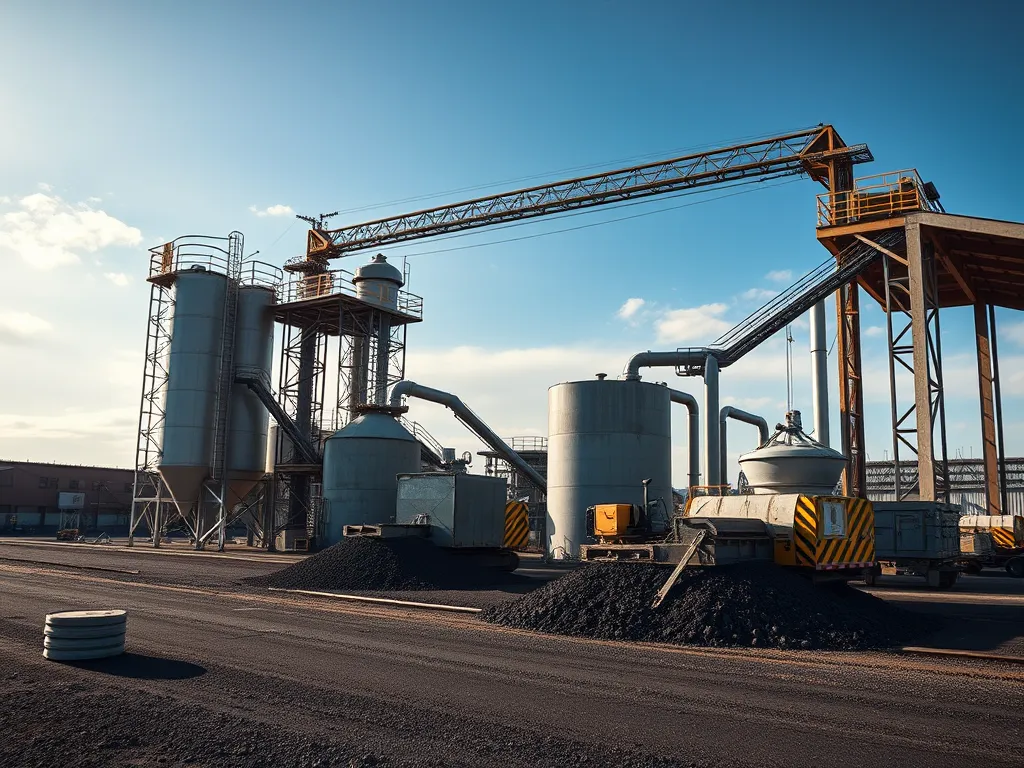
How to Enhance Asphalt Supply Chain Sustainability
Building eco-friendly asphalt supply chains demands strategic shifts in production, transport, and material sourcing. These methods slash environmental harm while maintaining pavement performance.
Recycling Practices in Asphalt Manufacturing Processes
Recycled Asphalt Pavement (RAP) now forms 20-50% of new mixes in progressive plants. Crushed RAP binds with fresh bitumen, reducing virgin aggregate use by 30% per ton. This cuts landfill waste and material costs by $2-$5 per square yard.
Optimizing RAP Integration in New Asphalt Production
Advanced plants use PG (Performance Graded) binders to boost RAP compatibility. Superpave mix designs – specifying aggregate angularity and binder viscosity – ensure recycled blends meet AASHTO M 323 standards. Proper RAP heating below 300°F prevents bitumen aging, maintaining pavement flexibility.
Energy-efficient Asphalt Production Techniques
Warm Mix Asphalt (WMA) technologies lower production temps from 300°F to 230°F. Foaming injects water into bitumen, expanding binder volume for better coating at lower heat. This trims fuel use by 20% and CO₂ emissions by 1.2 tons per 10,000 tons produced. Solar-powered drum dryers and reclaimed heat systems further slash plant energy demands.
Role Of Technology in Sustainable Asphalt Transportation
GPS tracking and machine learning algorithms now optimize truck routes. Real-time traffic analysis reduces idling, cutting diesel use by 12-18% per load. Electric haul trucks with 500 kWh batteries are being tested for short-haul plant-to-site deliveries under 50 miles.
Route Optimization for Reduced Fuel Consumption
Telematics systems adjust paths based on road grades and congestion. A 10% mileage reduction per trip saves ~45 gallons of fuel annually per truck. Some fleets use biodiesel blends (B20) to cut particulate emissions by 15% without engine modifications.
While these innovations push sustainability forward, supply chains still face challenges balancing cost and ecological goals. Next, we’ll examine why legacy practices struggle to meet modern environmental benchmarks.
Also See: How Long After Asphalt Can You Drive on It?
Why Traditional Asphalt Supply Chains Are Unsustainable
Standard asphalt supply chains struggle to meet modern environmental demands. Reliance on outdated methods creates strain on ecosystems while limiting long-term material availability. Two critical flaws define this challenge.
Carbon Footprint Of Asphalt Manufacturing Processes
Producing 1 ton of asphalt releases 27 kg of CO₂ due to energy-intensive heating. Plants maintaining mix temperatures at 300°F burn fossil fuels continuously, generating 16 million metric tons of greenhouse gases annually in the U.S. alone. Petroleum-based PG binders (performance-graded polymers) add 12% more emissions per lane-mile than bio-based alternatives. Venting volatile organic compounds during storage worsens air quality near production sites.
Resource Depletion in Raw Material Extraction
The U.S. asphalt industry consumes 400 million tons of virgin aggregates yearly. Quarrying limestone and gravel fractures ecosystems, while bitumen extraction from crude oil requires 2.5 barrels of water per barrel produced. At current rates, key aggregate reserves in Texas and California face depletion within 35 years. Limited reuse rates – only 15% of pavements contained recycled materials in 2022 – accelerate this crisis.
These systemic issues demand urgent solutions. Next, we examine actionable methods to counter environmental damage across asphalt supply chains.

Environmental Impacts Of Asphalt Supply Chains
Asphalt supply chains face scrutiny for their ecological footprint. Production and transportation processes contribute to greenhouse gas emissions, habitat disruption, and resource depletion. Addressing these impacts remains critical for achieving asphalt supply chain sustainability.
Emissions During Production and Transportation
Asphalt plants generate 275 million metric tons of CO₂ annually globally. High-temperature mixing (300–350°F) releases nitrogen oxides (NOx) and particulate matter. Diesel-powered trucks hauling raw materials add 12–15% of total asphalt-related emissions. Each mile traveled by a standard asphalt truck emits 1.5 lbs of CO₂.
Newer plants using recycled asphalt pavement (RAP) cut emissions by 20% per ton. Warm mix asphalt technologies reduce mixing temperatures by 50°F, lowering fuel consumption by 35%. Electric-powered drum plants paired with solar energy further trim carbon output.
Strategies to Mitigate Ecological Damage
Three approaches dominate sustainable asphalt manufacturing:
| Practice | Impact Reduction | Cost Savings |
|---|---|---|
| 40% RAP integration | 22% lower emissions | $8–$12/ton |
| Plastic/rubber modifiers | 18% less binder use | 15% material savings |
| Route optimization software | 14% fuel reduction | $4,200/year per truck |
Permeable asphalt pavements reduce stormwater runoff by 70–80%, protecting watersheds. Bio-based binders from vegetable oils or lignin cut petroleum dependence by 30%. Solar-powered plants in Texas and California now operate at net-zero energy.
Evolving policies and material innovations continue reshaping asphalt supply characteristics. Next, we analyze how regulations enforce these eco-friendly asphalt practices.
Regulations Governing Sustainable Asphalt Practices
Federal and state mandates drive eco-conscious asphalt production. Agencies like the Environmental Protection Agency (EPA) and Federal Highway Administration (FHWA) enforce rules targeting emissions, waste reduction, and material reuse. These frameworks ensure asphalt supply chain sustainability aligns with broader climate goals.
Compliance Requirements for Eco-friendly Asphalt
Producers must meet strict thresholds for recycled content and emissions. For example, the Clean Air Act limits volatile organic compound (VOC) releases during asphalt manufacturing processes to under 0.5% by weight. Many states mandate at least 20% recycled asphalt pavement (RAP) in public projects. California’s SB 1 requires 35% RAP use in highway mixes, while New York’s GreenLITES program awards points for eco asphalt with rubber modifiers.
| Regulation | Key Requirement | Impact |
|---|---|---|
| EPA Tier 4 Standards | Nitrogen oxide emissions ≤ 0.07 g/kW-hr | Cuts plant pollution by 90% |
| FHWA MAP-21 | Minimum 25% RAP in federal projects | Saves 60M tons of virgin aggregate yearly |
Industry Standards for Recycled Material Usage
Groups like the National Asphalt Pavement Association (NAPA) set benchmarks for sustainable asphalt manufacturing. The Greenroads® Rating System awards credits for using 15-30% RAP. Superpave specifications now allow up to 50% RAP with polymer-modified PG binders. ASTM D4887 standardizes testing for plastic-modified eco-friendly asphalt pavement, ensuring durability meets mechanistic design criteria.
Recycling targets vary by region: Northern states average 25% RAP due to freeze-thaw cycles, while warmer climates hit 40%. Warm mix asphalt (WMA) technologies enable higher RAP ratios by lowering mixing temps to 250°F, reducing aging of binders.
Up next: How partnerships with certified suppliers elevate asphalt supply chain management.

Selecting Suppliers for Sustainable Asphalt Chains
Building sustainable supply chains starts with choosing partners committed to lowering environmental impact. Suppliers must meet rigorous benchmarks for material sourcing, production methods, and transparency.
Criteria for Evaluating Eco-friendly Asphalt Suppliers
Key metrics distinguish leaders in sustainable asphalt production. Prioritize suppliers using Recycled Asphalt Pavement (RAP) exceeding 30% in mixes. Demand third-party certifications like ISO 14001 or Greenroads® accreditation. Verify energy use per ton during manufacturing—top performers operate below 28 kWh/ton. Check for Warm Mix Asphalt (WMA) adoption, cutting production temps by 50°F. Examine binder sources: eco-focused providers use bio-based or post-industrial binders over virgin bitumen. Require Life Cycle Assessments (LCAs) quantifying emissions from extraction to delivery.
Collaboration for Improved Asphalt Supply Characteristics
Partnerships drive innovation in sustainable supply chains. Contractors working with suppliers develop mixes balancing strength with lower carbon footprints. Joint R&D creates materials like rubber-modified binders from recycled tires. Shared telematics systems optimize truck routing, slashing fuel consumption by 18%. Collaborative testing refines mechanistic design of asphalt pavement, ensuring longevity without excess material use.
| Traditional Model | Collaborative Model |
|---|---|
| Fixed material specs | Custom mixes per project needs |
| Manual delivery tracking | Real-time GPS logistics |
| 6-8% RAP integration | 25-40% RAP usage |
Building these partnerships naturally leads to exploring how regulations shape next-stage sustainability targets.
Frequently Asked Questions
Is Asphalt an Environmentally Friendly Material?
While asphalt itself is derived from petroleum, which has significant environmental impacts, the sustainability of asphalt can be improved through innovative practices such as using Recycled Asphalt Pavement (RAP) and incorporating eco-friendly modifiers. Additionally, recycling asphalt can minimize waste, making it a more environmentally responsible choice compared to traditional materials.
How Can Asphalt Production Be Made More Sustainable?
Asphalt production can be made more sustainable by implementing recycled materials, utilizing warm mix technologies to reduce energy consumption, and adopting eco-friendly additives. Furthermore, optimizing manufacturing and transportation processes through technology, such as GPS route planning, can significantly reduce the carbon footprint of asphalt supply chains.
What Are the Most Effective Sustainable Alternatives to Asphalt?
Effective sustainable alternatives to traditional asphalt include using Recycled Asphalt Pavement (RAP), eco-friendly mixes with rubber or plastic modifiers, and warm mix asphalt (WMA). These alternatives not only enhance the sustainability of pavement materials but also improve durability and reduce environmental impacts.
Why Do Traditional Asphalt Practices Harm the Environment?
Traditional asphalt practices harm the environment mainly due to their high carbon emissions during production, depletion of natural resources through excessive extraction, and significant energy consumption. The reliance on petroleum-based products exacerbates greenhouse gas emissions, and inadequate recycling rates contribute to landfill waste, highlighting the need for more sustainable approaches.
Closing Thoughts
As the asphalt industry evolves, sustainable practices are becoming more vital. Addressing the environmental impacts requires a collective effort from manufacturers, suppliers, and regulators. Embracing recycled materials, adopting energy-efficient production methods, and optimizing transportation routes are just starting points for a greener future.
Adopting eco-friendly asphalt practices does not only benefit the environment but also enhances cost-effectiveness. Companies that prioritize sustainability can reduce waste and save on resources, all while improving their market competitiveness.
Ultimately, successful implementation of sustainable asphalt supply chains hinges on collaboration across the industry. Initiatives that promote recycling, eco-friendly materials, and innovative technologies pave the way for lasting change.
For more information on sustainable asphalt practices and tools to help with your asphalt projects, check out Asphalt Calculator USA.

