How to Evaluate Asphalt Resurfacing Options Like a Pro
Published on: January 27, 2026 | Last Updated: April 14, 2025
Written By: George Voss
Evaluating asphalt resurfacing options means comparing repair methods like overlays, micro-surfacing, or chip seals based on your pavement’s condition, budget, and climate. It requires checking cracks (over ¼ inch wide?), potholes (how many?), drainage issues, and traffic loads. Resurfacing differs from full repaving – it adds new layers over existing asphalt instead of full removal. Costs range $1.50-$3.50 per sq.ft. depending on method. Prioritize techniques matching your surface needs without overspending.
This guide breaks down four resurfacing methods, five evaluation criteria, and cost-saving strategies. Learn how to assess structural integrity with core samples, compare 10-year costs for overlays vs. chip seals, and use asphalt calculators for material estimates. We’ll analyze climate impacts (freeze-thaw cycles vs. heat resistance), traffic demands (300 cars/day vs. 3,000), and eco-friendly options like recycled asphalt pavement (RAP) mixes. Data-driven decisions prevent premature failures and save up to 40% on long-term maintenance.
Contents
- Understanding Asphalt Resurfacing Needs
- Common Asphalt Resurfacing Methods
- Key Criteria for Evaluating Resurfacing Options
- Cost-effective Resurfacing Strategies
- Comparative Analysis Of Resurfacing Techniques
- Environmental Impact Of Resurfacing Methods
- Frequently Asked Questions
- Closing Thoughts
- Additional Resources for You:
Understanding Asphalt Resurfacing Needs
Choosing the right approach starts with knowing your pavement’s current state. Misjudging repair needs wastes money – $3-$7 per sq.ft. for overlays versus $8-$15 for full repaving. Let’s break down the options.
Repair Vs. Resurface Vs. Repave: Key Differences
Spot repairs fix isolated cracks under 0.25″ wide. Resurfacing adds a 1.5″-3″ asphalt overlay after milling the top layer. Full repaving removes 6″-12″ of base material. Use this quick guide:
- Repair: Patching under 15% surface damage. Costs $1-$3 per sq.ft. Lasts 2-5 years
- Resurface: 30-70% damage with stable base. $2.50-$4.50 per sq.ft. Extends life 8-15 years
- Repave: Failed base or severe rutting >1″. Requires full-depth reclamation. 20+ year solution
Assessing Pavement Damage Severity
Use ASTM D6433 standards to grade deterioration. Check these four zones with a pavement ruler:
- Alligator cracks: >10 linked cracks per sq.yd. signals base failure
- Rutting depth: >0.5″ requires milling before overlay
- Edge breaks: >3″ from curb indicates drainage issues
- Raveling: >25% aggregate loss needs surface renewal
Pro tip: Measure deflection with a Benkelman beam – >0.25″ rebound needs structural work. Pair findings with core samples to verify base conditions.
With damage mapped and repair thresholds clear, let’s explore specific resurfacing methods that match your pavement profile.
Now that we’ve established evaluation benchmarks, the next step examines practical resurfacing solutions evaluation across different techniques.
Common Asphalt Resurfacing Methods
Selecting the right technique requires matching surface needs with material performance. Four primary methods dominate modern pavement restoration projects.
Asphalt Overlay Resurfacing
Overlays involve placing 1.5-3 inches of fresh asphalt over existing pavement. Used when base layers remain structurally sound but surface cracks exceed 25% coverage. Costs range from $1.50-$3 per square foot. This method extends pavement life 8-15 years but requires proper drainage. Overlays fail prematurely if applied over unstable bases with alligator cracks or potholes.
Micro-surfacing Techniques
This polymer-modified cold mix combines crushed aggregate with emulsified asphalt. Applied at 0.25-0.5 inches thick, it seals minor cracks while restoring skid resistance. Sets within 1 hour, making it ideal for busy parking lots or roads needing quick reopening. Costs $0.75-$2.50 per square foot. Lasts 5-7 years but struggles with deep structural issues.
Chip Seal Applications
A cost-effective option at $0.50-$2 per square foot, chip seals spray liquid asphalt followed by crushed stone. Best for low-traffic rural roads or driveways with minor weathering. Provides 3-7 years of protection but creates rough textures unsuitable for high-speed zones. Requires annual maintenance sweeping to prevent loose stone displacement.
Asphalt Sealcoating Process
Not true resurfacing but vital for maintenance, sealcoating applies coal-tar or asphalt-based emulsion at 0.125 inches thick. Blocks UV oxidation and water penetration for $0.15-$0.25 per square foot. Reapply every 2-5 years. Combines with crack filling for maximum effect but cannot fix existing potholes or base failures.
Each method serves distinct roles in resurfacing solutions evaluation. Next, we’ll break down key metrics for comparing these techniques against traffic loads, climate factors, and budget limits.
Key Criteria for Evaluating Resurfacing Options
Pick the right fix by weighing these four factors. Each shapes how long your surface lasts and how well it works.
Surface Condition and Structural Integrity Assessment
Check cracks, potholes, and base layers first. Use ASTM D6433 to measure pavement health. If over 20% of the area shows damage, resurfacing alone may fail. Core samples test base strength. Weak bases need full-depth repairs before new layers go down.
Traffic Volume and Usage Patterns Analysis
Count cars and trucks daily. Roads with 5,000+ AADT (Annual Average Daily Traffic) need thicker overlays. High truck traffic? Check ESALs (Equivalent Single Axle Loads) – each 80kN truck pass equals one ESAL. Parking lots last 7-10 years with sealcoating; highways need 2-inch overlays every 15 years.
Climate Compatibility Considerations
Match materials to local weather. Use PG (Performance Graded) binders rated for your zone – PG 64-22 handles temps from -22°F to 140°F. Freeze-thaw areas need 3% air voids in mixes. Hot climates require polymer-modified asphalt to resist rutting.
Budget Constraints and Cost Comparisons
Compare costs per square foot:
- Sealcoating: $0.14-$0.25 (lasts 3 years)
- Chip seal: $0.50-$1.00 (lasts 5-7 years)
- 2-inch overlay: $2.50-$4.00 (lasts 12+ years)
Factor in road closures – micro-surfacing costs $2.75/sq yd but cures in 1 hour.
With these factors mapped, the next step ties costs to long-term gains.
Also See: Advanced Safety Gear for Asphalt Projects
Cost-effective Resurfacing Strategies
Balancing upfront costs with long-term value separates smart paving decisions from budget-busting mistakes. Matching methods to specific needs requires analyzing lifespan, maintenance demands, and accurate cost projections.
Lifespan Expectations by Resurfacing Method
Asphalt overlays last 12-15 years with proper base preparation, while micro-surfacing typically serves 7-10 years. Chip seals offer shorter-term fixes at 3-5 years. Climate plays a role—PG 64-22 binder mixes in northern states withstand freeze-thaw cycles better than southern PG 70-22 blends. High-traffic areas using polymer-modified asphalt can extend service life by 20% versus standard mixes.
Maintenance Requirements Post-installation
Sealcoating frequency impacts total costs: overlays need crack sealing every 2-3 years ($0.15-$0.35 per sq ft), while chip seals require resealing every 2-4 years. Micro-surfacing demands less upkeep—just debris removal and occasional patching. Annual maintenance averages 10-15% of initial installation costs for most methods.
Using Asphalt Calculators for Project Evaluation
Modern tools streamline resurfacing solutions evaluation by processing square footage, layer thickness, and local material prices. Enter project dimensions once to compare multiple methods side-by-side.
Estimating Material Quantities
Calculate tons needed using area (sq ft) × depth (inches) ÷ 12 × density (145 lbs/cu ft) ÷ 2000. A 10,000 sq ft overlay at 2” requires ≈ 120 tons. Recycled asphalt (RAP) mixes can cut material costs 18-22% when available locally.
Calculating Labor and Equipment Costs
Machine rates run $75-$150 hourly for pavers. Labor costs average $2-$5 per sq ft depending on method—overlays need 5-7 crew members, while chip seals require 3-4. Cold mix applications save 30% on equipment fuel versus hot mix setups.
While cost analysis sets the foundation, performance comparisons reveal which methods deliver real-world results under stress.
Comparative Analysis Of Resurfacing Techniques
Weigh resurfacing choices by testing how each method works in real cases. Use data like load scores, weather limits, and cost per square foot to compare.
Hot Mix Asphalt Resurfacing
Hot mix (HMA) uses rock, sand, and sticky binder heated to 300°F. Best for roads with heavy trucks or busy streets. PG binders (performance-graded) boost strength.
Durability in High-Traffic Areas
HMA lasts 8-12 years under daily car loads. Superpave blends (a mix design method) handle 18,000+ trucks per day. Costs $3-$5 per square foot installed.
Cold Mix Asphalt Resurfacing
Cold mix (CMA) uses emulsions that cure at air temps. No heat needed. Works for quick fixes in wet or cold weather. Costs drop to $1.50-$3 per square foot.
Temporary vs. Permanent Use Cases
Use CMA for winter potholes or rural lanes. Lasts 2-5 years. Avoid for lots with heavy loads. Takes 3-6 months to fully harden.
Micro-surfacing Vs. Chip Seal Performance
Both seal cracks but differ in weather proofing. Micro-surfacing uses polymer slurry. Chip seal sprays asphalt + stone chips.
Weather Resistance and Longevity
- Micro-surfacing: Handles snow plows, rain. Lasts 7+ years
- Chip seal: Fades in freeze-thaw zones. Lasts 3-5 years
Micro-surfacing costs 15% more but cuts long-term upkeep by 40%.
Next, we test how green each method is. See which choices cut carbon while saving cash.
Environmental Impact Of Resurfacing Methods
Evaluating resurfacing alternatives requires analyzing ecological effects alongside performance metrics. Modern techniques now prioritize reduced carbon footprints while maintaining structural integrity.
Recycled Material Usage in Asphalt Mixes
Recycled Asphalt Pavement (RAP) mixes now replace 30-50% of virgin materials in overlays. High-RAP blends with PG 64-22 binders cut material costs by 20-30% while meeting AASHTO M323 specs. Cold recycling methods like full-depth reclamation reuse 100% of existing pavement in place, eliminating hauling emissions. For chip seals, 15% recycled tire rubber in binder mixes enhances crack resistance by 40% compared to traditional materials.
Energy Efficiency During Application
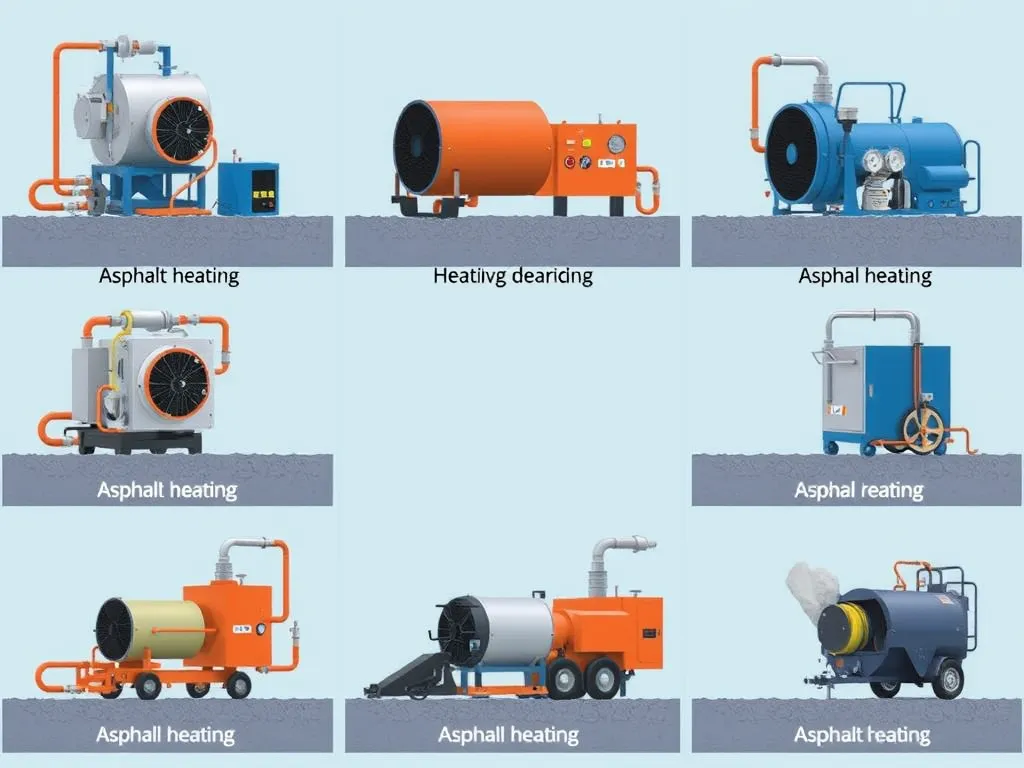
Warm-mix asphalt technologies lower production temps from 300°F to 250°F, slashing fuel use by 15-20%. Infrared asphalt repair systems focus heat on specific areas, consuming 60% less energy than full-width heaters. Micro-surfacing requires no heat during application, making it 3x more energy-efficient than hot-mix overlays in moderate climates.
| Method | Energy Use (BTU/ton) | CO2 Reduction |
|---|---|---|
| Hot Mix | 450,000 | Baseline |
| Warm Mix | 340,000 | 25% |
| Cold Recycled | 210,000 | 52% |
Long-term Sustainability Factors
Porous asphalt resurfacing reduces stormwater runoff by 75-90% through 16-20% void spaces. High-SBS polymer modified mixes last 18-22 years versus 12-15 for standard overlays, delaying replacement cycles. Life Cycle Assessments show rubberized chip seals have 35% lower global warming potential than conventional seals over 20-year periods.
With ecological impacts quantified, let’s examine common queries about implementing these solutions in real-world projects.
Frequently Asked Questions
What is the Best Option for Resurfacing Concrete Driveways?
When resurfacing concrete driveways, the best option often depends on the specific condition of the driveway. Options include concrete overlays, which can add a fresh layer of concrete, or polymer-modified overlays that enhance durability and weather resistance. For minor surface imperfections, consider using a resurfacer product designed for concrete to restore and enhance the surface.
What Are the Different Types Of Concrete Resurfacing?
Common types of concrete resurfacing methods include traditional overlay, micro-topping, concrete staining, and stamped overlays. Each method varies in terms of cost, aesthetics, and application, allowing property owners to choose according to their specific needs and budget constraints.
What Tools Are Available to Help Evaluate Resurfacing Options?
Several tools can assist in evaluating resurfacing options, including asphalt calculators for estimating material requirements and costs, pavement condition assessment software, and structural evaluation instruments such as deflection gauges. These tools help project managers make informed decisions based on quantitative data.
Closing Thoughts
Evaluating resurfacing options for asphalt surfaces requires a comprehensive approach. Always assess the condition of your pavement, traffic patterns, and climate considerations before making a decision. By understanding each resurfacing method, you can weigh factors like longevity, maintenance, and cost-effectiveness. Consider utilizing asphalt calculators to refine your project estimation, which can lead to more informed choices.
For further information and resources to help you navigate this process, visit Asphalt Calculator USA. Your pavement’s longevity depends on your choices today!
Additional Resources for You:
- Yoder, E. J., & Witczak, M. W. (1975). Principles of Pavement Design (2nd ed.). New York, NY: Wiley.
- Laser Skin Resurfacing: Lasers Types, Skin Conditions, What to Expect
- What is the difference between refinishing and resurfacing wood floors? | Weles Blog
- Skin resurfacing procedures: new and emerging options – PMC
- Which is Better? Asphalt Resurfacing vs. Replacement