Recycled Asphalt Materials: Composition, Uses, and Practical Insights
Published on: March 31, 2026 | Last Updated: April 14, 2025
Written By: George Voss
Recycled asphalt materials are reprocessed pavement containing aggregates (crushed stone, sand) and bitumen binder, reused for roads, driveways, or parking lots. Made by milling old roads, crushing the material into Recycled Asphalt Pavement (RAP), and blending it with fresh binders or virgin asphalt, this material matches new asphalt’s durability at 20-30% lower cost. It reduces landfill waste—1 ton recycled keeps 2 barrels of oil in the ground—and is sold at asphalt plants, recycling centers, or through contractors nationwide.
This article breaks down how recycled asphalt works. We’ll explain its components, compare costs per ton ($15-$30 for millings vs. $80-$120 for virgin asphalt), and detail uses like resurfacing driveways or replacing gravel. You’ll learn production steps, quality tests, environmental impacts, and local purchasing options. Get actionable tips for installation, compliance, and maximizing performance in heavy-traffic areas or residential projects.
Contents
- What is Recycled Asphalt Made Of?
- How is Recycled Asphalt Produced?
- Primary Uses Of Recycled Asphalt Materials
- Advantages Of Recycled Asphalt Materials
- Disadvantages Of Recycled Asphalt Pavement
- Cost Analysis Of Recycled Asphalt Materials
- Purchasing Recycled Asphalt Materials
- Installation Guidelines for Recycled Asphalt
- Regulatory Compliance for Asphalt Reuse
- Environmental Impact Of Recycled Asphalt
- FAQs About Recycled Asphalt Materials
- Closing Thoughts
- Useful References for You:
What is Recycled Asphalt Made Of?
Recycled asphalt pavement (RAP) repurposes existing road materials into new construction solutions. It retains core components from its original form while adapting for reuse.
Components Of Recycled Asphalt Pavement (RAP)
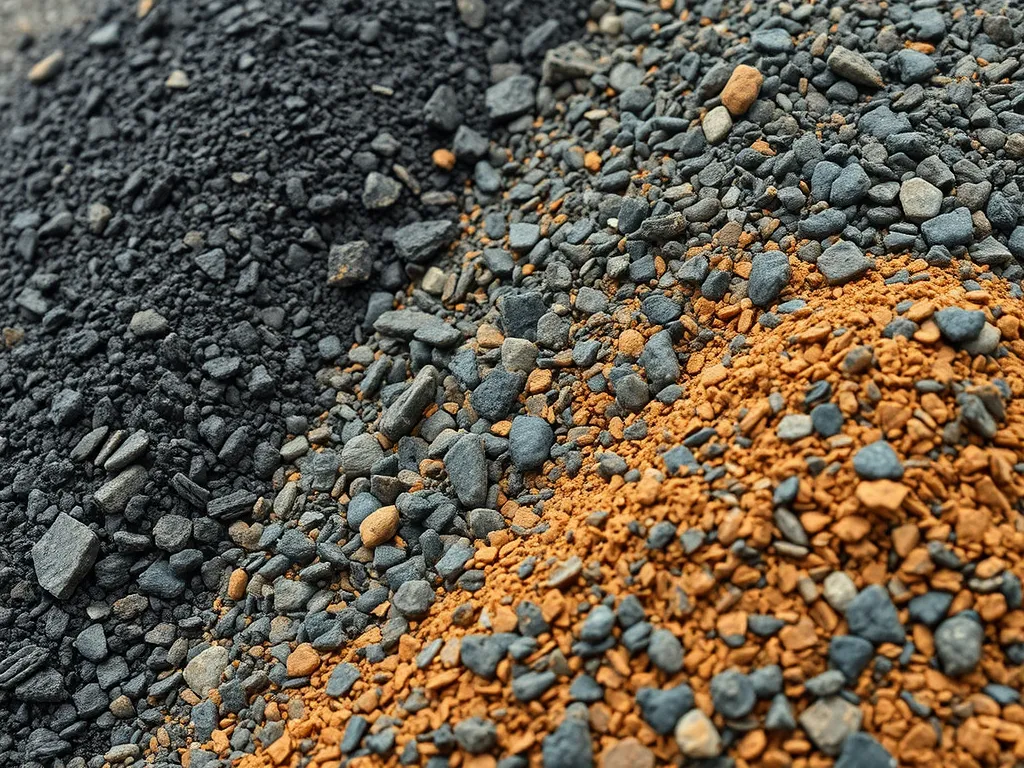
RAP contains two primary elements: aggregates (90-95%) and aged asphalt binder (3-7%). Aggregates include crushed stone, sand, or gravel bound by bitumen. Milling machines scrape old pavements to collect these materials. Contaminants like dirt or concrete chunks are removed during processing. Some RAP includes polymer-modified binders or recycled tire rubber from prior mixes.
Role Of Binders and Aggregates in Recycled Asphalt Mix
Bitumen binds aggregates into cohesive pavement. Aged binder in RAP hardens over time, requiring fresh PG (Performance Grade) binders or rejuvenators to restore flexibility. Aggregates provide structural strength – recycled versions are screened for size consistency. In hot mix asphalt RAP, 20-30% recycled content blends with virgin materials. Superpave specifications ensure proper gradation and durability for heavy traffic.
Once processed, these materials undergo milling and mixing to create new surfaces. Let’s explore how reclaimed asphalt transforms into functional pavement.
How is Recycled Asphalt Produced?
Turning old roads into new pavement takes precise steps. Each phase ensures the recycled asphalt meets strict specs for strength and workability.
Milling and Reclaiming Existing Asphalt Pavement
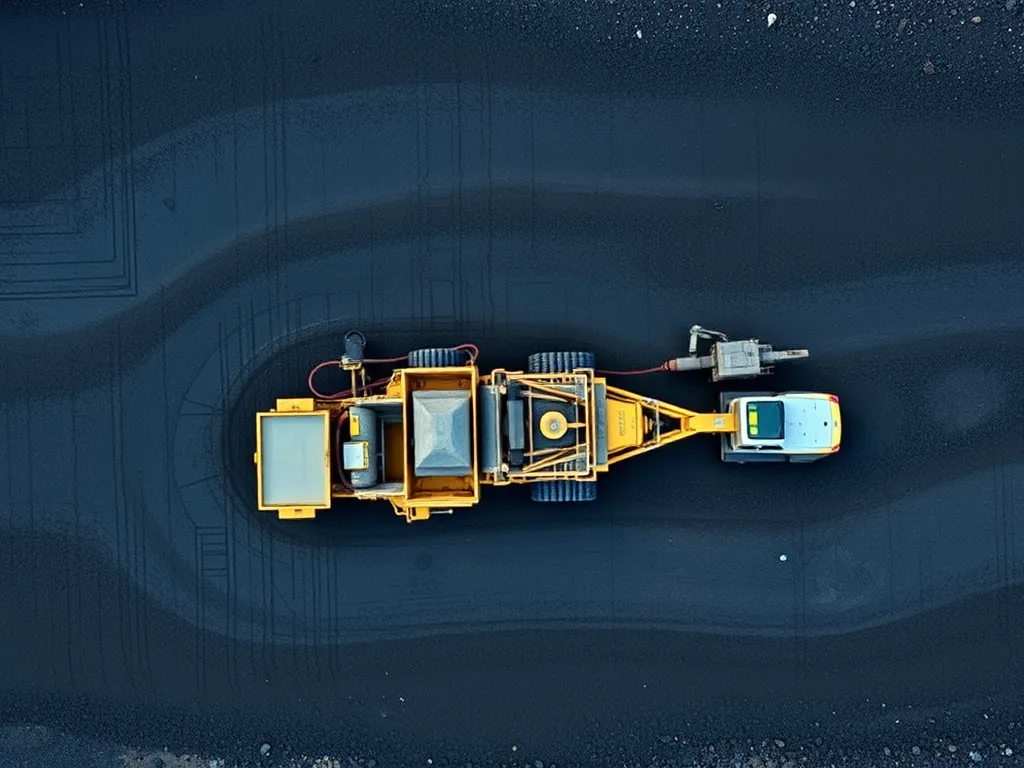
Teams use milling machines with rotating drums to grind worn roads. These tools remove 1-3 inches of surface layer, creating reclaimed asphalt pavement (RAP). RAP holds 95% of its original rock and bitumen. Cooled chunks get hauled to plants for processing.
Crushing and Screening Reclaimed Asphalt
RAP enters crushers to break slabs into 0.5-1.5-inch pieces. Screens sort material by size for mix design needs. Fines under 0.25 inches boost density. Larger chunks work as base layers. This step preps RAP for blending with fresh inputs.
Mixing With Virgin Materials for Recycled Asphalt Concrete
Plants combine 10-30% RAP with new rock, sand, and PG 64-22 binder. Heat at 300°F softens old bitumen, bonding layers. High RAP mixes (over 25%) may need rejuvenators. The output: hot mix asphalt with recycled content ready for paving.
| Mix Type | RAP % | Cost/Ton |
|---|---|---|
| Virgin HMA | 0% | $75-$100 |
| 10% RAP | 10% | $65-$90 |
| 30% RAP | 30% | $55-$80 |
Quality Testing for Recycled Asphalt Mixtures
Labs run gradation tests, binder checks, and Marshall stability trials. They verify RAP mixes hit 3,000-5,000 psi strength. Field cores must show 95% density after rolling. States like Texas allow up to 35% RAP in surface courses if specs pass.
With quality confirmed, recycled asphalt moves to its next life. Let’s explore where these durable materials get put to work.
Primary Uses Of Recycled Asphalt Materials
From highways to home driveways, old asphalt gets a second life through smart recycling. This material works for both big jobs and small fixes, cutting costs without losing quality.
Asphalt Paving With Recycled Materials for Roads
Hot mix asphalt RAP (recycled asphalt pavement) forms 20-30% of many road mixes today. Agencies like Caltrans and TxDOT allow up to 40% RAP in surface layers. Crushed RAP binds with fresh bitumen, creating roads that handle 15+ years of daily traffic. Key specs include PG 64-22 binders and ½-inch aggregate size for smooth rides.
Resurfacing Driveways Using Recycled Asphalt Mix
Cold recycled asphalt mix costs $2-$5 per sq. ft., half the price of new blacktop. Millings compact into a solid layer when rolled at 150°F. After 2-3 weeks, sun and traffic fuse particles into a seamless surface. Ideal for cracks under 1 inch wide. Add a chip seal coat for UV protection.
Gravel Replacement With Recycled Asphalt Aggregate
Crushed RAP outperforms gravel in drainage and stability. A 4-inch layer of ¾-inch recycled asphalt aggregate stops potholes in driveways or farm roads. Benefits include:
- No dust clouds in dry months
- 90% less erosion than limestone gravel
- Load-bearing capacity up to 5,000 PSI
Parking Lot Construction Using Reclaimed Asphalt Pavement
Commercial lots built with 15-40% RAP handle 500+ cars daily. Mix designs target 7% air voids for all-weather durability. Contractors often pair RAP with polymer-modified binders to resist fuel spills. Seal coating every 3-5 years keeps lots looking sharp. Costs run 20% below virgin asphalt.
Looking beyond uses, cost factors play a big role in choosing RAP. Up next: how pricing stacks up against traditional options.
Also See: How to Design an Asphalt Driveway: A Simple Guide
Advantages Of Recycled Asphalt Materials
Recycled asphalt cuts costs, saves resources, and eases strain on the planet. Builders and towns gain from its use in roads, driveways, and lots.
Cost Savings in Asphalt Mix With Recycled Content
Hot mix asphalt with 30% RAP (recycled asphalt pavement) costs $8-$15 less per ton than virgin mix. Reuse cuts truck trips for new rock and bitumen, slashing fuel fees. Plants burn less fuel to heat RAP, saving $3-$5 per ton. For a 1-mile road job, this adds up to $12,000 saved.
Reduction in Virgin Material Consumption
Each ton of RAP used spares one ton of fresh rock, sand, and bitumen. U.S. roads now reuse 90 million tons of RAP yearly, says the Federal Highway Admin. This lowers quarry digs by 15% and cuts CO2 from asphalt plants by 20%. Recycled asphalt aggregate in base layers can replace 100% of new gravel in some jobs.
These gains face trade-offs. Next, we break down limits of recycled asphalt in real-world builds.
Disadvantages Of Recycled Asphalt Pavement
While recycled asphalt materials offer numerous benefits, they come with specific limitations requiring careful evaluation. Project managers must weigh these factors against budget goals and performance needs.
Potential Variability in Recycled Asphalt Product Quality
Sources of old pavement directly influence recycled asphalt mix quality. Contaminants like motor oil, debris, or dirt from prior use degrade material integrity. Milling depth during reclamation impacts aggregate size distribution—uneven particle sizes reduce compaction rates by up to 15% compared to virgin mixes.
Binders in reclaimed asphalt pavement (RAP) harden over time, lowering flexibility. Blending aged bitumen with new binders demands precise ratios—typical specs require 20-30% virgin binder for optimal performance. Testing protocols like PG grading verify consistency but increase production costs by $5-$8 per ton.
Limited Applications for Certain Asphalt Mixtures
High-traffic zones needing Superpave mixes often restrict recycled content. State DOTs cap RAP at 20% in surface layers due to rutting risks. Structural base layers tolerate higher percentages—up to 50%—but require geotextile stabilization for load-bearing projects.
Cold climates pose challenges. Recycled asphaltic concrete exposed to freeze-thaw cycles shows 12-18% faster cracking without polymer-modified binders. Residential uses like driveways remain ideal, while interstate highways need specialized asphalt mixtures with recycled content below 15%.
Evaluating these trade-offs sets the stage for financial planning. Next, we break down expenses tied to recycled asphalt pavement projects.
Cost Analysis Of Recycled Asphalt Materials
Recycled asphalt materials deliver measurable savings across paving projects. Let’s break down the numbers.
Price Comparison: Recycled Vs. Virgin Hot Mix Asphalt
Recycled asphalt pavement (RAP) costs $10-$20 per ton, while virgin hot mix asphalt (HMA) averages $60-$100 per ton. Contractors save 30-40% by choosing RAP blends. The price gap stems from lower material extraction and processing needs. For example, asphalt plant recycling cuts energy use by 20% compared to virgin production. PG binders in recycled asphalt concrete also reduce dependency on new bitumen, trimming costs further.
Cost Of Asphalt Millings for Driveway Projects
Driveway installations using recycled asphalt millings range from $1,000 to $3,000 for a 600 sq.ft. area. Millings cost $10-$18 per ton versus $50-$80 for fresh asphalt. Proper compaction with a 10-ton roller ensures longevity, preventing future repair expenses. Some states offer tax incentives for using recycled asphalt aggregate, slashing project costs by up to 15%.
Budget Considerations for Asphalt Patching and Seal Coating
Pothole repairs with reclaimed asphalt pavement cost $2-$5 per square foot—half the price of virgin mixes. Seal coating with recycled asphaltic concrete extends pavement life 5-7 years at $0.14-$0.25 per square foot. Projects blending 30% RAP into asphalt mixtures with recycled materials report 20% lower annual maintenance budgets.
Factoring in these savings creates a strong case for recycled asphalt. Next, let’s explore where to source these materials for optimal results.
Purchasing Recycled Asphalt Materials
Finding reliable sources for recycled asphalt products requires knowing where to look and what to ask. Quality varies across suppliers, making careful selection critical for project success.
Where to Buy Recycled Asphalt Products Locally
Local asphalt plants with recycling capabilities often stock millings or hot mix asphalt RAP. Municipal road departments frequently offer reclaimed asphalt pavement from public projects at $8-$15 per ton. Check with paving contractors who handle asphalt pavement recycling programs—many sell excess materials directly. Landscape supply yards increasingly carry recycled asphalt aggregate for driveway gravel replacement. Online marketplaces like Craigslist list suppliers within a 50-mile radius, though verify material specs before purchase.
- Asphalt plants with recycling ops: Provide fresh millings or custom blends
- Municipal recycling centers: Low-cost reclaimed asphalt from road projects
- Paving contractors: Sell surplus asphalt mixtures with recycled content
Evaluating Suppliers Of Reclaimed Asphalt Pavement
Ask suppliers for gradation tests verifying aggregate size (typically 0.5” to 1.5” for driveways) and binder content percentages. Reputable sources share lab reports confirming compliance with ASTM D6925 standards for asphalt pavement recycling. Confirm RAP stockpiles stay covered to prevent moisture absorption exceeding 3%—damp materials compact poorly. Check if blends contain 20-40% virgin asphalt cement to ensure proper binding. Demand proof of asphalt plant recycling certifications like NAPA’s Green Pavement Program.
- Key documents: Material Safety Data Sheets (MSDS), gradation analysis, moisture content tests
- Red flags: No onsite stockpile inspection options, vague answers on RAP origins
- Green flags: State DOT-approved sources, documented PG binder grades
Securing quality materials sets the stage for successful projects. Next, proper installation methods determine long-term performance.
Installation Guidelines for Recycled Asphalt
Get the most from recycled asphalt by nailing the install steps. Follow these key rules for long-lasting results.
Preparing the Base for Asphalt Pavement Recycling
A rock-solid base stops cracks and dips. Start by clearing dirt, roots, or loose chunks from the work zone. Check for soft spots – dig out weak soil and fill with crushed stone. Use a laser level to set a 2% slope for drainage. Compact 6-8 inches of base rock with a plate compactor (2,500-3,000 psi force). For roads, add geotextile fabric under the base to block weeds.
Compacting Recycled Asphalt Mix for Driveways
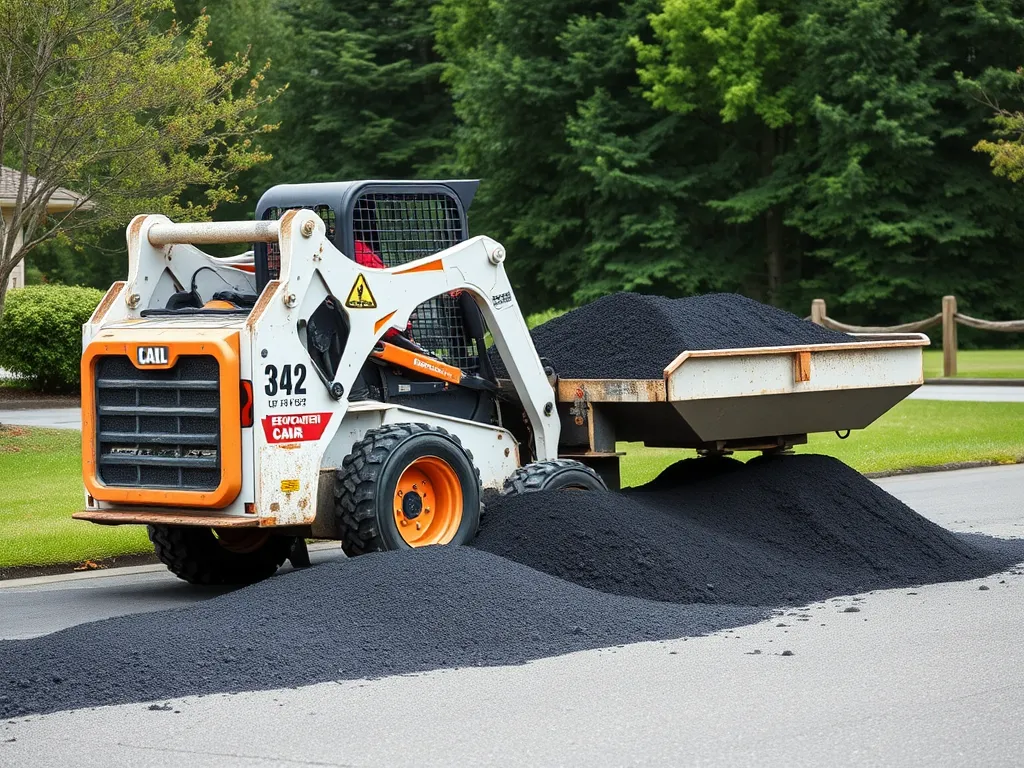
Heat recycled asphalt mix to 275°F before laying. Spread in 2-inch layers with a skid steer. Roll with a 10-ton vibratory roller in 4-6 passes. Edge joints need hand tamping. Seal the top layer with asphalt emulsion at 0.15 gal/sq yd. Let cure 24-48 hours. This method cuts costs by 30-40% vs new hot mix asphalt.
Nail the prep and pack steps? Time to check local codes. Next up: rules that shape how you reuse asphalt.
Regulatory Compliance for Asphalt Reuse
Working with recycled asphalt materials requires navigating specific rules that vary by location. These regulations ensure safety, performance, and environmental protection while promoting asphalt pavement recycling programs.
Local Standards for Asphalt Pavement Recycling Programs
Most states set limits on recycled asphalt pavement (RAP) content in mixes for public projects. California allows up to 40% RAP in surface layers, while Texas permits 35% for highways. Agencies like ASTM International (D6925) and AASHTO (M 323) provide testing frameworks for asphalt mixtures with recycled materials. Projects must pass gradation analysis, PG binder compatibility checks, and volumetric property tests. Municipalities may require third-party lab verification before approving pavement recycled asphalt applications.
Permitting Requirements for Asphalt Recycling Equipment
Plants using asphalt reuse equipment often need air quality permits due to emissions during heating. Parallel drum plants with recycled asphalt aggregate feeders typically require more stringent approvals than batch plants. Mobile crushers processing salvaged asphalt might need temporary zoning permits. Some counties mandate noise mitigation plans for asphalt recycling equipment operating near residential zones. In ozone non-attainment areas, Title V permits become mandatory for plants producing hot mix asphalt RAP at over 150 tons/day.
With compliance frameworks in place, the focus shifts to measuring how these practices affect ecosystems. [Transition to next section]
Environmental Impact Of Recycled Asphalt
Recycled asphalt pavement reshapes construction practices by cutting ecological footprints. Its production methods directly influence resource conservation while meeting performance needs.
Reducing Landfill Waste Through Asphalt Recycling
Over 90 million tons of recycled asphalt pavement enter U.S. landfills yearly without reuse programs. Recycling diverts this volume by reprocessing salvaged asphalt into new mixes. For every mile of road resurfaced with 30% RAP (recycled asphalt pavement), 3,000 tons of waste stay buried. Municipalities report 40-60% reductions in disposal costs when implementing pavement recycling initiatives.
| Material | Landfill Diversion Rate |
|---|---|
| Reclaimed asphalt pavement | 95-100% |
| Virgin aggregates | 0% |
Energy Efficiency in Asphalt Plant Recycling Processes
Producing hot mix asphalt with recycled content slashes energy use by 20% versus virgin material processing. Lower temperatures—250°F to 275°F versus 300°F+ for virgin mixes—cut fuel consumption. Plants integrating RAP reduce CO₂ emissions by 15-20% per ton. Modern drum plants now achieve 98% thermal efficiency when blending reclaimed binder with new bitumen.
With clear ecological benefits established, practical questions often arise about performance under real-world stresses. Let’s explore how recycled mixtures hold up over time.
FAQs About Recycled Asphalt Materials
How Durable is Recycled Asphalt Concrete?
Recycled asphalt concrete (RAC) exhibits durability comparable to traditional asphalt concrete when produced and installed correctly. It can withstand heavy traffic and environmental stresses for many years, often matching or exceeding the lifespan of non-recycled materials, especially when blended with appropriate virgin materials and additives.
Can Salvaged Asphalt Be Reused for Residential Projects?
Yes, salvaged asphalt can be reused in various residential projects, including driveway installations, paths, and as a base material for other landscaping needs. The cost-effectiveness and durability make it an attractive option for homeowners looking to enhance their property with environmentally friendly materials.
Is Recycled Asphalt Aggregate Suitable for Heavy Traffic Areas?
Recycled asphalt aggregate can be suitable for heavy traffic areas, but its performance largely depends on the mixture’s composition and the specific application. For high-traffic zones, it is generally recommended to limit recycled content to ensure adequate performance. Consulting with engineers or materials specialists can help determine the best approach for significant load-bearing surfaces.
What Maintenance is Required for Recycled Asphalt Surfaces?
Maintenance for recycled asphalt surfaces typically includes regular inspections for cracks, potholes, and overall surface integrity. Routine seal coating every 3-5 years can extend the lifespan and performance of the surface. Additionally, any repairs needed should use compatible recycled materials to maintain overall integrity.
Are There Specific Environmental Regulations for Flood-prone Areas When Using Recycled Asphalt?
Yes, special considerations may apply in flood-prone areas. Local regulations may require additional measures to ensure that recycled asphalt materials provide adequate drainage and do not exacerbate flooding. Consulting local guidelines and engaging with environmental specialists can ensure compliance with regulations regarding permeable materials.
Can Recycled Asphalt Be Used in Cold Weather Conditions?
Recycled asphalt can be used in cold weather, but specific precautions must be taken to prevent issues such as cracking. The use of polymer-modified binders can enhance flexibility and performance in colder climates. Additionally, proper installation temperatures and techniques should be followed to ensure optimal adhesion and durability.
Closing Thoughts
Recycled asphalt materials offer a compelling combination of durability, cost-efficiency, and environmental sustainability. From roads to driveways, reclaimed asphalt can significantly cut expenses while conserving our planet’s resources. The benefits are clear: reduced landfill waste, lowered energy consumption, and a smaller carbon footprint. However, be mindful of the potential variability in quality and the specific application limitations associated with recycled mixes.
Whether you’re planning a large-scale project or a simple repair, recycled asphalt can be an excellent choice. Check with local suppliers to find quality reclaimed materials suited to your needs and always consider regulatory compliance in your area. For further information and detailed insights, visit Asphalt Calculator USA, your go-to resource for everything asphalt-related.