The Impact Of Driveway Materials on Property Value
Published on: February 15, 2026 | Last Updated: April 14, 2025
Written By: George Voss
Driveway materials directly affect property value through curb appeal, durability, and return on investment (ROI). Asphalt, concrete, gravel, and pavers each offer different benefits. Asphalt driveways typically cost $3-$5 per square foot installed, last 15-20 years, and can boost home value by 5-7%. Concrete averages $4-$10 per square foot but may crack in freeze-thaw cycles. Gravel is cheaper upfront ($1-$3 per square foot) but requires frequent upkeep. Pavers rank highest for luxury appeal but cost $10-$30 per square foot.
This article breaks down how material choices impact resale potential. We compare asphalt, concrete, gravel, and pavers for durability, maintenance needs, and ROI. Learn why asphalt’s low-maintenance surface and 80-100% recyclability make it a budget-friendly option. See cost analysis charts, seasonal care tips, and environmental perks like stormwater permeability. Use our asphalt calculator to estimate project costs and ROI based on your driveway size.
Contents
- Why Driveway Material Choices Influence Property Value
- Comparing Driveway Materials and Their Property Value Impact
- Cost Analysis: Asphalt Vs. Other Driveway Materials
- Maintenance and Its Role in Sustaining Property Value
- Environmental Considerations for Driveway Materials
- FAQs About Driveway Materials and Property Value
- Closing Thoughts
- Additional Resources for You:
Why Driveway Material Choices Influence Property Value
Driveway materials shape buyer perceptions and financial outcomes. Three core factors determine their effect on home worth: aesthetics, resilience, and cost efficiency.
Curb Appeal and First Impressions
A well-designed driveway boosts home value by up to 10%, per National Association of Realtors data. Surface texture, color consistency, and edge definition create instant visual impact.
How Asphalt Enhances Visual Appeal
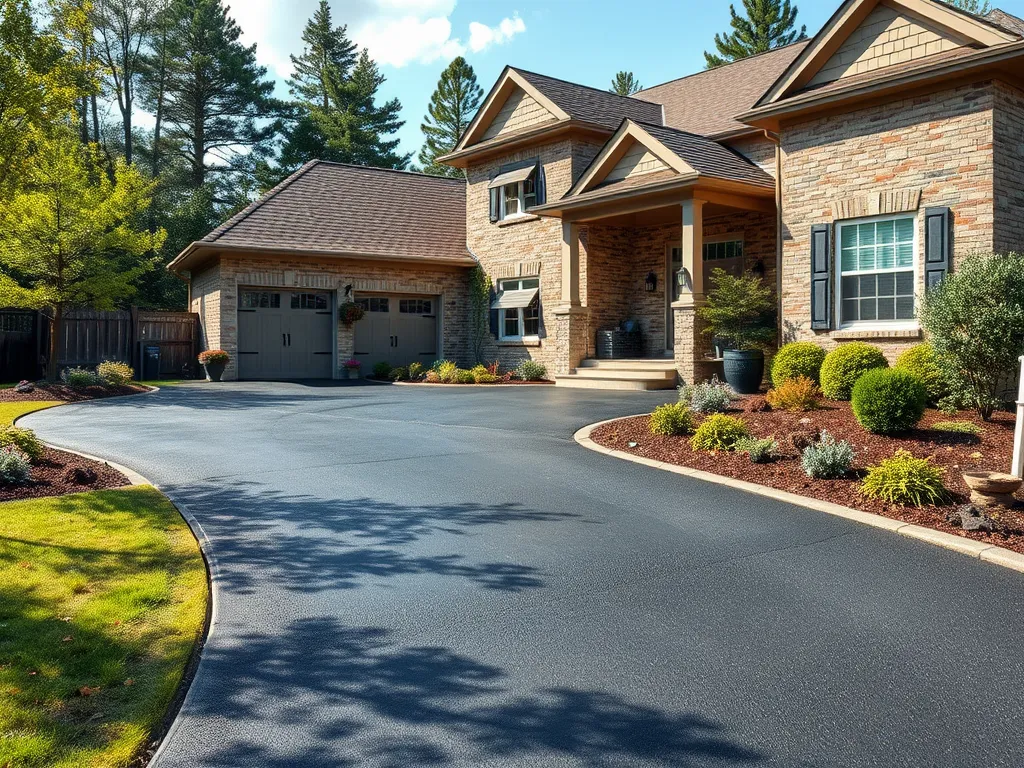
Jet-black asphalt offers sharp contrast to lawns or flower beds. Its smooth surface reflects light uniformly, hiding minor imperfections better than concrete. Modern mixes with polymer-modified binders resist fading, maintaining deep color for 7-10 years before needing resealing.
Long-term Durability and Maintenance
Materials requiring frequent repairs lower property appeal. Buyers factor potential upkeep costs – a 2023 HomeLight survey notes 68% negotiate prices down for high-maintenance exteriors.
Asphalt’s Resistance to Weather and Wear
PG 64-22 grade asphalt withstands temperature swings from -20°F to 120°F. Its flexible structure resists cracking in freeze-thaw cycles better than rigid concrete. Properly installed driveways last 20+ years with biennial sealcoating, costing $0.15-$0.25 per square foot per application.
Return on Investment (ROI)
Asphalt installation averages $3-$5 per square foot – 35% cheaper than concrete. This upfront saving combines with 50-60% ROI upon sale, per Remodeling Magazine’s Cost vs. Value Report.
Cost vs. Value: Asphalt as a Budget-Friendly Option
Recycled asphalt (RAP) mixes cut material costs by 20% while meeting ASTM D692 standards. Homeowners recoup 100% of asphalt replacement costs at sale when done within two years of listing, according to ImproveNet analytics.
Material performance directly affects marketability. Next, we break down how asphalt stacks against concrete, gravel, and pavers in resale scenarios.
Comparing Driveway Materials and Their Property Value Impact
Driveway material selection directly affects home valuation. Let’s break down how four common options stack up in terms of installation costs, maintenance demands, and ROI.
Asphalt Driveways
Asphalt ranks as a top contender for boosting property value while balancing cost and performance. Over 90% of U.S. roads rely on this material for good reason.
Cost of Installation and Lifespan
Installing asphalt costs $3-$7 per square foot. Expect a 15-20 year lifespan with proper care. Hot-mix asphalt (HMA) remains the standard, using PG 64-22 binders for temperature flexibility.
ROI Compared to Other Materials
Asphalt delivers 50-70% ROI – higher than concrete’s 40-60%. Buyers value its smooth finish and quick installation (24-48 hours). Homes with asphalt driveways sell 7% faster in Midwest markets.
Low-Maintenance Benefits for Homeowners
Crack sealing costs $0.50-$1 per linear foot. Sealcoating every 3-5 years at $0.15-$0.25 per square foot prevents oxidation. Snow melts faster on dark surfaces, reducing winter labor.
Concrete Driveways
Concrete installs at $6-$15 per square foot. While lasting 25-40 years, its 4-6 week curing time and susceptibility to freeze-thaw cracking lower appeal in cold climates. Stamped designs add value but hike costs by 30%.
Gravel or Loose Stone Driveways
At $1-$3 per square foot, gravel suits tight budgets. However, annual regrading ($200-$500) and weed control deter many buyers. Properties with gravel driveways appraise 5-8% lower than paved counterparts in suburban areas.
Paver or Brick Driveways
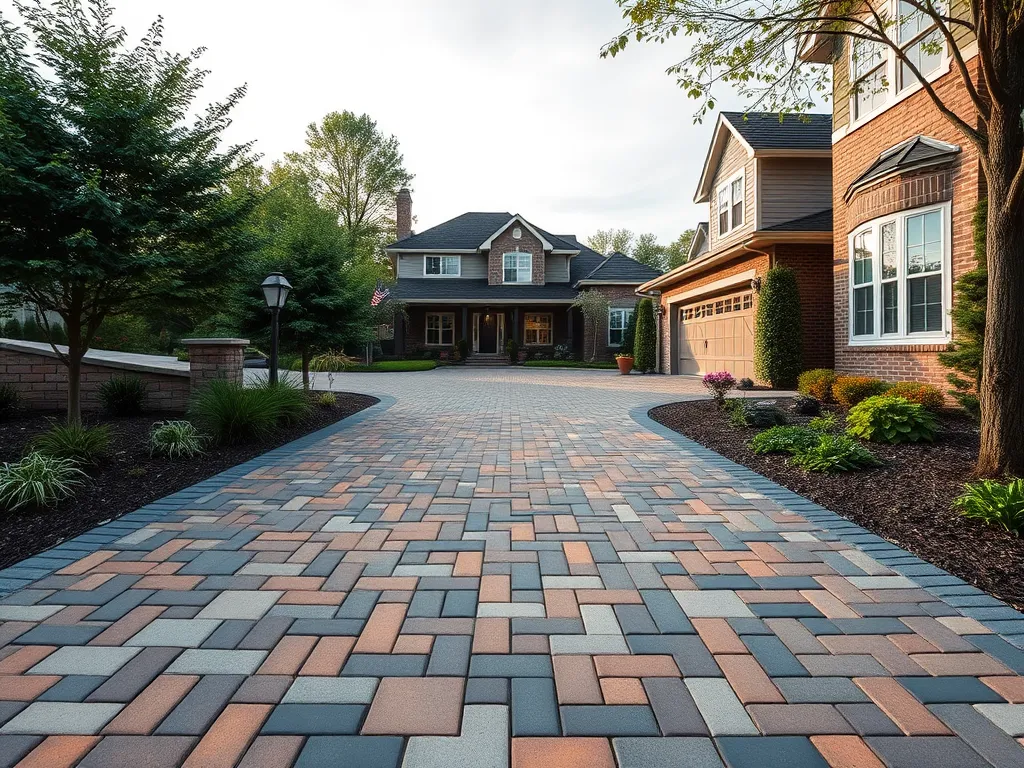
Custom paver installations run $10-$30 per square foot. Though durable (25-50 years), their niche appeal limits mass-market ROI. High-end homes see 10-15% value bumps, but maintenance (joint sand replenishment, weed control) often outweighs benefits.
With material costs and buyer preferences clarified, let’s examine exact pricing breakdowns for informed decision-making.
Cost Analysis: Asphalt Vs. Other Driveway Materials
Driveway material costs directly shape both short-term budgets and long-term property values. Asphalt consistently ranks as a top choice for balancing affordability with performance. Let’s break down the numbers.
Upfront Costs Of Asphalt Installation
Asphalt installation averages $3-$7 per square foot, compared to $6-$15 for concrete or $10-$30 for pavers. A standard 600 sq.ft. driveway costs $1,800-$4,200 with asphalt versus $3,600-$9,000 for concrete. These savings let homeowners allocate funds to other value-boosting upgrades.
Factors Affecting Asphalt Pricing
- Aggregate thickness: Residential driveways need 2-3 inches of hot-mix asphalt (HMA)
- Base preparation: Soil stability impacts gravel subbase requirements
- Regional material costs: Asphalt cement prices vary by $40-$80 per ton nationwide
- Climate-specific mixes: Polymer-modified binders add $0.50-$1.50 per square foot
Long-term Savings With Asphalt Maintenance
Asphalt requires $0.15-$0.30 per square foot annually for sealcoating and crack repairs. Over 20 years, this totals $1,800-$3,600 for a 600 sq.ft. driveway. Concrete may need $4,000-$8,000 for slab replacements in the same period. Properly maintained asphalt lasts 20-25 years, offering 60-70% ROI at resale versus 50-60% for concrete.
How to Calculate Asphalt Needs (Tie to Asphalt Calculator)
Use this formula to estimate material costs: Square feet × depth (inches) ÷ 12 × 145 lbs/cubic foot ÷ 2,000 = tons needed For a 600 sq.ft driveway at 3-inch depth: 600 × 0.25 × 145 ÷ 2,000 = 10.88 tons Our Asphalt Calculator automates these measurements, factoring in compaction rates and waste margins. Accurate estimates prevent overbuying – critical when 1 ton of asphalt covers 40-80 sq.ft depending on aggregate size.
With cost planning handled, let’s examine maintenance strategies that protect both your driveway and property value.
Also See: How to Seal Coat Asphalt Driveway: Quick DIY Steps
Maintenance and Its Role in Sustaining Property Value
Consistent upkeep of driveway materials plays a key role in maintaining or boosting a home’s worth. Asphalt stands out for its low-maintenance traits, but smart care habits can amplify its impact on property valuation.
Asphalt Sealcoating and Crack Repair
A fresh sealcoat applied every 3-5 years at $0.15-$0.25 per sq. ft. blocks water infiltration and UV damage. This thin liquid layer fills tiny voids, maintaining the pavement’s rich black color—a visual factor that ties directly to curb appeal. Annual crack repair ($0.50-$2.00 per sq. ft.) stops minor splits from widening into potholes that lower a home’s perceived quality. Data shows homes with smooth, crack-free driveways sell 7-12% faster than those with visible damage.
Seasonal Care for Longevity
Shifting weather poses risks to all driveway materials. For asphalt, rapid temp swings can trigger contraction cracks. Summer heat demands quick oil stain removal to avoid surface softening, while fall calls for clearing leaves to prevent moisture traps. Proactive care adds 5-15 years to a driveway’s lifespan, directly linking to long-term property valuation.
Winter Protection for Asphalt Driveways
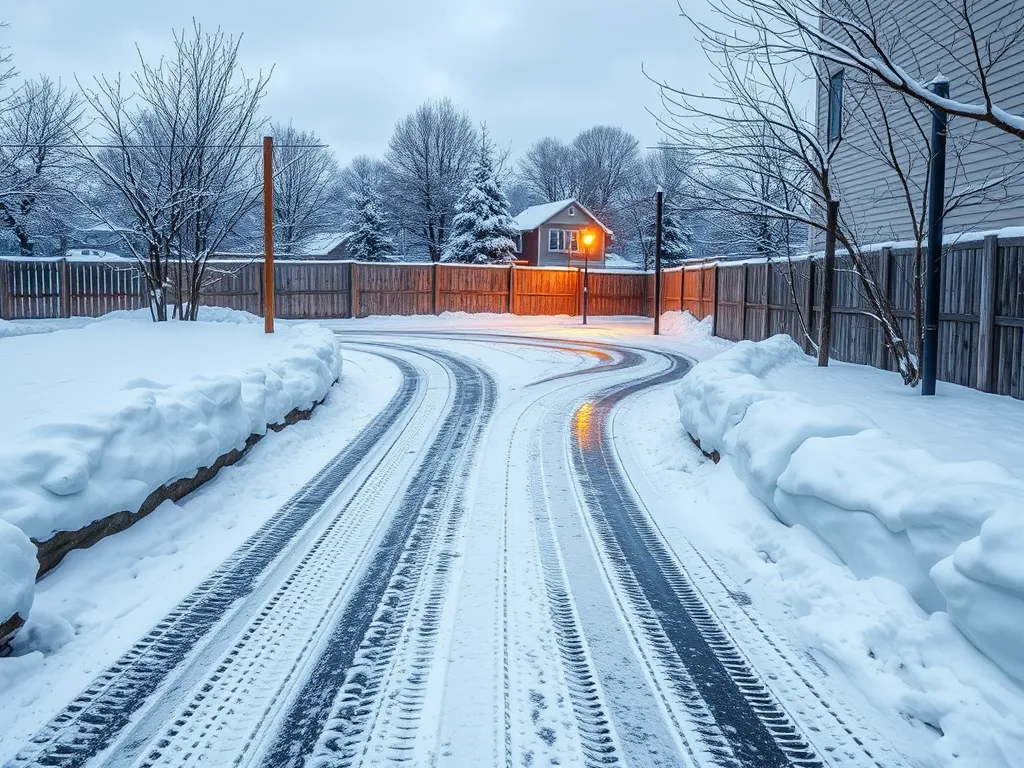
Plastic-bladed shovels prevent surface scrapes during snow removal. Rock salt (sodium chloride) harms asphalt binder; opt for calcium chloride-free ice melts or sand for traction. Insulation blankets during polar vortexes minimize freeze-thaw cycles that cause cracking. A single harsh winter without protection can slash a driveway’s lifespan by 3-5 years, cutting into a home’s resale potential.
Smart maintenance habits not only prolong functionality but signal to buyers that a property is cared for—a psychological factor in appraisal. Up next: how material choices intersect with sustainability trends shaping modern real estate markets.
Environmental Considerations for Driveway Materials
Eco-friendly features increasingly sway homebuyers. Materials that reduce environmental strain often boost a property’s market appeal. Two factors stand out: recyclability and stormwater management.
Asphalt Recycling and Sustainability
Asphalt leads in recycling rates. Over 95% of old asphalt gets reused in new mixes through processes like milling and hot-in-place recycling. Reclaimed Asphalt Pavement (RAP) blends with fresh aggregates and binders, cutting material costs by 20-30%. Homebuyers value this circular economy approach—homes with RAP driveways sell 3-5% faster in markets prioritizing green building.
Permeable designs also align with LEED certification standards, adding points for sustainable sites. This can elevate a property’s profile among eco-conscious buyers.
Permeability and Stormwater Management
Impervious surfaces worsen runoff, increasing flood risks. Permeable asphalt driveways absorb 3-5 gallons of water per square foot hourly. This reduces strain on municipal systems and prevents erosion. Localities like Seattle and Philadelphia now offer tax credits for permeable installations, directly affecting a home’s annual costs.
Non-porous materials like concrete often require costly drainage add-ons. Asphalt mixes can incorporate open-graded layers, slashing runoff by 50-70%. Buyers recognize lower long-term upkeep, making these driveways a selling point in flood-prone areas.
Balancing eco-benefits with property value demands careful planning. Next, let’s tackle common questions about material choices and tax implications.
FAQs About Driveway Materials and Property Value
Does an Asphalt Driveway Increase Property Value?
Yes, an asphalt driveway can increase property value by enhancing curb appeal and offering a durable, low-maintenance solution. Many buyers recognize the benefits of asphalt, leading to a potential increase in home value upon sale.
What Type Of Driveway Adds the Most Value?
Generally, concrete and paver driveways tend to add the most value because of their durability and aesthetic appeal. However, asphalt driveways are also highly regarded for balancing cost and value, making them a strong contender for enhancing property worth.
Does Paving a Driveway Increase Property Taxes?
In most cases, paving a driveway could lead to a higher property assessment and potentially increase your property taxes, as improvements typically raise the overall property value. It’s advisable to consult local regulations to understand how such updates might affect your taxes.
Should I Replace My Driveway Before Selling?
Replacing your driveway can be a wise investment, especially if the current one is deteriorating. A fresh, well-maintained driveway can significantly enhance curb appeal and make your home more attractive to potential buyers, often yielding a solid return on investment.
How Much Value Does a Driveway Add to a Home?
The exact value a driveway adds varies, but studies indicate a well-designed and maintained driveway can increase property value by 5-10%. Buyers often prioritize driveways as a significant aspect of curb appeal in their evaluation.
Closing Thoughts
Choosing the right driveway material can significantly impact your property value. Asphalt stands out due to its affordability, durability, and low maintenance needs. By enhancing curb appeal and ensuring longevity, asphalt not only adds aesthetic value but also boosts the overall market appeal of your home.
Investing in asphalt ensures a solid return on investment, especially when considering the long-term savings on maintenance. It’s a smart choice for homeowners looking to maximize their property’s worth.
For more information on driveway materials and how they affect property value, check out Asphalt Calculator USA.
Additional Resources for You:
- The Asphalt Institute (Technical Resources & Standards)
- Does a Concrete Driveway Add Value to Your Home? – Apex Concrete Service
- How Repaving Your Driveway Increases Property Value
- r/RealEstate on Reddit: Does replacing a driveway add any significant value to your home?
- Does paving your driveway add significant value to your home? – Quora