Identifying and Repairing Small Cracks in Asphalt
Published on: February 12, 2026 | Last Updated: April 14, 2025
Written By: George Voss
Identifying and repairing small cracks in asphalt means spotting narrow splits under ¼ inch wide and sealing them quickly. These cracks differ from potholes or alligator cracks by size and repair methods—using basic tools like crack sealant, scrapers, and brushes instead of heavy equipment. Fixing them early stops water from seeping into the base layer, preventing frost heave, erosion, and costly replacements.
This article breaks down how to spot early-stage damage, choose between DIY fixes (like cold-pour sealants) or professional repairs (hot rubberized asphalt), and pick materials that last. Learn cleaning techniques for optimal adhesion, how weather impacts repair timelines, and why sealcoating adds 3-5 years of protection. Get actionable steps to tackle cracks before they escalate.
Contents
- Understanding Small Asphalt Cracks
- Causes Of Small Cracks in Asphalt
- How to Identify Small Asphalt Cracks
- Repair Methods for Small Asphalt Cracks
- Step-by-step Guide to Filling Small Asphalt Cracks
- Tools and Materials for Asphalt Crack Repair
- Preventing Future Cracks in Asphalt
- Environmental Considerations in Asphalt Repair
- FAQs About Small Asphalt Crack Repairs
- Closing Thoughts
- Additional Resources for You:
Understanding Small Asphalt Cracks
Spotting minor defects early keeps pavement strong. Left unchecked, tiny fractures let water seep into base layers, weakening the structure. Let’s break down the types you’ll see during inspections.
What Are Hairline Cracks in Asphalt?
Hairline cracks measure under 1/8 inch wide. These thin lines form due to surface shrinkage from oxidation or minor thermal movement. Though barely visible, they’re entry points for moisture. Use crack repair asphalt products before they expand into potholes.
Common Types Of Small Asphalt Cracks
Different patterns reveal distinct stress points. Knowing these helps prioritize fixing cracks in asphalt.
Longitudinal and Transverse Cracks
Longitudinal cracks run parallel to pavement joints or traffic flow. Often caused by poor joint construction or freeze-thaw cycles, they’re common in driveways. Transverse cracks form perpendicular to the centerline, typically from thermal contraction. Both types under ½ inch wide qualify for DIY asphalt crack filler.
Edge Cracks
Edge cracks develop within 2 feet of pavement borders. Poor drainage, soil erosion, or lack of lateral support trigger these splits. Vegetation growth near edges worsens the problem. Quick fixes include filling small asphalt cracks with rubberized sealants to block water intrusion.
Recognizing these patterns guides effective repairs. Next, we’ll explore why these fractures form—key to stopping repeat damage.
Causes Of Small Cracks in Asphalt
Small cracks in pavement rarely form without reason. Pinpointing their origins helps prioritize repairs while stopping minor issues from escalating into costly rebuilds. Three primary culprits trigger these fissures.
Temperature Fluctuations and Aging
Thermal stress fractures develop when pavement expands during heat waves or contracts in freezing weather. Over 5–7 years, bitumen binders lose elasticity due to oxidation, becoming brittle. For instance, repeated swings between 15°F winters and 95°F summers widen hairline cracks by 0.1–0.3 inches yearly. Unsealed surfaces in regions with extreme seasonal shifts show 30% more cracking within 8 years.
Heavy Loads and Traffic Stress
Vehicles exceeding 18,000 lbs per axle strain pavement beyond design limits. Delivery trucks, RVs, or stacked snowplows compress weak spots, creating spider-web fatigue cracks. Residential driveways built with 2-inch asphalt layers crack twice as fast under weekly garbage truck traffic compared to 3-inch commercial-grade pavements. Frequent turning motions near curbs or parking stalls also shear surface layers.
Environmental Factors (Water, UV Exposure)
Water seeps into unsealed cracks, eroding crushed stone bases during freeze-thaw cycles. Just 0.25 inches of rain can pool inside fissures, weakening subsurface layers by 15% per winter. Simultaneously, UV rays break down binders at 0.02 inches per year, turning once-flexible surfaces into fragile sheets. High-altitude locations with UV indexes above 7 require sealcoating every 2–3 years to block solar degradation.
Spotting these triggers early simplifies fixing cracks in asphalt before they morph into potholes or alligatoring. Next, let’s break down inspection tactics to catch damage at its most manageable stage.
How to Identify Small Asphalt Cracks
Spotting minor asphalt damage early prevents costly repairs. Look for cracks under ¼ inch wide—these are prime candidates for DIY fixes. Let’s break down proven identification methods.
Visual Inspection Techniques
Conduct inspections during daylight hours when shadows highlight surface irregularities. Use a flashlight angled across the pavement to spot hairline cracks. Check these high-risk zones:
- Edges: 80% of edge cracks form within 2 feet of pavement boundaries
- Joint lines: Common sites for longitudinal cracks parallel to the pavement center
- Drainage paths: Transverse cracks often follow water flow patterns
Measure crack widths with a ruler. Cracks exceeding ¼ inch typically require professional asphalt crack repair.
Signs Of Progressive Damage
Untreated small cracks evolve into structural threats within 6-12 months. Watch for these red flags:
- Crumbling asphalt around crack edges
- Visible aggregate beneath the surface binder
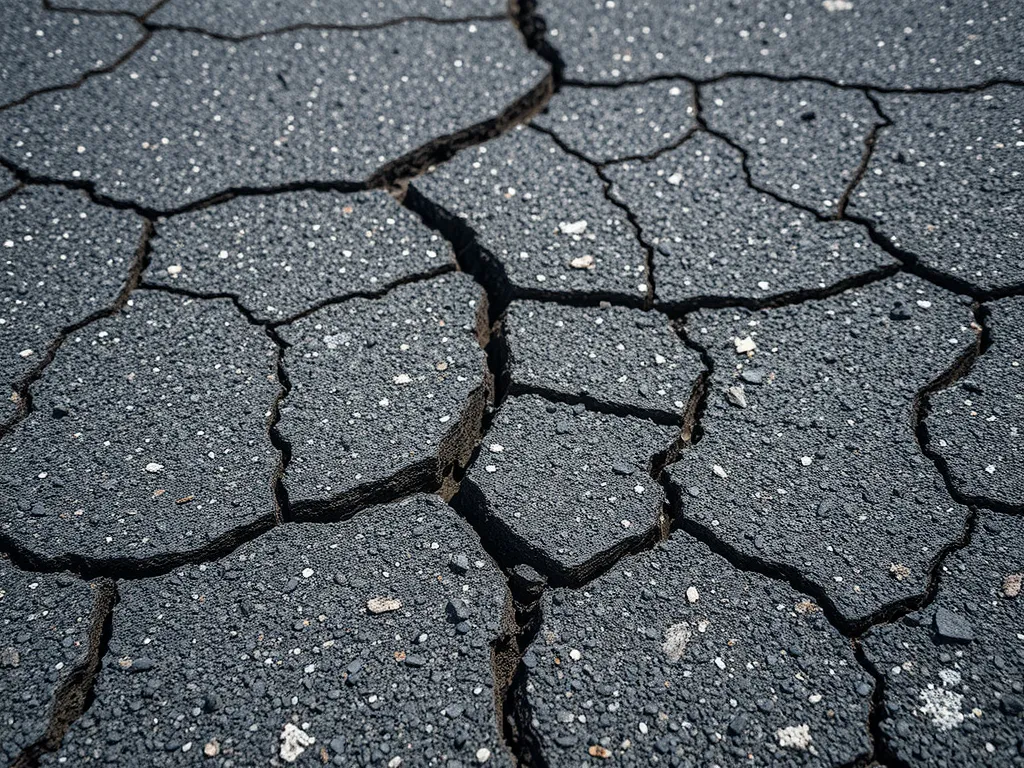
- Multiple cracks converging in spiderweb patterns
Raveling and Surface Deterioration
Raveling—when aggregate loosens from the surface—often starts near cracks. This exposes deeper layers to water infiltration. Test suspect areas by scraping with a screwdriver. If material flakes off easily, immediate asphalt crack filler application is needed.
Pro Tip: Document cracks with dated photos to track changes. Use smartphone apps like Pavemetrics to analyze crack growth rates.
With damage properly assessed, let’s examine repair methods that stop small asphalt cracks from becoming major headaches.
Also See: Can Asphalt Be Laid Over Concrete? Find Out Here
Repair Methods for Small Asphalt Cracks
Small cracks need quick fixes to stop water seepage and base damage. Pick methods based on crack width, depth, and site use. Costs range from $0.10-$0.50 per linear foot for DIY to $1-$3 for pro work.
DIY Asphalt Crack Repair Solutions
Homeowners can fix cracks under ½ inch wide with store-bought products. These options cost less but need yearly checks. Wear gloves and eye gear when handling materials.
Cold Pour Crack Sealers
Cold pour sealers come ready to use in jugs or bottles. Rubber-based blends flex with temperature swings (-20°F to 160°F). Pour directly into cracks under ¼ inch wide. Sets in 2-4 hours. Brands like Red Devil 0862 cost $15-$25 per gallon.
Asphalt Crack Filler Products
Filler products work for cracks up to ½ inch wide. Use trowel-grade fillers for deep gaps or pourable liquids for hairline splits. Look for “asphalt-specific” labels with PG binders. Sakrete Blacktop Patch runs $12-$18 per 50 lb bag.
Professional Asphalt Crack Repair Services
Pros use heat-based methods for lasting results. Ideal for driveways with heavy use or cracks near edges. Services often include crack prep and cleanup.
Hot Pour Crack Sealants
Hot pour sealants melt at 350°F-400°F in oil-jacketed kettles. This liquid bonds tight to crack walls, sealing gaps up to 1 inch wide. Lasts 3-5 years vs 1-2 years for DIY fixes. Expect $100-$300 for a standard driveway job.
Once you’ve picked your repair method, proper prep steps make all the difference. Let’s break down the key tasks for long-lasting results.
Step-by-step Guide to Filling Small Asphalt Cracks
Addressing cracks early stops water infiltration and extends pavement life. Follow these steps to fix cracks under ½ inch wide.
Step 1: Clean and Prepare the Crack
Remove loose particles with a screwdriver or chisel. For weeds or grass, cut vegetation at the root using a wire brush.
Removing Debris and Vegetation
Clear dirt with compressed air or a stiff broom. For stubborn growth, apply glyphosate herbicide (1% solution) 24 hours before repair. Blow out residual dust with a leaf blower.
Step 2: Dry the Area Thoroughly
Moisture weakens bond strength. Let the crack air-dry for 2-4 hours in sunlight. Test dryness by pressing tape to the surface – if it sticks without lifting, proceed. Avoid working if rain is forecast within 24 hours.
Step 3: Apply Crack Filler or Sealant
Pour rubberized asphalt emulsion or silicone-based sealant into the gap. Fill from the bottom up to prevent air pockets. Leave a ¼-inch crown to account for settling.
Choosing Between Liquid Fillers and Caulk
Liquid fillers (e.g., Latex-ite®) work for cracks ¼-½ inch wide and cure in 3-6 hours. Caulk-style sealants (e.g., Red Devil®) suit narrower gaps and set faster. Check product specs for temperature ranges – most require 45-85°F for proper adhesion.
Step 4: Smooth and Level the Surface
Drag a trowel or putty knife across the filled crack. Feather edges to blend with surrounding pavement. For driveways, sprinkle sand over wet filler to improve traction and reduce tracking.
Step 5: Sealcoat for Long-term Protection
Apply coal-tar or asphalt-based sealcoat over repaired areas after 72 hours. Use a squeegee or spray system for even coverage. A single gallon covers 50-100 sq ft. Reapply every 2-3 years.
With cracks sealed, focus shifts to selecting tools that streamline future asphalt crack repair tasks. Proper equipment ensures consistent results across longitudinal, transverse, or edge cracks.
Tools and Materials for Asphalt Crack Repair
Effective repair starts with the right gear. Proper tools ensure precise application, while quality materials boost durability. Let’s break down what you need for fixing small cracks in asphalt.
Essential Tools (Scrapers, Brushes, Applicators)
Wire brushes clear loose debris from cracks up to ½” wide. Stiff-bristle brooms sweep away dirt, while masonry chisels remove stubborn vegetation. Squeeze-type applicators with angled nozzles let you direct sealant into tight spaces without spillage. For wider gaps, use V-shaped scrapers to create clean edges for better filler adhesion.
Best Materials for Small Crack Repairs
Not all fillers work equally. Rubberized asphalt emulsions flex with temperature shifts, resisting rebonding. Cold pour sealants set within 4-6 hours, costing $1.50 per linear foot. Hot pour options, requiring professional equipment, last 3-5 years versus 1-2 years for DIY products.
Asphalt-Specific Sealants vs. Generic Fillers
Asphalt-based products like CRF-250 blend with existing pavement, forming chemical bonds. Generic concrete caulks lack petroleum polymers, leading to quicker failures. Tests show specialized sealants reduce crack reopening by 70% compared to silicone-based alternatives. For driveways with cracks under ¼”, liquid fillers with sand provide texture matching.
With your toolkit ready, the next phase focuses on stopping cracks before they start. Proper material selection today prevents costly fixes tomorrow.
Preventing Future Cracks in Asphalt
Fixing existing cracks is only half the battle. Proactive measures stop minor issues from becoming costly repairs. Proper care extends pavement life by up to 10 years while cutting long-term spending by 30%.
Regular Maintenance Practices
Routine checks spot early signs of wear before cracks form. Sweep debris monthly to prevent moisture buildup. Use infrared thermometers to monitor surface temps during seasonal shifts.
Sealcoating Schedules
Sealcoating blocks UV rays, oil spills, and water penetration. Apply fresh coats every 24-36 months using spray or squeegee methods. Opt for coal-tar or asphalt-based formulas with 3-4 mils wet film thickness for optimal protection.
Avoiding Common Causes Of Damage
Limit vehicle weights below 8,000 lbs on residential driveways. Install rubber wheel stops to reduce edge stress near curbs. Keep shrubs trimmed to prevent root growth beneath pavement layers.
Managing Water Drainage
Pooled water erodes subbase materials, widening cracks over time. Slope surfaces at 2% grade toward drains or ditches. Install trench drains or French drains within 6 feet of pavement edges to redirect runoff.
Next, let’s explore how eco-friendly methods balance durability with sustainability during repairs.
Environmental Considerations in Asphalt Repair
Repairing small cracks in asphalt isn’t just about looks or function. It’s a chance to cut harm to the planet while keeping roads strong. Smart choices in materials and methods make a big difference over time.
Eco-friendly Crack Fillers
New crack fillers use plant-based binders or recycled rubber. These green options release 30-50% less fumes than old-style tar-based products. Look for fillers with low VOC (volatile organic compounds) ratings under 100g/L. Some brands mix in ground-up old tires, keeping waste out of dumps while sealing cracks up to 1/2 inch wide.
Minimizing Waste During Repairs
Fix cracks right the first time to avoid rework. Measure cracks before buying filler – one gallon covers 100 linear feet of 1/4-inch cracks. Use RAP (reclaimed asphalt pavement) in patching mixes; it contains 95% reused material. Store leftover sealant in air-tight cans to stop drying. Clean tools with rags, not water, to keep toxins from drains.
With these steps, crack repair protects both pavement and ecosystems. Next, let’s tackle the top questions drivers ask about keeping their asphalt crack-free.
FAQs About Small Asphalt Crack Repairs
Can Cracks in Asphalt Be Repaired Permanently?
While most small cracks can be effectively repaired, achieving a truly permanent solution depends on consistent maintenance and timely repairs. Using high-quality materials and proper repair techniques can significantly extend the lifespan of the repairs, but environmental factors and continued traffic stress can sometimes lead to future cracks.
Should You Fill Cracks Before Sealcoating?
Yes, it is advisable to fill cracks before sealcoating. This process ensures that the sealcoat can effectively bond to the asphalt surface without gaps. Filling in the cracks helps provide a smoother surface and enhances the overall durability of the sealcoat, reducing future damage.
How Often Should You Inspect Your Asphalt for Cracks?
It is recommended to inspect your asphalt at least twice a year, ideally in the spring and fall. Regular inspections allow you to catch and address small cracks early before they develop into larger issues, which can be more costly to repair.
What is the Best Time Of Year to Repair Asphalt Cracks?
The best time to repair asphalt cracks is during warmer weather, typically between late spring and early fall. This season provides optimal temperatures for materials to adhere properly and cure effectively. Avoid repairs during winter or rain as cooler temperatures can hinder the curing process.
Do I Need Special Equipment for DIY Asphalt Crack Repair?
For basic repairs, special equipment is not typically required. Common tools like scrapers, brushes, and applicators are sufficient for most DIY projects. However, for larger cracks or professional-grade repairs, utilizing specific tools such as handheld blowers for cleaning or trowels for smoothing may enhance results.
Can You Use Concrete Fillers for Asphalt Cracks?
No, it is not recommended to use concrete fillers for asphalt cracks. Asphalt and concrete have different chemical compositions and bonding properties. Using asphalt-specific sealants ensures better adhesion and flexibility, which is crucial as asphalt undergoes expansion and contraction with temperature changes.
Closing Thoughts
Maintaining asphalt surfaces is vital for longevity and performance. Identifying and repairing small cracks promptly prevents further damage, saving you time and money down the road.
Inspect your pavement regularly, focusing on common crack types like longitudinal and edge cracks. Use appropriate repair methods based on the crack size and your skills—whether DIY or professional services. Eco-friendly options are available, ensuring your repairs contribute positively to the environment.
For more information and resources related to asphalt maintenance, visit Asphalt Calculator USA. Take care of your asphalt investment today for a smoother tomorrow.
Additional Resources for You:
- Roberts, F. L., Kandhal, P. S., Brown, E. R., Lee, D. Y., & Kennedy, T. W. (1996). Hot Mix Asphalt Materials, Mixture Design, and Construction (2nd ed.). National Asphalt Pavement Association (NAPA).
- How to Repair Asphalt Driveway Cracks | Lowe’s
- Asphalt Patching and Crack Repair (DIY) | Family Handyman
- How to Repair Cracks in Your Asphalt or Concrete Driveway – True Value Hardware
- Everything to Know About Asphalt Crack Repair – Asphalt Industrial