
How Weather Conditions Affect Asphalt Durability
Published on: February 12, 2026 | Last Updated: April 14, 2025
Written By: George Voss
Weather cracks, warps, and wears down asphalt through temperature swings, moisture penetration, and UV damage. Heat above 140°F softens asphalt binders, creating ruts under heavy loads. Subzero cold shrinks pavement, causing cracks that let water erode base layers. Rain accelerates aging by washing away protective oils, while sunlight oxidizes surfaces, turning flexible asphalt brittle. Combat these issues with PG-graded binders (performance-rated for local climates), 2-inch-thick sealcoating, and sloped drainage systems.
This guide breaks down how specific weather patterns attack asphalt. See why winter freezes spawn potholes via frost heave, how summer storms strip surface aggregates, and why UV rays fade asphalt’s dark color within 5 years. We’ll compare damage risks for new vs. old pavements, explain why thermal cracks form at -20°F, and detail fixes like infrared patching for weather-induced defects. Data-driven solutions include Superpave mixes for high-traffic zones and cost-to-benefit ratios for crack sealing.
Contents
- Introduction to Asphalt Durability and Weather
- Key Weather Factors Impacting Asphalt
- Rain and Moisture Effects on Asphalt Surfaces
- Snow, Ice, and Freeze-thaw Cycles
- UV Radiation and Asphalt Oxidation
- Combined Weather Stressors on Asphalt
- Preventative Measures to Boost Longevity
- Frequently Asked Questions (FAQ)
- Closing Thoughts
- Useful References for You:
Introduction to Asphalt Durability and Weather
Asphalt lasts long but fights daily weather wars. Heat, cold, rain, snow, and sun all play roles in how fast it breaks down. Each weather type hits asphalt in unique ways, from soft top layers in summer to cracks in winter. The link between road life and climate is clear: weather changes the game.
Three main forces attack asphalt:
- Heat that makes pavement bend or rut
- Cold that splits surfaces with cracks
- Water that eats base layers and breeds potholes
UV rays add to the harm, drying out binders until roads turn gray and brittle.
Asphalt mix design tries to beat these threats. PG (Performance Grade) binders, like PG 64-22, are picked based on local temps. A PG 64-22 works where air temps range from -22°F to 140°F. But even top-grade mixes need help when storms hit hard or heat waves last weeks.
Freeze-thaw cycles hurt worst. Water seeps into tiny voids, freezes, then pushes cracks wider. Salt used to melt ice speeds up this damage. Each thaw leaves roads weaker than before.
Next, we break down how each weather factor hits asphalt – from surface burns to hidden base rot.
Key Weather Factors Impacting Asphalt
Asphalt durability depends heavily on weather. Temperature shifts, moisture levels, and freeze-thaw cycles create unique stresses. This section breaks down how extreme heat and cold alter pavement performance.
Temperature Extremes (High and Low)
Daily and seasonal temperature changes strain asphalt. Heat softens the surface, while cold makes it brittle. Both conditions accelerate wear if not properly managed.
How High Temperatures Soften Asphalt
Asphalt binder (bitumen) becomes more viscous above 140°F. This allows aggregate particles to shift under pressure. In hot climates, sustained heat causes ruts from heavy traffic. Performance Graded (PG) binders like PG 76-22 resist softening better than standard mixes.
Thermal Expansion and Surface Deformation
Asphalt expands by up to 0.3% for every 50°F temperature rise. Repeated expansion weakens bonds between binder and stone. Over time, this leads to alligator cracks and permanent ruts. Areas with poor subbase support degrade fastest.
At What Temperature Does Asphalt Become Soft?
Asphalt loses structural integrity at sustained temperatures above 140°F. In Phoenix, Arizona, summer pavement temps regularly hit 160°F. High-traffic zones require polymer-modified binders to maintain stability.
Effects Of Low Temperatures on Asphalt
Cold weather introduces different risks. Contraction stresses the surface, while freeze-thaw cycles erode base layers.
Thermal Contraction and Cracking
Asphalt contracts by 0.01% for every 10°F drop below 50°F. This creates tensile stresses exceeding 300 psi. When combined with aged, brittle pavement, transverse cracks form. These cracks widen rapidly without sealcoating.
Frost Heave and Pothole Formation
Water seeps into cracks and freezes, expanding up to 9% in volume. This lifts pavement sections (frost heave). During thaws, voids form beneath the surface. Traffic breaks the weakened asphalt, creating potholes. Minnesota DOT reports repairing 400,000+ potholes annually due to freeze-thaw damage.
While temperature extremes challenge asphalt integrity, moisture from rain presents another set of risks. Let’s examine how water infiltration speeds up deterioration.
Rain and Moisture Effects on Asphalt Surfaces
Water poses one of the most persistent threats to asphalt integrity. From surface cracks to structural failures, moisture accelerates wear in ways that demand proactive solutions.
Water Infiltration and Base Layer Erosion
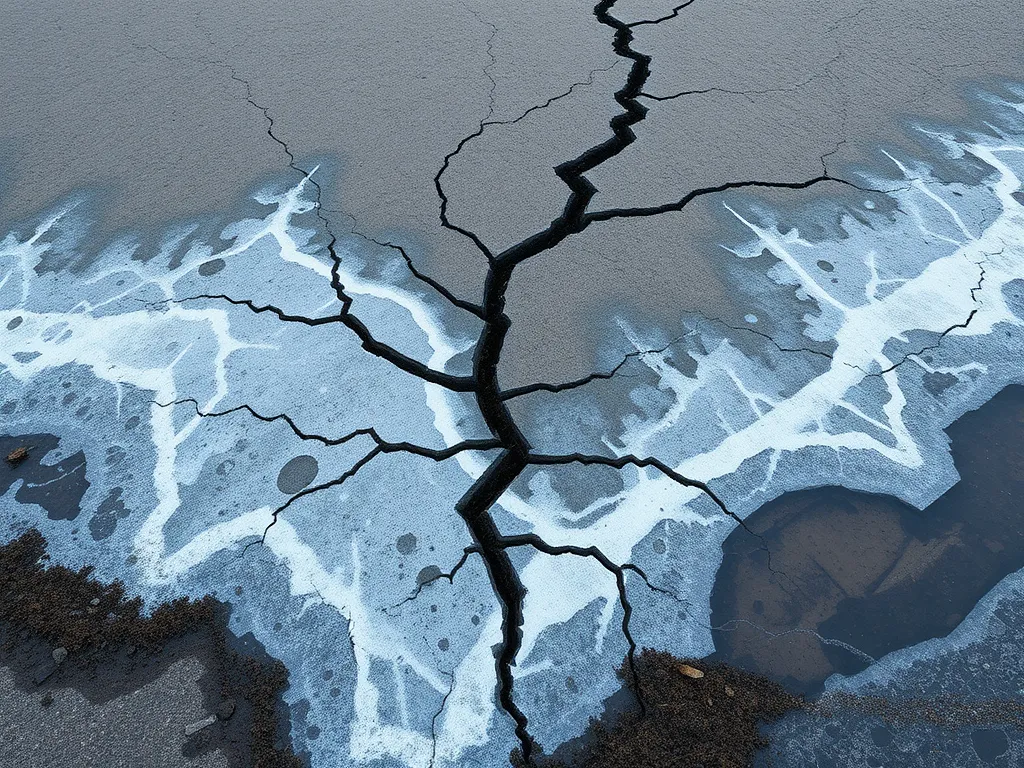
Rainwater seeps into hairline cracks as small as 1/8 inch wide. Over time, this weakens the aggregate base – the crushed stone layer supporting pavement. Saturated subgrade soils lose up to 60% of their load-bearing capacity, causing depressions under traffic. In freezing climates, trapped water expands by 9% when turning to ice, widening cracks into fissures.
Poor Drainage and Asphalt Deterioration
Standing water shortens pavement life by 50% in high-traffic zones. Without 2% minimum slope gradients or functional drains, moisture lingers and softens binder materials. This leads to raveling (surface aggregate loss) and alligator cracking within 3-5 years. Installing trench drains or adjusting crown heights (center elevation) redirects 95% of stormwater away from vulnerable edges.
How Rain Affects New Vs. Aged Asphalt
Freshly laid pavement needs 72 hours to cure before heavy rain exposure. Premature water contact washes away liquid asphalt binders, creating pockmarks. Aged surfaces with oxidized binder grades like PG 64-22 absorb 3x more water than sealed pavements. Annual sealcoating cuts repair costs by 35% by filling surface voids and blocking infiltration paths.
While rain relentlessly tests pavement resilience, winter brings a new set of challenges. Frozen precipitation and temperature swings amplify existing damage through physical and chemical attacks.
Also See: Eco-friendly Sealant Options for a Greener Home
Snow, Ice, and Freeze-thaw Cycles
Winter weather hits asphalt hard. Snow, ice, and repeated freeze-thaw cycles break down pavements through physical force and chemical wear. Both new and old roads face these threats.
Ice Expansion in Asphalt Cracks
Water seeps into tiny cracks in asphalt. When temps drop below 32°F, this water freezes and expands by 9%. The force pushes cracks wider. Thawing lets more water in. Repeat cycles turn small splits into deep gaps. Within 2-3 winters, potholes form. Cold regions see 40% more potholes than mild zones.
Salt and Chemical De-icing Damage
Road salt melts ice but harms asphalt. Sodium chloride breaks the bond between bitumen (asphalt’s sticky binder) and stone layers. It lowers water’s freeze point, causing more freeze-thaw cycles. Studies show salt use hikes repair costs by 25%. Chemicals like calcium chloride strip oils from asphalt, leaving surfaces brittle. Even “eco” options like beet juice blends can stain or weaken pavements over time.
Beyond winter’s freeze and salt risks, asphalt faces another foe when temps rise. Sunlight and heat bring a new set of challenges…
UV Radiation and Asphalt Oxidation
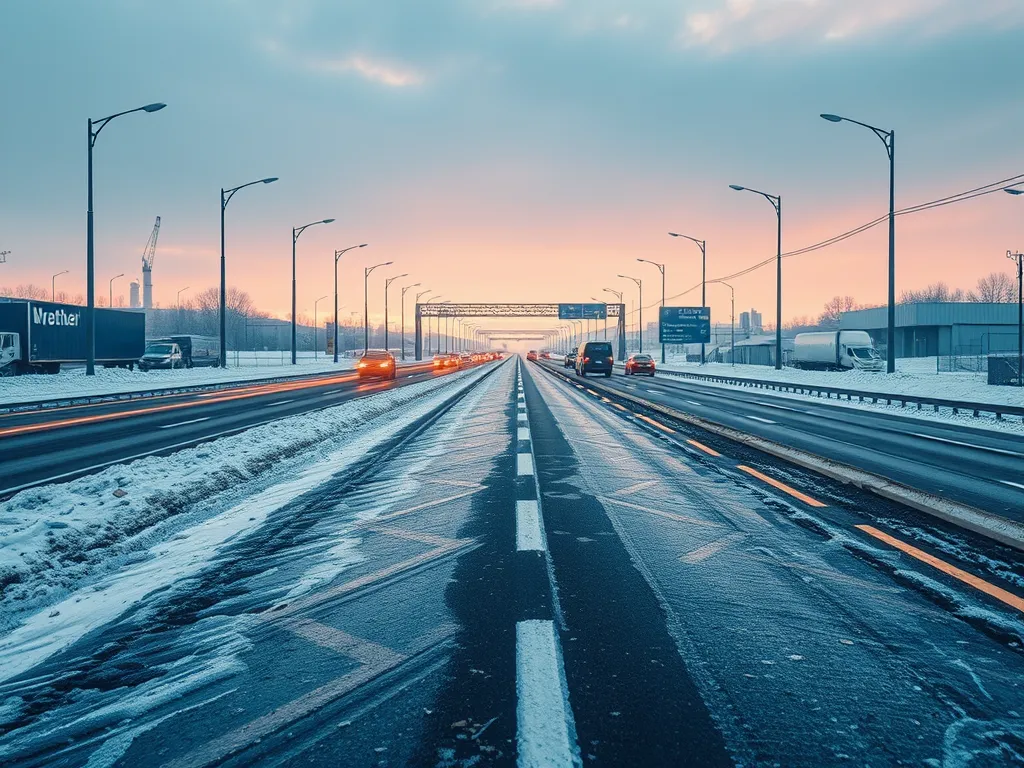
Sunlight delivers more than just heat to paved surfaces. Ultraviolet (UV) rays trigger chemical changes in the bitumen binder that holds asphalt together. This process, called oxidation, breaks down the binder’s flexible properties over time. Roads in states like Texas or Arizona typically show these effects within 5-7 years without maintenance.
Surface Fading and Brittleness
Prolonged UV exposure strips volatile oils from the bitumen. The surface loses its rich black color, turning gray as the binder degrades. This drying effect increases rigidity by up to 40%, making the pavement prone to cracks under traffic loads. Freshly laid mixes with softer PG 64-22 binders resist brittleness longer than older pavements.
Accelerated Aging From Sun Exposure
Oxidation rates double for every 18°F rise in pavement temperature above 70°F. Daily thermal cycling worsens binder hardening, reducing lifespan by 3-5 years in sunny climates. High-SUV regions often use polymer-modified binders or additives like carbon black to block UV penetration. Sealcoating every 2-3 years replenishes lost oils, cutting oxidation rates by 65%.
While UV rays steadily degrade surfaces, their impact multiplies when combined with other weather forces. Up next: how shifting seasons deliver compound blows to pavement integrity.
Combined Weather Stressors on Asphalt
Multiple weather factors often team up to accelerate pavement wear. These interactions create complex challenges that demand targeted solutions.
Seasonal Temperature Swings
Regions with hot summers and cold winters test asphalt’s flexibility. Daily or seasonal shifts between 0°F (-18°C) and 100°F (38°C) force continuous expansion and contraction. Over time, this thermal fatigue fractures the binder-aggregate bond, causing alligator cracks. PG (Performance Grade) binders rated for local climates – like PG 64-22 for areas with winter lows of -22°F – help minimize this damage by adjusting stiffness to temperature changes.
Simultaneous Heat and Moisture Damage
Heat softens asphalt surfaces, increasing porosity. When followed by rain, water penetrates deeper into pavement layers. Trapped moisture then expands during cooling periods, creating hydrostatic pressure that erodes base materials. This stripping effect weakens structural integrity by up to 30% in severe cases. Polymer-modified mixes with SBS (styrene-butadiene-styrene) additives combat this by sealing micro-cracks and repelling water. Proper slope grading (1-2% minimum) also directs runoff away from vulnerable edges.
These combined stressors make protective strategies vital for maintaining functional pavement. Next, we’ll examine methods to counter weather-driven wear.
Preventative Measures to Boost Longevity
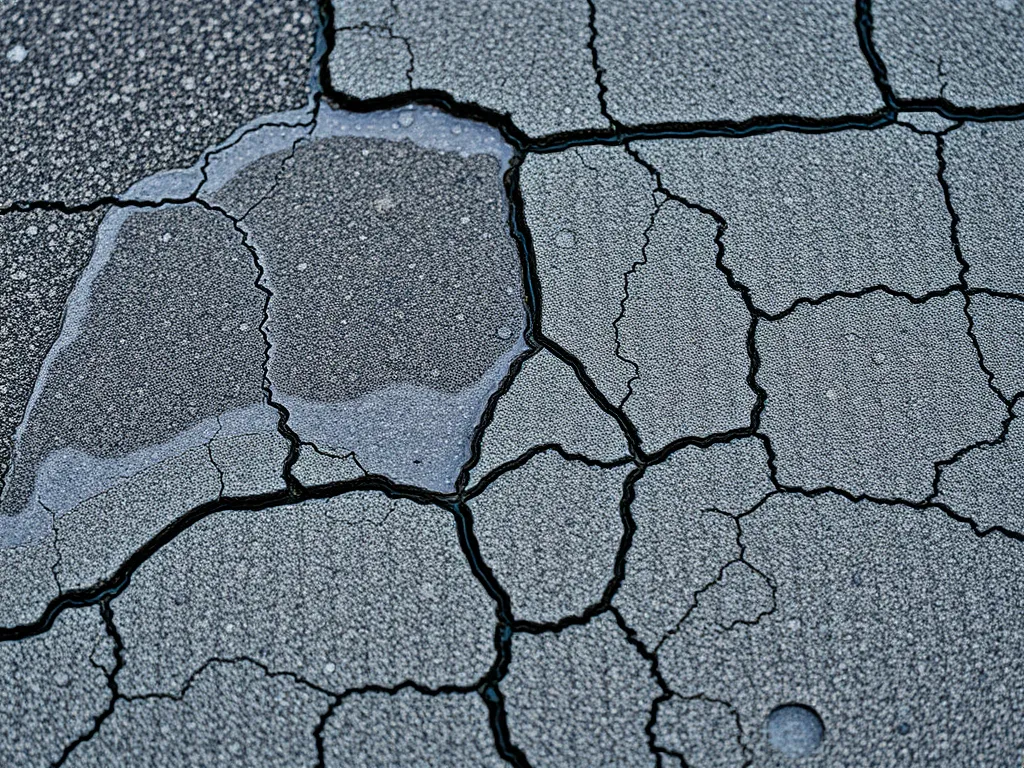
Proactive steps combat weather impacts on asphalt. Mix design, surface treatments, and structural upkeep form a strong defense against natural forces.
Choosing Weather-resistant Asphalt Mixes
PG (Performance Graded) binders tailor asphalt to local climates. In hot zones, polymer-modified mixes withstand rutting up to 140°F. Cold regions benefit from PG 58-34 or PG 64-28 binders that resist thermal cracks below -20°F. Stone matrix asphalt (SMA) with high aggregate content adds durability against freeze-thaw cycles.
| Mix Type | Best For | Cost Per Ton |
|---|---|---|
| Polymer-Modified | High heat areas | $85-$110 |
| Porous Asphalt | Wet climates | $75-$95 |
| SMA | Freeze-thaw zones | $90-$120 |
Importance Of Timely Sealcoating
Coating asphalt with coal tar or asphalt-based sealants blocks UV rays and moisture. Applied within 12 months of installation and every 2-3 years after, it cuts oxidation by 60%. A 3-5 mm thick layer fills surface voids, preventing water intrusion that causes 80% of base failures.
Crack Sealing and Routine Maintenance
Hot-pour rubberized filler seals cracks up to 1” wide. Fixing fissures within 48 hours of spotting stops 90% of moisture damage. Infrared patching fixes localized issues without cold joints. Annual inspections catch 70% of minor problems before they grow.
Proper Drainage System Installation
2% minimum slope directs water away from pavement. Trench drains handling 12”/hour rainfall prevent pooling. Catch basins with 6” sumps capture debris – a key move since 1 gallon of standing water can weaken 10 sq ft of asphalt. Permeable pavements reduce runoff by 75% in storm-prone areas.
Solid plans to fight weather impacts raise questions about long-term asphalt care – a topic we’ll tackle next.
Frequently Asked Questions (FAQ)
How Does Temperature Directly Affect Asphalt Durability?
Temperature extremes contribute significantly to asphalt wear. High temperatures soften the asphalt binder, while low temperatures cause it to contract and become brittle. Both conditions lead to surface deformations and increased likelihood of cracks, impacting the road’s overall durability.
Can Rain Damage New Asphalt Installations?
Yes, rain can damage new asphalt. Fresh asphalt needs time to cure; exposure to heavy rainfall before it has set can wash away essential binder materials, leading to surface imperfections and reduced durability.
What Weakens Asphalt Durability Over Time?
Asphalt durability weakens over time due to a combination of factors such as UV exposure, moisture infiltration, temperature fluctuations, and freeze-thaw cycles. These stresses lead to surface cracking, raveling, and structural failures if not properly managed.
Does Cold Weather Cause Permanent Asphalt Damage?
Cold weather can cause permanent damage to asphalt, particularly when freeze-thaw cycles occur. Water that seeps into pavement cracks expands when frozen, which significantly widens these cracks. Without timely maintenance, this can lead to widespread failure, including the formation of potholes.
Closing Thoughts
Weather plays a significant role in determining the durability of asphalt surfaces. From high temperatures causing softening to low temperatures triggering cracking, understanding these factors is vital for effective maintenance and longevity. Rain can accelerate deterioration through erosion and poor drainage, while snow and ice introduce new challenges like cracking and damage from de-icing chemicals. UV radiation further contributes to surface fading and brittleness, impacting asphalt’s lifespan.
To combat these weather-related issues, selecting the right asphalt mix, timely sealcoating, and regular maintenance are essential steps. Additionally, installing proper drainage systems can mitigate moisture-related risks. By taking these precautions, you can enhance the resilience of asphalt and extend its functional life.
For more insights on asphalt durability, visit Asphalt Calculator USA. Your resource for knowledge and tools to optimize your asphalt projects!
Useful References for You:
- Roberts, F. L., Kandhal, P. S., Brown, E. R., Lee, D. Y., & Kennedy, T. W. (1996). Hot Mix Asphalt Materials, Mixture Design, and Construction (2nd ed.). National Asphalt Pavement Association (NAPA).
- How Weather Situations Distress Asphalt | EastCoat Pavement Services
- Weather Patterns and How They Affect Asphalt’s Durability – GIS user technology news
- How Does Weather Affect Asphalt Pavement? | Bituminous Roadways Blog
- The Impact of Weather on Asphalt (+ How to Protect Your Pavement)

