
How Weather Wreaks Havoc on Asphalt and Concrete Driveways
Published on: February 12, 2026 | Last Updated: April 14, 2025
Written By: George Voss
Weather batters asphalt and concrete driveways through temperature swings, moisture, and UV rays – but each material fails differently. Asphalt softens in heat (above 85°F) and cracks below freezing, while concrete slabs expand/contract with temperature shifts. You’ll need asphalt sealcoating every 2-3 years or concrete joint sealing to fight these effects. Both materials face unique threats: asphalt’s binder degrades under sunlight, while concrete absorbs water that freezes and fractures its surface.
This guide shows how sun, rain, snow, and ice attack driveways. We compare asphalt’s rutting risks vs. concrete’s scaling dangers. Learn why winter creates asphalt potholes but concrete spalling. Discover installation temps (asphalt needs 50°F+ for proper compaction) and repair tactics. We break down costs, lifespan changes, and which material handles your climate best.
Contents
- Weather Impacts on Asphalt and Concrete Driveway Materials
- Effects Of Extreme Heat on Driveway Surfaces
- Cold Weather Challenges for Pavement
- Precipitation Effects on Driveway Integrity
- Freeze-thaw Cycle Damage Patterns
- Optimal Installation Weather Conditions
- Preventative Maintenance Strategies
- Environmental Exposure Considerations
- Frequently Asked Questions
- Closing Thoughts
- Useful References for You:
Weather Impacts on Asphalt and Concrete Driveway Materials
Both asphalt and concrete shift with changing atmospheric conditions. Material science shows temperature swings, moisture, and UV rays alter pavement performance. Knowing how these factors work helps owners plan care and avoid costly fixes.
Thermal Expansion and Contraction in Asphalt
Asphalt grows in hot conditions and shrinks when cold. This movement can form cracks, particularly if installation didn’t account for local climate. At 40°F to 150°F, typical in many regions, pavement may stretch up to 0.5 inches per 50 feet. Poorly compacted mix worsens gaps.
- Use PG (performance-graded) binders rated for local climate
- Install expansion joints every 20-30 feet in hot zones
- Apply crack sealants before winter
High-quality asphalt with 5-7% bitumen content handles movement better. Dark color absorbs solar radiation, speeding up surface warming by 20-40°F versus air temps.
Concrete’s Susceptibility to Temperature Fluctuations
Concrete also shifts with thermal changes but lacks asphalt’s flexibility. A 10-inch-thick slab may expand 0.1 inches per 50°F temp rise. Without control joints, internal stress builds until cracks form. Cold snaps below 32°F amplify risks if moisture sits in pores.
- Space control joints 8-12 feet apart
- Mix designs with 400-500 psi tensile strength resist splitting
- Install at 50-80°F for optimal curing
Concrete’s rigid structure makes it prone to surface spalling when temps swing 35°F+ in 24 hours. Adding polypropylene fibers (1.5 lbs/yd³) reduces micro-fractures by 30%.
Both materials fight atmospheric forces differently. Next, we’ll look at what occurs when temps climb past normal limits.
Effects Of Extreme Heat on Driveway Surfaces
Heat changes how driveways hold up over time. Both asphalt and concrete react when temps climb, but in different ways. These shifts can lead to cracks, dips, or breaks if not handled right.
Asphalt Softening and Rutting in High Temperatures
Asphalt gets soft when temps hit 140°F. The bitumen (black glue) thins out, losing grip on rocks and sand. Heavy cars leave dents called ruts. Hot spots near turns or slopes sag faster. Using PG binders (asphalt made for local temps) and adding polymers cuts rut risk by 40-60%.
Concrete Surface Scaling From Thermal Stress
Concrete swells in heat and shrinks at night. This push-pull chips the top layer, called scaling. If mixed wrong, heat makes air pockets pop near the surface. A 90°F day can expand slabs by 0.5 inches per 100 feet. Gaps between slabs (joints) set every 8-12 feet stop cracks. Clear sealers block water and salt from eating the weak spots.
Heat warps driveways, but cold brings new threats. Ice and freeze cycles test both surfaces in winter months.
Cold Weather Challenges for Pavement
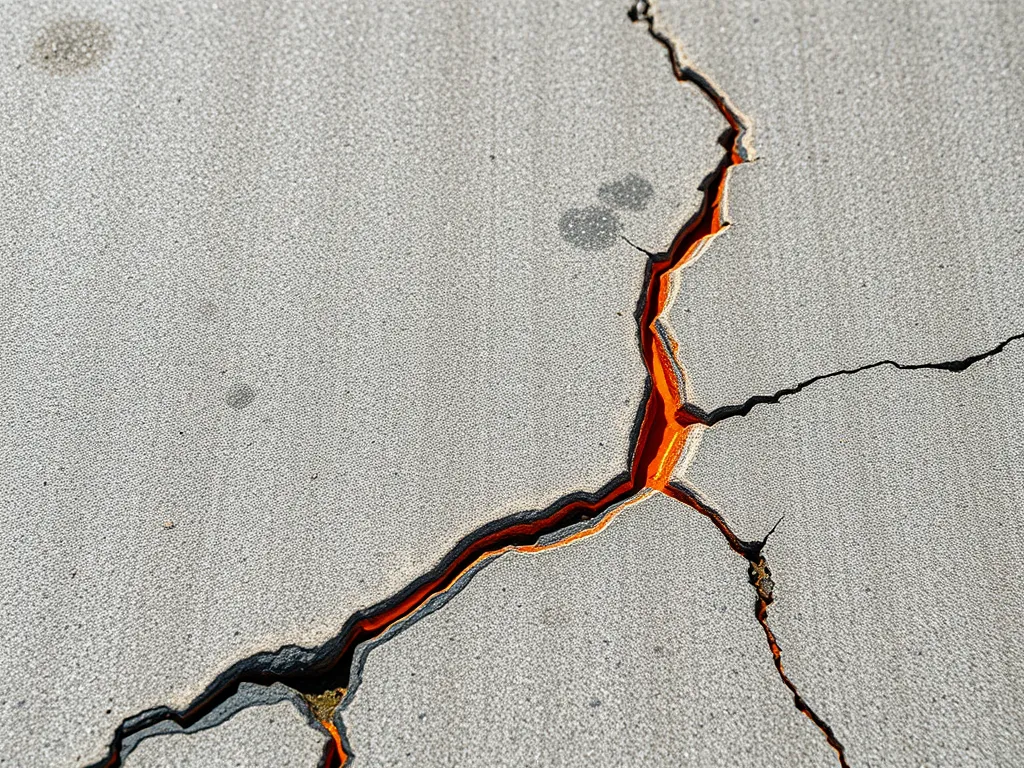
Freezing temps strain both asphalt and concrete driveways. Each material faces unique cold-weather threats that shape long-term durability.
Asphalt Brittleness and Crack Formation
Cold temps turn asphalt rigid. Below 50°F, the binder (PG 64-22 grade) loses flexibility. Thermal contraction pulls pavement apart, creating cracks. Common types:
- Edge cracks from frost heave
- Alligator cracks in weak spots
- Linear cracks along joints
Unsealed cracks let water seep into base layers. This leads to potholes when ice forms under the surface.
Concrete Freeze-thaw Damage Mechanisms
Water in concrete pores expands 9% when frozen. Repeated freeze-thaw cycles cause:
- Surface scaling (flaking)
- Internal microcracks
- Joint spalling
Air-entrained concrete resists this with 5-8% tiny air voids. Road salt worsens damage by lowering water’s freeze point to 15°F. Deicers trigger 3x more scaling vs. untreated areas.
Water doesn’t just threaten driveways in solid form. Liquid seepage sets the stage for spring failures…
Also See: Cold Mix Asphalt for Rural Roads: A Durable Solution
Precipitation Effects on Driveway Integrity
Rain, snow, and ice alter pavement performance through distinct physical processes. Asphalt and concrete respond differently to moisture exposure, creating unique maintenance challenges.
Water Infiltration in Asphalt Subsurface Layers
Asphalt’s porous structure allows 5-10% void space, letting water penetrate beneath the surface. Over time, this moisture degrades PG 64-22 binders and erodes aggregate bases. Poor compaction below 95% density accelerates base failures. Unchecked infiltration leads to alligator cracking, with repair costs averaging $1,500-$3,000 for 1,000 sq ft driveways.
Proactive solutions include applying polymer-modified sealcoating every 2-3 years. Drainage systems like French drains divert 80-90% of runoff. Infrared patching repairs localized damage before spreading.
Concrete Efflorescence From Moisture Exposure
Concrete’s capillary network draws water upward, dissolving calcium hydroxide in the mix. As moisture evaporates, it leaves white mineral deposits (efflorescence) on the surface. While not structurally harmful, efflorescence signals pH levels over 12.5 – a risk for steel rebar corrosion.
Silane-based sealers reduce water absorption by 70-85%. For existing deposits, low-pressure washing with 300-500 psi and diluted vinegar solutions remove 95% of efflorescence. Avoid acidic cleaners on stamped or colored concrete to prevent finish degradation.
While precipitation starts the damage process, freezing temperatures escalate structural threats. Let’s examine how phase changes between ice and water impact pavement.
Freeze-thaw Cycle Damage Patterns
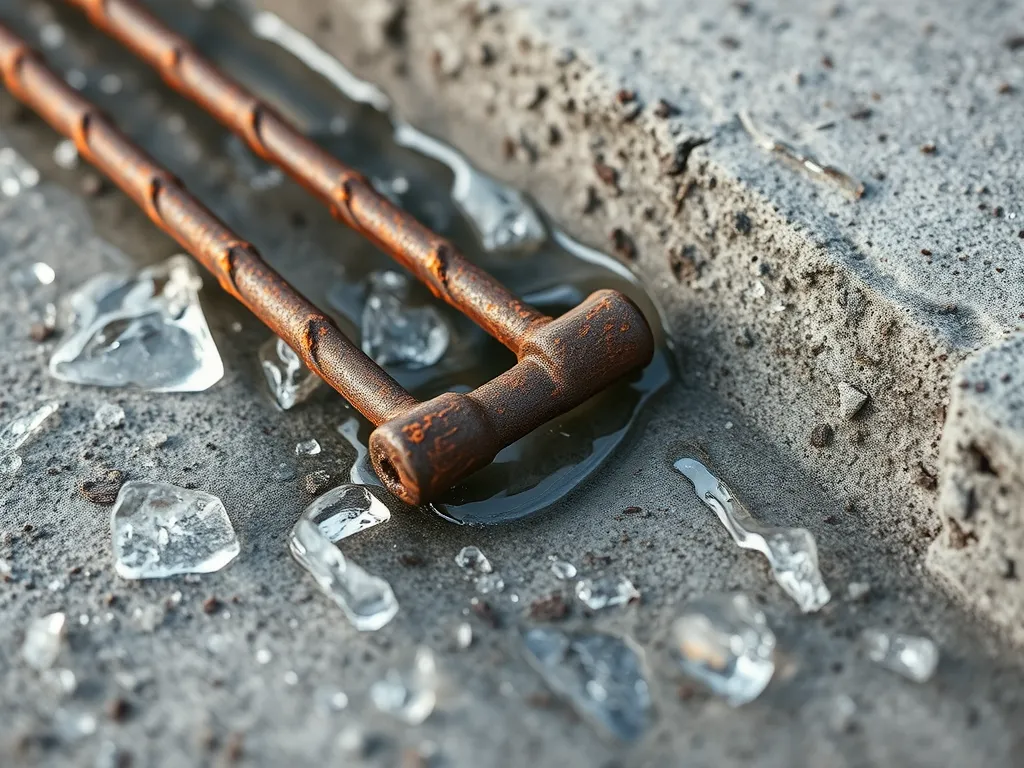
Cold weather hits driveways hard when temps swing above and below 32°F. Water seeps into tiny gaps, freezes, and grows by 9% in size. This push-pull action breaks bonds in both asphalt and concrete over time.
Asphalt Pothole Development in Winter Conditions
Asphalt potholes start when ice wedges open cracks in the top layer. Each thaw lets more water sink into the base. Freeze cycles lift chunks of asphalt, leaving voids. Heavy cars then crush weak spots – a single pothole can form in 3-5 freeze-thaw cycles. Costs to fix range from $50 for cold patch to $300+ for full-depth repairs.
Concrete Surface Spalling From Ice Expansion
Concrete spalling happens when ice presses on pores near the face. The top layer flakes off, exposing rough stone under it. Weak joints or poor air mix (under 6% air content) make it worse. Salt speeds this harm by making more freeze-thaw cycles. Unlike cracks, spalling shows as patchy dips up to 1/2 inch deep.
Both materials need care before winter hits. Next, we’ll break down the best weather for setting up new driveways to fight these issues.
Optimal Installation Weather Conditions
Weather directly shapes driveway performance from day one. Installation timing impacts material behavior, structural integrity, and lifespan for both asphalt and concrete surfaces.
Temperature Requirements for Asphalt Compaction
Asphalt needs 50°F to 85°F ground temperatures for proper compaction. Below 50°F, the mix cools too fast, creating air voids that invite water seepage and cracking. Above 85°F, asphalt becomes overly pliable, leading to rutting under roller weights. Hot mix asphalt (HMA) with PG 64-22 binders – rated for high-temperature stability – requires at least 290°F during placement. Cold patches fail to bond below 40°F, risking premature disintegration.
Moisture Control During Concrete Curing
Concrete demands 70% relative humidity during its 28-day curing phase. Rapid moisture loss triggers plastic shrinkage cracks within hours of pouring. Contractors use polyethylene sheeting or curing compounds to retain water content. Ambient temperatures below 50°F slow hydration, while above 90°F speeds evaporation – both scenarios weaken compressive strength by 15-20%. Properly cured concrete reaches 3,000-4,000 PSI, resisting freeze-thaw cycles and surface scaling.
Meeting these weather-specific requirements during installation prevents 60% of weather-related driveway issues. Next, we’ll examine maintenance tactics that extend pavement life under seasonal stress.
Preventative Maintenance Strategies
Weatherproofing driveways requires proactive care tailored to material vulnerabilities. Both asphalt and concrete need specific treatments to combat seasonal stresses – from summer UV rays to winter ice formation. Targeted maintenance reduces repair costs by 40-60% over a pavement’s lifespan.
Asphalt Sealcoating Frequency for Weather Protection
Sealcoating asphalt every 2-3 years creates a barrier against weather effects on asphalt surfaces. This thin layer (1-3 mm) of coal tar or asphalt emulsion shields binders from UV oxidation and blocks water infiltration into subsurface layers. In regions with temperature swings exceeding 50°F annually, annual inspections help spot cracks before freeze-thaw cycles widen them. Proper application requires surface temps above 50°F and 24-hour dry time.
Concrete Joint Sealing to Prevent Water Damage
Control joints in concrete driveways – typically spaced 8-12 feet apart – demand silicone or polyurethane sealants. Unsealed joints allow 1 gallon of water penetration per linear foot annually, accelerating freeze-thaw damage and subbase erosion. Reseal every 3-5 years using ASTM C920-compliant products. For cold climates, choose sealants with -20°F flexibility ratings to prevent brittleness. Properly sealed joints reduce spalling risks by 70% compared to untreated surfaces.
While maintenance forms the first defense against driveway weathering, material composition also dictates long-term performance. Next we’ll examine how environmental exposure impacts pavement chemistry…
Environmental Exposure Considerations
Sun, salt, and chemicals shape how driveways age. Both asphalt and concrete face unique threats from daily weather hits.
UV Radiation Effects on Asphalt Binder Degradation
Sun rays break down asphalt’s black binder over time. This glue-like bitumen loses 3-5% of its weight yearly from UV rays. Heat speeds up oxidation, making the surface dry and gray. Cracks form as the binder shrinks. High-Performance Grade (PG) binders rated for local climates slow this damage. Sealcoat every 2-3 years blocks UV rays and adds 5+ years to pavement life.
Salt and Chemical Impacts on Concrete Composition
Road salt eats into concrete pores. Sodium chloride splits into ions that rust steel bars inside slabs. Each winter, salt use can widen cracks by 0.1-0.3 inches. Calcium chloride de-icers cause worse scaling. White salt stains (efflorescence) signal deeper harm. Epoxy sealers cut salt intake by 60-80%. Use sand or calcium magnesium acetate for safer ice melt.
| Material | Threat | Fix | Cost |
|---|---|---|---|
| Asphalt | UV rays | Sealcoat | $0.15-$0.25/sq ft |
| Concrete | Salt | Penetrating sealer | $0.20-$0.30/sq ft |
Spotting early signs saves repair costs. Next, learn how to tackle common weather-driven driveway issues head-on.
Frequently Asked Questions
Does Weather Affect Asphalt Paving Quality?
Yes, weather significantly impacts asphalt paving quality. High temperatures can make asphalt soft and prone to ruts, while cold conditions can cause it to become brittle and crack. Proper installation during optimal weather conditions is crucial for ensuring the longevity and durability of asphalt driveways.
Which Performs Better in Winter: Asphalt or Concrete?
In winter conditions, asphalt tends to perform slightly better than concrete due to its flexibility, which helps it resist cracking when temperatures drop. However, both materials are susceptible to damage from freeze-thaw cycles and ice expansion, so proper maintenance and seasonal care are essential for both types of driveways.
How Does Rain Impact New Asphalt Installation?
Rain can adversely affect new asphalt installations if it occurs too soon after paving. Ideally, asphalt should be laid during dry conditions; rain can prevent proper compaction, lead to surface deformities, and cause long-term issues such as water infiltration and cracking.
What Weather Factors Damage Concrete Driveways Most?
The most damaging weather factors for concrete driveways include freeze-thaw cycles and prolonged exposure to moisture. Water trapped in the concrete’s pores can expand when frozen, causing surface spalling and internal cracks. Additionally, de-icing salts can accelerate deterioration by corroding internal reinforcement and causing scaling.
Closing Thoughts
Weather significantly impacts the integrity and longevity of asphalt and concrete driveways. Each material reacts differently to temperature changes, moisture, and UV exposure. While asphalt can soften or become brittle, concrete may face issues like scaling and spalling during extreme weather conditions. Understanding these dynamics allows for better maintenance strategies, helping homeowners protect their investments.
Optimal installation conditions and preventative care, such as sealcoating and joint sealing, play a vital role in ensuring durability. Regular monitoring for signs of damage can mitigate costly repairs down the line.
For further insights and resources on maintaining your driveway, visit Asphalt Calculator USA.

