How to Troubleshoot Common Asphalt Application Issues: Expert Solutions for Lasting Pavement
Published on: February 11, 2026 | Last Updated: April 14, 2025
Written By: George Voss
Troubleshooting asphalt application issues means spotting problems like crumbling edges, soft spots, or raveling (loose gravel) early and fixing them before they worsen. These flaws often come from mix design errors, installation mistakes, or weather impacts. Learn to diagnose issues like unstable surfaces or poor compaction using field tests and visual checks. This guide gives step-by-step fixes for small repairs and major overhauls.
This article shows how to identify bad asphalt quality, resolve surface failures, and prevent future defects. We cover visible warning signs (cracks, potholes, uneven textures), root causes (wrong binder grades, low compaction), and repair methods from sealing to reconstruction. Get data-driven tips on temperature ranges (280-325°F for hot mix), density targets (92-98% for base layers), and cost-effective solutions like infrared patching ($3-$5 per sq ft).
Contents
- Introduction to Asphalt Application Challenges
- Identifying Poor-quality Asphalt
- Troubleshooting Crumbling Asphalt Issues
- Resolving Soft or Unstable Asphalt Problems
- Addressing Compaction-related Failures
- Troubleshooting Asphalt Mix Design Flaws
- Environmental Considerations in Asphalt Application
- Frequently Asked Questions (FAQ)
- Closing Thoughts
- Additional Resources for You:
Introduction to Asphalt Application Challenges
Laying asphalt seems simple, but small errors cause big problems. Even pros face issues with mix design, weather, and gear. A bad batch or wrong temps can lead to cracks, dips, or loose rocks in weeks.
Key trouble spots start with the mix. Wrong rock sizes or low binder content weaken the mat. Hot mix needs temps between 275-325°F during laydown. Cold weather cuts work time by half, leading to poor seals.
PG binders (heat-rated asphalt glue) must match local climate. Use PG 64-22 in most US zones. Superpave specs help pick the right combo of rocks and glue for heavy traffic.
Poor compaction leaves air gaps that let water in. Just 5% air voids over spec cuts pavement life by 30%. Rain during install or high ground moisture ruins bond strength fast.
Spotting these red flags early saves time and cash. Let’s learn how to spot bad asphalt before it fails.
Identifying Poor-quality Asphalt
Spotting subpar asphalt early prevents costly repairs. Learn to recognize physical defects and trace them to their root causes.
Visible Signs Of Defective Asphalt
Three clear indicators signal failing asphalt before major damage occurs. Catching these early cuts repair costs by 40-60% compared to full replacements.
Crumbling or Flaking Surfaces
Edge cracks breaking into small pieces often stem from low PG binder content. Mixes below 5% binder fail within 1-3 years. Check for sand-like debris near cracks – a sure sign of disintegration.
Soft or Spongy Texture
Footprints lasting over 30 seconds indicate unstable asphalt. This occurs when mix temperatures drop below 225°F during installation, preventing proper binder-aggregate bonding.
Raveling and Aggregate Loss
Loose stones on the surface signal raveling. Causes include inadequate compaction (below 92% density) or using aggregates with high dust content exceeding 8%.
Common Causes Of Asphalt Degradation
Most application issues trace back to three technical missteps. Proper mix designs and installation methods prevent 85% of premature failures.
Incorrect Mix Design Ratios
Using PG 58-28 binder in high-traffic areas instead of PG 76-22 leads to rutting. Always match binder grades to project specs – a 10°F temperature mismatch reduces pavement life by 50%.
Inadequate Compaction Techniques
Single-pass rolling leaves air voids above 8%, causing water infiltration. Proper method: 2-3 passes with 10-ton rollers at 185-200°F mix temperature achieves 95% density.
Temperature-Related Application Errors
Laying asphalt below 290°F prevents binder activation. Thermal segregation occurs when trucks haul mixes over 25 miles without insulation, creating 50°F+ temperature differentials in loads.
Recognizing these failure patterns prepares you for effective solutions. Next, we’ll break down specific methods to fix crumbling asphalt before it spreads.
Troubleshooting Crumbling Asphalt Issues
Premature crumbling reduces pavement lifespan and requires immediate diagnosis. Spotting root causes early prevents costly repairs.
Why New Asphalt Crumbles Prematurely
Fresh asphalt degradation within 1-2 years signals installation flaws. Two primary culprits demand attention.
Low Binder Content in Asphalt Mix
PG binders (performance-graded petroleum cement) below 4.5% fail to glue aggregates. Mixes with under 5% bitumen show visible raveling within months. Verify supplier mix designs meet Superpave standards – industry specifications ensuring durability through rigorous testing.
- Test fresh batches with nuclear density gauges
- Demand lab reports showing 5-6% binder content
Moisture Infiltration During Installation
Water penetration during paving creates steam pockets under rollers. These voids weaken bonds between layers. Check weather logs – installations during rainfall or 90%+ humidity often cause failures. Use tarps for mix protection and halt work if surfaces can’t stay above 50°F.
Effective Repair Methods for Crumbled Areas
Patching requires matching repair depth to damage severity. Shallow fixes waste budgets – deep repairs prevent recurrence.
Full-Depth Patching Techniques
Remove compromised material down to base layer using milling machines or jackhammers. Follow this 5-step process:
- Cut clean edges with saws
- Blow debris with 200 CFM air compressors
- Apply SS-1h emulsified tack coat at 0.05 gal/sy
- Compact hot mix (290°F) in 2″ lifts
Costs average $3-$7 per square foot based on regional material prices.
Surface Sealing Best Practices
Preserve intact areas with CSS-1h emulsion seals applied at 0.10-0.25 gal/sy. Fog seals work for minor cracks under 1/4″ wide. Allow 24-hour curing before traffic. Budget $0.15-$0.35 per square foot for professional applications.
While addressing crumbling areas restores structural integrity, soft asphalt poses different risks. Let’s examine solutions for unstable surfaces that dent under pressure.
Also See: Chemical Composition Of Bitumen: Key Elements
Resolving Soft or Unstable Asphalt Problems
Soft spots or weak areas in fresh asphalt demand quick fixes. Learn key steps to find causes and apply lasting repairs.
Diagnosing Causes Of Soft Asphalt
Soft asphalt often stems from mix errors or poor curing. Check these factors first.
Excessive Binder or Oil Content
Too much binder (like PG 64-22 grade) weakens the mix. Test binder levels with lab checks. Aim for 5-7% binder by weight in hot mix asphalt (HMA).
Not Enough Cooling/Drying Time
Rushed jobs leave asphalt soft. Wait 24-48 hours before use. Use infrared guns to check surface temps. Ensure layers drop below 100°F before opening to traffic.
Weather Issues Slowing Cure
Cold air (under 50°F) or rain delays curing. Track temps and humidity with site gauges. Add warm lime to boost drying in damp zones.
Corrective Actions for Unstable Surfaces
Once causes are known, fix soft areas fast to stop worse harm.
Targeted Compaction Steps
Re-compact weak spots with vibratory rollers. Make three passes at 3-5 mph. Reach 92-95% density per AASHTO T 269 tests.
Binder Fixes
For oily mixes, add sand or lime to soak up extra binder. Swap standard binders for PMA types (like PG 76-22) in hot zones. Adjust mix ratios to meet ASTM D 3515 specs.
While fixing soft spots helps, lasting results need proper density from start to finish. Next, learn how poor compaction leads to flaws like ruts and dips.

Compaction issues rank among the top causes of premature asphalt failure. Proper density ensures structural integrity and prevents water damage. Let’s break down solutions for troubleshooting asphalt application issues tied to compaction.
Importance Of Proper Asphalt Compaction
Density directly impacts asphalt’s load-bearing capacity and lifespan. Inadequate compaction creates air voids exceeding 8%, leading to oxidation and cracking.
Density Requirements for Different Layers
Base layers require 92-96% density (per Superpave standards), while surface courses need 95-98%. Use nuclear density gauges or non-nuclear asphalt density meters for field verification.
Equipment Selection for Optimal Results
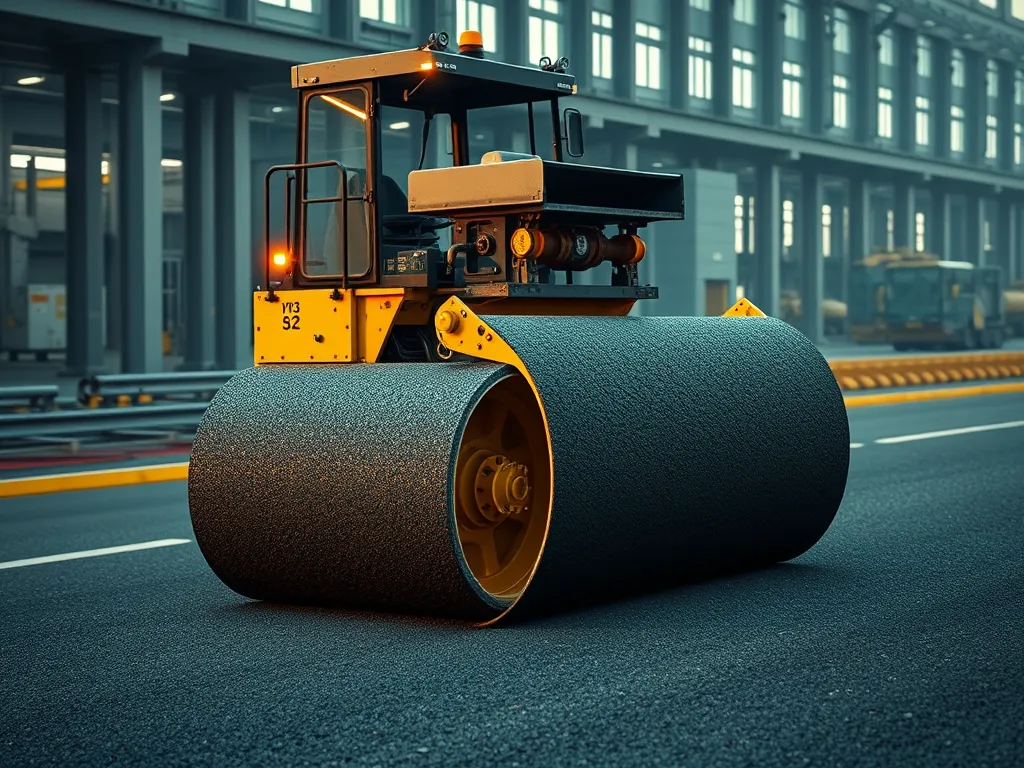
Vibratory rollers (10-12 tons) work best for base layers. Static steel-wheel rollers (8-10 tons) compact surface mixes effectively. Operate equipment at 3-5 mph for uniform results.
Identifying Poorly Compacted Asphalt
Spotting compaction flaws early prevents costly repairs. Look for these warning signs during asphalt application troubleshooting.
Surface Irregularities and Rutting
Ruts deeper than 0.5″ indicate poor compaction. Use straightedges or laser profilers to measure surface deviations exceeding 1/4″ per 10 feet.
Water Pooling Issues
Standing water within 4 hours of rain signals low-density areas. Check spots with infrared thermography – poorly compacted zones cool 15-20°F faster than properly sealed surfaces.
Remediation Techniques for Inadequate Compaction
Act quickly when fixing asphalt problems from poor compaction. These methods restore structural performance.
Infrared Reheating and Recompaction
Infrared heaters restore surface temps to 300-325°F for reworking. Achieve 95%+ density when reapplying 2,500-3,000 psi pressure within 72 hours of initial installation.
Overlay Installation Guidelines
For severe cases, install 2″ minimum overlay with PG 64-22 binder. Apply CRF-2 emulsion tack coat at 0.05 gal/sy rate before placement. Compact in 4 passes using 10-ton rollers.
While compaction fixes address surface issues, underlying mix design flaws require different solutions. Next, we’ll examine troubleshooting asphalt application issues tied to material composition.
Troubleshooting Asphalt Mix Design Flaws
Mix design errors cause 60% of asphalt failures. Fix flaws early to stop cracks, rutting, or surface loss.
Common Mix Design Errors
Bad mixes fail fast. Test materials before paving starts.
Aggregate Size/Grade Mismatches
Wrong rocks ruin roads. Use 3/4″ stone for base layers, 1/2″ for surface courses. Mismatched grades create weak spots. Check sieve tests – 95% must pass 1″ screen for base mixes. Gravel with high sand content (>15%) drains poorly.
Binder Grade Selection Mistakes
PG 64-22 binders crack below 20°F. PG 76-16 fails in hot zones. Match binder grades to local weather using AASHTO M 332 specs. Cold regions need lower PG numbers (e.g., PG 58-28). Hot areas require higher grades (PG 70-22).
Temperature Management During Application
Heat loss causes 1/3 of paving flaws. Track temps every 15 minutes.
Ideal Mixing and Layering Temperatures
Hot mix needs 280-330°F at plant. Lay asphalt at 265-300°F. Use infrared guns to check truck beds. Cold mix (<250°F) won’t bond. Overheated binder (>350°F) burns and cracks.
Cold Weather Application Challenges
Paving under 50°F risks thermal cracks. Use warm mix tech with wax additives. Cover trucks with tarps. Compact mix 20% faster in cold. Surface temps below 40°F? Stop work.
Implementing Permanent Fixes for Mix Issues
Band-Aid fixes last 6 months. Real repairs need full analysis.
Full Reconstruction vs. Partial Repairs
Rip out entire layers if base mix fails. Partial patching works for small flaws (<10 sq.ft). Use milling machines for 2" depth fixes. Full rebuilds cost $3-$7 per sq.ft but last 15+ years.
Quality Control Measures for Future Projects
- Run JMF (Job Mix Formula) checks daily
- Test binder viscosity with Brookfield viscometers
- Track truck temps with GPS sensors
- Use nuclear gauges for density checks
Mix flaws often tie to weather risks. Next, learn how rain and heat impact fresh asphalt.
Environmental Considerations in Asphalt Application
Weather patterns and site conditions directly affect asphalt performance. Temperature swings, moisture levels, and drainage efficiency dictate whether pavements last 15+ years or fail prematurely. Proper planning prevents common environmental failures.
Temperature and Weather Impact
Asphalt binders soften at 140°F+ and become brittle below 40°F. Performance Grade (PG) binders rated for local climate ranges maintain flexibility. In Phoenix, PG 76-10 resists rutting. In Minneapolis, PG 58-28 prevents thermal cracking.
Best Practices for Hot vs. Cold Climates
In hot regions: – Pave at night (65-85°F ground temps) – Use warm-mix asphalt additives – Apply 1.25″ thick lifts to slow cooling In cold zones: – Heat base layers to 50°F minimum – Use polymer-modified binders – Install windbreaks to retain heat
Moisture Management Strategies
Water causes 80% of asphalt failures. Uncontrolled moisture leads to stripping (binder-aggregate separation), potholes, and base erosion. Three-phase defense works best: sealants, drainage, and slope design.
Preventing Water Damage During Installation
– Test subgrade moisture with nuclear density gauges (max 8% content) – Apply CRF-2 emulsified tack coats at 0.05 gal/sy – Pause work if rainfall exceeds 0.1″ per hour – Use infrared heaters to dry surfaces pre-rollering
Drainage System Integration Tips
Slope pavements 2% minimum (1/4″ per foot). Pair with: | Drain Type | Flow Rate | Installation Depth | |——————–|——————–|——————–| | French drains | 5-10 gal/min/ft | 18-24″ | | Trench drains | 15-25 gal/min/ft | 6-12″ | | Permeable asphalt | 0.5-5″ rainfall/hr | Surface layer |
While environmental factors pose challenges, equipment choices also impact project success. Next, we’ll examine roller selection and compaction methods that ensure lasting results.
Frequently Asked Questions (FAQ)
How Can I Tell if My Asphalt is Defective?
Defective asphalt often shows physical signs such as crumbling, flaking, or raveling surfaces, as well as soft and spongy textures. It’s essential to conduct regular inspections and pay attention to any irregularities that could indicate deeper issues.
What Causes Asphalt to Remain Soft After Installation?
Soft asphalt can result from excessive binder content, insufficient cooling or drying time, or adverse environmental conditions affecting the curing process. It’s crucial to monitor temperature and humidity during the application process to ensure proper setting.
How Does Poor Compaction Affect Asphalt Longevity?
Poor compaction can lead to air voids in the asphalt layer, which allows water infiltration and can accelerate degradation. This results in increased susceptibility to cracking and raveling, ultimately reducing the lifespan of the pavement.
What Are the Main Environmental Factors That Influence Asphalt Performance?
Temperature fluctuations and moisture levels are critical environmental factors. Asphalt binders can become brittle in cold weather, leading to thermal cracking, while high moisture levels can cause stripping of binder from aggregates, leading to pavement failures.
What Steps Can I Take to Prevent Moisture Infiltration During Installation?
To prevent moisture infiltration, ensure that subgrade moisture is tested and kept below 8%, use appropriate tack coats, and halt paving during heavy rain. Proper preparation and timely application are essential to mitigate water damage risks.
How Can I Ensure the Right Binder Grade for My Project?
Choose binder grades based on local climate conditions. For instance, in cold areas, lower Performance Grades (such as PG 58-28) are suitable, while hot regions may require higher grades (like PG 76-22). Always consult construction and engineering guidelines for selecting the right binder.
What Are the Challenges Of Applying Asphalt in Cold Weather?
Cold weather application presents challenges such as increased curing times and risks of thermal cracking. It’s essential to use warm-mix technologies, monitor temperatures closely, and possibly delay work until favorable conditions are present to ensure quality results.
What Are Some Quality Control Measures I Can Implement for Future Asphalt Projects?
Implementing daily checks on Job Mix Formula (JMF), verifying binder viscosity, monitoring truck temperatures, and utilizing density gauges for ongoing quality assessments are effective measures to ensure all asphalt applications meet the required standards.
Closing Thoughts
Troubleshooting common asphalt application issues can save you time and money. Identifying problems early, whether it’s crumbling surfaces, soft textures, or inadequate compaction, empowers you to take effective action. Whether you opt for patching, sealing, or adjusting your mix design, each step helps extend the life of your asphalt.
Incorporating best practices, like proper temperature management and moisture control, further enhances your asphalt’s performance. Remaining proactive and informed is key to preventing future complications.
For more resources and guidance on asphalt applications, be sure to check out Asphalt Calculator USA.
Additional Resources for You:
- Lavin, P. (2003). Asphalt Pavements: A Practical Guide to Design, Production, and Maintenance for Engineers and Architects. London: Taylor & Francis.
- Common asphalt pavement defects and their causes — Pavement Management Services
- 8 Asphalt Pavement Issues – And How To Fix Them – Murphree Paving
- Asphalt 9 Legends Problems & Troubleshooting – solutions – App Problems & Solutions
- Most Common Asphalt Problems and How to Fix Them.