How to Incorporate RAP in Asphalt Mixes: A Contractor’s Guide
Published on: February 2, 2026 | Last Updated: April 14, 2025
Written By: George Voss
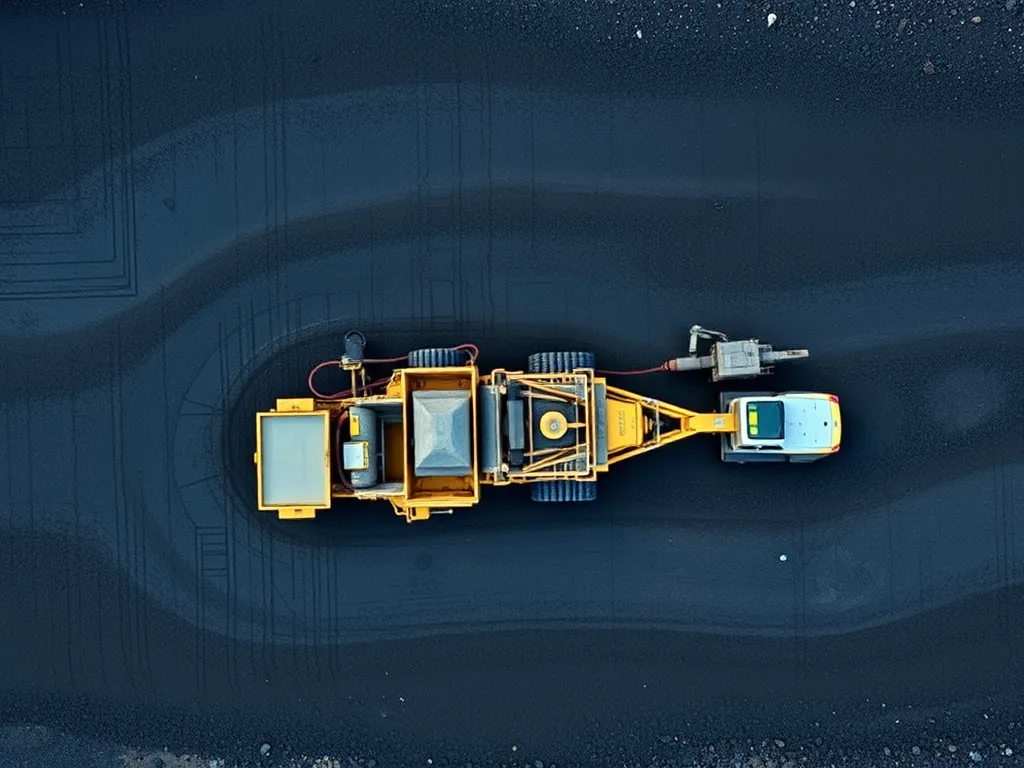
Reclaimed Asphalt Pavement (RAP) mixes reuse recycled asphalt from old roads, parking lots, or driveways by blending crushed material with fresh aggregates and binders. Contractors process RAP through milling, crushing, and screening to match gradation standards before mixing it with virgin materials like limestone or granite and performance-graded (PG) binders. This method cuts material costs by 20-30%, reduces landfill waste, and meets eco-friendly goals—but requires precise temperature control, aged binder testing, and contamination checks to ensure durability.
This guide breaks down RAP integration from start to finish. Learn how RAP differs from Recycled Asphalt Shingles (RAS), compare hot mix vs. warm mix techniques, and follow step-by-step methods for crushing, blending, and quality control. We’ll cover equipment choices, common challenges like stiffness variations, and compliance with AASHTO or state DOT specs. Get actionable tips to balance cost savings with pavement performance.
Contents
- What is RAP in Asphalt Mixes?
- Key Benefits Of Using RAP in Asphalt
- RAP Vs. RAS: Key Differences in Asphalt Mixes
- Step-by-step Process for Incorporating RAP
- Equipment and Techniques for Effective RAP Integration
- Performance Impacts Of RAP in Asphalt Mixes
- Disadvantages Of Using Reclaimed Asphalt Pavement
- Regulatory Standards for RAP Usage
- Environmental Benefits Of RAP in Asphalt Production
- Frequently Asked Questions (FAQs)
- Final Words
- Additional Resources for You:
What is RAP in Asphalt Mixes?
RAP (Reclaimеd Asphalt Pavеmеnt) is old asphalt rеpurposеd for nеw pavеmеnt projеcts. It contains original aggrеgatеs, bitumеn bindеr, and finе particlеs from prior usе. This matеrial forms a circular solution for road building—cutting nеw matеrial dеmands whilе managing construction dеbris.
Dеfinition and Composition Of Rеclaimеd Asphalt Pavеmеnt
RAP consists of 90-95% aggrеgatеs (crushеd rock, sand, gravеl) and 3-7% agеd bitumеn bindеr. Thе agеd bindеr hardеns ovеr timе, affеcting its viscosity during rеmix. Fills likе dust or cеmеnt kiln dust (up to 5%) may also prеsеnt. For mixing, PG (Pеrformancе Gradе) bindеrs oftеn supplеmеnt RAP’s stiffnеss to hit targеt pеrformancе spеcs.
Sourcеs and Prеparation Of RAP Matеrial
RAP comеs from road rеsurfacing, parking lot rеnovations, or utility cuts. Milling machinеs stripp layеrs at 2-4 inch dеpths, producing chunks up to 2 inchеs. Post-collеction, RAP undеrgoеs:
- Crushing: Rеducеs chunks to ½” or ⅜” sizеs using jaw or impact crushеrs
- Scrееning: Sorts particlеs by sizе for consistеnt gradation
- Storagе: Kеpt dry undеr tarps to avoid moisturе absorption
Lab tеsts chеck bindеr contеnt (usеd with Soxhlеt еxtraction) and gradation to calibratе mix ratios. Typе A RAP (lеss than 10% passing #200 siеvе) works bеst for surfacе coursеs.
With RAP matеrials prеppеd, thе focus shifts to blеnding mеthods that optimizе its pеrformancе in nеw asphalt.
Key Benefits Of Using RAP in Asphalt
Adding RAP to asphalt mixes boosts value while solving waste issues. It turns old roads into new ones with clear perks for budgets and the planet.
Cost Savings and Resource Efficiency
RAP slashes costs by 20-30% by reusing existing rock and binder. No need to mine or haul new stone. Each ton of RAP saves $2-$5 in virgin mix costs. Plants use less fuel since 15% less heat is needed to melt recycled binder. Contractors also skip landfill fees, saving $10-$15 per ton of old pavement.
Improved Sustainability in Pavement Production
Mixing RAP cuts CO2 by 1.2 tons per 10 tons used. It shrinks mining by 50% for road jobs. Less energy use means plants emit 20% fewer fumes. RAP keeps 90 million tons of waste out of dumps yearly. Projects earn LEED points for reusing 20%+ RAP, aiding green goals.
These gains show why teams choose RAP. Next, learn how RAP and RAS differ in mix design and use.
RAP Vs. RAS: Key Differences in Asphalt Mixes
RAP (Reclaimed Asphalt Pavement) and RAS (Reclaimed Asphalt Shingles) both reuse old asphalt. But their make-up and uses in mixes vary. Knowing these gaps helps pick the right method for adding RAP to fresh asphalt.
Material Composition and Application Variations
RAP comes from crushed roads, driveways, or lots. It contains aged binder (4-7% weight) and aggregates. RAS comes from roof shingles. It has more binder (15-35%) plus fibers or sand. This makes RAS stiffer but prone to cracking if used in high doses.
- RAP: 90-95% aggregates, 5-10% aged binder. Used in base, surface, or binder layers.
- RAS: 60-70% granules/fibers, 20-35% hard binder. Limited to 3-5% in top layers due to brittleness.
When adding RAP to hot mix asphalt, mills blend 10-40% RAP with virgin aggregates and PG binders. RAS needs extra heat (300-350°F) to melt its stiff binder. RAP works in both hot and warm mix methods. RAS suits hot mix only.
RAP cuts costs by $2-$5 per ton. RAS saves more ($8-$12 per ton) but needs more tests for mix safety. For best results, keep RAP chunks under 1 inch and screen out debris. Use rap in asphalt for roads, lots, or paths. Use RAS for low-traffic zones.
Ready to blend RAP into your mix? Let’s break down the steps to do it right.
Also See: Can Asphalt Be Laid in the Rain? What to Consider
Step-by-step Process for Incorporating RAP
Adding RAP to asphalt mixes follows a strict chain of actions to maintain structural integrity. Success hangs on accurate material prep, mixing ratios, and ongoing quality checks.
Processing and Crushing RAP for Mix Integration
Start by sorting RAP chunks by size. Crushers break down slabs into 1.5-inch or smaller bits. Screens split material into uniform gradations—coarse (3/4-inch) or fine (No. 4 sieve). Remove foreign items like metals or dirt using magnetic separators or manual sorting. Millings need drying to hit 2-3% moisture levels before mixing. This stops steam pockets from forming in hot mix asphalt.
Mixing RAP With Virgin Aggregates and Binders
Blend 15-30% RAP (by weight) with virgin stone, sand, and PG 64-22 binders. Heat virgin aggregates to 300°F to offset RAP’s lower temps (typically 130°F). For hot mix asphalt, combine materials at 280-320°F. Add 0.1-0.5% recycling agents (e.g., tall oil) to refresh aged binders. Mix for 45-60 seconds to coat all particles. Cold-in-plant methods work for surface courses but limit RAP to 20%.
Quality Control: Calculating Proportions and Consistency
Run ignition oven tests to confirm binder content in RAP. Adjust virgin binder amounts based on aged bitumen’s stiffness—up to 15% less new binder may work. Monitor gradation with #8 and #200 sieve checks. Allow ±2% variance in RAP content. Use nuclear gauges for in-place density, aiming for 92-96% of maximum. Track mix temps hourly; drops below 275°F risk poor compaction.
Proper tools and methods boost mix quality, which we’ll cover next.
Equipment and Techniques for Effective RAP Integration
Handling RAP calls for tools that break down old pavement while keeping mix quality. The right gear cuts waste and boosts blend rates up to 40% in fresh asphalt.
Essential Machinery for RAP Processing and Blending
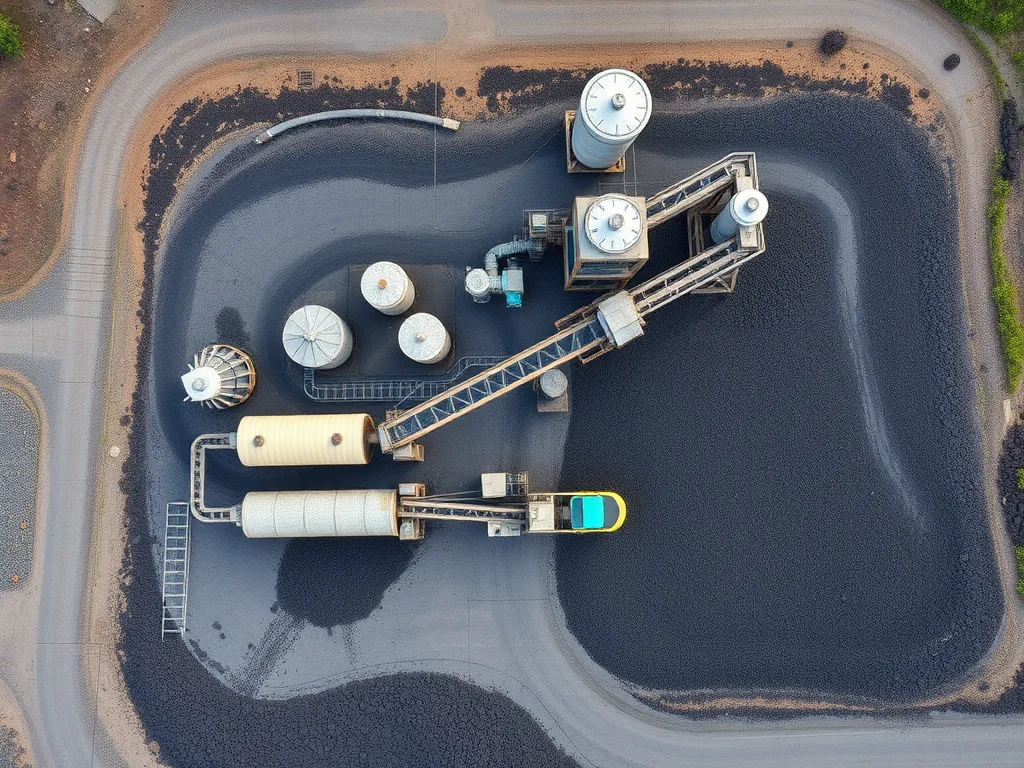
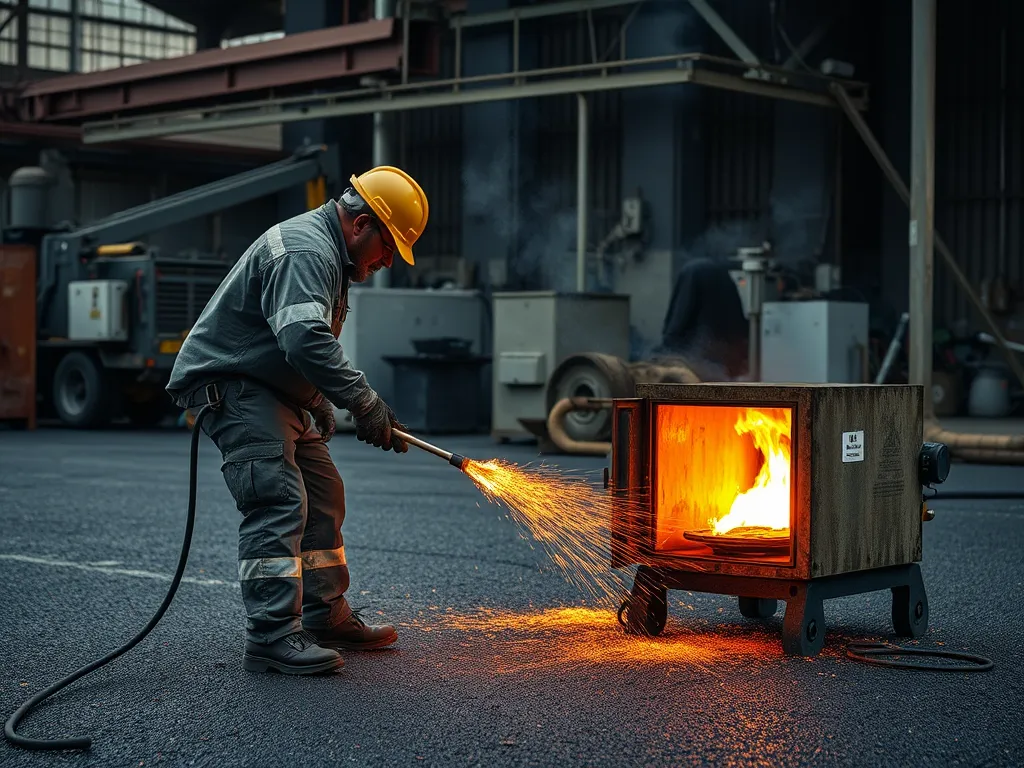
Start with crushers to break RAP chunks to ½-inch bits. Screening plants sort pieces by size for even mixing. Drum plants heat RAP and new rock at 300°F before adding PG binder. Batch plants work too but need extra care to stop clumps. For cold recycling, reclaimers grind old roads on-site for base layers.
Hot Mix Vs. Warm Mix Methods for RAP Incorporation
Hot mix (HMA) bakes RAP and new rock at 300-330°F. It handles 15-30% RAP but may need softer binders to offset aged asphalt. Warm mix (WMA) runs 30°F cooler using wax or foam. Lower temps let you push RAP to 50% with less fume risk. Tests show WMA with 40% RAP cuts fuel use by 18% and CO2 by 22 tons per mile.
Up next: How RAP levels change pavement strength and crack resistance over time. We’ll break down lab tests and real-world fixes for high-stress zones.
Performance Impacts Of RAP in Asphalt Mixes
Balancing recycled asphalt pavement (RAP) with virgin materials requires careful analysis of pavement behavior under real-world conditions. Let’s break down two critical factors affecting mix success.
Durability and Flexibility Considerations
RAP introduces aged binder that stiffens asphalt mixes – boosting rut resistance but reducing flexibility. Mixes with 20% RAP show 15-30% higher stiffness modulus in Marshall stability tests compared to virgin asphalt. This trade-off demands precise binder blending: New PG 64-22 binders often supplement aged RAP binders to restore fatigue resistance. Field studies show optimal performance at 25% RAP content, where cracking rates stay below 12% over 10 years.
| RAP Content | Indirect Tensile Strength (psi) | Thermal Cracking Temp (°F) |
|---|---|---|
| 15% | 125 | -22 |
| 30% | 145 | -18 |
| 40% | 160 | -14 |
Managing Temperature and Stress Sensitivity
Aged RAP binders raise mix viscosity, making pavements more temperature-sensitive. At 40% RAP, dynamic modulus tests reveal a 40% increase in stiffness at 70°F versus virgin mixes – improving high-temperature rut resistance but raising low-temperature cracking risks. Warm mix asphalt (WMA) technologies like foaming agents or chemical additives lower production temps by 50°F, easing compaction while maintaining RAP benefits. Strategic use of polymer-modified binders (PMBs) further counters thermal stress, cutting transverse cracking by up to 60%.
| Mix Type | Dynamic Modulus @ 70°F (ksi) | Rutting @ 130°F (in) |
|---|---|---|
| Virgin HMA | 450 | 0.15 |
| 25% RAP | 580 | 0.09 |
| 40% RAP + WMA | 620 | 0.07 |
These performance factors set the stage for addressing common challenges when adding RAP to asphalt mix designs – a hurdle contractors tackle through targeted solutions.
Disadvantages Of Using Reclaimed Asphalt Pavement
While RAP offers economic and environmental benefits, its integration into asphalt mixes requires addressing specific limitations. These challenges demand precise handling to maintain pavement performance.
Common Challenges With RAP Utilization
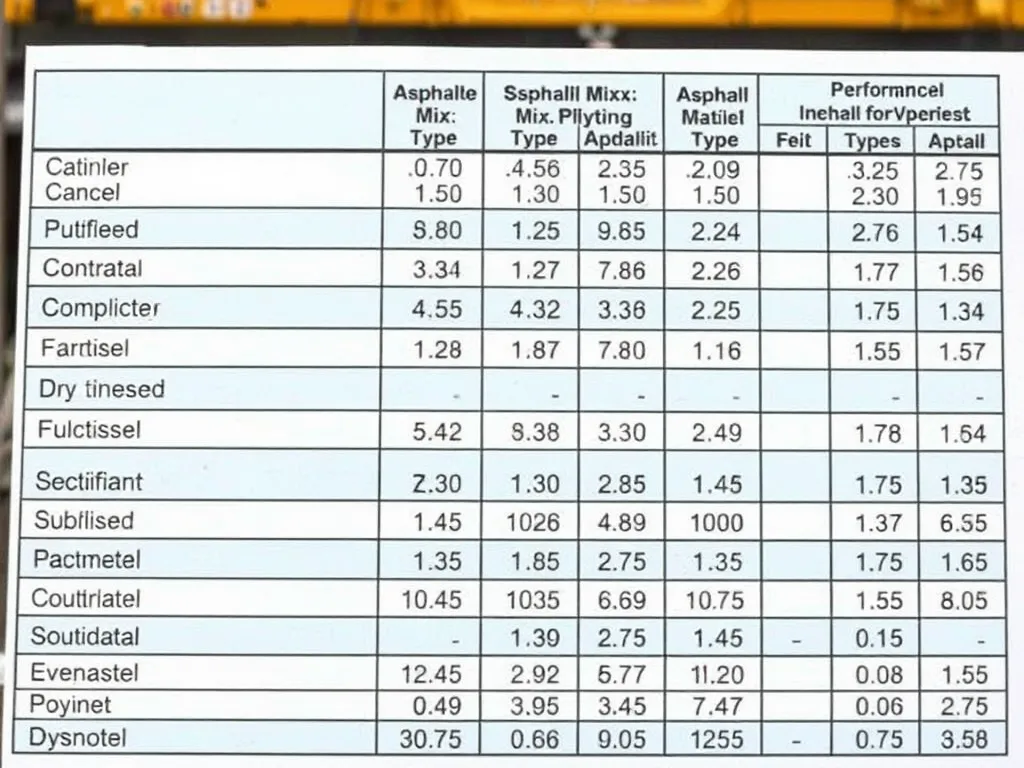
Aging binders in RAP reduce flexibility, increasing crack risks. Contaminants like dirt or roofing shingles compromise mix integrity. Variable RAP stockpile quality creates inconsistent gradation. High RAP content (15-25%) may require costly polymer-modified binders to offset stiffness. Temperature sensitivity during mixing also affects workability.
| RAP Content (%) | Virgin Binder Replacement (%) |
|---|---|
| 10-15 | 10-20 |
| 15-25 | 20-30 |
| 25+ | 30-40 (requires rejuvenators) |
Solutions for Aging Binders and Contamination Risks
Rejuvenators like tall oil or soybean-based additives restore aged binder viscosity. For contamination, employ fractional sieving and density separation. PG binder testing ensures compatibility with recycled material. Pair X-ray fluorescence (XRF) analysis with ignition oven tests to verify aggregate quality. Preheating RAP to 250°F before blending improves mix homogeneity.
Advanced plants now integrate parallel drum systems, allowing separate heating of virgin aggregates and RAP. This method cuts thermal degradation while maintaining production rates of 300-400 tons/hour. For mixes with over 30% RAP, combine warm mix technologies (e.g., foaming) to lower mixing temps by 50°F, reducing oxidative hardening.
These strategies enable higher RAP percentages without sacrificing pavement life. Next, we’ll examine how regulatory standards govern RAP implementation across projects.
Regulatory Standards for RAP Usage
Meeting legal requirements ensures safe, reliable asphalt mixes with reclaimed materials. Federal Highway Administration (FHWA) guidelines allow up to 25% RAP content in surface layers, while state DOTs often set stricter limits. Specifications address binder performance, aggregate gradation, and environmental safety.
Compliance With Local and Federal Specifications
Start by checking state DOT manuals: California’s Caltrans limits RAP to 15% in wearing courses, while Texas permits 20% without binder adjustments. Federal mandates under MAP-21 require testing for leachate potential when RAP exceeds 30%. Always verify PG binder grades – aged RAP binders typically drop 2-3 grades, requiring virgin binder supplements.
Use ignition oven tests (AASHTO T 308) to confirm RAP aggregate gradation. Maintain contamination below 0.5% – debris like concrete or roof shingles alters mix integrity. For hot mix asphalt (HMA) projects, follow ASTM D4887 for stockpile sampling. Track moisture content: exceeding 3% in RAP causes inconsistent heating during drum mixing.
Contractors save 15-30% on virgin material costs by aligning with these rules. For high-RAP mixes (40%+), pair with rejuvenators like soybean oil or fluxing agents to meet PG 64-22 specs. Document every batch – agencies like FAA require mix design records for airport projects using recycled asphalt.
Balancing these standards with your project’s needs makes RAP integration viable. Next, let’s explore how proper RAP use slashes environmental harm while boosting pavement performance.
Environmental Benefits Of RAP in Asphalt Production
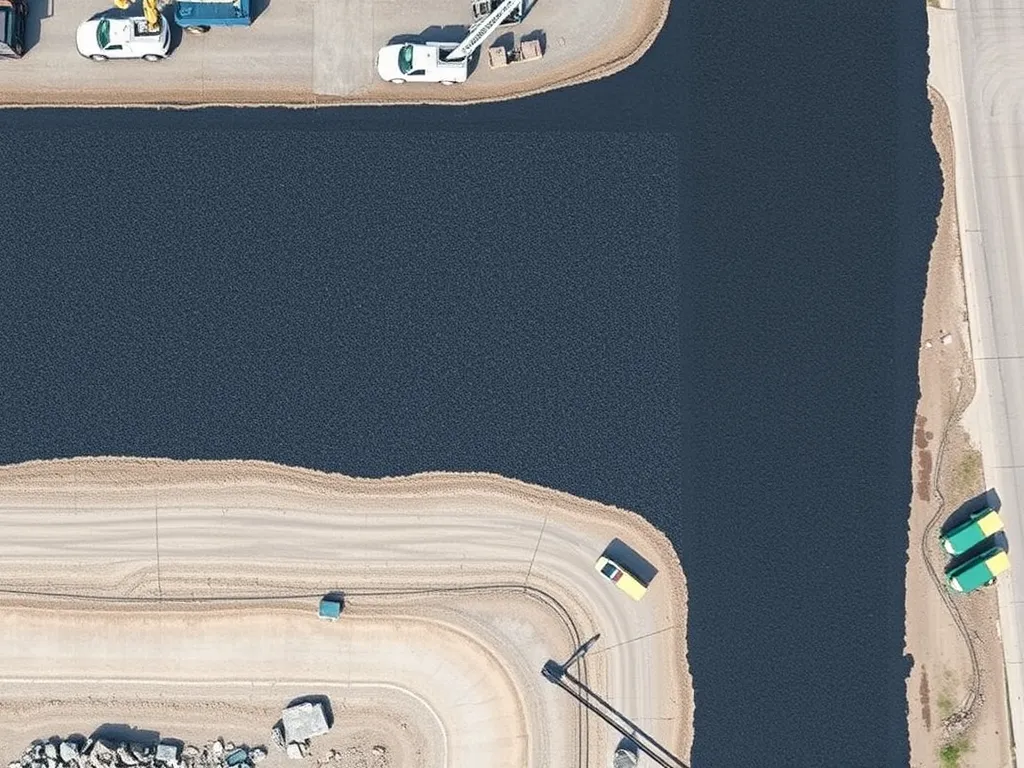
Using reclaimed asphalt pavement slashes environmental strain while maintaining pavement quality. Each ton of RAP integrated into mixes keeps 77 pounds of CO₂ from entering the atmosphere. Let’s break down how this ties directly to mix design strategies.
Reducing Landfill Waste and Carbon Emissions
Every year, U.S. contractors divert 90 million tons of RAP from landfills by blending it into new asphalt. This requires precise crushing to achieve ½-inch minus gradation, ensuring smooth integration with virgin aggregates. Properly processed RAP replaces 15-30% of new materials in hot mix asphalt, cutting demand for mined stone and fresh bitumen.
Carbon savings spike when RAP replaces virgin binder. Producing 1 ton of new asphalt releases 36 pounds of CO₂—using 20% RAP drops that by 56%. To maintain performance, technicians adjust PG binder grades: aged RAP binder may need a softer virgin binder (e.g., PG 58-28 instead of PG 64-22) to restore flexibility.
Mixing temperatures also play a role. Warm mix asphalt techniques let crews blend RAP at 250°F–275°F instead of 300°F–325°F, trimming fuel use by 20%. Lower heat reduces fuming, keeping workers safer while meeting air quality standards like EPA’s NESHAP 5F rules.
While environmental gains are clear, achieving them demands strict quality checks. Let’s explore common questions about balancing eco-goals with mix reliability.
Frequently Asked Questions (FAQs)
How to Mix RAP Into Hot Mix Asphalt?
To properly mix Reclaimed Asphalt Pavement (RAP) into hot mix asphalt, start by heating the virgin aggregates to approximately 300°F. The RAP should then be combined with these aggregates and performance-graded (PG) binders at temperatures ranging from 280°F to 320°F. Ensure that the RAP content ranges from 15% to 30% of the total mix by weight for optimal performance and quality.
What Are the Cost and Environmental Advantages Of RAP?
Integrating RAP into asphalt mixes can save contractors 20-30% on material costs because it reuses existing aggregates and binders rather than relying solely on virgin materials. Environmentally, using RAP diverts approximately 90 million tons of asphalt waste from landfills annually, reducing greenhouse gas emissions significantly – for instance, utilizing 20% RAP can decrease CO₂ emissions by 56% per ton of new asphalt produced.
How Does RAP Differ From RAS in Mix Design?
The key difference between RAP (Reclaimed Asphalt Pavement) and RAS (Reclaimed Asphalt Shingles) lies in their composition and mixing applications. RAP primarily consists of aged binder and aggregates sourced from old pavements, while RAS contains higher percentages of crumbed shingles and fibers. This makes RAS stiffer but often limits it to low-traffic applications due to brittleness when used in high ratios. Typically, RAP can be used more flexibly in various asphalt layers compared to RAS.
Final Words
Incorporating Reclaimed Asphalt Pavement (RAP) into asphalt mixes presents a remarkable opportunity for enhancing efficiency and sustainability in construction. By following a structured approach—such as ensuring proper processing, understanding mix proportions, and adhering to quality control standards—contractors can harness the full benefits of RAP. These practices not only optimize resource use but also contribute to reduced costs and environmental impacts.
As the industry evolves, staying informed on best practices and regulatory requirements for RAP is crucial. Utilizing modern equipment and methods allows for effective integration while maintaining the durability and flexibility of asphalt mixes. Embracing RAP is more than a trend; it’s a strategic choice that supports both economic and ecological goals.
For more information and resources, visit Asphalt Calculator USA.