How to Get Paint Off Of Asphalt: Safe & Effective Removal Methods
Published on: January 31, 2026 | Last Updated: April 14, 2025
Written By: George Voss
To remove paint from asphalt, use pressure washing, chemical solvents, or mechanical scraping. Asphalt’s porous surface absorbs liquids quickly, making fresh spills easier to remove than dried paint. Latex, oil-based, and spray paints require different treatments – acting fast prevents stains from bonding with the asphalt binder (bitumen). Wear gloves and test cleaners on hidden areas first.
This guide covers six proven removal methods, tools like biodegradable strippers and plastic scrapers, and eco-friendly practices. Learn how to eliminate graffiti, road line paint, and oil-based stains without damaging pavement. Get tips on containing chemical runoff, recycling paint chips, and using household items like dish soap or rubbing alcohol for small spills.
Contents
Essential Tools &Amp; Materials for Asphalt Paint Removal
Effective paint removal starts with the right supplies. Match your toolkit to the paint type and spill size for optimal results.
Household Solutions for Small Spills
Common garage items tackle minor latex or acrylic stains without harming pavement. These methods work best when applied within 48 hours of spills.
Acetone or Nail Polish Remover
Pure acetone (≥90% concentration) breaks down latex paint bonds. Apply with cotton cloths using firm circular motions. Limit contact to 5 minutes max to prevent surface degradation. Rinse thoroughly with garden hose.
Isopropyl Alcohol or Rubbing Alcohol
70-90% alcohol solutions dissolve water-based paints. Combine 1 part alcohol with 2 parts water in spray bottles. Let sit 3 minutes before scrubbing with stiff-bristle brushes. Effective for spills under 2 sq ft.
Dish Soap and Warm Water
Mix 3 tbsp Dawn Ultra with 1 gallon 120°F water for fresh spills. Use nylon scrub pads with 15-20 lbs pressure. Rinse within 10 minutes to avoid soap residue buildup.
Heavy-duty Paint Removal Products
Commercial-grade solutions handle cured paints, oil-based coatings, or large-scale graffiti. Wear nitrile gloves and safety goggles during application.
Biodegradable Paint Strippers
Eco-friendly gels like Franmar SoyStrip (pH 12.5) lift multiple paint layers. Apply 1/8″ thick layer with trowel. Cover with plastic sheeting for 24-48 hours before power washing at 1500 PSI.
Citrus-Based Solvents
Orange oil cleaners (e.g., Goo Gone Graffiti Remover) target spray paint. High d-limonene content (≥80%) dissolves enamel without etching asphalt. Costs average $0.50 per sq ft treated.
Mineral Spirits for Oil-Based Paint
Low-VOC mineral spirits (<100 g/L) cut through alkyd paints. Saturate cheesecloth and drape over stains for 8-10 minutes. Scrape with plastic putty knives at 45° angles. Reapply up to 3 times for stubborn layers.
With proper materials selected, the next phase focuses on application techniques for different paint scenarios.
Step-by-step Methods to Remove Paint From Asphalt
Choose the right method based on paint type, stain age, and affected area size. Follow these proven techniques to restore your asphalt surface without causing harm.
Removing Fresh Latex Paint
Act quickly on wet latex paint for easiest removal. Fresh spills under 48 hours respond well to non-chemical methods.
Pressure Washing Techniques
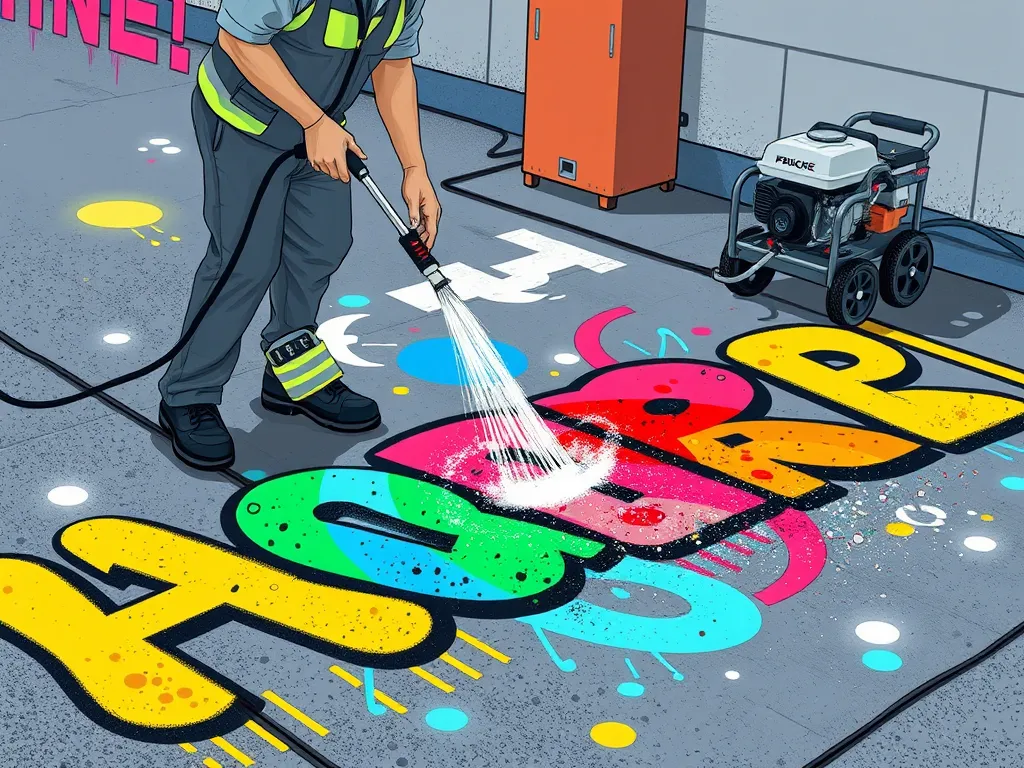
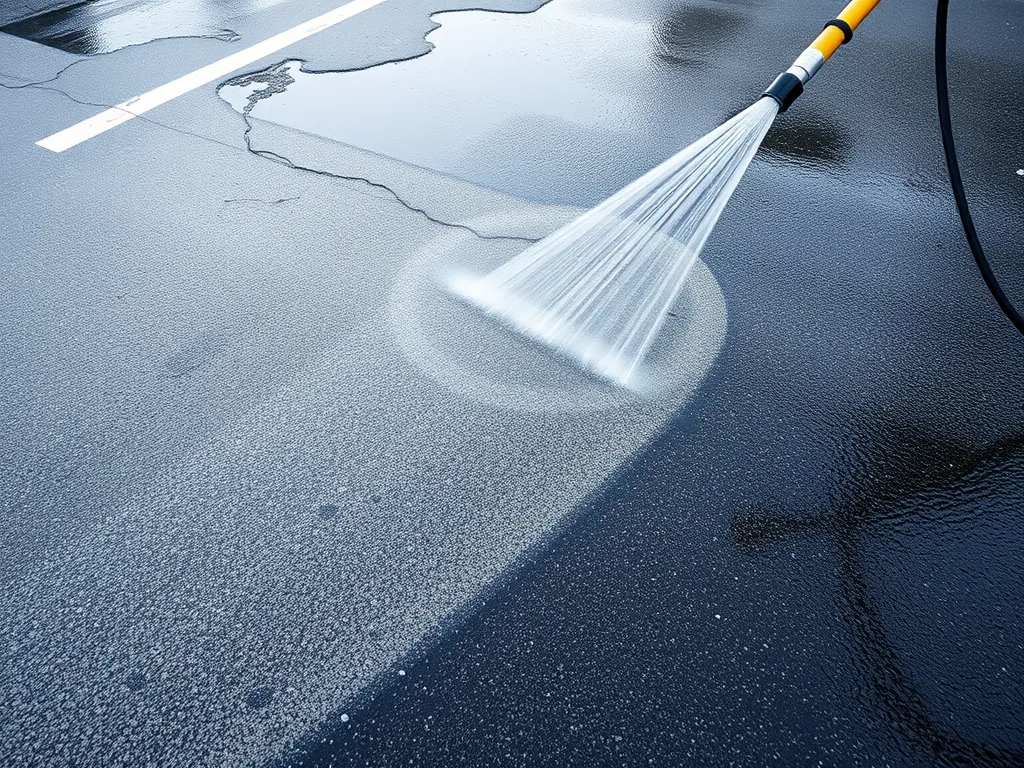
Use a 1,500-3,000 PSI pressure washer with a 25-degree nozzle. Hold the wand 12-18 inches from the surface at a 45-degree angle. Test spray patterns on unaffected areas first. This method works best for spills covering over 5 square feet.
Scrubbing with Degreasers
Apply a trisodium phosphate (TSP) solution or commercial degreaser. Scrub with stiff-bristle brushes using 15-20 lbs of downward force. Rinse thoroughly within 10 minutes to prevent asphalt binder breakdown.
Eliminating Dried Paint Stains
Stains older than 72 hours require more aggressive approaches. Combine mechanical and chemical methods for stubborn cases.
Mechanical Removal with Plastic Scrapers
Use polyethylene scrapers with beveled edges at 30-degree angles. Apply steady pressure to lift paint layers without gouging asphalt. This works for 1-3mm thick paint films on driveways or parking lots.
Heat Gun or Hair Dryer Softening
Heat paint to 140-160°F using tools held 6″ from the surface. Scrape softened paint immediately with putty knives. Never exceed 200°F – asphalt softens at 250°F.
Soda Blasting for Large Areas
Commercial contractors use sodium bicarbonate blasting at 80-120 PSI. This abrasive method removes 98% of paint from road surfaces without damaging aggregate. Covers 100-200 sq ft per hour.
Targeted Solutions for Tough Paint Types
Specialty paints demand customized approaches. Match solvents to paint chemistry for optimal results.
Oil-Based Paint Removal with Turpentine
Apply turpentine with microfiber cloths using circular motions. Let sit 3-5 minutes before scrubbing. Rinse with detergent solution to neutralize residues. Effective for brush-applied enamel paints.
Graffiti/Spray Paint Removal Strategies
Use xylene-based solvents for acrylic spray paints. Combine with nylon scrubbing pads for textured asphalt. For multicolored graffiti, alternate between solvent application and power washing cycles.
Road Line Paint Extraction Methods
Remove thermoplastics or epoxy-based traffic paints using commercial strippers containing methylene chloride. Apply with roller coats, wait 20 minutes, then power wash. Re-seal asphalt after removal.
Proper technique preserves pavement integrity. Next, learn how to shield your asphalt during the cleaning process for long-term durability.
Protecting Asphalt During Paint Removal
Preserving your asphalt’s integrity requires strategic precautions during paint removal. Asphalt’s porous nature and petroleum-based binder make it vulnerable to chemical damage and physical abrasion. Follow these protocols to maintain surface quality while eliminating paint.
Avoiding Surface Damage
Aggressive techniques can erode asphalt’s top layer, exposing aggregates and creating rough patches. Balance effectiveness with gentleness using these methods.
Safe Scrubbing Pressure & Duration
Limit pressure washers to 1,200-1,500 PSI for asphalt surfaces. Exceeding 1,800 PSI strips binder from aggregates, accelerating pavement deterioration. Scrub stained areas in 30-second intervals with stiff-bristle brushes – prolonged friction generates heat that softens asphalt.
Testing Chemicals on Small Areas First
Apply solvents like acetone or mineral spirits to a 4”x4” test zone. Check for binder degradation (darkening or stickiness) after 10 minutes. If the asphalt softens, switch to milder options like citrus-based cleaners diluted 3:1 with water.
Preventing Chemical Absorption
Asphalt’s 4-6% air void content allows liquids to penetrate up to 1/8” deep. Harsh chemicals can destabilize the binder-aggregate matrix, causing raveling or cracks.
Limiting Solvent Contact Time
Never let paint removers sit longer than manufacturer guidelines – typically 5-15 minutes. For oil-based paints requiring turpentine, work in 3’x3’ sections and wipe promptly. Track timing with a smartphone stopwatch to prevent oversaturation.
Immediate Rinsing Protocols
Flush treated areas with 10-15 gallons of water per square yard after paint removal. Use a hose nozzle that produces a 45° fan spray at 40-60 PSI. This displaces residual chemicals without hydraulic pressure damage.
With these protective measures in place, the next step involves addressing environmental impacts during cleanup.
Also See: Asphalt’s Role in Circular Economy: Sustainable Practice
Environmentally Responsible Paint Removal
Protecting ecosystems while clearing paint from asphalt demands strategic planning. Effective methods balance surface cleaning with environmental safeguards.
Reducing Chemical Runoff
Every gallon of solvent applied during asphalt paint removal impacts nearby soil and water systems. Follow these protocols to minimize ecological harm.
Containment of Waste Liquids
Create physical barriers with absorbent socks or sand berms around work zones. Capture spent cleaners in sealed containers—1 quart of spilled paint stripper can pollute 250,000 gallons of groundwater. Pump residual liquids into DOT-approved drums labeled “hazardous waste.”
Use of Biodegradable Cleaners
Opt for citrus-based solvents containing d-limonene or soy-derived paint strippers. These break down within 28 days versus 5+ years for petroleum products. Green Seal-certified options remove 90% of latex paints without releasing volatile organic compounds (VOCs).
Proper Disposal Of Paint Residue
Paint chips and sludge require specialized handling to prevent landfill contamination. Federal regulations classify oil-based paint debris as hazardous material.
Local Hazardous Waste Guidelines
Check municipal codes through resources like Earth911’s disposal directory. Many counties host annual collection events—Los Angeles processes 15,000+ tons of paint waste yearly. Never pour liquid paint down drains, even with biodegradable cleaners.
Recycling Dried Paint Chips
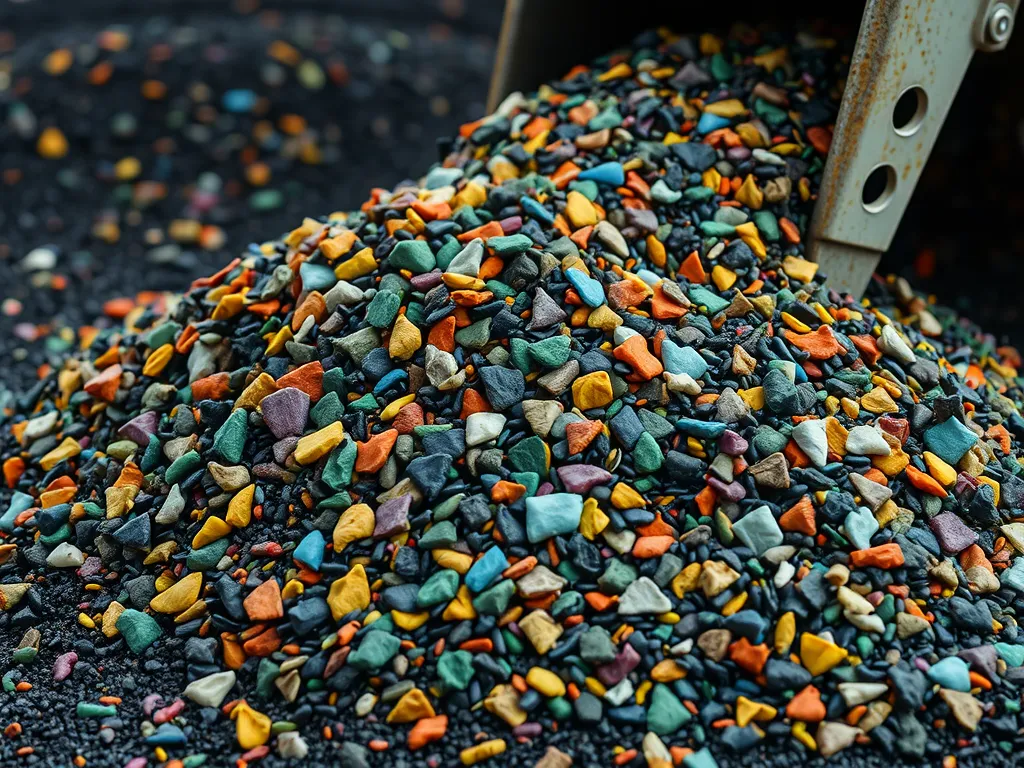
Crush detached asphalt-bound paint fragments into sub-2” pieces. Facilities like Asphalt Reclaiming & Recycling Association members repurpose this material in hot-mix asphalt production. Recycled paint-asphalt blends meet AASHTO M 323 specifications for roadway surfaces.
With contaminants cleared responsibly, focus shifts to preserving your asphalt’s structural integrity during final cleaning stages.
Frequently Asked Questions
How Do You Get Dried Paint Off Asphalt?
To remove dried paint from asphalt, use mechanical removal methods such as plastic scrapers combined with heat from a heat gun or hair dryer. Chemical solvents like mineral spirits or biodegradable paint strippers can also be effective. Always test on a small area first to prevent damage.
Will Acetone Damage Asphalt Surfaces?
Acetone can potentially damage asphalt if left on the surface too long. It’s essential to limit contact to no more than 5 minutes and rinse thoroughly afterward. Always test in an inconspicuous area before full application.
Does Paint Permanently Stain Pavement?
While some types of paint can leave lasting stains on asphalt if not removed promptly, most can be effectively cleaned if addressed quickly. Fresh paint is generally easier to remove than dried paint, so acting quickly is critical.
How to Remove Spray Paint From Asphalt Driveways?
To remove spray paint, use commercial xylene-based solvents, or citrus-based cleaners. Apply the solvent, scrub with a stiff brush, and rinse with water. For tough stains, repeat the process as necessary.
Can Vinegar Eliminate Asphalt Paint Stains?
Vinegar may work for minor stains, especially for small, fresh latex paint spills. However, it’s usually less effective for stubborn or dried paint and might need to be used in combination with other methods.
How to Clean Large Paint Spills on Concrete?
For large spills on concrete, consider using a pressure washer equipped with an appropriate nozzle, combined with a degreaser or paint remover. Mechanical methods such as scraping may also be required for thick layers of paint.
What Removes Road Paint From Asphalt?
Removing road paint typically involves commercial-grade paint strippers or solvents specifically designed for traffic paint. Methylene chloride-based strippers and heat methods may be necessary, followed by flushing the area with water.
Closing Thoughts
Removing paint from asphalt surfaces doesn’t have to be a daunting task. Whether you’re dealing with fresh latex spills or stubborn dried stains, a variety of methods can help restore your asphalt’s appearance. From household items like acetone and dish soap to more robust biodegradable paint strippers, you have effective options at your disposal.
Always prioritize the safety of your asphalt during the removal process. Use gentle scrubbing techniques and test chemicals in small areas first. Proper waste disposal and reducing chemical runoff are also key to environmentally responsible maintenance.
For more comprehensive guidance on asphalt care and other related topics, visit Asphalt Calculator USA.