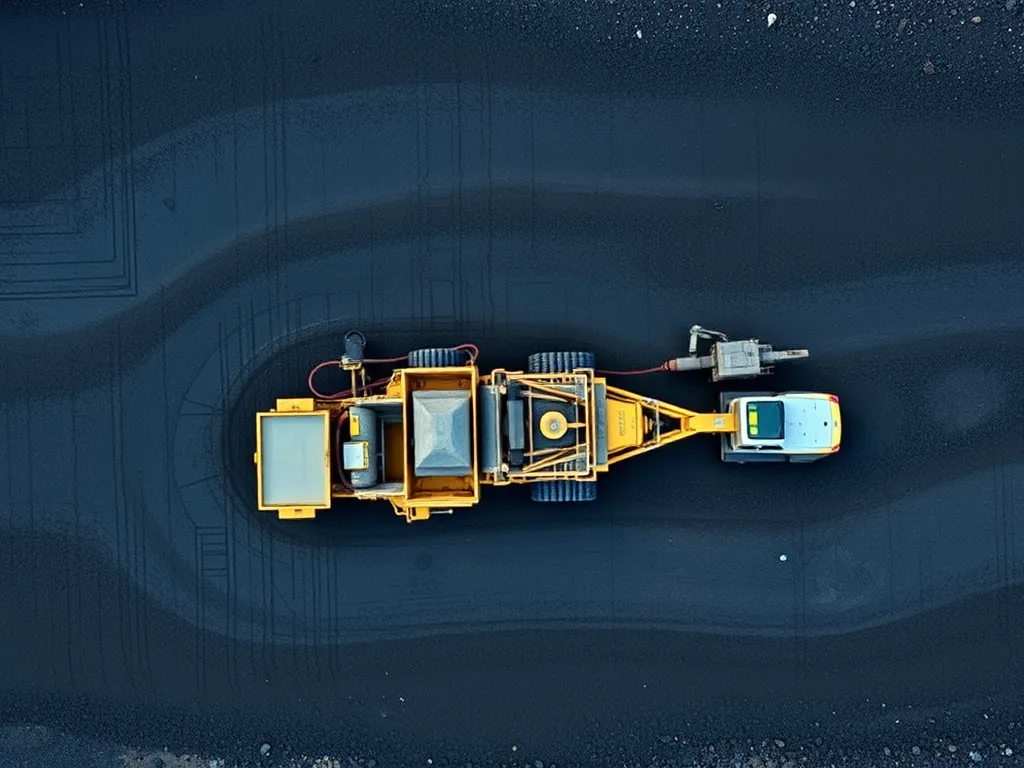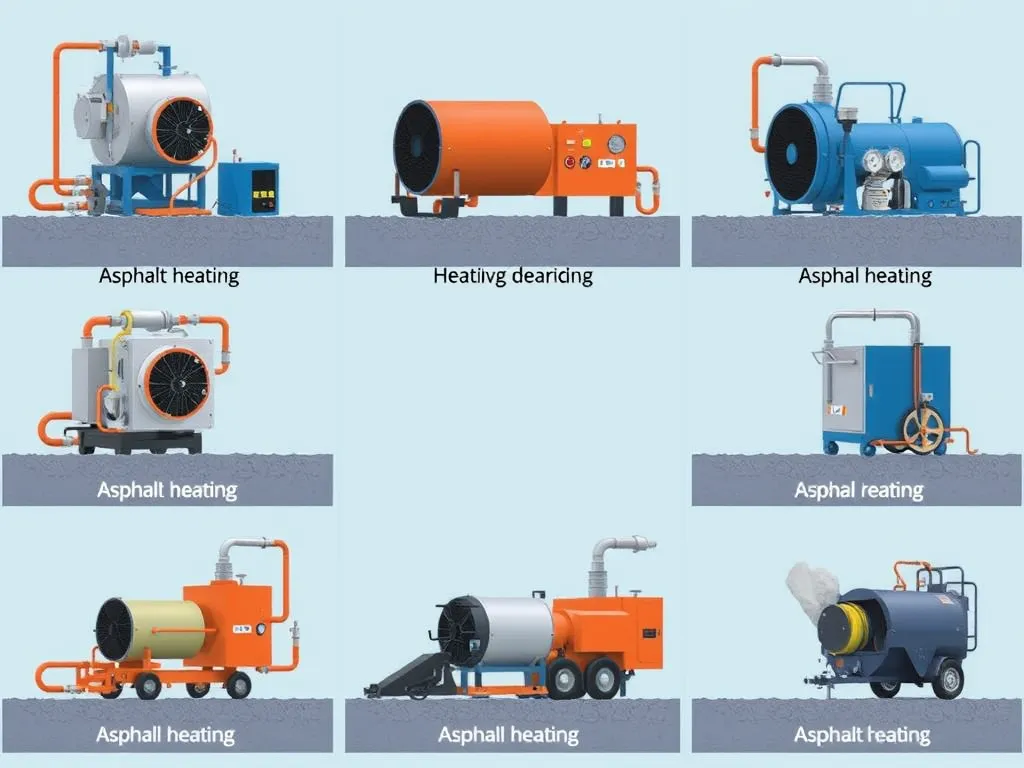
Energy Consumption in Asphalt Manufacturing: Key Insights & Strategies
Published on: December 3, 2025 | Last Updated: April 14, 2025
Written By: George Voss
Energy consumption in asphalt manufacturing refers to the fuel and electricity used to heat aggregates, dry materials, and mix pavement components. This process accounts for 60-70% of a plant’s operational costs, with temperatures reaching 300°F-350°F for traditional Hot Mix Asphalt (HMA). Warm Mix Asphalt (WMA), produced at 220°F-250°F, slashes energy use by 20-35%. Every ton of asphalt generates 10-15 kg of CO2 emissions, making efficiency critical for budgets and sustainability goals.
This article explains how asphalt plants measure energy use, why mix temperatures affect fuel costs, and which technologies cut waste. You’ll learn about energy recovery systems, automated process controls, and real-world data showing 15-30% savings. We’ll also show how to estimate your project’s energy needs using tools like the AsphaltCalculatorUSA.com estimator.
Contents
- Fundamentals Of Energy Consumption in Asphalt Manufacturing
- Measuring Energy Use in Asphalt Manufacturing
- Factors Influencing Asphalt Energy Consumption
- Technologies to Reduce Energy Consumption in Asphalt Production
- Optimizing Energy Use in Asphalt Manufacturing Processes
- Environmental Impact Of Asphalt Energy Consumption
- Practical Steps for Energy-efficient Asphalt Production
- FAQs: Asphalt Energy Consumption
- Closing Thoughts
- Additional Resources for You:
Fundamentals Of Energy Consumption in Asphalt Manufacturing
Energy use shapes how asphalt gets made. Let’s break down the core ideas.
What is Energy Consumption in Asphalt Production?
Asphalt needs heat. Lots of it. To make asphalt, plants burn fuel to dry rocks (aggregates) and heat sticky binder (bitumen). The main steps:
- Damp rocks dried at 300-350°F
- Binder warmed to 280-325°F
- Mix heated for 5-10 mins in drums
This process eats energy. Most plants use gas, oil, or coal. Each ton of asphalt needs 30-70 kWh. Fuel costs take 40-50% of total spend. New tech like PG binders (performance-graded) need precise heat, adding layers to energy use.
Why Energy Efficiency Matters in Asphalt Manufacturing
High energy use hits two fronts: cost and climate. Each ton of asphalt emits 10-20 kg of CO2. Cut energy by 15%, and plants save $1.50 per ton. For a mid-size plant making 200,000 tons yearly, that’s $300k saved.
Ease also meets rules. EPA norms push plants to track emissions. States like CA tax carbon-heavy ops. Plus, leaner plants last longer. Burn less fuel, and gear like dryers and burners need less upkeep.
Green mixes (Warm Mix Asphalt) use 20-40% less fuel. They drop temps by 50°F. Less heat, less waste. Plants that switch see ROI in 2-3 years.
Grasping these basics sets the stage for tracking energy data. Next, we’ll explore how plants measure and manage their fuel spend.
Measuring Energy Use in Asphalt Manufacturing
Tracking asphalt energy consumption provides actionable data to cut costs and emissions. Accurate measurement starts with standardized methods and clear performance metrics.
Methods for Tracking Asphalt Energy Consumption Data
Plants rely on three core methods to monitor energy flows. Life cycle assessment (LCA) evaluates total energy inputs from raw material extraction to final paving. Energy audits pinpoint waste by analyzing fuel and electricity use across drying, heating, and mixing stages. Process heating analysis focuses on burner efficiency during aggregate drying, which accounts for 70-80% of a plant’s energy demand. Tools like the ENERGY STAR Portfolio Manager benchmark performance against industry averages.
Key Metrics: Energy Intensity Per Ton Of Asphalt
Energy intensity—measured as megajoules (MJ) or kilowatt-hours (kWh) per ton—is the gold standard for efficiency comparisons. Typical ranges fall between 25-35 kWh per ton. Batch plants average 30 kWh/ton due to intermittent operation, while drum-mix plants achieve 25 kWh/ton through continuous processing. Aggregate moisture content directly impacts this metric: reducing moisture from 5% to 3% slashes drying energy by 15%.
| Factor | Impact on Energy Intensity |
|---|---|
| Plant Type (Batch vs. Drum) | ±5 kWh/ton |
| Aggregate Moisture (5% vs. 3%) | ±4 kWh/ton |
| Fuel Type (Natural Gas vs. Oil) | ±3 kWh/ton |
These measurements reveal opportunities to optimize operations. Next, we examine how mix design choices and production variables shape energy demand.
Factors Influencing Asphalt Energy Consumption
Energy used in asphalt manufacturing varies based on multiple factors. Each element impacts fuel needs, emissions, and operational costs. Let’s break down the primary drivers.
Mix Type and Production Temperature
Production temperature directly affects energy demands. Higher heat levels require more fuel to achieve optimal binder-aggregate bonding. This makes mix selection a critical lever for controlling asphalt energy consumption.
Hot Mix Asphalt (HMA) vs. Warm Mix Asphalt (WMA)
HMA requires temperatures between 300°F and 350°F, consuming 3.5–4.5 gallons of fuel per ton. WMA operates 50–75°F cooler, cutting fuel use by 20–35%. Additives like wax or chemical foaming agents enable lower temps without sacrificing pavement performance. For a 100,000-ton project, WMA can save 15,000–25,000 gallons of diesel.
Raw Material Properties and Preparation
Aggregate moisture content heavily impacts drying energy. Rock with 5% moisture demands 30% more fuel than dry stock. Recycled asphalt pavement (RAP) lowers virgin material needs but requires extra processing. Binder viscosity also plays a role—softer grades need less heating time, trimming energy use by up to 12%.
Plant Design and Operational Practices
Drum mix plants typically use 10–15% less fuel than batch plants due to continuous operation. Burner efficiency varies too: modern regenerative burners achieve 90% thermal efficiency vs. 70% for older models. Proper maintenance, like cleaning heat exchangers, can boost output by 8%. Production speed matters—running at 80% capacity vs. full throttle reduces energy waste from frequent start-ups. A 400-ton-per-hour plant cutting idle time by 20% saves ~$18,000 annually in fuel costs.
Emerging technologies now tackle these variables head-on. Next, let’s explore innovations reshaping energy efficiency in asphalt production.
Also See: How to Train Operators for Effective Paver Machine Use
Technologies to Reduce Energy Consumption in Asphalt Production
New tools and methods are reshaping how asphalt plants cut energy use. From mix design tweaks to heat reuse systems, these steps slash fuel costs and emissions.
Low-temperature Asphalt Mix Production
Warm mix asphalt (WMA) cuts heat needs by 20-40% versus hot mix. Made at 230-280°F (vs. 300-330°F for HMA), it uses additives like wax or foam. Lower temps mean less fuel burned to heat rocks and sand. Plants report 15% lower CO2 per ton with WMA.
Advanced Heating and Drying Systems
Modern drum dryers with smart burners cut fuel waste. Infrared pre-heaters warm rocks before they hit the drum, speeding up drying. Moisture sensors adjust heat levels in real time—dry aggregate in 30% less time. One Texas plant saved 18% on gas costs after upgrading its burner.
Energy Recovery Systems in Asphalt Plants
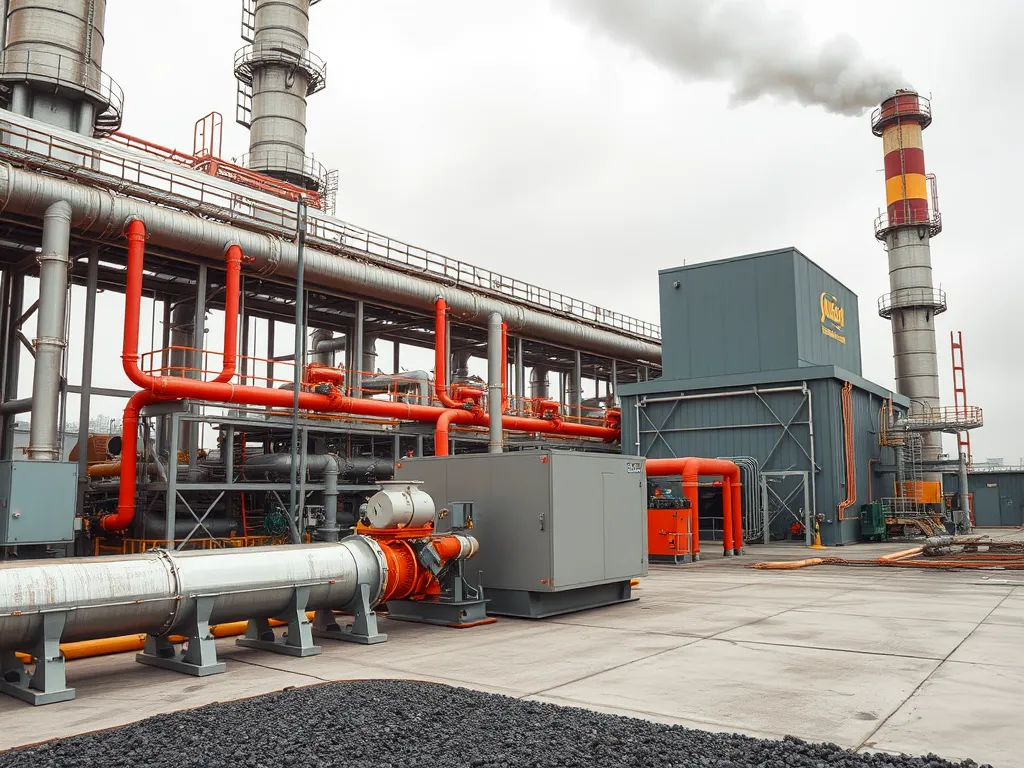
Heat from exhaust stacks isn’t lost anymore. New plants use thermal oil loops to grab 60% of wasted heat. This recycled energy pre-heats rocks or melts cold binder. A Missouri plant cut gas use by 22% with a stack heat recovery unit. Baghouse filters now double as heat exchangers in some setups.
These tech leaps set the stage for smarter day-to-day ops. Next, we’ll break down how plants fine-tune workflows to squeeze out more savings.
Optimizing Energy Use in Asphalt Manufacturing Processes
Cutting energy waste during asphalt production demands targeted approaches across key stages. Three areas offer the most potential: drying aggregates, heating binders, and automating workflows.
Improving Aggregate Drying Efficiency
Drying aggregates consumes 65-70% of total plant energy. Moisture sensors now adjust burner output based on real-time rock humidity readings. Parallel-flow dryers with staggered flights boost heat transfer by 22%, while recycling 40% of exhaust heat via closed-loop systems slashes fuel needs. Plants using these methods report 15-20% lower energy use per ton. For example, reducing aggregate moisture from 5% to 0.5% saves 12 gallons of diesel per hour in a 300-ton plant.
Enhancing Binder Heating Techniques
Bitumen tanks traditionally burned 8-12 kWh per ton to maintain 150-180°C temps. Modern plants apply triple-layer insulation and indirect thermal oil heaters, trimming energy use by 25%. PG 64-22 binders mixed at 135°C (vs. 160°C for conventional grades) further lower demand. Automated temperature controls prevent overshoot, saving 3-5% per batch. A Texas facility cut annual gas costs by $78,000 after upgrading to electric band heaters with PID feedback loops.
Process Control and Automation Strategies
Advanced plants integrate sensors, variable frequency drives (VFDs), and machine learning. VFDs on conveyor motors adjust speeds to match material flow, cutting electricity use by 30%. Centralized systems sync dryer RPM, burner output, and mixer cycles, eliminating energy spikes. One Missouri plant achieved 18% lower kWh/ton within six months by deploying neural networks that predict optimal start-up times based on weather and stockpile conditions.
These optimized processes not only lower operational costs but also set the stage for examining broader environmental impacts. Next, we’ll explore how reduced energy ties directly to emissions and long-term sustainability goals.
Environmental Impact Of Asphalt Energy Consumption
Energy-intensive processes in asphalt manufacturing directly affect ecosystems and air quality. Let’s break down the numbers and challenges.
CO2 Emissions Per Ton Of Asphalt Produced
Producing one ton of asphalt releases 30-50 kg of CO2, based on plant efficiency and fuel type. High-temperature methods like Hot Mix Asphalt (HMA) require heating aggregates to 300°F-350°F, burning 7-10 gallons of fuel per ton. Diesel, natural gas, or recycled oils influence emission profiles. For example, switching to natural gas cuts CO2 by 20% versus diesel. Cold mix alternatives slash emissions by 50% but compromise durability for low-traffic areas.
Sustainability Challenges in Asphalt Manufacturing
Fossil fuel reliance dominates 85% of asphalt plants, complicating decarbonization. Aging infrastructure worsens inefficiencies—plants over 15 years old use 15% more energy than modern setups. Regulatory pressures, like EPA Tier 4 standards, demand cleaner combustion but raise retrofit costs by $250,000-$500,000 per plant. Recycling asphalt (RAP) reduces virgin material needs, yet energy savings plateau at 40% RAP content due to processing limits.
Is Asphalt Production Environmentally Harmful?
While asphalt contributes 1.5% of U.S. industrial CO2 emissions, it outperforms concrete in lifecycle energy use. Warm Mix Asphalt (WMA) tech lowers production temps by 50°F, trimming fuel consumption by 30%. The industry reuses 99% of reclaimed asphalt, diverting 80 million tons annually from landfills. Innovations like solar-heated storage and electric drum dryers aim for net-zero plants by 2040, blending performance with greener workflows.
Balancing environmental goals with pavement durability requires smarter energy strategies. Next, let’s explore practical upgrades that cut costs while shrinking carbon footprints.
Practical Steps for Energy-efficient Asphalt Production
Cutting energy consumption in asphalt manufacturing requires actionable strategies. These methods target equipment upgrades, mix design optimization, and smarter plant management.
Upgrading Equipment for Lower Energy Use
Modern drum dryers with counterflow designs cut fuel needs by 10-15% compared to traditional models. High-efficiency burners using ultra-low-NOx technology reduce natural gas consumption while maintaining production temperatures. Adding heat exchangers to capture exhaust gases can recover up to 20% of wasted thermal energy. For plants processing reclaimed asphalt pavement (RAP), parallel-flow dryers lower aggregate heating times, trimming energy use by 8-12% per ton.
Implementing Energy-saving Mix Designs
Warm mix asphalt (WMA) technologies like chemical additives or foamed bitumen allow production at 250-275°F instead of 300-325°F for hot mix asphalt. This temperature drop slashes fuel consumption by 15-20%. Polymer-modified binders with lower mixing temperatures (e.g., PG 58-28) maintain performance while reducing burner runtime. Incorporating 30% RAP in mixes saves 0.25-0.35 gallons of diesel per ton through reduced virgin material heating.
Best Practices for Plant Operations
Regular burner calibration ensures optimal air-to-fuel ratios, preventing 5-7% energy waste. Insulating hot oil pipelines minimizes heat loss during bitumen transfer. Scheduling back-to-back mix batches cuts reheating cycles, saving 8-10 kWh per ton. Real-time monitoring systems like PlantStar® track energy use per ton, flagging deviations from benchmarks. Automated drum speed controls adjust drying times based on aggregate moisture levels, reducing over-drying by 12-18%.
These strategies set the stage for evaluating their environmental impact – particularly how reduced energy use affects carbon footprints and regulatory compliance.
FAQs: Asphalt Energy Consumption
How Much Energy Does Asphalt Manufacturing Typically Use?
Asphalt manufacturing generally requires between 30 to 70 kilowatt-hours (kWh) of energy per ton of asphalt produced, depending on various factors such as plant type, mix design, and material properties. Batch plants tend to use more energy due to their intermittent operations, averaging around 30 kWh/ton, while continuous drum-mix plants can achieve about 25 kWh/ton.
Where Can I Calculate Asphalt Project Energy Needs?
You can calculate asphalt project energy needs using tools like the AsphaltCalculatorUSA.com Energy Estimator. This online resource helps estimate the energy consumption based on project specifications, allowing for better planning and budgeting.
What is the Role Of Technology in Reducing Asphalt Energy Consumption?
Technological advancements play a crucial role in reducing energy consumption in asphalt manufacturing. Innovations such as low-temperature asphalt mix production, advanced heating and drying systems, and energy recovery systems significantly cut fuel use and operating costs. For instance, modern drum dryers with smart burners and moisture sensors optimize heat application, greatly enhancing energy efficiency.
What Are the Long-term Benefits Of Reducing Energy Consumption in Asphalt Manufacturing?
Reducing energy consumption in asphalt manufacturing leads to substantial long-term benefits, including cost savings, lower CO2 emissions, improved operational efficiency, and enhanced compliance with environmental regulations. Plants that prioritize energy efficiency can also expect longer equipment lifespans and a stronger reputation for sustainability within the industry.
How Can Plant Operations Be Managed to Improve Energy Efficiency?
Improving energy efficiency in plant operations can be achieved through several strategies, such as regular maintenance of equipment for optimal performance, implementing real-time monitoring systems to track energy use, and optimizing workflow through automation. Scheduling and adjusting operations based on material properties can minimize energy waste and enhance overall productivity.
What Are the Environmental Impacts Of Asphalt Production Energy Use?
The environmental impacts of asphalt production energy use include significant CO2 emissions, which can range from 30 to 50 kg per ton of asphalt produced. High-temperature processes and fossil fuel reliance contribute to these emissions. However, adopting warmer mix technologies and more efficient practices can help mitigate these effects and improve sustainability within the industry.
Closing Thoughts
Energy consumption in asphalt manufacturing plays a vital role in shaping the industry’s future. By embracing innovative technologies and refining production processes, manufacturers can significantly reduce energy use while maintaining quality.
The shift toward sustainable practices not only cuts costs but also lessens environmental impact. Key strategies like low-temperature mix production and energy-efficient equipment upgrades will drive this change, improving overall efficiency.
For more information on energy consumption and other asphalt-related topics, visit Asphalt Calculator USA. Stay informed and contribute to a more sustainable asphalt industry!
Additional Resources for You:
- A Review of Sustainability in Hot Asphalt Production: Greenhouse Gas Emissions and Energy Consumption
- Energy Consumption of Asphalt and Reinforced Concrete Pavement Materials and Construction | Request PDF
- Energy consumption of the production of one tonne of asphalt for… | Download Scientific Diagram
- Asphalt mixtures emission and energy consumption: A review – ScienceDirect