Waterproofing With Asphalt: Methods, Products, and Best Practices
Published on: April 9, 2026 | Last Updated: April 14, 2025
Written By: George Voss
Waterproofing with asphalt uses asphalt-based products like membranes, coatings, and sealers to block water from penetrating roofs, driveways, and foundations. This method mixes aggregates with bitumen—a sticky petroleum binder—to form flexible, weather-resistant barriers. It outperforms basic asphalt surfaces by adding specialized layers that repel moisture. Benefits include 20+ year durability, temperature resistance from -20°F to 220°F, and costs of $2-$5 per square foot. Projects range from DIY sealant applications to professional membrane installations requiring heated equipment.
This article breaks down asphalt waterproofing into actionable steps. Learn how to choose between self-adhering membranes, rubberized coatings, or sheet systems. Get details on surface prep, curing times, and avoiding common errors like poor seam sealing. Compare material costs for residential versus commercial jobs. Discover safety protocols for hot-applied products and eco-friendly alternatives with 40-60% recycled content.
Contents
- Understanding Asphalt Waterproofing
- Benefits Of Using Asphalt for Waterproofing
- Types Of Asphalt Waterproofing Products
- How to Apply Asphalt Waterproofing
- Longevity Of Asphalt Waterproofing Systems
- Cost Analysis Of Asphalt Waterproofing
- Critical Tools for Asphalt Waterproofing Projects
- Common Installation Errors to Avoid
- Safety Protocols for Asphalt Handling
- Environmental Considerations
- DIY Vs Professional Waterproofing With Asphalt
- FAQs About Asphalt Waterproofing
- Closing Thoughts
- Useful References for You:
Understanding Asphalt Waterproofing
Bitumen—the sticky binder in asphalt—forms the backbone of its waterproofing power. Mixed with crushed stone, sand, or recycled materials, it bonds tightly to create dense, non-porous surfaces. This blend blocks water penetration while maintaining flexibility across temperatures from -20°F to 160°F.


What Makes Asphalt Effective for Waterproofing?
Bitumen’s chemical structure repels moisture naturally. When paired with polymer-modified formulations (like SBS or APP), it gains elasticity to handle movement without cracking. Common products like self-adhering membranes or spray-applied coatings use these enhanced binders to seal joints, roofs, or foundations. PG 64-22 graded binders, for example, perform reliably in most climates.
- Density: Compacted asphalt achieves 93-97% density, leaving minimal voids for water ingress
- Seamless Layers: Hot-applied rubberized membranes fuse into continuous sheets
- Surface Treatments: Emulsion-based sealers fill micro-cracks up to 1/8” wide
Is Asphalt Naturally Watertight?
Freshly laid asphalt resists water due to its dense composition but isn’t fully impervious. Over time, UV exposure oxidizes the surface, creating micro-cracks. Untreated, these let moisture seep into sublayers—leading to potholes or base erosion. Proper installation paired with sealants like coal-tar emulsions boosts water resistance by 80-90%.
Driveways or roofs using waterproof asphalt membranes typically last 15-25 years versus 8-12 years for unsealed surfaces. For optimal performance, reapply spray coatings every 3-5 years or sheet membranes after 20+ years.
While bitumen provides strong inherent protection, combining it with modern techniques unlocks maximum durability. Next, we’ll break down how these systems perform under real-world stresses.
Benefits Of Using Asphalt for Waterproofing
Asphalt brings unique perks to waterproofing jobs. Its blend of strength, cost perks, and flex use makes it a top pick for keeping water out.
Durability in Extreme Conditions
Asphalt stands up to harsh weather. It handles hot sun, heavy rain, and freeze-thaw cycles. This mix uses PG binders (performance-graded) to stay strong. These binders boost heat and cold resistance up to 300°F and -40°F. Roads treated with asphalt waterproofing last 15-25 years with little upkeep.

Cost-effective Surface Protection
Sealing a roof with asphalt costs $0.50-$1.50 per square foot. This beats other options like rubber or PVC by 30-50%. Asphalt waterproof coating spray cuts labor time by half in some cases. Re-sealing every 5-8 years keeps costs low long-term.
Versatility Across Applications
Use asphalt for waterproofing on flat roofs, driveways, and parking lots. Products range from rolls (asphalting waterproofing membranes) to sprays. Waterproof asphalt sheets fit tricky spots like edges and joints. This makes it a top pick for both home and big jobs.
With these perks clear, let’s break down the key products that make asphalt a go-to choice.
Types Of Asphalt Waterproofing Products
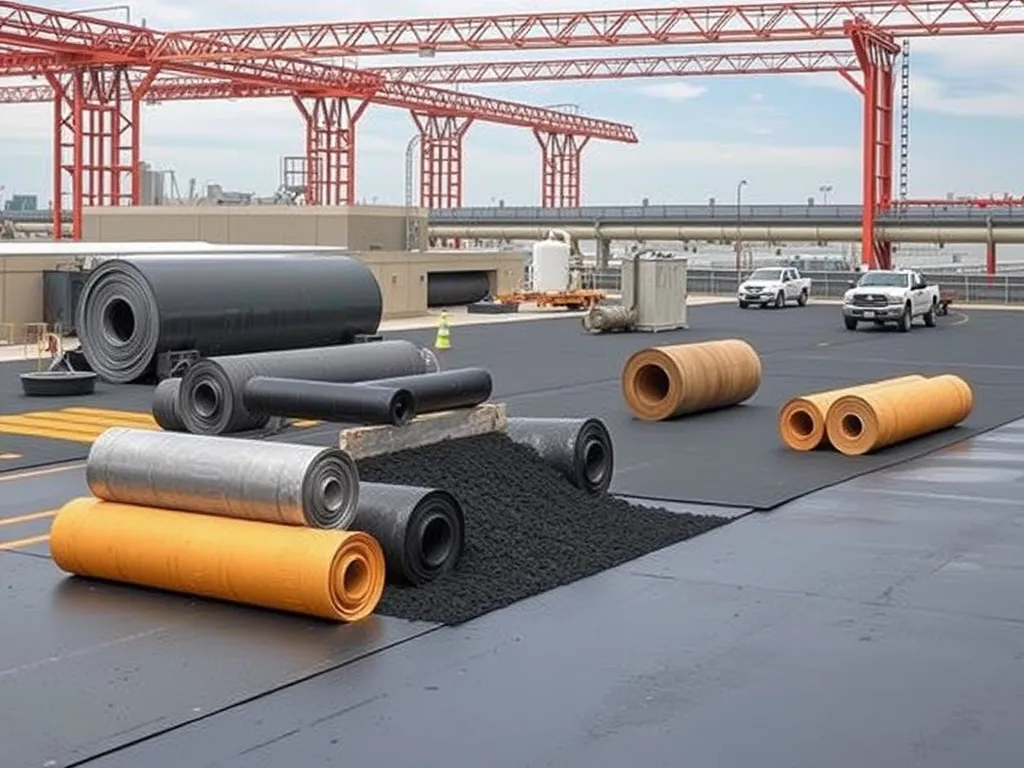
Asphalt waterproofing products vary in form and function, offering solutions for roofs, foundations, driveways, and below-grade structures. Five main categories dominate modern construction – each with distinct installation methods and performance metrics.
Asphalt Waterproofing Membranes
These sheet-like barriers form the backbone of commercial waterproofing systems. Two subtypes handle different project scales and climates.
Self-Adhering Modified Bituminous Membranes
Cold-applied membranes with built-in adhesives simplify installation. A 60-80 mil thickness (1.5-2mm) provides puncture resistance. Ideal for residential roofs and balconies, they bond directly to clean substrates without torches or kettles. Expect 500-700% elongation to handle structural movement.
Hot-Applied Rubberized Asphalt Membranes
Melted at 375°F (190°C), these 180-200 mil membranes fuse with substrates for zero-gap protection. Used on high-traffic parking decks and green roofs, they withstand ponding water. SBS polymer modifiers boost flexibility down to -22°F (-30°C).
Asphalt Waterproof Coating Spray
Liquid-applied coatings cure into seamless barriers, perfect for irregular surfaces like concrete block walls. Airless sprayers apply 3-4 gallons per 100 sq ft at 20-30 mils wet thickness. Aluminum-pigmented versions reflect UV rays, extending service life to 10-15 years on exposed surfaces.
Waterproof Asphalt Sealer
Driveway waterproofing asphalt relies on coal-tar or asphalt-based sealants. Applied every 2-3 years, they block 95% of water intrusion while resisting oil stains. Coverage: 50-75 sq ft per gallon. Opt for silica-sand additives (8-12 lbs per 5 gal pail) for slip resistance on pedestrian areas.
Preformed Asphalt Waterproof Sheets
Factory-made sheets with polyester or fiberglass cores install faster than liquid systems. Common in tunnel waterproofing (ASTM D6294 compliant), these 0.16″ (4mm) sheets handle hydrostatic pressures up to 43 psi. Thermal-locked seams prevent delamination in freeze-thaw cycles.
Selecting the right asphalt waterproofing products sets the stage for successful installation. Next, we break down application techniques that maximize each material’s potential.
Also See: Water Damage Mitigation in Asphalt: Safeguard Your Surface
How to Apply Asphalt Waterproofing
Proper steps ensure lasting results. Follow these methods for tight seals.
Step 1: Surface Preparation
A smooth base stops leaks. Skip this step, risk early failure.
Cleaning Existing Asphalt Surfaces
Remove dirt, oil, loose bits. Use pressure washers at 2,500-3,500 PSI. Let dry fully.
Repairing Cracks and Damage
Fill gaps with rubberized crack filler. Patch holes using cold-mix asphalt. Level with trowels.
Step 2: Base Layer Application
Prep for membrane bonds. Prime right after repairs cure.
Priming for Membrane Adhesion
Apply asphalt primer at 1 gallon per 100 sq ft. Brush into pores. Wait 2-4 hours until tacky.
Step 3: Installing Waterproofing Layers
Pick rolls or sprays. Both block water when done right.
Rolling Out Asphalt Membranes
Unroll modified bituminous sheets. Overlap seams 3-4 inches. Heat weld edges at 350°F.
Spraying Liquid Asphalt Coatings
Use airless sprayers. Apply 60 mils wet film. Covers 200-300 sq ft per gallon.
Step 4: Curing and Quality Checks
Test before use. Fix flaws fast.
Let coatings dry 24-48 hours. Check for bubbles, gaps, thin spots. Use infrared scans on big jobs.
Proper curing sets the stage for long-term performance. Next, learn how to extend the life of your waterproof asphalt surface.
Longevity Of Asphalt Waterproofing Systems
Asphalt-based waterproofing delivers lasting protection when installed correctly. Its lifespan depends on material quality, application methods, and environmental stressors. Let’s break down durability expectations and variables impacting performance.
How Long Does Bitumen Waterproofing Last?
Properly installed asphalt waterproofing membranes last 15-30 years on roofs and 8-12 years for driveway waterproofing asphalt surfaces. Rubberized coatings add 5-7 years over standard asphalt waterproof sealer. Data from ASTM D5295 testing shows:
- Hot-applied membranes: 25+ years (with 300% elongation rating)
- Self-adhesive sheets: 12-20 years (40 mil thickness)
- Spray coatings: 7-10 years (at 60 mil dry film thickness)
Maintenance cycles matter. Reapplying waterproof asphalt coating every 3-5 years extends service life by 40% based on National Asphalt Pavement Association studies. Budget $0.80-$1.20 per sq.ft/year for long-term upkeep.
Factors Affecting Lifespan
Six elements dictate how long asphalt waterproofing products perform:
- Installation quality: 90% of failures stem from poor seam sealing or inadequate priming
- Material type: SBS-modified membranes outlast APP-modified by 8-10 years
- UV exposure: Unprotected surfaces degrade 3x faster (per Texas Transportation Institute data)
- Traffic loads: Driveways need 25% thicker coatings than roofs (60 mil vs 45 mil)
- Temperature swings: Thermal cracking starts below -15°F or above 140°F
- Drainage: Standing water cuts membrane life by half
For critical projects, specify cold-applied waterproof asphalt membranes with 500% tensile strength. These handle structural movement better than traditional hot-mix products.
While lifespan proves critical, cost remains equally decisive. Let’s examine pricing variables for different asphalt waterproofing applications.
Cost Analysis Of Asphalt Waterproofing
Breaking down expenses helps plan projects effectively. Asphalt-based waterproofing offers budget flexibility across residential and commercial uses. Prices vary based on product type, surface area, and installation complexity.
Material and Labor Expenses
Material costs range from $0.50 to $2.50 per sq. ft. depending on the product. Self-adhering modified bituminous membranes average $1.80–$2.50/sq. ft., while waterproof asphalt sealer costs $0.70–$1.20/sq. ft. Labor adds $3–$7/sq. ft. for professional installation. Hot-applied rubberized asphalt membranes require specialized crews, increasing labor fees by 15–20% versus DIY-friendly spray coatings. Membrane systems last 20–30 years, reducing long-term replacement costs compared to basic sealers (5–8 years).
Driveway Waterproofing Vs. Roof Applications
Driveways typically employ coal-tar emulsion sealers ($0.15–$0.25/sq. ft.) or asphalt waterproof coating spray ($1.10–$1.80/sq. ft.). Roofs demand heavier-duty solutions like SBS-modified membranes ($2.00–$4.00/sq. ft.) or APP membranes with polyester reinforcement. Installing waterproof asphalt sheets on flat roofs costs 30–50% more than driveway treatments due to slope challenges and fireproofing codes. Roof projects often require torching or hot-mopping equipment, adding $500–$1,200 in tool rentals.
Selecting the right tools directly impacts both budget and performance—let’s examine critical equipment next.
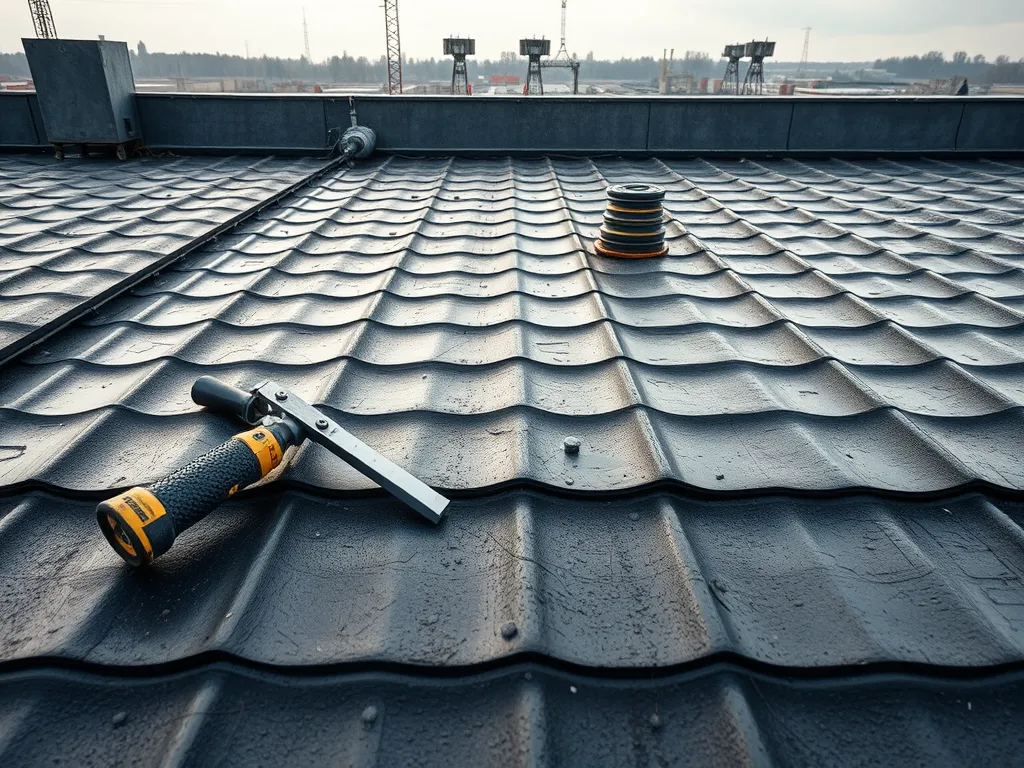
Critical Tools for Asphalt Waterproofing Projects
Using asphalt for waterproofing demands tools that handle its thick, sticky nature. Two primary systems dominate projects: heating units for hot-applied materials and spray rigs for liquid coatings. Both impact bond strength, application speed, and final waterproofing asphalt surface quality.
Heating Equipment for Hot-applied Products
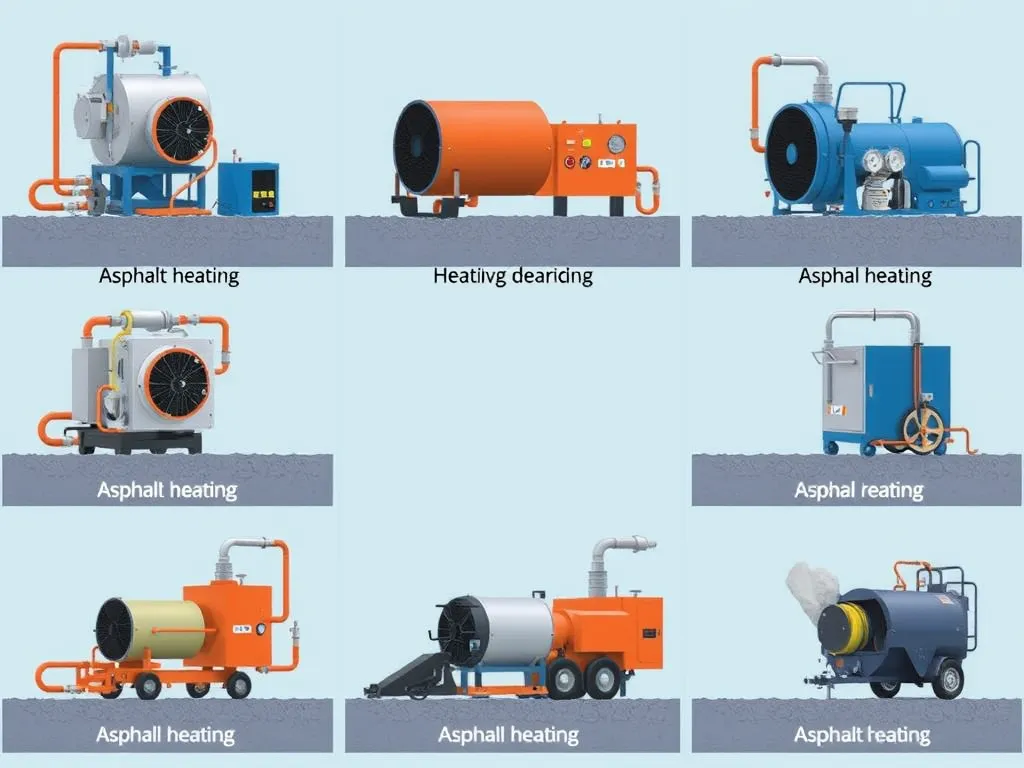
Hot-applied asphalt waterproofing products like rubberized membranes require sustained heat between 350°F and 400°F. Asphalt kettles with agitators maintain uniform viscosity, while tanker-mounted melter applicators handle large roofing jobs. Industrial units (cost: $2,000-$5,000) often include digital temp controls to avoid scorching bitumen. Proper heating allows membranes to form tight seals on bridges or parking decks.
- Propane-fired kettles: Portable for small repairs (25-100 gal capacity)
- Roofing tankers: Heat 500+ gallons for multi-day membrane installations
- Temperature guns: Verify material stays within 375±25°F range
Spray Systems for Coatings
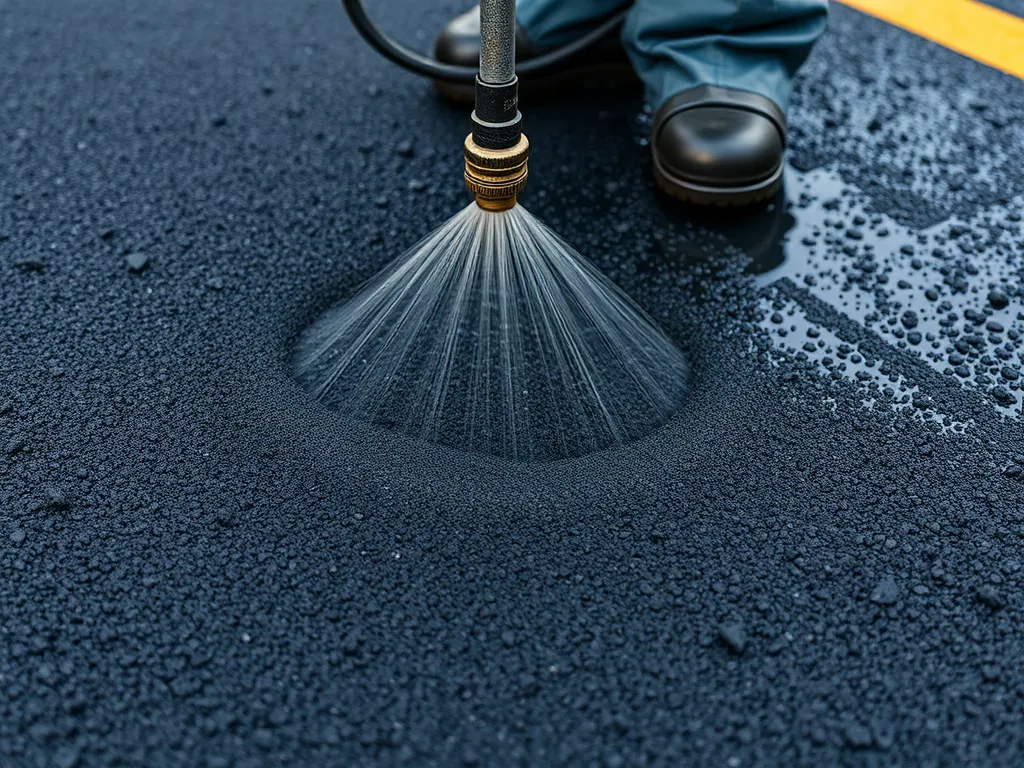
Spraying asphalt waterproof coating products needs rigs that handle high-viscosity materials. Airless systems with 3,000+ PSI pumps apply rubberized coatings at 0.04-0.06 inch thickness. Roofing-grade sprayers (cost: $800-$3,000) mix asphalt with modifiers like SBS polymers on-site. Adjustable nozzles (0.021-0.031 inch tips) control flow for vertical walls or flat surfaces.
- Hot spray units: Maintain coatings at 180°F for optimal adhesion
- Battery-powered handhelds: Apply sealants to cracks under 1/4 inch
- Output calibration: 1 gallon covers 50-75 sq ft in two coats
With proper tools, asphalt waterproofing performs for 20+ years. But top gear means nothing if installers skip vital steps. Up next: mistakes that turn projects into costly do-overs.
Common Installation Errors to Avoid
Even minor mistakes during asphalt waterproofing can compromise performance. Avoiding these errors ensures long-lasting protection against water damage.
Inadequate Surface Preparation
Surfaces must be clean, dry, and free of debris before applying asphalt waterproofing products. Dust, oil, or existing moisture prevents proper adhesion. Repair cracks wider than 1/8″ with asphalt emulsion patching compounds. A study by the National Roofing Contractors Association found 95% of adhesion failures stem from poor surface prep. Always test moisture content with a tramex meter—levels above 4% require drying.
Improper Membrane Overlapping
Waterproof membrane asphalt systems rely on precise overlaps to block water. Horizontal seams need at least 2″ of overlap, vertical seams 6″ (per ASTM D1970 standards). Misaligned edges create gaps, allowing 1 gallon of water per hour to infiltrate a 1-square-foot area. Use a 50-lb roller to seal seams on self-adhering modified bituminous membranes.
Ignoring Temperature Requirements
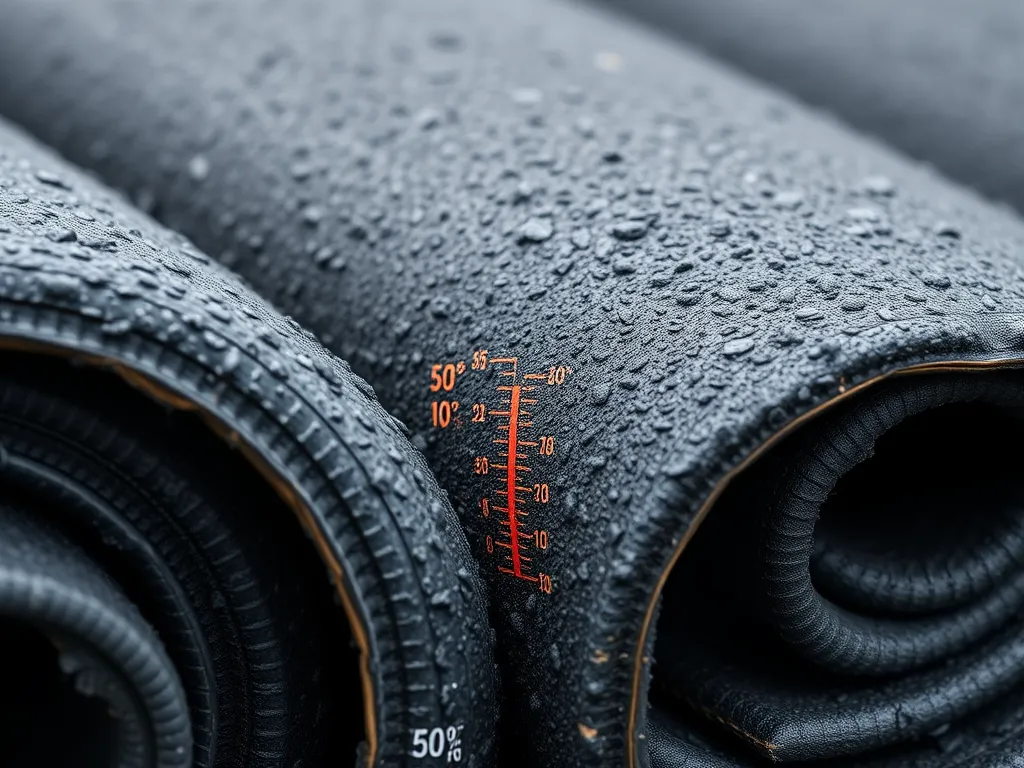
Asphalt waterproof coating spray and hot-applied membranes demand strict temperature control. Apply materials between 50°F and 90°F for optimal viscosity. Below 45°F, rubberized asphalt membranes become brittle; above 100°F, they sag. Store rolls at 70°F ±10°F for 24 hours before installation. Hot-mop systems require heating asphalt to 375°F—deviation by ±25°F reduces bond strength by 30%.
Mastering these techniques ensures a reliable waterproof asphalt surface. Next, let’s explore protocols to protect workers during application.
Safety Protocols for Asphalt Handling
Working with heated bitumen products demands strict safety measures. Temperatures exceeding 350°F during hot-applied processes pose burn risks. Fumes from rubberized asphalt membranes require controlled exposure limits below 5 mg/m³.
Protective Gear Requirements
Heat-resistant nitrile gloves rated for 500°F prevent burns when handling liquid waterproofing asphalt coating spray. Full-face respirators with organic vapor cartridges block 99.7% of volatile compounds. Wear flame-retardant coveralls during torch-down installation of waterproof membrane asphalt sheets. Steel-toe boots with puncture-resistant soles protect against rolls weighing up to 60 lbs.
Ventilation Best Practices
Maintain airflow rates of 20-30 CFM per square foot when using asphalt waterproofing products indoors. Position exhaust vents within 3 feet of work zones during spray applications. For preformed asphalt waterproofing membranes, use downdraft tables capturing 80% of emissions. Outdoor projects need wind speeds below 15 mph to prevent fume drift beyond containment barriers.
These protocols reduce risks while preserving the performance of waterproof asphalt surfaces. Up next: balancing ecological responsibility with effective moisture protection methods.
Environmental Considerations
Modern waterproofing methods balance performance with ecological responsibility. Choosing sustainable materials minimizes environmental impact while maintaining structural protection.
Recyclability Of Asphalt Waterproofing Materials
Over 90% of removed waterproofing asphalt membranes get recycled into new products. Reclaimed binder from old surfaces gets blended into fresh mixes, cutting virgin material use by 15-30%. Modified bitumen sheets with 40% post-consumer content work for roofs or below-grade systems. Recycled rubberized coatings repurpose 1.2 million tons of tires yearly, diverting waste from landfills. Reprocessing costs run $8-$12 per square foot—20% less than new installations.
Low-voc Product Options
Volatile organic compounds (VOCs) in traditional coatings release harmful fumes during curing. New formulations like SBS-modified membranes emit under 50 g/L VOCs, meeting LEED v4.1 standards. Water-based sprays with <300 g/L VOC content bond to concrete or metal without solvent risks. Cold-applied sheets eliminate heating needs, reducing on-site emissions by 65%. Third-party certifications like GreenGuard Gold verify compliance with indoor air quality thresholds.
Balancing eco-friendly choices with project needs ensures lasting results. Next, we’ll compare DIY techniques versus hiring specialists for different scales of work.
DIY Vs Professional Waterproofing With Asphalt
Pick DIY for small jobs. Hire pros for big tasks. Your choice impacts cost, time, and results.
When to Hire a Contractor
Roofs with slopes over 2:12 pitch need expert help. Hot-applied rubberized asphalt membranes require kettles heating to 300°F. These tools pose burn risks.
- Jobs larger than 500 sq. ft.
- Structures with drains or joints
- Systems needing 10+ year warranties
Pros handle vent risks and code checks. They spot hidden flaws in old layers.
Project Complexity Considerations
Count the layers. Single-coat sealers? DIY-friendly. Multi-layer systems demand skill.
- Steep slopes (4:12 or more)
- Details around pipes or vents
- Code rules for fire or wind
Flat driveways take 2 days DIY. Complex roofs take crews 1 week+.
Next, we answer top questions about asphalt waterproofing.
FAQs About Asphalt Waterproofing
What Are the Disadvantages Of Bituminous Waterproofing?
While bituminous waterproofing is effective, it can be subject to problems such as aging, which may lead to cracking due to UV degradation. Additionally, it requires proper installation to avoid issues like poor adhesion, which can compromise its waterproof properties. The materials can also be subjected to temperature sensitivity, becoming too brittle in cold conditions or softening in extreme heat.
How Does Rubberized Asphalt Waterproofing Work?
Rubberized asphalt waterproofing combines traditional asphalt with rubber polymer modifiers, providing enhanced flexibility and durability. This blend allows the material to expand and contract with temperature changes, thereby preventing cracking and ensuring a watertight seal. It is commonly applied as a hot-applied membrane or liquid coating, creating a seamless barrier against moisture.
Can Asphalt Surfaces Become Fully Watertight?
Asphalt surfaces can achieve a high level of water resistance, but they may not be fully watertight without proper installation and the application of specific waterproofing products. Utilizing advanced asphalt membranes or coatings can significantly enhance their impermeability, minimizing the chances of water infiltration over time. Regular maintenance and reapplication of sealants also contribute to maintaining their watertight integrity.
What’s the Typical Lifespan Of Bitumen Waterproofing?
The lifespan of bitumen waterproofing varies based on installation quality and environmental factors. On average, properly installed bituminous membranes last between 15 to 30 years for roofing applications and 8 to 12 years for driveways. Regular maintenance and the use of high-quality materials can extend this lifespan significantly.
Closing Thoughts
Asphalt waterproofing stands out due to its durability, cost-effectiveness, and versatility. Whether you’re dealing with roofs, driveways, or foundations, asphalt products provide reliable protection against water infiltration.
From membranes to coatings, the variety of asphalt waterproofing options caters to numerous applications. Proper installation is crucial to ensure longevity, making attention to detail essential. Consider factors like surface preparation and environmental conditions to maximize performance.
For those exploring asphalt waterproofing for their projects, it’s vital to weigh DIY efforts against hiring professionals based on the project’s complexity and necessary expertise.
For more insights and resources, check out Asphalt Calculator USA.
Useful References for You:
- The Asphalt Institute. (2007). MS-4: The Asphalt Handbook. Lexington, KY: Asphalt Institute.
- Waterproofing Under an Asphalt Paving Wearing Course
- Everything You Need to Know About Hot Fluid-Applied Rubberized Asphalt Waterproofing | EPRO
- Asphaltic waterproof coatings
- Bituminous Membrane
Also See: Creating a Culture Of Safety in the Asphalt Industry