Waterproofing Properties Of Bitumen in Asphalt Applications
Published on: April 6, 2026 | Last Updated: April 14, 2025
Written By: George Voss
Bitumen’s waterproofing properties come from its dense, petroleum-based structure that blocks water in asphalt surfaces. This sticky binder mixes with crushed stone and sand to form an impermeable layer, stopping moisture from seeping into road bases. Unlike concrete or basic sealants, bitumen flexes without cracking in heat or cold. Its hydrocarbon makeup resists water absorption, preventing potholes, freeze-thaw damage, and erosion. Tests show properly applied bitumen reduces water infiltration by 99% compared to untreated surfaces.
This article breaks down how bitumen protects asphalt from water damage. We’ll compare standard penetration-grade bitumen to polymer-modified types used in wet climates. Explore application steps like tack coating and joint sealing that boost performance. Get cost data: rubberized bitumen costs $3-$5 per square foot but lasts 2-3 times longer than basic mixes. Learn maintenance tips to fix cracks under ¼ inch and why recycling old asphalt cuts project costs by up to 30%.
Contents
- Understanding Bitumen’s Waterproofing Characteristics
- Types Of Bitumen Used for Asphalt Waterproofing
- Application Techniques for Optimal Waterproofing
- Benefits Of Bitumen Waterproofing in Asphalt
- Maintenance Of Bitumen-based Waterproofing
- Environmental Considerations
- FAQs: Waterproofing Properties Of Bitumen
- Closing Thoughts
- Additional Resources for You:
Understanding Bitumen’s Waterproofing Characteristics
Bitumen’s ability to block water stems from its unique chemical makeup and physical traits. These traits make it a top choice for asphalt pavements exposed to rain, snow, and groundwater.


Chemical Composition Of Bitumen
Bitumen contains 80-85% carbon, 10-12% hydrogen, and trace elements like sulfur. This hydrocarbon-rich blend creates a dense matrix that naturally repels water molecules.
Hydrocarbon Structure and Water Repellency
Long-chain hydrocarbons called asphaltenes form bitumen’s backbone. These molecules bond tightly, leaving minimal gaps for water penetration. Maltenes (lighter hydrocarbons) fill remaining spaces, creating a near-impermeable barrier. Tests show bitumen resists 99.7% of water infiltration at 20°C.
Key Properties Contributing to Waterproofing
Three factors define bitumen’s waterproofing performance: impermeability, adhesion strength, and thermal flexibility. These work together to shield asphalt from moisture damage.
Impermeability and Adhesion in Asphalt
Bitumen’s viscosity (1,000-3,000 Pa·s at 60°C) lets it coat aggregates completely, sealing pores in the asphalt mix. Its adhesive strength (1.2-1.8 MPa bond strength) keeps layers intact even under hydraulic pressure from standing water.
| Property | Value Range | Impact on Waterproofing |
|---|---|---|
| Penetration (25°C) | 40-300 dmm | Lower values = denser barrier |
| Softening Point | 35-70°C | Higher temps resist flow |
| Permeability | 1×10⁻¹² m/s | Blocks 99% water ingress |
Flexibility Under Temperature Variations
Bitumen expands 0.0006-0.0012 per °C, allowing asphalt to shift without cracking during freeze-thaw cycles. At -20°C, it retains 2-5% elasticity – enough to prevent fissures that let water seep in. Modified bitumen withstands -40°C to 80°C while maintaining waterproof integrity.
Next, we’ll examine how different bitumen types leverage these properties for specific waterproofing needs.
Types Of Bitumen Used for Asphalt Waterproofing
Bitumen types vary by mix and use. Each type boosts asphalt’s power to block water. Builders pick based on climate, traffic, and cost.
Penetration-grade Bitumen for Pavements
Penetration-grade bitumen (PEN) rates hardness by depth a needle sinks in 5 sec. PEN 60/70 is common. It hits 60-70 mm penetration at 77°F. This grade resists water in roads. Thick layers bond well. Low voids block moisture entry. PEN 80/100 works in cold zones. Softer mix stays flexible below freezing.
Modified Bitumen With Polymer Additives
Polymer-modified bitumen (PMB) mixes SBS or APP polymers. These raise melt points and stretch. PMB handles -22°F to 176°F. Tests show 3-7% polymer adds 40% tear strength. Less cracks mean fewer water paths. Roofs and bridges use PMB sheets. Cost runs $1.50-$3.00 per sq.ft installed.
Rubberized Bitumen for Enhanced Durability
Rubberized bitumen blends 15-20% crumb rubber from old tires. The rubber swells in bitumen, sealing gaps. ASTM tests prove 30% less cracking vs standard mixes. It cuts road noise by 5 dB. States like California use it on highways. Costs dip 8-12% with recycled content.
Next, how crews apply these bitumen types impacts their waterproofing success. Proper install steps lock out water for years.
Application Techniques for Optimal Waterproofing
Maximizing the waterproofing properties of bitumen requires precise application methods. Even minor errors during installation can compromise its water-resistant qualities, leading to premature pavement failure.
Surface Preparation for Asphalt Layers
Proper surface prep ensures bitumen adheres fully to substrates. Remove debris, oil stains, and standing water. Uneven surfaces trap moisture beneath layers, undermining bitumen’s impermeability.
Priming and Tack Coating
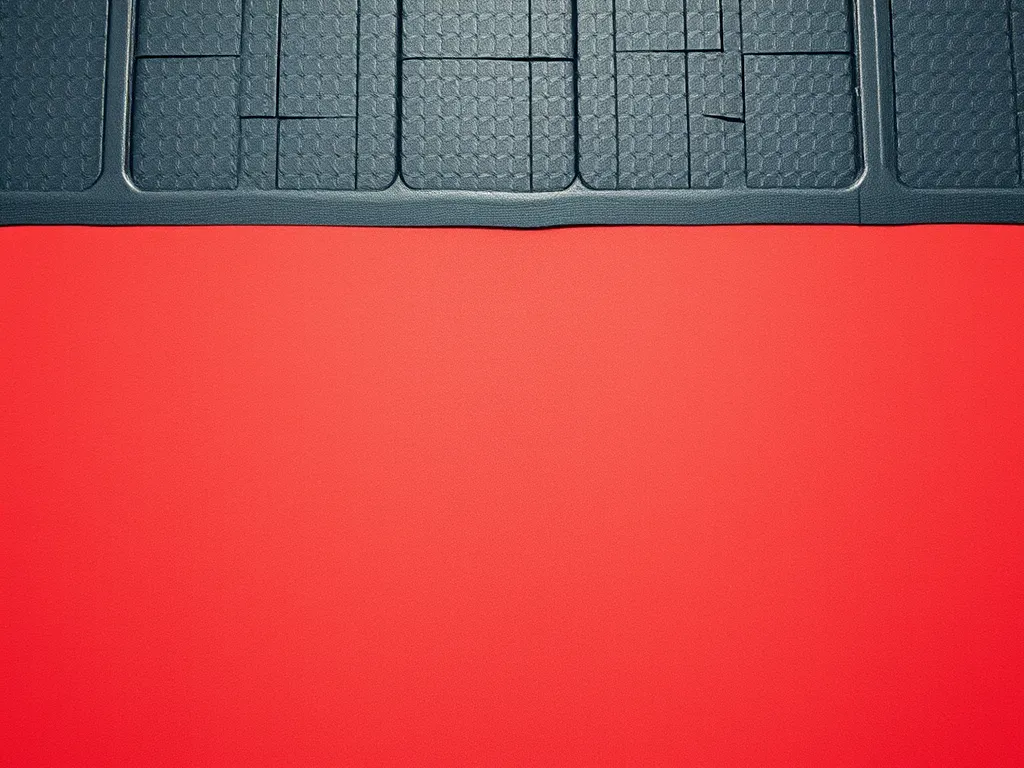
A diluted bitumen emulsion (MC-30 or SS-1 grades) primes surfaces before paving. Tack coats—applied at 0.05-0.15 gallons per square yard—create a bonded interface. This seals microcracks, preventing water infiltration between asphalt layers.
Layer Thickness and Compaction Methods
Asphalt layers under 2 inches risk rapid water penetration. Optimal thickness ranges from 2.5-4 inches for roads. Compaction with vibratory rollers achieves 92-96% density, reducing air voids to 4-8%. Lower void content directly enhances waterproofing properties of bitumen mixes.
Sealing Joints and Cracks in Asphalt Surfaces
Unsealed joints invite water into base layers. Rubberized bitumen sealants—applied at 50-85°F—fill gaps up to 0.5 inches wide. Hot-pour crack sealants with 15-30% polymer content expand with temperature shifts, maintaining waterproofing integrity.
Mastering these techniques ensures bitumen’s waterproofing qualities perform as designed. Next, we’ll examine how these methods translate to measurable benefits for infrastructure longevity.
Also See: Hot Mix Asphalt Quality Assurance: Ensuring Quality
Benefits Of Bitumen Waterproofing in Asphalt
Bitumen’s waterproofing properties transform asphalt into a robust shield against environmental stressors. These benefits directly impact pavement performance, budget allocation, and long-term infrastructure planning.
Protection Against Moisture Damage
Bitumen’s hydrophobic nature creates a seamless barrier that blocks water from seeping into asphalt layers. Water infiltration triggers potholes, base erosion, and aggregate stripping. In cold climates, freeze-thaw cycles expand cracks by 9-12% annually without proper waterproofing. Polymer-modified bitumen (PMB) further enhances resistance, reducing moisture damage by 40-60% compared to untreated mixes.
Extended Pavement Lifespan
Waterproofed asphalt surfaces last 15-20 years versus 8-12 years for non-treated pavements. Bitumen’s adhesive strength binds aggregates tightly, preventing disintegration under traffic loads exceeding 3,000 vehicles daily. The Federal Highway Administration notes waterproofing cuts maintenance frequency by 35%, delaying costly overlays by 5-7 years.
Cost-effectiveness in Infrastructure Projects
Bitumen waterproofing slashes lifecycle costs by $4.50-$6.80 per square foot over 20 years. Recycled asphalt pavement (RAP) blended with fresh bitumen trims material expenses by 25-30%. Highway agencies report 18-22% budget savings on multi-phase projects using PG 64-22 grade bitumen for its balance of viscosity and thermal stability.
With these advantages established, proper upkeep becomes vital to sustain bitumen’s waterproofing performance over decades.

Maintenance Of Bitumen-based Waterproofing
Bitumen’s waterproofing properties last decades with care. Regular checks keep surfaces safe from leaks. Fix small flaws fast to stop bigger damage.
Identifying and Repairing Degraded Areas
Check asphalt yearly for cracks, puddles, or worn spots. Use these steps:
- Alligator cracks: Cut out bad sections. Fill with hot rubberized bitumen (cost: $1.50-$3/sq.ft).
- Edge cracks: Clean dirt. Pour PG 58-28 binder. Top with fresh asphalt mix.
- Blistering: Drill holes to drain water. Patch with polymer-modified bitumen sheets.
Seal coats add 5-7 years to surfaces. Apply every 3-5 years at $0.15-$0.25/sq.ft.
Preventive Treatments for Asphalt Surfaces
Stop leaks before they start with these methods:
- Seal coating: Spray coal tar or asphalt emulsion. Blocks UV rays, fills tiny pores.
- Slurry seals: Mix sand, cement, and bitumen. Spread thin layer (3-6 mm) for crack resistance.
- Fog seals: Mist diluted SS-1 emulsion. Revives old asphalt’s water-block power.
Add rubber crumbs to seal coats. Boosts flexibility by 40% in cold climates.
Proper care keeps bitumen’s water-block strength intact. Next, we’ll explore how these steps tie into eco-friendly asphalt practices.
Environmental Considerations
Bitumеn’s waterproofing traits impact surroundings in two main ways: minimizing construction waste and controlling stormwater pollution. Both factors play vital roles in sustainable infrastructure planning.
Recyclability Of Bitumеn in Asphalt
Bitumеn can undergo multiple life cycles without losing its waterproofing quality. Around 95% of asphalt pavements containing bitumеn get recycled into RAP (Reclaimed Asphalt Pavement). This material forms 10-30% of new asphalt mixes, maintaining hydro-carbon bonds that block water infiltration.
Polymer-modified bitumеn boosts this process. Rubberized variants withstand 2-3 recycling phases while retaining adhesion and flexibility. Using RAP cuts project costs by up to 30% compared to virgin materials, as less virgin bitumеn is required for binding.
Reducing Water Runoff Contamination
Bitumеn’s tight seal stops water from passing through pavements, preventing runoff from absorbing oils or heavy metals. Traditional surfaces allow 40-50% of rainwater to carry pollutants into drains. Bitumеn-based asphalt lowers this to 12-15%.
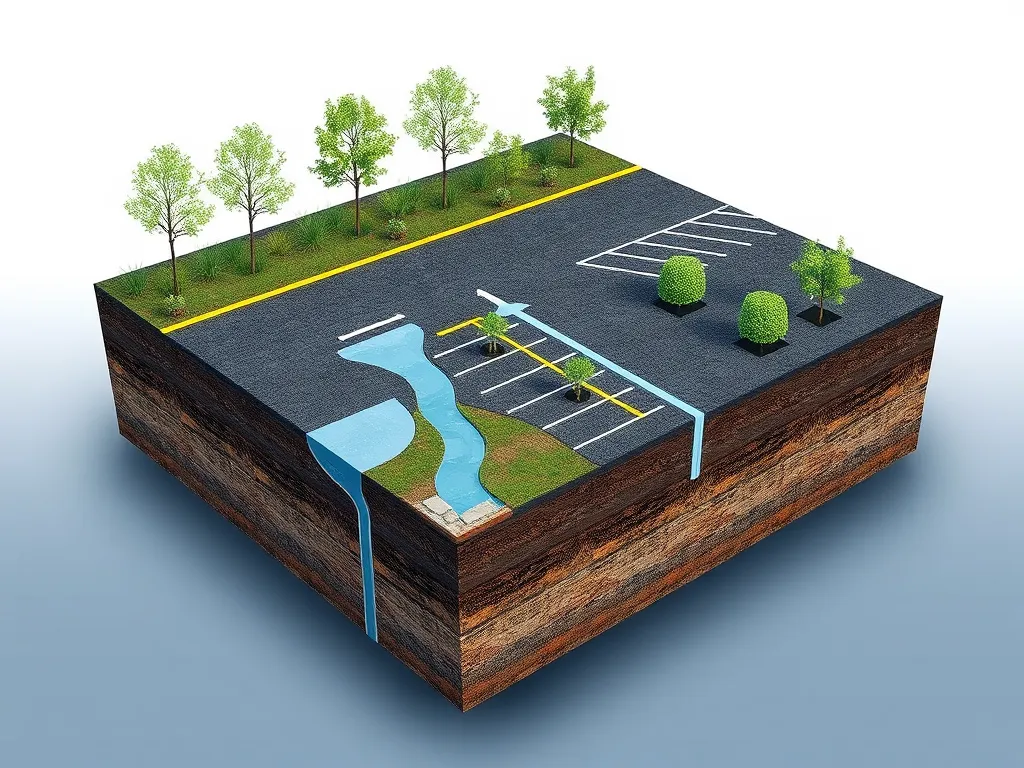
Permеable asphalt (PA) blends bitumеn’s waterproofing traits with gaps for drainage. PA installations in parking lots cut runoff volume by 50-70%. This design directs water to filtration systems, reducing toxin levels before discharge into soil or waterways.
Looking at how bitumеn’s waterproofing traits affect both roads and surroundings brings up common questions about its application and performance.
FAQs: Waterproofing Properties Of Bitumen
What Makes Bitumen Waterproof in Asphalt Applications?
Bitumen’s waterproof qualities arise from its dense hydrocarbon structure, which creates an impermeable barrier. This structure effectively blocks water infiltration while allowing the material to maintain flexibility under temperature variations, enhancing its ability to resist water damage.
Which Bitumen Type is Best for Asphalt Waterproofing?
The best type of bitumen for asphalt waterproofing depends on environmental conditions and specific application needs. Penetration-grade bitumen is ideal for general pavements, while modified bitumen, particularly those with polymer additives, offer superior flexibility and durability in extreme weather conditions.
How Does Bitumen Differ From General Waterproofing Methods?
Bitumen is specifically designed for asphalt applications, functioning as both a binder and a waterproof sealant. Unlike many general waterproofing methods that may rely on surface coatings or membranes, bitumen integrates directly into the asphalt mix, ensuring a continuous barrier against water.
What Key Properties Make Bitumen Effective for Waterproofing?
Key properties that enhance bitumen’s waterproofing effectiveness include its impermeability, strong adhesive qualities, and thermal flexibility. Together, these characteristics ensure a reliable protective layer that can withstand various environmental stresses without compromising its water-shedding abilities.
Closing Thoughts
Bitumen stands out as a robust option for waterproofing in asphalt applications. Its unique hydrocarbon structure offers exceptional water repellency, bolstering the durability of road surfaces. The combination of impermeability and adhesion properties ensures that moisture does not compromise pavement integrity, ultimately extending its lifespan.
Choosing the right bitumen type, whether penetration-grade or modified with polymers, plays a significant role in achieving optimal waterproofing. Proper application techniques, including thorough surface preparation and effective sealing, enhance the waterproofing capabilities of asphalt layers.
Moreover, the environmental benefits of bitumen are noteworthy. Its recyclability and ability to reduce water runoff contamination make it a sustainable choice for modern infrastructure projects. By integrating bitumen waterproofing into asphalt construction, you not only protect these surfaces but also improve the overall functionality and longevity of your projects.
For more information and resources, visit Asphalt Calculator USA.
Additional Resources for You:
- Roberts, F. L., Kandhal, P. S., Brown, E. R., Lee, D. Y., & Kennedy, T. W. (1996). Hot Mix Asphalt Materials, Mixture Design, and Construction (2nd ed.). National Asphalt Pavement Association (NAPA).
- Bituminous Membrane
- Modified Bitumen Waterproofing Systems | Building Enclosure
- What is the best type of bitumen for waterproofing the foundation how many layers of bitumen is enough to provide protection? – Quora
- What Are Bitumen And Bitumen Waterproofing? | Baumerk