Warm Mix Asphalt Benefits: Smarter Paving With Lower Temperatures
Published on: April 1, 2026 | Last Updated: April 14, 2025
Written By: George Voss
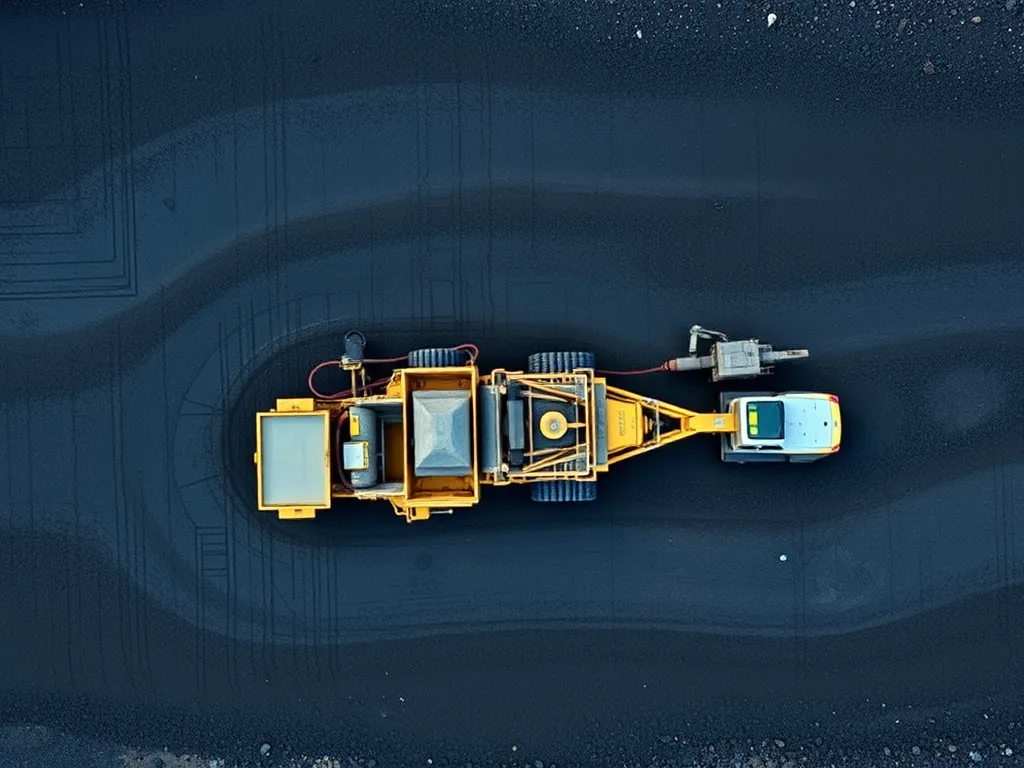
Warm mix asphalt (WMA) is a paving material that offers lower production temperatures, cost savings, and environmental benefits compared to traditional hot mix asphalt. Made at 50-100°F cooler than standard asphalt, WMA uses additives like waxes or foaming technology to keep the mix workable. Contractors use WMA for roads, parking lots, and repairs because it cuts fuel use by 20-35%, reduces greenhouse gas emissions by up to 50%, and allows longer hauling distances. The material also packs tighter during installation, creating durable surfaces that resist cracking.
This article breaks down how warm mix asphalt works and why it’s changing road construction. We’ll explore fuel cost reductions, carbon footprint data, and performance tests showing WMA lasts as long as hot mix. You’ll see temperature comparisons, learn about common additives like Evotherm or Sasobit, and find real-world examples of WMA projects. We’ll also cover limitations – like cold weather challenges – and answer top questions about installation methods and recycling potential.
Contents
- What is Warm Mix Asphalt?
- Key Advantages Of Warm Mix Asphalt
- Warm Mix Asphalt Disadvantages
- Warm Mix Asphalt Vs. Hot Mix Asphalt: Key Differences
- Warm Mix Asphalt Temperature Range
- Additives Used in Warm Mix Asphalt
- Environmental Impact and Sustainability
- Industry Applications and Use Cases
- Frequently Asked Questions (FAQ)
- Closing Thoughts
- Useful References for You:
What is Warm Mix Asphalt?
Warm mix asphalt (WMA) refers to pavement material produced at temperatures 30°F to 120°F lower than traditional hot mix asphalt (HMA). Lower production heat—typically between 250°F and 275°F versus HMA’s 300°F to 350°F—is reached through three primary methods: organic additives (like Fischer-Tropsch wax), chemical packages that reduce viscosity, or foaming processes injecting water into bitumen. This temperature drop maintains performance while slashing energy use during manufacturing.
WMA meets the same PG binder specifications as HMA, ensuring comparable strength under traffic loads. The cooler mix stays workable longer, giving crews more time for proper compaction even in cooler weather. Reduced heat also enables higher percentages of recycled asphalt pavement (RAP) in mixes—up to 50% in some states—without compromising pavement density or durability. Contractors report fewer emissions on job sites due to lower fume release during placement.
The reduced temperatures and maintained performance lay the foundation for the economic and environmental benefits detailed next.
Key Advantages Of Warm Mix Asphalt
Warm mix asphalt delivers multiple benefits reshaping modern road construction. Contractors and engineers increasingly choose this method for its blend of efficiency, performance, and eco-friendliness.
Economic and Operational Benefits
Lower production temperatures drive financial gains. Mixing at 50°F less than traditional hot mix asphalt slashes energy needs while maintaining quality.
Reduced Fuel and Energy Consumption
Plants cut fuel use by 20-35% with warm mix processes. Lower heating requirements decrease burner fuel demands. Less energy also means fewer equipment maintenance cycles.
Lower Production and Transportation Costs
Cooler mix stays workable longer, allowing haul distances up to 25% farther without thermal loss. Batch plants produce 15-20% more tons daily due to faster cooling cycles. These factors combine to save $3-$5 per ton versus hot mix.
Enhanced Performance and Durability
Contrary to myths, warm mix often outperforms hot mix. Modified production techniques boost structural integrity.
Improved Compaction and Workability
Warm mix reaches optimal density faster, even in cold weather. Tests show 1-2% higher density compared to hot mix. Extended paving windows let crews work below 40°F ambient temperatures.
Extended Pavement Longevity
Properly compacted warm mix resorts show 30% fewer cracks over 10 years. The NCAT Pavement Test Track demonstrated warm mix sections lasting 15+ years with minimal rutting.
Environmental Benefits
Greenhouse gas reductions make warm mix a sustainability leader. The process cuts emissions while maximizing recycled content.
Lower Greenhouse Gas Emissions
Production generates 15-30% less CO₂ versus hot mix. A typical plant emits 50 fewer tons of CO₂ monthly when switching to warm mix. Nitrous oxide and sulfur oxide outputs drop proportionally.
Utilization of Recycled Materials
Warm mix blends seamlessly with 30-50% recycled asphalt pavement (RAP). Lower temperatures prevent binder oxidation in reclaimed materials. Some projects incorporate roofing shingles or tire rubber without compromising mix integrity.
While these benefits position warm mix as a game-changer, proper implementation remains vital. Next, we’ll examine factors requiring careful evaluation during project planning.
Modern paving demands solutions balancing innovation with practicality. Let’s explore how these positives compare against specific challenges in real-world use.

Warm Mix Asphalt Disadvantages
While warm mix asphalt (WMA) offers clear gains, some limits shape its use. These factors help pick the right mix for each job.
Temperature and Application Limits
WMA needs temps 50-100°F lower than hot mix. This cuts energy but brings new challenges. Cold weather paving risks poor compaction if mix cools too fast. Crews get less time to spread it right before it sets. Some areas with harsh winters see more cracks if WMA isn’t laid in ideal conditions.
- Not suited for ultra-thin layers (under 1.5 inches)
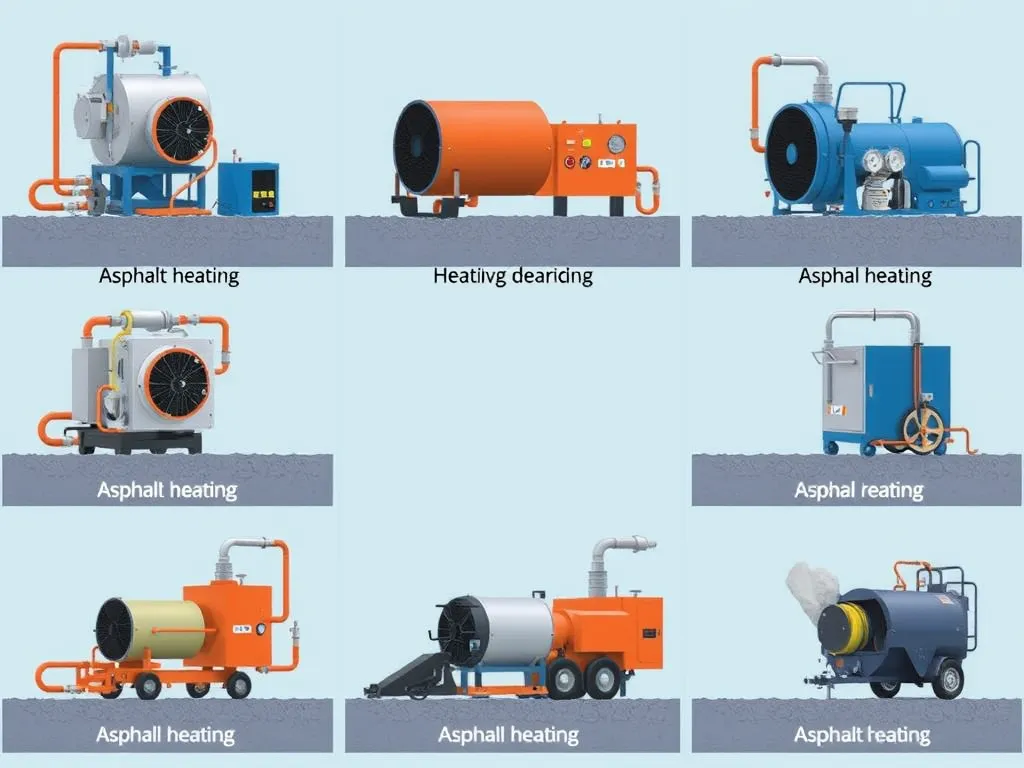
- May need extra gear like infrared heaters in cool climates
- Strict temp control needed during hauling (max 275°F)
Dependency on Additives
WMA relies on special additives to work at lower temps. Organic waxes (like Sasobit) or chemical packs (Evotherm) add $3-$8 per ton. Wrong doses weaken the mix, risking raveling or rutting. Plants without additive storage face delays if supplies run low. Some blends need PG binder tweaks, raising design costs by 10-15%.
- Common additives: zeolites, surfactants, foaming tech
- Extra lab tests needed for quality checks
- Limited reuse of additives in recycled batches
These factors set clear lines for where WMA shines—and where hot mix still rules. Next, we’ll stack WMA against hot mix on key specs like cost, eco-impact, and paving methods.
Also See: Asphalt Recycling Benefits: Key Advantages
Warm Mix Asphalt Vs. Hot Mix Asphalt: Key Differences
Comparing warm mix asphalt (WMA) with traditional hot mix asphalt (HMA) shows distinct variations in production methods, performance, and outcomes. These factors directly influence project decisions across road construction industries.
Production Temperature Comparison
WMA production occurs at 212-284°F, while HMA requires 280-320°F. This 50-100°F gap allows WMA plants to cut fossil fuel consumption by 20-35%. Lower temps also boost worker safety by limiting fume exposure during mixing and laying.
Environmental Impact
WMA cuts CO2 output by 15-40% versus HMA, as shown in a 2022 Federal Highway Administration study. Lower temps also slash nitrogen oxide (NOx) and particulate matter by up to 50%, aiding air quality compliance. Many WMA blends incorporate 20-50% recycled asphalt pavement (RAP), diverting 1.2 million tons of waste from landfills annually.
Cost Efficiency
Fuel savings from reduced temps trim production costs by $2-$5 per ton. Contractors report longer haul distances (up to 75 miles) without mix cooling, cutting trucking needs by 30% on rural projects. Lower energy use often qualifies WMA projects for LEED credits or local tax incentives.
Application Techniques
WMA’s lower temps allow paving in cooler weather (down to 40°F) versus HMA’s 50°F minimum. This extends paving seasons in northern states by 2-4 weeks. Foaming technologies and additives like Sasobit or Advera improve mix workability, achieving 92-96% density targets with fewer roller passes.
While application techniques vary by climate and mix design, all WMA projects share one trait: adaptability. This flexibility sets up our next discussion on optimal temperature ranges for different paving scenarios.
Warm Mix Asphalt Temperature Range
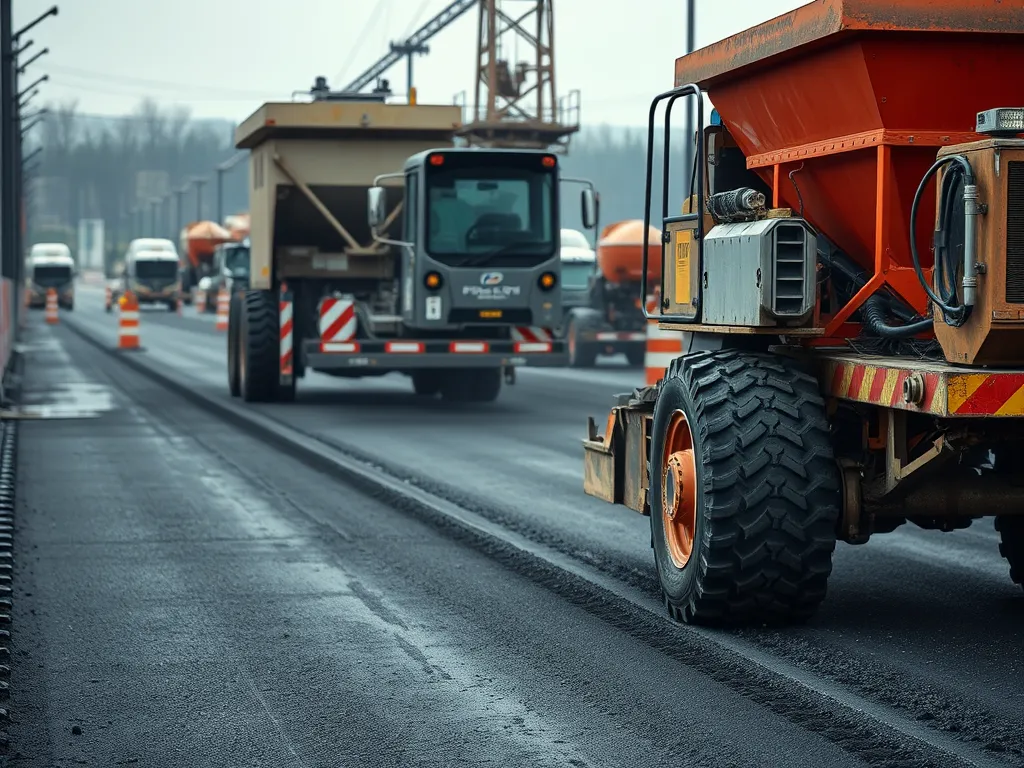
Warm mix asphalt (WMA) is produced at 100-140°C, a 30-50°C drop from traditional hot mix asphalt’s 150-170°C range. This reduced heat requirement directly ties to its core benefits, cutting energy use while maintaining pavement quality.
Fuel Efficiency Gains
Lower temperatures slash fuel consumption by 20-35% during production, per National Asphalt Pavement Association data. Plants burn less diesel or natural gas to heat aggregates and PG binders (performance-graded asphalt cement). A 50°F temperature drop can save 1.5 gallons of fuel per ton of mix.
Paving Flexibility
WMA stays workable at 220°F versus HMA’s 280°F minimum. Contractors gain 25-40 extra minutes for compaction in cooler weather. This allows paving in temperatures as low as 40°F, extending construction seasons in northern states like Michigan or Minnesota.
The thermal sweet spot also reduces emissions: CO₂ output drops 15-30%, with NOx and SOx levels falling 10-20%. Haul distances increase by up to 25% since mixes cool slower, enabling access to remote job sites. Properly compacted WMA achieves 93-96% density, matching HMA’s structural integrity.
While temperature benefits are clear, achieving them requires precise additive selection. Next, we’ll break down the chemical agents making these gains possible.
Additives Used in Warm Mix Asphalt
Warm mix asphalt achieves its core benefits through specialized additives that cut production temperatures while maintaining performance. Three main additive categories drive this innovation: paraffinic waxes, chemical surfactants, and water-based foaming agents.
Paraffinic waxes like Sasobit® lower bitumen viscosity at high temperatures. This enables mixing at 30-50°F cooler than traditional hot mix asphalt. Contractors gain extended hauling distances and cold-weather paving flexibility – critical for regions with short construction seasons.
Chemical surfactants such as Evotherm® reduce friction between aggregate particles. These additives let crews compact asphalt at 275°F instead of 300°F+, saving 15-20% in fuel costs. Projects using surfactants report 92-96% density rates, matching hot mix durability standards.
Water-based foaming injects 2-3% water into heated asphalt. The steam expands the binder, creating a workable mix at 250-275°F. This method cuts energy use by 35% and allows 20-30% recycled asphalt pavement (RAP) integration without compromising strength.
Selecting the right additive depends on project needs. Wax-based systems suit high-volume roads requiring extended compaction windows. Surfactants excel in urban areas needing low-emission paving. Foaming shines in cost-sensitive jobs maximizing recycled content.
These innovations set the stage for examining warm mix asphalt’s role in sustainable infrastructure – particularly its carbon reduction capabilities during production.
Environmental Impact and Sustainability
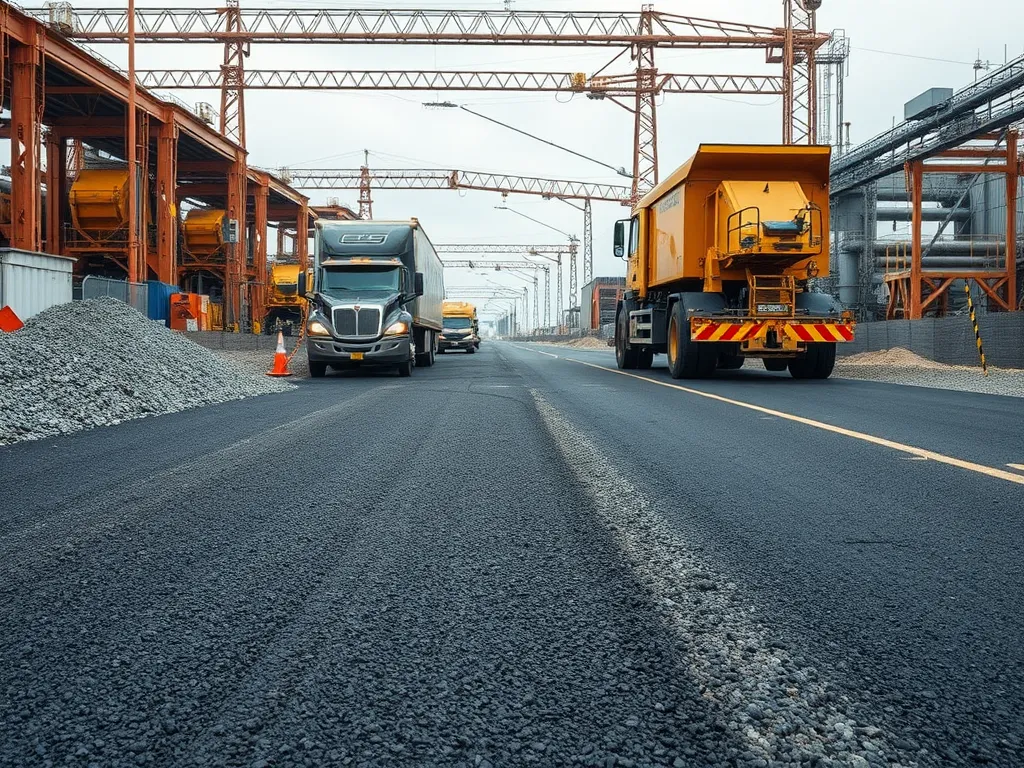
Warm mix asphalt (WMA) reshapes road construction’s ecological footprint. With lower production temperatures and cleaner processes, WMA delivers measurable gains for both ecosystems and long-term project viability.
Reduction in Carbon Footprint
WMA slashes CO₂ emissions by 15-30% compared to hot mix asphalt. Lower heating requirements—typically 275°F to 325°F versus 300°F to 350°F for HMA—cut fossil fuel combustion at asphalt plants. Fewer emissions mean reduced smog formation and better air quality near work zones. A 2022 Federal Highway Administration study found WMA projects emit 1.2 tons less CO₂ per lane mile. This aligns with global climate goals like the Paris Agreement’s emission targets.
Energy Efficiency in Production
Producing WMA uses 20-35% less energy than traditional methods. Lower temperatures reduce burner fuel demands, trimming natural gas or diesel consumption by 3-5 gallons per ton. Plants also report shorter heating times, lowering electricity use for drum drying. These savings add up: A mid-sized plant producing 200,000 tons annually can save $120,000-$200,000 yearly on energy costs. Technologies like foaming systems or organic additives (e.g., Sasobit®) further optimize thermal efficiency without compromising pavement strength.
With lower emissions and resource demands, WMA proves sustainable construction doesn’t require trade-offs. Next, explore how these ecological gains translate to real-world applications across road types and climates.
Industry Applications and Use Cases
Warm mix asphalt (WMA) works in many fields. Its perks fit road jobs to big builds. Let’s see where it’s used most.
Highways and Main Roads
WMA cuts fuel use by 20-35% in big jobs. Crews can pave longer in cold months. This keeps projects on track. States like Texas save $3-5 per ton with WMA.
City Streets
Tight spaces need fast work. WMA’s low heat (230-275°F) lets crews pour in tight spots. Less fumes help near schools and homes. Traffic flows again in 1-2 hours.
Airport Runways
Planes need strong paths. WMA’s dense pack handles heavy loads. Atlanta Airport saw 15% less cracks after 5 years.
Cold Zones
In Alaska, WMA stays workable at 40°F. Normal mix needs 50°F+. This adds 3-4 weeks to the paving season.
Recycled Jobs
WMA blends with 30% old asphalt. Plants use 15% less energy when adding reused bits. This cuts waste and cost.
These cases show WMA’s flex. Now, let’s tackle key questions users ask.

Frequently Asked Questions (FAQ)
What Are the Environmental Benefits Of Warm Mix Asphalt?
Warm mix asphalt contributes significantly to environmental sustainability. It reduces greenhouse gas emissions by 15-30% when compared to traditional hot mix asphalt, due to its lower production temperatures. Additionally, WMA allows for higher utilization of recycled materials, such as recycled asphalt pavement (RAP), which helps divert waste from landfills and supports a circular economy in construction.
In What Types Of Projects is Warm Mix Asphalt Commonly Used?
Warm mix asphalt is versatile and suitable for a variety of projects including highways, city streets, airport runways, and cold climate paving. Its ability to perform well at lower temperatures makes it ideal for regions with shorter paving seasons or those requiring quick turnaround times due to heavy traffic conditions.
How Does Warm Mix Asphalt Impact Project Timelines?
The use of warm mix asphalt can enhance project timelines by allowing construction to proceed in cooler weather, as it remains workable for a longer period. This flexibility reduces delays caused by temperature-related issues and can extend the paving season, ultimately leading to faster project completion.
Is Warm Mix Asphalt More Cost-effective Than Hot Mix Asphalt?
Yes, warm mix asphalt can be more cost-effective due to lower production temperatures, which reduce fuel consumption by 20-35%. This leads to overall savings in production and transportation costs. Additionally, the ability to use higher percentages of recycled materials can further reduce project costs, making WMA an economically attractive choice for many contractors.
Can Warm Mix Asphalt Perform As Well As Hot Mix Asphalt in Terms Of Durability?
Yes, numerous studies indicate that warm mix asphalt can meet or even exceed the durability standards of hot mix asphalt. Properly compacted WMA shows fewer cracks and extended longevity, making it a reliable choice for various paving applications.
Closing Thoughts
Warm mix asphalt offers significant benefits across various dimensions. From reduced fuel consumption to enhanced durability, it stands as a practical choice in modern paving. The lower production temperatures not only yield economic advantages but also minimize environmental impact, making it a sustainable option for construction projects.
Its application versatility coupled with the incorporation of recycled materials contributes to both cost savings and resource conservation. While there are a few challenges, such as temperature limitations and dependency on additives, the advantages often outweigh these concerns.
For detailed information and resources on warm mix asphalt, visit Asphalt Calculator USA. Explore more about effective asphalt solutions to elevate your projects!
Useful References for You:
- American Association of State Highway and Transportation Officials (AASHTO). (2008). Mechanistic-Empirical Pavement Design Guide (MEPDG). Washington, DC: AASHTO.
- » Warm Mix Asphalt (WMA)
- Understanding the differences between hot mix asphalt and warm mix asphalt