The Role Of Temperature Monitoring in Asphalt Curing
Published on: April 3, 2026 | Last Updated: April 14, 2025
Written By: George Voss
Temperature monitoring in asphalt curing measures heat levels during pavement hardening to ensure strength and durability. Unlike time-based methods, it focuses on real-time heat data critical for bonding aggregates and bitumen. Contractors use infrared thermometers, temperature strips, and embedded sensors to maintain 275°F–325°F mix temperatures. Proper monitoring reduces curing time by 20-30% and prevents cracks, rutting, or premature failure caused by uneven cooling.
This article breaks down how temperature shapes asphalt performance. Learn why heat affects curing speed, which tools track it best, and how mistakes lead to costly repairs. Get actionable tips for using data to optimize workflows, avoid weather risks, and extend pavement life by 5-10 years.
Contents
- Introduction to Temperature Monitoring in Asphalt Curing
- Impact Of Temperature on Asphalt Curing
- Temperature Requirements for Effective Asphalt Curing
- Methods for Monitoring Asphalt Curing Temperature
- Best Practices for Temperature Control During Asphalt Curing
- Consequences Of Inadequate Temperature Monitoring
- Essential Equipment for Asphalt Temperature Monitoring
- Regulatory and Environmental Considerations
- Frequently Asked Questions (FAQs)
- Closing Thoughts
- Additional Resources for You:
Introduction to Temperature Monitoring in Asphalt Curing
Temp tracking makes or breaks asphalt quality. It lets crews keep heat levels right as liquid mix turns to solid road. Real-time data guides choices during paving and curing. Skip this step, and roads may crack or rut within months.
Overview Of Asphalt Curing and Temperature Dependency
Asphalt curing is the hot mix cooling into a hard layer. Heat bonds rocks and bitumen. The mix needs steady temps to lock in strength. Most jobs aim for 275°F to 325°F at laydown. Drop below 240°F, and bonds weaken. Go above 350°F, and oils burn off, causing brittleness. PG binders (like PG 64-22) need strict heat ranges to work as designed.
Weather shifts are a constant threat. Night chills slow curing. Sun heat warms surfaces unevenly. Rain cools the mat too fast. Crews use temp logs to spot risks early. For example, a 20°F drop in 30 minutes may signal poor compaction ahead.
These thermal factors shape pavement life. Next, we’ll break down how heat swings change curing outcomes.
Impact Of Temperature on Asphalt Curing
Temperature directly dictates how asphalt cures. Even minor deviations alter strength, longevity, and performance. Monitoring ensures thermal conditions stay within target ranges.
How Temperature Influences the Asphalt Curing Process
Bitumen-aggregate bonding relies on heat. At 275°F–325°F, bitumen viscosity drops, allowing aggregates to compact tightly. Below 250°F, mixtures harden prematurely, creating air voids. Above 350°F, binders degrade, weakening structural integrity. Thermal contraction during cooling also affects density. PG binders (performance-graded asphalt) require precise heat levels to activate polymer modifiers.
Effect Of Temperature on Asphalt Bond Durability
Bond strength drops by 30% if curing temps fall 15°F below minimum thresholds. Cold layers prevent proper adhesion between lifts, increasing rutting risks. Excess heat accelerates oxidation, making surfaces brittle. Ideal curing maintains 50°F–85°F ambient air temps for 24–72 hours post-compaction.
| Temperature Range | Impact on Bonding |
|---|---|
| >185°F | Optimal binder-aggregate adhesion |
| 140°F–185°F | Reduced density; 10% lower load capacity |
| <140°F | Premature hardening; cracking within 6 months |
Risks Of Temperature Fluctuations During Curing
Thermal shocks from sudden drops exceeding 20°F/hour cause microcracks. Rain lowers surface temps by 50°F in minutes, creating weak zones. Night-day swings exceeding 40°F induce thermal fatigue, leading to raveling. Infrared thermometers detect these shifts, allowing timely interventions like insulation blankets.
Impact of Weather Events on Asphalt Temperature Stability
High winds strip heat 3x faster, risking thermal segregation. A 0.5″ rainfall can cool pavements to 120°F within 15 minutes. Snow delays curing entirely, requiring reheating to 200°F–250°F. Real-time asphalt temperature monitoring systems trigger alerts when weather shifts threaten curing targets.
Tracking thermal trends ensures crews adapt to environmental factors. Next, let’s examine the exact temperature requirements for lasting results.
Temperature Requirements for Effective Asphalt Curing
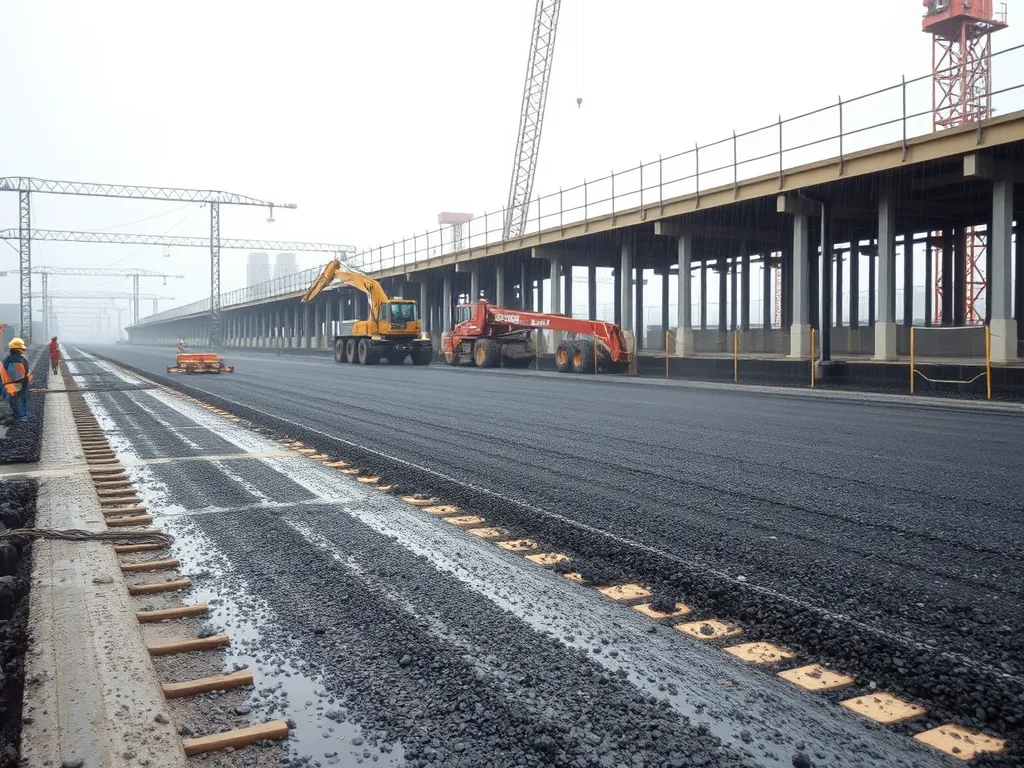
Proper heat levels determine asphalt’s strength, density, and resistance to wear. Deviations from target ranges create flaws that compromise pavement performance over time.
Optimal Temperature Range for Asphalt Curing
Hot mix asphalt requires 275°F to 325°F during placement for proper compaction. PG (Performance Grade) binders lose viscosity below 275°F, failing to coat aggregates fully. Above 325°F, accelerated oxidation weakens binder elasticity. Thermal segregation—mixes cooling unevenly during transport—causes weak spots when surface temps drop under 250°F before rolling.
Temperature Guidelines for Asphalt Repairs
Pothole patches demand mix temps above 250°F during application to bond with existing layers. Cold ambient conditions below 50°F require substrate heating to 100°F minimum. Infrared heaters or hot air lances prevent thermal shock when repairing aged pavements. For cold mix asphalt repairs, apply only when ground temps exceed 40°F to ensure proper curing.

Cooling Time and Temperature Control
Freshly laid asphalt must cool to 175°F before bearing traffic. A 2-inch overlay takes 60-90 minutes to reach this threshold at 70°F ambient. Thicker layers or colder climates extend cooling times. Rapid cooling from wind or rain triggers thermal cracks. Use windbreaks or insulated blankets when temps drop below 55°F. Monitor surface temps every 15 minutes using infrared guns until stabilization.
Accurate tracking requires reliable tools. Next, explore how modern systems capture real-time data for precise heat management.
Also See: Warm Mix Asphalt Benefits: 5 Key Advantages
Methods for Monitoring Asphalt Curing Temperature
Track heat levels in fresh asphalt with three key tools. Each method fits specific site needs and gives data to boost cure quality.
Infrared Thermometers for Surface Temperature Measurement
Check heat with no touch. These tools scan the top layer fast. Aim at fresh pave to get a read in seconds. Best for spot checks post-lay. Note: they miss shifts in deeper layers. Use them with other tools for full heat maps.
Temperature Strips and Their Applications
Stick-on strips shift hues with heat. Place them on pave or mix pre-lay. Watch the color change to gauge heat zones. Ideal for small fixes or tight spots. Low cost, but one-time use. Keep strips dry for best results.
Thermocouples and Embedded Sensors
Push wires into the mix pre-compact. These probes track core heat as layers cool. Link to a data log for live charts. Set alerts if temps drop below 175°F (79°C) – key for bond strength. Works for thick lifts or cold zones.
Advantages of Continuous Temperature Monitoring Systems
Live data spots risks fast. Catch cold spots before weak bonds form. Track trends over hours to tweak work flows. Meet state DOT rules for road grades. Cut rework costs by 15-20% on large jobs.
With the right tools in place, crews can shift focus to the next step: using this data to fine-tune site plans.

Best Practices for Temperature Control During Asphalt Curing
Precise temperature monitoring asphalt curing ensures pavement longevity. These five strategies prevent costly errors and optimize performance.
Initial Temperature Testing Of Asphalt Mixtures
Measure mix temperature at the plant and before placement. Hot-mix asphalt (HMA) requires 275°F to 325°F for proper compaction. Use infrared thermometers or embedded probes to verify PG binder grades like PG 64-22 perform within specifications. A 20°F deviation can reduce density by 5%, risking premature cracking.
Continuous Temperature Tracking During Curing
Deploy asphalt temperature monitoring systems with thermocouples (electrical temperature sensors) or wireless data loggers. Track cooling rates every 15 minutes to ensure a steady drop below 185°F. Rapid cooling above 5°F per minute creates thermal cracks. Slow curing below 2°F per minute boosts binder adhesion.
Adjusting Workflows Based on Temperature Data
Real-time asphalt curing temperature measurement allows immediate action. If temperatures plunge during night paving, increase roller passes by 20% or deploy insulation blankets. For midday heat, accelerate compaction cycles by 10-15 minutes to meet density targets of 92-96%.
Accounting for Ambient Weather Conditions
Wind speeds above 12 mph accelerate surface cooling by 30%. Use thermal imaging cameras to detect “cold spots” in shaded areas. Schedule pours when ground temperatures exceed 50°F. In rain, halt work if mix temps dip below 225°F—water infiltration weakens bonds.
Calibration and Maintenance Of Monitoring Equipment
Calibrate infrared guns monthly against NIST-traceable devices. Replace thermocouple tips every 6 months to prevent ±10°F drift. For asphalt temperature monitoring systems, run diagnostic checks weekly. Malfunctioning sensors can misread by 15°F, leading to under-compacted seams.
Mastering these techniques ensures temperature control asphalt curing stays on track. Next, we’ll explore what happens when monitoring falls short—and how to avoid those pitfalls.
Consequences Of Inadequate Temperature Monitoring
Ignoring temperature thresholds during asphalt curing creates immediate and long-term risks. These issues impact pavement integrity, project budgets, and environmental compliance.
Structural Weaknesses From Improper Curing Temperatures
Asphalt mixtures require precise heat to activate binders like PG 64-22 or PG 76-16. Temperatures below 185°F prevent proper aggregate coating, leading to voids and moisture infiltration. Excess heat above 320°F degrades binders, causing brittleness. A 2022 NAPA study found pavements cured outside optimal ranges had 40% higher rates of thermal cracking and raveling within 18 months.
Reduced Lifespan Of Asphalt Surfaces
Premature aging occurs when curing temperatures fluctuate. For example, cold spots below 160°F delay compaction, reducing density by 5-8%. This accelerates oxidative aging, cutting pavement life from 20+ years to 7-10 years. High-traffic areas like intersections show rutting 3x faster when initial curing temps vary beyond ±15°F from target.
Increased Maintenance and Repair Costs
Replacing poorly cured asphalt costs $3.50-$6.25 per square foot versus $1.50-$2.75 for infrared-sealed surfaces. A single lane-mile with temperature-related defects requires 12-18 repairs in its first decade, adding $28,000+ in lifecycle costs. States like Texas enforce fines up to $15,000 for projects violating ASTM D7227 temperature protocols.
Mastering temperature monitoring asphalt curing prevents these pitfalls. Next, let’s explore the tools that ensure precise asphalt temperature control.
Essential Equipment for Asphalt Temperature Monitoring
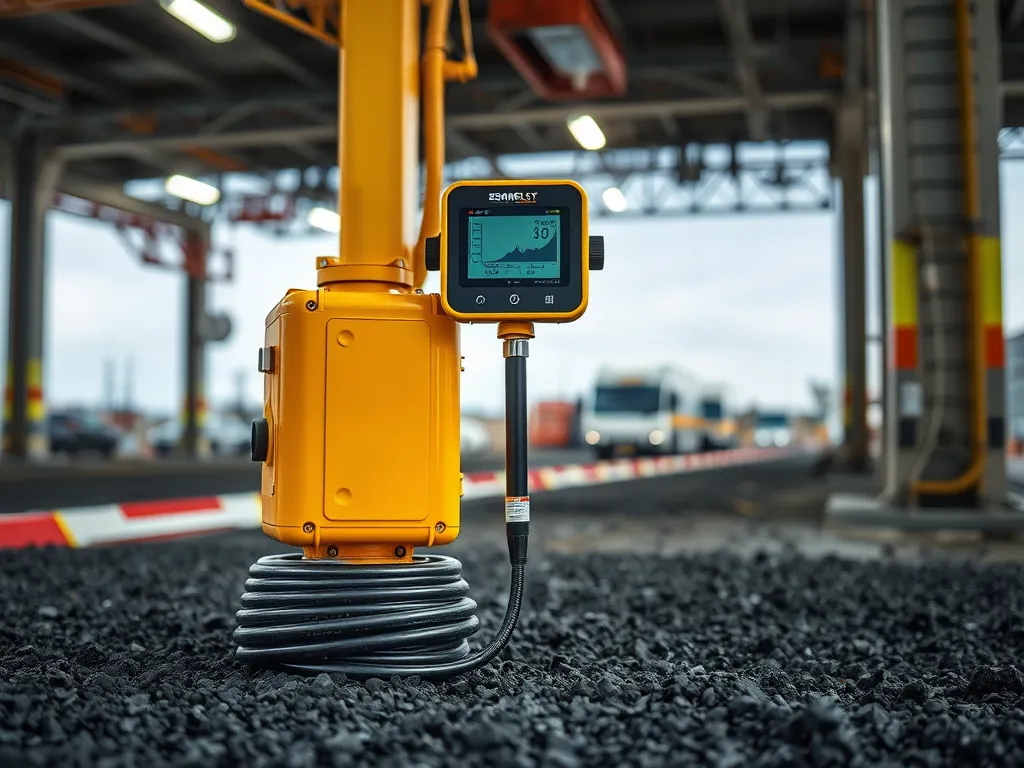
Accurate temperature monitoring asphalt curing requires specialized tools. Contractors rely on infrared thermometers, thermocouples, and embedded sensors to track asphalt curing temperature. Each device serves distinct purposes, from surface scans to subsurface data logging. Proper equipment selection ensures compliance with temperature regulations for asphalt curing and prevents premature pavement failure.
Infrared Vs. Contact-based Measurement Tools
Infrared thermometers measure surface heat without physical contact. They capture real-time data within ±3°F accuracy, ideal for quick checks during asphalt placement. However, they can’t detect subsurface temperatures. Contact-based tools like thermocouples or needle probes pierce the asphalt layer, recording internal temperatures up to 6 inches deep. These devices provide continuous asphalt curing temperature measurement but require insertion during paving.
| Tool Type | Pros | Cons |
|---|---|---|
| Infrared | Instant readings, non-destructive | Surface-only data |
| Contact-Based | Subsurface accuracy, continuous tracking | Slower setup, intrusive |
Selecting the Right Temperature Monitoring System
Choose systems based on project scale and data needs. Small repairs may only require handheld infrared guns ($50-$300). For large-scale paving, embedded asphalt temperature monitoring systems with wireless sensors ($1,500-$5,000) track multiple zones simultaneously. Prioritize devices meeting ASTM D7228 standards for pavement testing. Key factors:
- Data Logging: Systems with cloud storage automate compliance reports.
- Range: Ensure tools handle 200-350°F for hot-mix asphalt.
- Durability: Weather-resistant models perform in rain or extreme heat.
Proper asphalt curing temperature control hinges on matching tools to site conditions. Next, we’ll explore how environmental regulations shape temperature management strategies.
Regulatory and Environmental Considerations
Meeting rules and cutting harm to nature are key parts of asphalt work. Both shape how crews track heat during curing.
Compliance With Temperature Regulations for Asphalt Curing
Road crews must follow strict heat rules set by groups like FHWA and ASTM. These codes state asphalt mix must stay between 275°F and 325°F at laydown. States like Texas require 24-hour logs using tools like thermocouples. Missing targets can lead to fines up to $5,000 per day or rework costs over $15,000 for small lots.
Mitigating Environmental Impact Through Temperature Control
High heat in asphalt curing boosts fuel use and fumes. Keeping mix temps below 300°F cuts CO2 by 20% versus older methods. Rainwater runoff from hot asphalt can carry oils into soil. Smart heat tracking helps crews cool pavements faster, slashing pollution risks by half.
Sustainable Practices in Asphalt Temperature Management
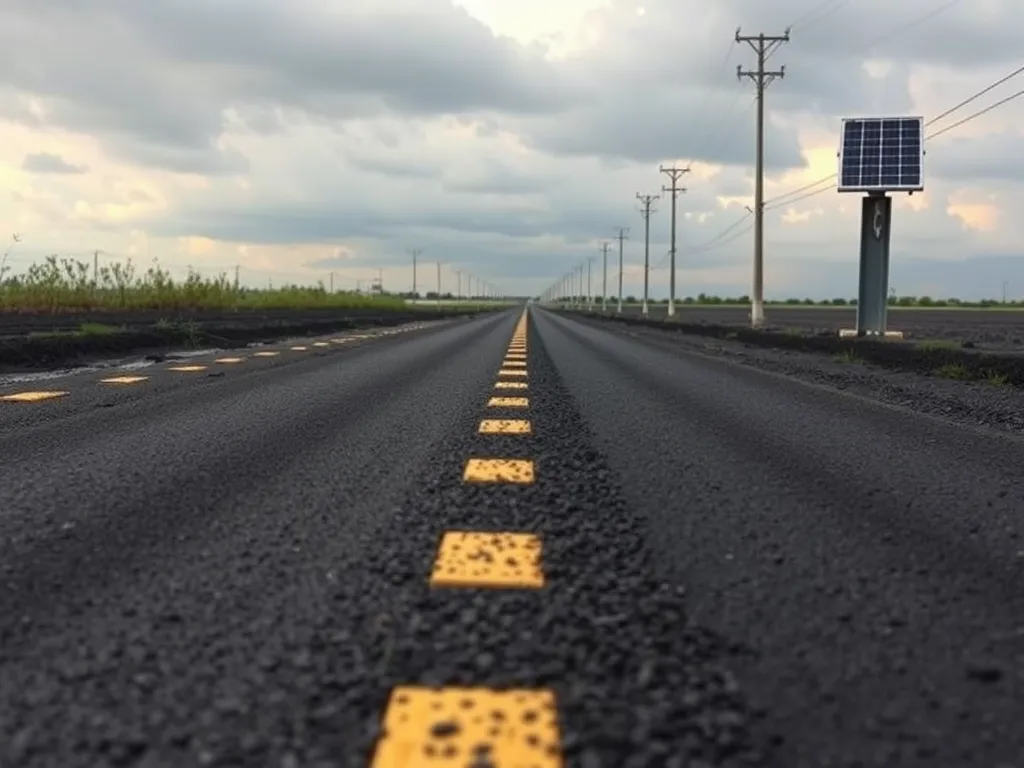
Top teams now blend recycled asphalt (RAP) with warm-mix tech to lower cure heat needs by 50°F. Solar-powered sensors track temps without grid power. Some states give tax breaks for projects using 30% RAP and keeping mix temps under 290°F.
Getting heat right does more than meet specs – it builds roads that last. Next, let’s explore how crews fix common heat tracking slip-ups before they cost time and cash.
Frequently Asked Questions (FAQs)
How Do Extreme Temperatures Affect Asphalt Curing?
Extreme temperatures can significantly impair the curing process of asphalt. High temperatures can lead to rapid oxidation and brittleness, while low temperatures can cause insufficient bonding and premature hardening, resulting in cracks and decreased pavement lifespan.
Is Specialized Equipment Necessary for Temperature Monitoring?
Yes, specialized equipment is highly recommended for accurate temperature monitoring during asphalt curing. Infrared thermometers, thermocouples, and other monitoring systems provide essential data to ensure asphalt is cured within optimal temperature ranges, thus preventing future structural issues.
What Temperature is Ideal for Asphalt Repairs?
The ideal temperature for asphalt repairs is typically above 250°F. This ensures proper bonding between the new material and the existing layers. In colder conditions, it’s crucial to heat the substrate beforehand to avoid issues with adhesion.
Can Temperature Be Measured Without Dedicated Tools?
While some informal methods can gauge temperature, such as touch testing (though not advised), accurate measurement without dedicated tools can lead to significant errors. Using geeignete tools, like infrared thermometers or temperature strips, is vital for reliable data to ensure successful curing.
Closing Thoughts
Temperature monitoring is vital for successful asphalt curing. It ensures that asphalt reaches and maintains optimal curing temperatures. Proper management can enhance durability, reduce repair costs, and extend the lifespan of asphalt surfaces.
Implementing best practices for temperature monitoring safeguards against structural weaknesses. By using tools like infrared thermometers and thermocouples, you can maintain a high-quality asphalt finish. Always consider weather conditions to adjust curing processes effectively.
For more insights and resources, visit Asphalt Calculator USA. Stay informed and optimize your asphalt projects.
Additional Resources for You:
- ASTM International (Asphalt & Pavement Standards)
- Why Is Temperature Monitoring Important in Asphalt Paving?
- The Role Of Temperature In Paving Asphalt – Black and Yellow Blog
- Effective Concrete Curing : The Role of Temperature Monitoring and Data Loggers
- Full-scale monitoring of cold mix asphalt during curing – ScienceDirect