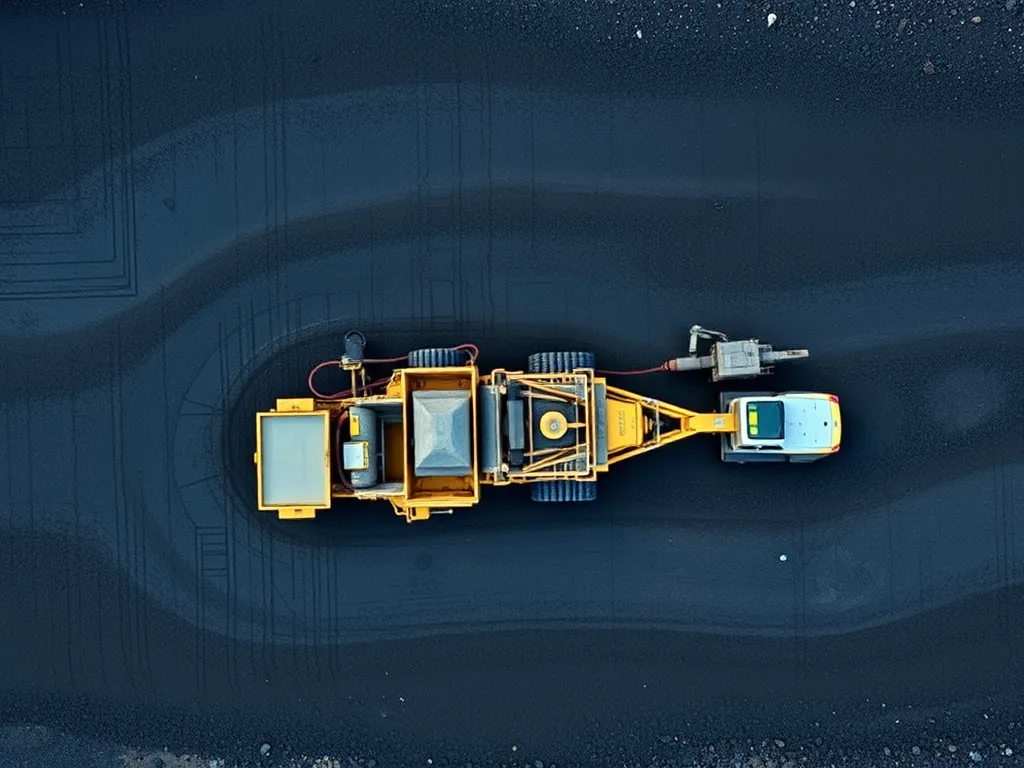
Safety Measures for Asphalt Heating Processes: Protect Workers & Sites
Published on: April 9, 2026 | Last Updated: April 14, 2025
Written By: George Voss
Safety measures for asphalt heating processes reduce risks from 300°F+ materials, flammable vapors, and equipment hazards during roadwork or repairs. These protocols require heat-resistant PPE like aluminized gloves, OSHA-approved half-mask respirators for fume protection (5 mg/m³ exposure limit), and daily equipment checks to prevent fires or burns. Key priorities include maintaining 10+ ft clearance from ignition sources and using infrared thermometers to monitor material temperatures.
This guide explains how to handle hot asphalt safely. Topics include selecting NFPA-compliant heating units, setting up vapor barriers, and training crews in burn first aid. You’ll get step-by-step details on OSHA’s 1926.55(a) standards, emergency shutdown procedures, and minimizing airborne particulates below 15 µg/m³.
Contents
- Key Hazards in Asphalt Heating Operations
- Essential Personal Protective Equipment (PPE) for Asphalt Heating
- Safe Equipment Practices for Asphalt Heating
- Risk Management in Asphalt Heating Processes
- Training and Compliance Requirements
- Emergency Procedures for Asphalt Heating Accidents
- Environmental Considerations
- FAQs: Asphalt Heating Safety
- Closing Thoughts
- Useful References for You:
Key Hazards in Asphalt Heating Operations
Heating asphalt to 300-450°F creates multiple workplace risks. Identifying these dangers is the first step toward implementing effective asphalt heating safety measures.


Fire and Explosion Risks
Asphalt’s flash point starts at 400°F, making overheated materials prone to ignition. Open flames, electrical sparks, or improperly stored propane tanks near heating units escalate risks. OSHA requires maintaining 25-foot clearance between asphalt heaters and flammable items. Static electricity from mixing or transferring hot asphalt can also trigger fires if grounding protocols aren’t followed.
Burns From Hot Asphalt Materials
Direct contact with 325°F asphalt causes third-degree burns in under two seconds. Splashes during pouring or equipment malfunctions pose immediate threats. Thermal gloves alone can’t prevent injuries if workers handle heated asphalt without insulated tools or spill containment systems.
Respiratory Issues From Asphalt Fumes
Heating releases fumes containing polycyclic aromatic hydrocarbons (PAHs) and hydrogen sulfide. OSHA’s permissible exposure limit (PEL) for asphalt fumes is 5 mg/m³ over an 8-hour shift. Without NIOSH-approved N95 respirators or ventilation systems, workers risk headaches, lung irritation, and long-term respiratory damage.
Heavy Machinery and Equipment Dangers
Asphalt heaters, hot boxes, and transfer vehicles have moving parts exceeding 200°F. Pinch points on conveyor systems cause crush injuries if lockout/tagout procedures aren’t enforced. NFPA 58 mandates weekly inspections of propane-fueled heating units to prevent gas leaks or pressure valve failures.
Mitigating these hazards requires more than protocols – the right protective gear forms your next defense layer.
Essential Personal Protective Equipment (PPE) for Asphalt Heating
Workers face high heat, fumes, and spills. The right gear cuts injury risks. Use these PPE items for safe asphalt work.
Heat-resistant Gloves and Aprons
Gloves must handle 500°F+ temps. Kevlar or leather gloves shield hands. Aprons made of heavy cloth stop hot spills. Replace gear with cracks or holes. Check heat ratings match job needs.
Safety Goggles and Face Shields
Hot asphalt splashes cause eye burns. Use goggles with side shields (ANSI Z87.1 rated). Face shields add full-face cover for mixing or pouring. Clean lenses daily for clear sight.
Respiratory Protection for Fume Exposure
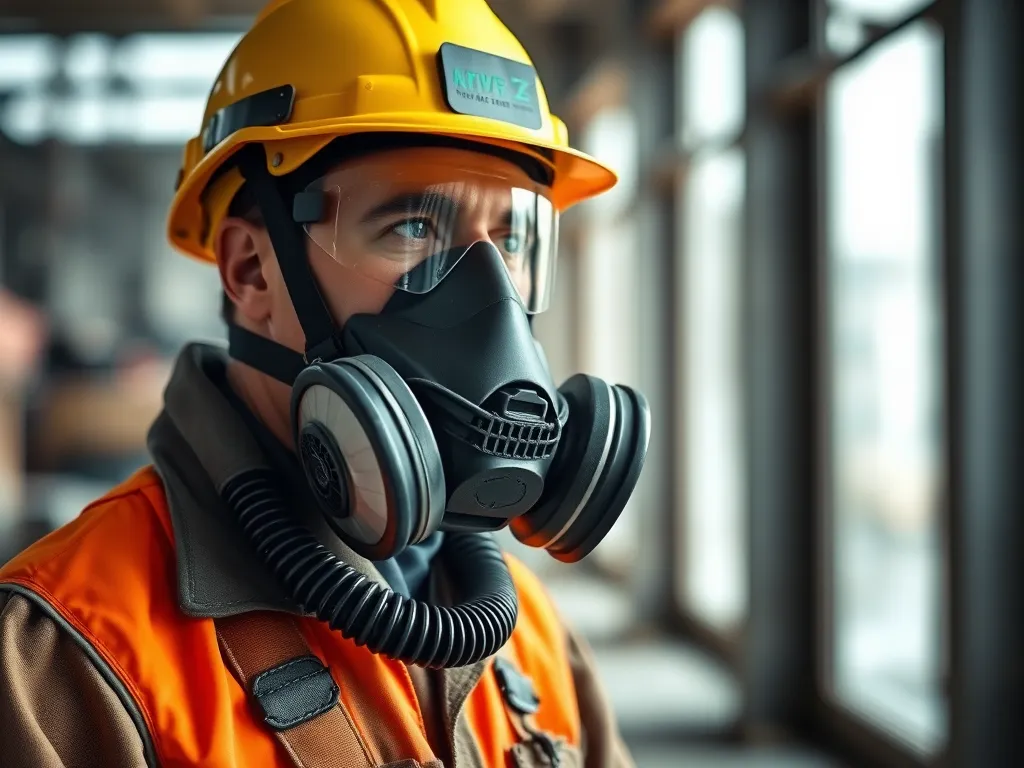
Asphalt fumes harm lungs. Wear NIOSH N95 masks for small jobs. Use powered air systems (PAPRs) for long shifts. Fit-test masks yearly. Change filters every 40 hours or per maker’s guide.
Steel-toe Boots and Protective Headgear
Boots guard feet from hot drops and gear. Pick ASTM F2413-rated styles with slip-proof soles. Hard hats (Type I) shield heads from falls or hits. Inspect boots and hats for damage pre-shift.
PPE works best when paired with safe gear use. Next, we’ll break down how to run heaters and tools without flaws.
Safe Equipment Practices for Asphalt Heating
Proper equipment use forms the foundation of secure operations during asphalt heating. From selection to upkeep, every choice impacts worker well-being.
Selecting Proper Heating Equipment
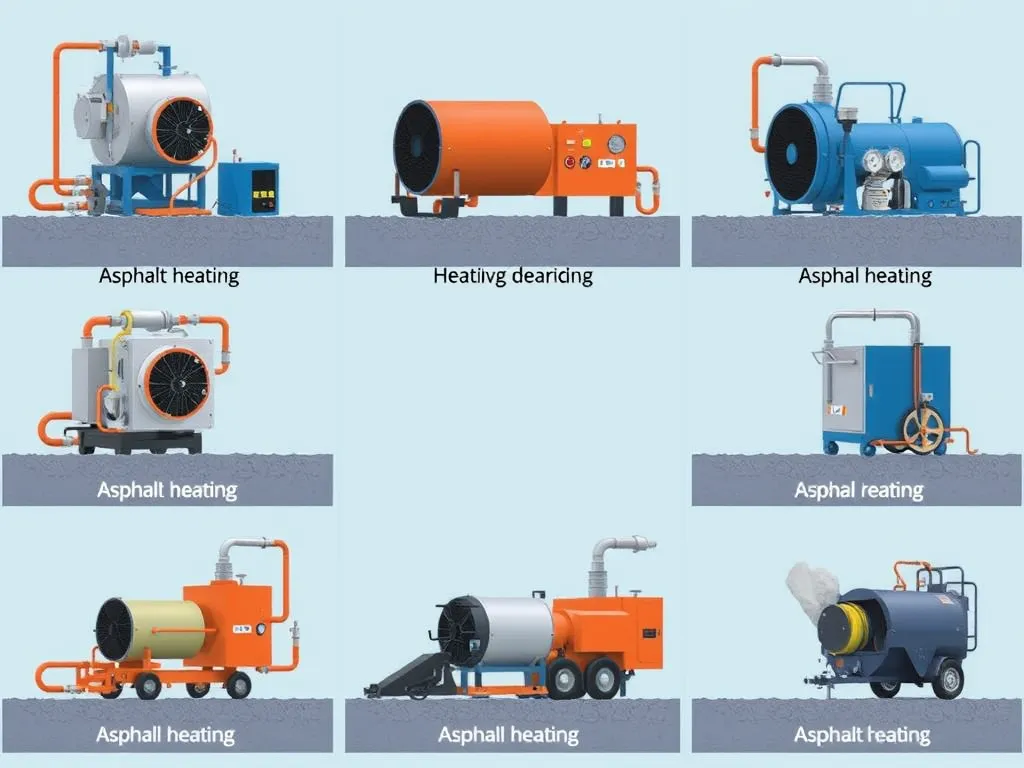
Choose units designed for specific tasks: drum heaters for bulk materials, infrared systems for localized jobs. Verify equipment meets NFPA 58 standards for fuel-powered units. Opt for models with built-in pressure relief valves when working with heated binders like PG 64-22.
Temperature Control Best Practices
Maintain mix between 300°F-350°F using dual thermocouples. Exceeding 400°F risks binder degradation. Automated shutoffs trigger when sensors detect 25°F overshoots. For modified binders, set tolerance bands ±15°F tighter than standard specs.
Maintenance of Asphalt Heating Units
Clean burner nozzles weekly to prevent fuel buildup. Replace worn gaskets every 500 operating hours. Test emergency stop systems monthly. Log oil changes per manufacturer intervals (typically 200-300 hours).
Storage and Handling Of Heating Materials
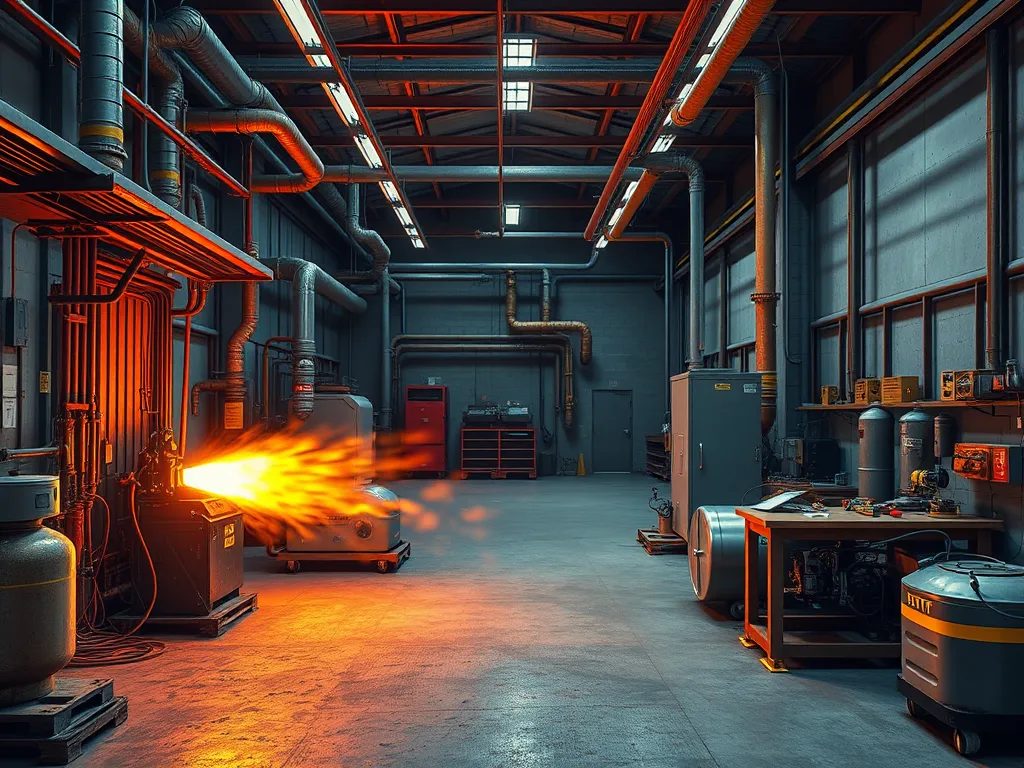
Store propane tanks 50+ feet from ignition sources. Use UL-listed containers for diesel fuel. Keep bitumen storage tanks below 70% capacity to allow thermal expansion. Never place combustible materials within 10 feet of heating units.
Preventing Equipment Malfunction Risks
Inspect hoses for cracks before each shift. Monitor pressure gauges for sudden drops indicating leaks. Install flame failure devices to cut fuel flow if pilot lights extinguish. Schedule thermal imaging scans quarterly to spot electrical faults.
With equipment protocols in place, focus shifts to systematic risk evaluation methods. Next, we’ll examine how structured assessments identify hidden dangers before work begins.
Also See: Guidelines for Successful Multiple Layer Asphalt Applications
Risk Management in Asphalt Heating Processes
Effective risk management separates compliant asphalt heating operations from hazardous ones. Proactive strategies reduce workplace accidents by 60% compared to reactive approaches, based on OSHA data. Systems must align with NFPA 241 standards for fire prevention and NIOSH guidelines for fume control.
Conducting Pre-work Risk Assessments
Assessments must precede every asphalt heating task. Teams evaluate site conditions, equipment status, and crew readiness using standardized checklists. Critical factors include ambient temperature, wind direction, and proximity to ignition sources.
Identifying Job-Specific Hazards
Each project presents unique risks requiring tailored analysis. Common hazards include:
- Flammable vapors near open-flame heaters exceeding 300°F
- Unstable ground surfaces under heated asphalt tanks
- Overhead power lines within 20 feet of material transfer zones
Implementing Hazard Controls
Three-tiered protection systems minimize asphalt heating risks:
- Engineering controls: Automated shutoff valves for temperature spikes above 325°F
- Administrative controls: Mandatory 15-minute cool-down cycles between batches
- PPE reinforcement: Class 2 arc-rated clothing for electrical hazards
Safe Distance Protocols During Heating
Maintain minimum clearance zones during asphalt heating operations:
| Equipment Type | Minimum Safe Distance |
|---|---|
| Propane Torches | 10 feet |
| Diesel Heaters | 15 feet |
| Hot Oil Systems | 25 feet |
Use laser thermometers to monitor surface temps without direct contact. Never permit workers within 3 feet of open heating elements without full-face shields.
Up next: How OSHA-certified training programs turn safety plans into actionable protocols.
Training and Compliance Requirements
Proper instruction ensures workers manage risks tied to high-temperature operations. Compliance with regulations lowers incident rates while maintaining operational efficiency.
OSHA Standards for Asphalt Heating Safety
The Occupational Safety Health Administration (OSHA) sets strict rules under 29 CFR 1926.55 for bitumen heating. Workers must meet criteria for equipment use, ventilation, and exposure monitoring.
Chemical Exposure Limits
OSHA caps worker exposure to 5 mg/m³ for asphalt fumes over 8 hours. Hydrocarbon vapors from heated binders require real-time monitoring using tools like photoionization detectors (PIDs).
Confined Space Entry Procedures
Entry into tanks or mixing units demands permits, forced-air ventilation, and continuous gas testing. Teams must use harness systems with 2,500-lb capacity when working near heated material reservoirs.
Emergency Response Training
Workers complete 40-hour HAZWOPER courses for spill containment and fire suppression. Quarterly drills simulate scenarios like flash fires or equipment failures, focusing on evacuation routes under 30 seconds.
Documentation Of Safety Protocols
Job Safety Analysis (JSA) reports detail step-by-step controls for tasks exceeding 300°F. Digital logbooks track PPE inspections, equipment calibrations, and incident reports per 29 CFR 1904.
With protocols established, teams must next prepare for unexpected crises. Effective response plans turn potential disasters into manageable events.
Emergency Procedures for Asphalt Heating Accidents
Effective emergency protocols separate controlled risks from catastrophic outcomes in asphalt heating operations. Preparation ensures rapid response to burns, fires, or toxic exposures.
First Aid for Burns and Injuries
Cool thermal burns immediately with 60-70°F water for 15-20 minutes. Avoid ice or ointments—they worsen tissue damage. For asphalt-stuck skin, use mineral oil to loosen material. Cover partial-thickness burns (blistered skin) with sterile dressings. Seek ER care for burns larger than 3 inches or full-thickness injuries (charred/white skin).
Train teams in STOP, DROP, and ROLL techniques for clothing fires. Stock first-aid kits with hydrogel burn pads and eyewash stations capable of 15-minute flushes. OSHA 29 CFR 1926.150 mandates accessible kits within 100 feet of hot work zones.
Reporting and Documenting Incidents
Report severe injuries (hospitalization, amputations, eye loss) to OSHA within 24 hours. Document incident details: date/time, equipment involved, witness statements, and photos of hazards. Track asphalt heating temperature safety logs to identify pre-accident anomalies.
Use OSHA Form 301 for injury specifics and Form 300 for annual summaries. Analyze trends—68% of asphalt burns stem from improper PPE use. Update asphalt heating safety precautions after each incident to prevent recurrence.
Evacuation Plans for Fires/fume Exposure
Mark two exit routes from heating areas, clear of equipment obstructions. Designate assembly points 50 feet upwind. Equip zones with air horns (105 dB minimum) for fire alerts. Test CO/fume detectors monthly—PAHs in asphalt vapors exceed 1 ppm during overheating.
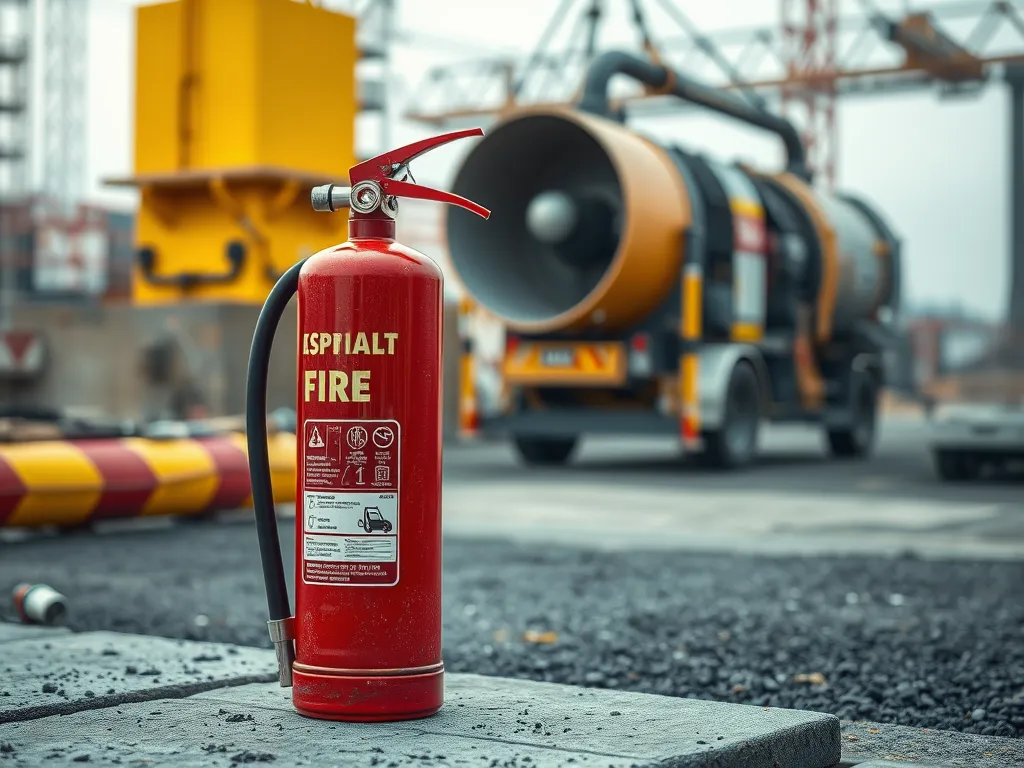
Train workers to recognize fume exposure symptoms: dizziness, throat irritation, or headaches. Use NIOSH-approved SCBA gear for evacuations through smoke. Conduct quarterly drills simulating 300°F asphalt fires. Position Class B fire extinguishers every 75 feet per NFPA 10 standards.
Proactive planning reduces asphalt heating process safety failures by 43%. Up next: balancing operational safety with environmental stewardship through emission controls and waste management.
Environmental Considerations
Managing environmental risks isn’t just regulatory compliance – it directly impacts worker safety during asphalt heating. Uncontrolled emissions or improper waste handling create immediate health hazards and long-term ecological harm.
Minimizing Asphalt Fume Emissions
Asphalt fumes contain polycyclic aromatic hydrocarbons (PAHs) – cancer-causing chemicals that form when bitumen heats above 300°F. Use temperature controls to keep mixes between 300-350°F, the sweet spot for reducing fumes without compromising viscosity. Modern plants integrate LEV (Local Exhaust Ventilation) systems capturing 90%+ of emissions. For field work, NIOSH recommends half-face respirators with P100 filters when fume levels exceed 5 mg/m³. Opt for Warm-Mix Asphalt (WMA) – its additives lower production temps by 50-100°F, cutting emissions by 30-50% compared to traditional hot-mix.
Proper Disposal Of Heated Asphalt Waste
Discarded heated asphalt releases hydrocarbons into soil and water. Recycle 100% of reclaimed asphalt pavement (RAP) – the industry reuses 95 million tons annually, saving $18/ton versus virgin materials. Store waste in sealed containers labeled “Non-Hazardous Asphalt Debris” per EPA 40 CFR Part 261.4(b)(10). Never dump near storm drains – even small asphalt particles can block waterways. For contaminated batches, use EPA-approved thermal desorption units to separate bitumen from aggregates at 450°F for reuse.
These protocols don’t just protect ecosystems – they prevent worksite fires, chemical burns, and respiratory incidents. Up next: Answers to the most critical questions about asphalt heating safety.
FAQs: Asphalt Heating Safety
What Are Critical Safety Precautions for Asphalt Heating?
Critical safety precautions for asphalt heating include ensuring a safe distance from flammable materials, using appropriate PPE, conducting regular equipment inspections, and implementing strict temperature controls. Additionally, following OSHA guidelines and conducting risk assessments before work helps mitigate hazards.
What PPE is Required for Asphalt Work?
Required PPE for asphalt work includes heat-resistant gloves, safety goggles, face shields, respiratory protection, steel-toe boots, and protective headgear. Each item should be compliant with relevant safety standards to effectively protect workers from the hazards associated with asphalt heating.
How to Safely Cut Heated Asphalt?
When cutting heated asphalt, ensure the material is at a safe temperature and use appropriate cutting tools designed for hot materials. Always wear protective gear, including heat-resistant gloves and goggles, and ensure that a fire extinguisher is readily available nearby in case of sparks.
How to Conduct a Risk Assessment for Asphalt Heating?
To conduct a risk assessment for asphalt heating, evaluate the worksite for hazards related to equipment, material handling, and environmental conditions. Identify potential risks such as flammable materials, equipment malfunctions, and exposure to hazardous fumes. Document findings and implement preventive measures based on the identified risks.
Closing Thoughts
Ensuring safety during asphalt heating processes is paramount. Awareness of hazards like fire risks, fume exposure, and equipment dangers is crucial for worker protection. Employing the right personal protective equipment (PPE), including heat-resistant gloves, safety goggles, and respiratory gear, can significantly reduce accidents.
Regular equipment maintenance, safe handling practices, and rigorous risk management protocols strengthen safety. Ongoing training aligned with OSHA standards empowers teams to respond swiftly to emergencies. Commitment to safe procedures isn’t just compliance; it’s a responsibility that safeguards lives.
For more insights and tools related to asphalt safety and heating processes, visit Asphalt Calculator USA.
Useful References for You:
- Yoder, E. J., & Witczak, M. W. (1975). Principles of Pavement Design (2nd ed.). New York, NY: Wiley.
- Asphalt (Bitumen) Fumes – Possible Solutions | Occupational Safety and Health Administration
- Working with Asphalt: Hazards and Safety Measures
- Asphalt (Bitumen) Fumes – Hazard Recognition | Occupational Safety and Health Administration
- eLCOSH : Asphalt Training Guide