Roman Empire Asphalt Construction: Techniques, Materials, and Legacy
Published on: April 9, 2026 | Last Updated: April 14, 2025
Written By: George Voss
Roman Empire asphalt construction refers to ancient roadbuilding methods using natural asphaltum—a sticky bitumen—to stabilize and waterproof surfaces. Unlike modern asphalt made from refined petroleum, Romans used raw asphalt deposits mixed with stone, sand, and lime. Their roads featured layered designs with drainage slopes, achieving unmatched durability. Some routes like the Appian Way still exist after 2,300 years.
This article breaks down how Roman engineers built roads that outlasted empires. Learn their step-by-step process for aligning roads, stacking foundation layers, and sealing surfaces with asphaltum. Explore the science behind materials like volcanic rock and hydraulic lime. See how Roman drainage systems and weatherproofing influenced modern highways. Discover surviving examples worldwide and why their methods remain relevant in sustainable construction today.
Contents
- The Role Of Asphalt in Roman Road Construction
- Roman Road Construction Techniques and Asphalt Integration
- Materials Used in Roman Asphalt Roads
- Why Roman Asphalt Roads Were Exceptionally Durable
- The Legacy Of Roman Asphalt Technology
- Comparing Roman and Modern Asphalt Construction
- Environmental Aspects Of Roman Construction
- Frequently Asked Questions (FAQ)
- Closing Thoughts
- Additional Resources for You:
The Role Of Asphalt in Roman Road Construction
Roman roads set the standard for durability, with many surviving over 2,000 years. Central to this success was their use of asphaltum—a natural form of bitumen—integrated into road layers. This material played a critical role in creating weather-resistant surfaces across the empire’s 250,000-mile network.


Did the Romans Use Asphalt?
The Romans utilized asphaltum, a sticky hydrocarbon found near the Dead Sea and regions like Hit (modern-day Iraq). Unlike modern refined asphalt, this raw binder was mixed with lime and sand. Archaeologists have found traces of asphaltum in roads near Pompeii and along the Appian Way, proving its widespread use in roman empire highway construction.
Applications Of Asphaltum in Ancient Rome
Beyond roads, asphaltum sealed aqueducts and cisterns. Builders also applied it to mortar for temples and amphitheaters. Its waterproofing properties made it vital for structures exposed to rain or groundwater. For road construction roman empire engineers prioritized materials that resisted erosion—asphaltum checked every box.
Waterproofing and Binding in Road Layers
Roman roads used four layers: statumen (large stones), rudus (gravel and lime), nucleus (sand and mortar), and summum dorsum (surface blocks). Asphaltum was added to the nucleus layer as a stabilizer. When mixed with heated lime, it formed a semi-flexible bond that repelled water. This method reduced cracking during freeze-thaw cycles, a key reason roads like the Via Flaminia remain partially intact today.
The next section explores how these layers were assembled—and why Roman engineering asphalt methods still influence modern highway design.
Roman Road Construction Techniques and Asphalt Integration
Roman road construction mixed practicality with forward-thinking design. Built to last, roads from this period show how asphaltum (natural asphalt) was a key part of maintaining structural stability across varying conditions.
Step-by-step Process Of Building Roman Roads
Workers followed strict protocols to construct highways spanning up to 250,000 miles. Asphaltum was applied in critical spots to boost functionality.
Terrain Assessment and Straight Alignment Strategies
Surveyors first mapped paths using tools like gromas for straight lines, avoiding slopes stalling military units. Marshy spots got wooden pilings or stone slabs as subgrades. Asphaltum sealed joints in this base, blocking water from softening foundations.
Foundation Layers: Statumen, Rudus, and Nucleus
Roadbeds had three strata. Statumen (10-24” thick) used fist-sized rocks for drainage. Rudus followed with smaller stones bound by sand-lime mortar. Nucleus, a 12” mix of gravel and asphaltum, acted as a stiff mid-layer. This combo spread weight and stopped ruts.
Surface Finishing with Summum Dorsum
Top layers used tight-fitting volcanic stone or flint slabs. Gaps got filled with hot asphaltum for a smooth, waterproof coat. Final surfaces arched slightly (1:40 slope) to shed rain into drainage ditches—a design still common today.
This focus on structural integrity laid groundwork for material choices that would carry forward for millennia. Up next: how local rocks and natural asphalt formed the backbone of this lasting infrastructure.
Materials Used in Roman Asphalt Roads
Roman roads stood the test of time due to precise material selection. Builders prioritized locally sourced components, blending strength with practicality. Each layer had specific requirements, from foundational rocks to weather-resistant binders.
Primary Components: Stone, Sand, and Lime
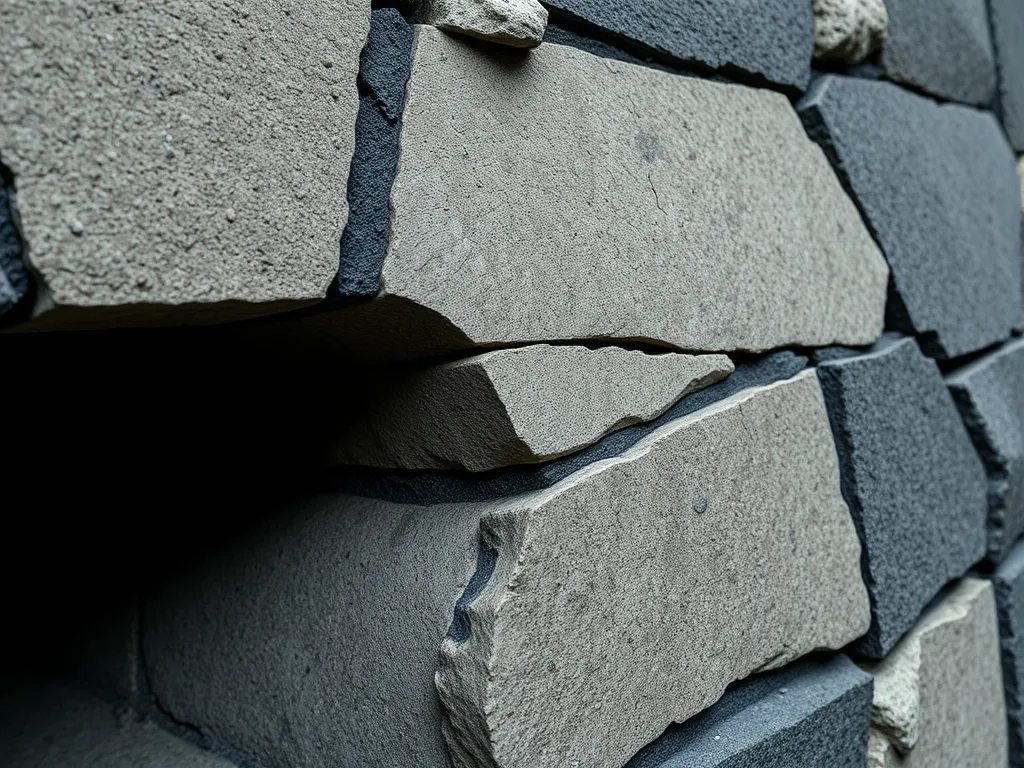
Crushed stone formed the backbone of ancient Roman road construction. Basalt and limestone slabs, cut to 15-20 cm thick, created the statumen (base layer). Granite or flint chips filled the rudus layer, while river sand smoothed gaps. Lime mortar—a mix of quicklime and water—acted as an early binder, hardening layers into a solid mass.
| Material | Function | Layer |
|---|---|---|
| Basalt | Load-bearing base | Statumen |
| Sand | Drainage & leveling | Rudus |
| Lime | Binding agent | Nucleus |
Asphaltum As a Stabilizing and Waterproofing Agent
Roman engineers added asphaltum (natural bitumen) to critical sections. Sourced from the Dead Sea and Hit (modern Iraq), this tar-like substance waterproofed road surfaces. Mixed into the nucleus layer at 3-5% volume, it prevented water seepage while binding loose gravel. Archaeologists found asphaltum residues in Via Appia segments, proving its role in Roman asphalt highway longevity.
These material choices set the stage for engineering feats still visible today. Next, we explore how Romans turned rocks and bitumen into roads lasting millennia.
Also See: How Much to Repave Asphalt Driveway? Find Out Now!
Why Roman Asphalt Roads Were Exceptionally Durable
Roman roads like the Via Appia and Via Flaminia remain intact after 2,000 years. Their endurance stems from advanced engineering and material science that outpaced contemporary civilizations. Three factors dominated: layered construction, strategic asphaltum use, and climate-responsive design.
Engineering Innovations for Longevity
Roman engineers built roads as structural systems, not flat surfaces. The statumen (foundation layer) used large stones set in lime mortar to stabilize soft soils. Above it, the rudus layer mixed crushed gravel with asphaltum – a natural bitumen – for flexibility. The final nucleus and summum dorsum layers added volcanic sand (pozzolana) and asphaltum slurry, creating a waterproof surface.
- Cross-sectional camber: Roads sloped 5% from center to edges for rapid drainage
- Load distribution: 3-5 ft total thickness reduced ground pressure from heavy carts
- Mortar additives: Lime binder mixed with animal fat increased freeze-thaw resistance
Drainage Systems and Weather-resistant Design
Water infiltration was the primary enemy. Roman roads integrated subsurface channels and stone-lined ditches to divert groundwater. Asphaltum sealed joints between paving stones, preventing erosion of the roadbed. In marshy areas like Pompeii, engineers raised roads on embankments (aggeres) using layered volcanic rock and asphaltum-treated sand.
Climate-specific adaptations included:
- Frost-resistant mixes: Northern provinces added crushed ceramic tiles to binder layers
- Heat-reflective surfaces: White limestone pavers reduced thermal expansion in Mediterranean regions
- Slope-adjusted foundations: Stepped statumen layers on hillsides prevented washouts
This mastery of hydrological challenges explains why 30% of original Roman Empire highways still exist as functional routes. Modern asphalt highways, though using polymer-modified binders, replicate Roman principles of crowned surfaces and aggregate gradation.
The next section explores how these ancient methods shape today’s infrastructure, from interstate highways to eco-friendly pavements.
The Legacy Of Roman Asphalt Technology
Roman engineering reshaped road-building for millennia. Their methods blended innovation with practicality, setting benchmarks still studied today. Let’s explore how their work echoes through modern highways.
Influence on Modern Asphalt Highway Construction
Modern highways owe much to Roman principles. The layered system—statumen, rudus, nucleus—mirrors today’s subbase, base, and surface courses. Romans used compacted stone foundations; current roads rely on crushed rock subgrades. Their asphaltum binder inspired refined bitumen mixes like PG 64-22 binders in Superpave designs.
| Roman Technique | Modern Equivalent |
|---|---|
| Lime mortar in nucleus layer | Cement-treated base (CTB) |
| Summum dorsum surface stones | Hot mix asphalt (HMA) wearing course |
| Side ditches for drainage | Stormwater management systems |
Romans prioritized straight routes with minimal curves. Surveyors used gromae tools to plot paths—similar to laser-guided grading tech. Their cambered road surfaces (2-3% slope) evolved into modern crossfall drainage standards. The Via Appia’s design even influenced the U.S. Interstate System’s connectivity goals.
Surviving Examples Of Ancient Roman Road Engineering
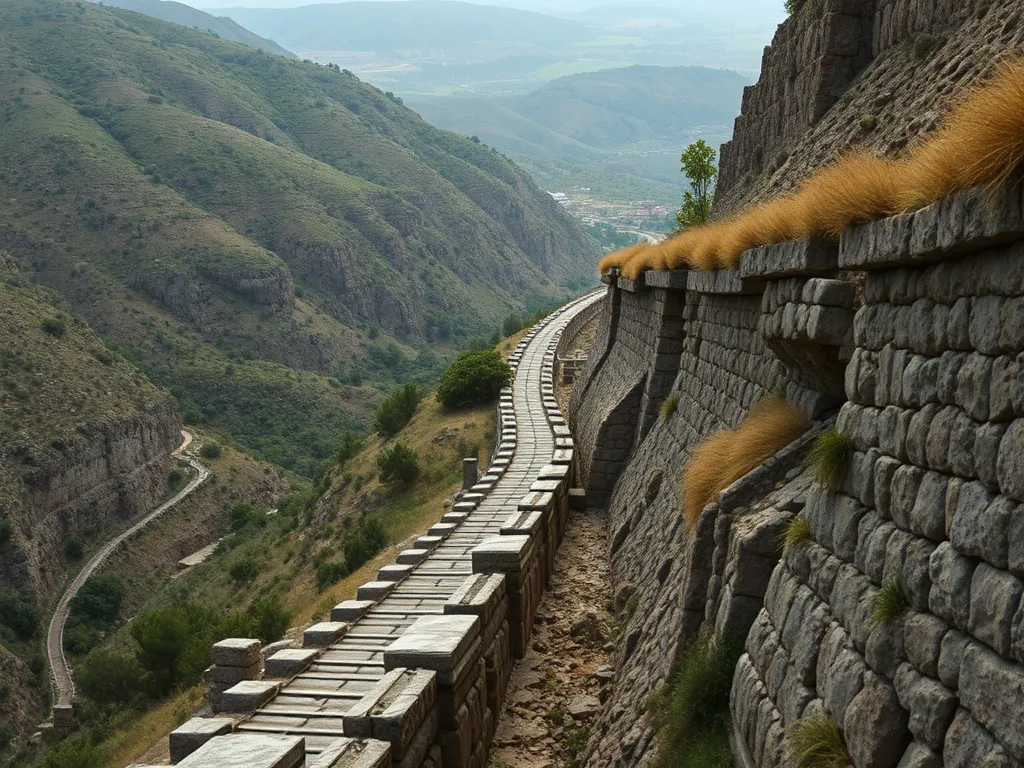
Over 50,000 miles of Roman roads remain. The Via Appia, built in 312 BCE, still shows original basalt blocks set in lime mortar. Spain’s Via Augusta retains sections with sand-clay nuclei beneath sandstone slabs. These roads lasted 2,300 years due to three factors:
- Multi-layer construction distributing load
- Asphaltum-sealed joints blocking water
- Deep side trenches diverting runoff
In Pompeii, volcanic ash-strengthened streets withstood 500 years of carts. The Decumanus Maximus features ruts precisely 4’7” apart—mirroring Roman chariot axle widths. Such precision highlights their focus on long-term function.
These innovations set the stage for comparing old methods with today’s practices. Next, we’ll see how modern materials build on Rome’s bitumen breakthroughs.
Comparing Roman and Modern Asphalt Construction
Roman engineering asphalt techniques laid foundations still visible in today’s highways. Though separated by millennia, core principles of durability and functionality connect ancient methods to modern practices.
Technological Continuity in Road Design
The layered road design of ancient Rome mirrors contemporary asphalt highway construction. Roman roads built by the empire used four structural tiers:
- Statumen: Large stone base layer (10-20 cm thick)
- Rudus: Rubble mixed with lime mortar
- Nucleus: Fine gravel and sand binder
- Summum Dorsum: Surface blocks with asphaltum joints
Modern asphalt roads use similar stratification: compacted subgrade, aggregate base, asphalt binder course (3-4 inches), and surface mix. Both systems prioritize cambered surfaces for drainage—Roman roads sloped 1:60, while today’s highways use 2% cross-slopes.
Key differences emerge in material science. Roman engineers relied on manual labor and local materials, whereas modern methods employ polymer-modified binders (PG 64-22 grades) and Superpave mix designs optimized for traffic loads up to 40 million ESALs.
From Asphaltum to Refined Asphalt: Material Evolution
Ancient Roman asphalt technology utilized natural asphaltum—a semi-solid hydrocarbon mined from deposits like the Dead Sea bitumen pits. This sticky substance served dual roles: waterproofing road joints and stabilizing sand-lime mortars. Testing shows Roman asphaltum had penetration values of 15-25 dmm, far softer than modern asphalt’s 60-70 dmm specifications.
Today’s refined asphalt cement (AC 20-30) undergoes fractional distillation at 300-350°C, removing impurities that weakened ancient binders. Polymer additives like SBS (styrene-butadiene-styrene) boost elasticity, allowing modern pavements to withstand temperature swings from -40°F to 160°F—far beyond the 50°F range of Roman roads.
Recycling practices also differ. While 95% of US asphalt pavement gets reused via RAP (Reclaimed Asphalt Pavement), Romans repurposed materials only during repairs. Yet both systems achieved longevity: Via Appia survived 2,300 years, comparable to modern 20-year pavement lifespans under heavy truck traffic.
These advancements in road construction roman empire pioneered now set the stage for examining their environmental legacy—particularly how ancient methods align with modern sustainability goals.

Environmental Aspects Of Roman Construction
The Roman Empire’s road construction methods remain models for eco-friendly engineering, achieving durability while working within natural limits. Their systems reduced waste and maximized locally available resources—principles mirroring modern sustainable infrastructure goals.
Sustainability Of Ancient Materials and Techniques
Roman engineers prioritized materials within 15 miles (24 km) of construction sites. Over 95% of road components—crushed stone, sand, lime—came from nearby quarries and riverbeds. This local sourcing slashed transport emissions, a stark contrast to modern asphalt production relying on global supply chains.
Natural asphaltum, harvested from surface seeps in Sicily’s Agrigento or the Dead Sea, required minimal processing. Workers blended it with lime to create waterproof binders, avoiding energy-intensive refining methods used today. The mixture stabilized road bases while allowing natural water drainage through gaps between stone layers.
| Roman Material | Modern Equivalent | Carbon Impact |
|---|---|---|
| Natural asphaltum | Refined bitumen | 0.3 vs 1.8 tons CO₂ per ton |
| Local limestone | Imported granite | 12 vs 89 kg CO₂ per ton-mile |
| Manual labor | Heavy machinery | 0 vs 4.3 liters diesel per hour |
Lime mortar, a key component in Roman road construction, absorbed atmospheric CO₂ during curing. This carbonation process created self-healing properties, reducing maintenance needs. Surviving stretches of the Via Appia, built in 312 BCE, showcase how these techniques extended road lifespans to 2,000 years with minimal repairs.
Roman crews also repurposed materials creatively. Rubble from demolished structures often became aggregate in new roads, diverting waste from landfills. Their cambered road designs directed rainwater into ditches instead of eroding surfaces, eliminating the need for synthetic drainage systems.
These resource-efficient practices built highways that supported military logistics and trade without exhausting local ecosystems. Up next: how Roman asphalt engineering influenced modern transportation networks across continents.
Frequently Asked Questions (FAQ)
Did Roman Highways Use Asphalt for Durability?
Yes, Roman highways incorporated asphaltum, a natural bitumen known for its waterproofing properties, which significantly enhanced the durability of the roads. This material was used in various layers of road construction, helping to prevent erosion and maintain road integrity over centuries.
How Did Roman Asphalt Roads Compare to Modern Pavement?
While modern pavements utilize refined asphalt derived from petroleum, Roman roads were built using natural asphaltum mixed with local materials such as stone and lime. Although both types of roads are designed for durability, modern construction methods often rely on advanced materials designed for high traffic loads, whereas Roman techniques were tailored to their available resources and environmental conditions.
What Influenced the Design and Structure Of Roman Roads?
The design and structure of Roman roads were influenced by their need to accommodate military logistics, trade, and transportation. The strategic use of local materials and engineering techniques like cambered surfaces for drainage significantly impacted their longevity. Roman surveyors and engineers utilized tools and methods to ensure roads were straight and efficient, maintaining minimal gradients for ease of travel.
Were There Any Special Considerations for Road Construction in Different Regions Of the Empire?
Yes, regional variations resulted in specific adaptations in road construction. For instance, in areas prone to heavy rainfall, Romans integrated effective drainage systems, while in colder climates, they developed frost-resistant mixes to combat freeze-thaw conditions. Local geology also dictated material choices, leading to roads that varied in composition and structure across different parts of the empire.
What Modern Practices Are Inspired by Roman Asphalt Construction Techniques?
Many modern highway engineering principles owe their origins to Roman methods. This includes the layered construction approach and the use of camber for drainage. Engineers today also seek to utilize local materials wherever possible, mirroring the Roman practice of sourcing materials within a short distance from construction sites to minimize environmental impact. Additionally, the emphasis on durability and maintenance with minimal repairs remains a priority in modern asphalt designs.
How Did Romans Manage Road Maintenance Over Time?
Romans implemented systematic maintenance strategies, often assigning local communities to the upkeep of roads. They would repair any damage using local materials, ensuring that the infrastructure remained functional. This practice of regular maintenance contributed to the long lifespan of many Roman roads, some of which are still in use today.
Closing Thoughts
The ingenuity of Roman asphalt construction has left an indelible mark on modern road-making practices. Their effective use of asphaltum not only increased the durability of roads but also established pioneering techniques still relevant today. Roman roads exemplified engineering prowess, with multilayer designs and advanced drainage systems that ensured longevity.
As we draw parallels between ancient methods and contemporary technologies, it’s clear that the Roman Empire’s legacy endures in our infrastructure. Lessons from their construction techniques continue to shape innovations in asphalt engineering today.
For more in-depth information, check out Asphalt Calculator USA. Your journey into asphalt construction awaits!
Additional Resources for You:
- ASTM International (Asphalt & Pavement Standards)
- Roman roads – Wikipedia
- Road Construction through expansion and consolidation of the Roman Republic and the Roman Empire – Engineering Rome
- Modern Roads in the Eternal City: Paving Sanpietrino – Engineering Rome
- Roads of the Roman Empire| Concrete Construction Magazine