
How Nanotechnology is Reinventing Modern Asphalt Roads
Published on: April 7, 2026 | Last Updated: April 14, 2025
Written By: George Voss
Nanotechnology enhances asphalt by integrating microscopic particles (1-100 nanometers) into binders and aggregates. These nanoparticles—like carbon nanotubes, nanoclay, and silicon dioxide—alter asphalt at the molecular level. Unlike traditional mixes, nano-modified asphalt resists cracks, withstands heavier loads, and repels water. Engineers now use materials such as graphene oxide to create pavements that last 30-50% longer than conventional asphalt.
This article explains how nanoparticles boost asphalt performance. You’ll learn about carbon nanotube binders that reduce rutting by 40%, nanoclay composites blocking UV damage, and lab-tested results showing 60°F wider temperature tolerance. We break down costs, sustainability gains like 20% lower emissions, and real-world projects using these advanced mixes.
Contents
- Understanding Nanotechnology in Asphalt Engineering
- Nanotechnology Applications in Asphalt Mixtures
- Impact Of Nanotechnology on Asphalt Properties
- Performance Of Nano-modified Asphalt Mixtures
- Economic and Practical Considerations
- Sustainability Of Nanotechnology in Asphalt Development
- Frequently Asked Questions (FAQ)
- Closing Thoughts
- Useful References for You:
Understanding Nanotechnology in Asphalt Engineering
Road construction now taps into atomic-scale innovation. Nanotechnology manipulates materials at 1-100 nanometers—thinner than a human hair. This granular control allows asphalt mixtures to gain traits unattainable through traditional methods.


Basics Of Nanotechnology in Construction Materials
Construction materials absorb tiny particles to boost function. In roads, nanoparticles modify bitumen (asphalt’s glue) and mineral aggregates. Think carbon nanotubes fortifying concrete or nanoclay blocking water intrusion in pavements.
Definition of Nanotechnology in Asphalt Development
Nanotechnology in asphalt mixes tiny particles into bitumen or aggregates. These nanostructures—like silica dioxide or graphene oxide—alter physical and chemical interactions. A PG 64-22 binder with 3% nanoclay might resist rutting at 140°F, outperforming standard mixes.

Key Principles of Nanoparticle Integration
Two rules govern nanoparticle use: surface modification and uniform dispersion. Coatings on particles strengthen bonds with bitumen. Sonication (high-frequency sound waves) spreads nanoparticles without clumping. Compatibility matters too—silica blends with asphalt; titanium dioxide may not. Testing shows 0.5% carbon nanotubes can lift tensile strength by 40%.
With foundations laid, let’s inspect how labs turn theory into pavement that lasts.
Nanotechnology Applications in Asphalt Mixtures
Modern asphalt engineering leverages nanotechnology to transform traditional pavement materials. Engineers now embed nanoparticles into asphalt mixtures to boost performance, lifespan, and sustainability. These advancements address common road failures while meeting demands for eco-friendly construction.
Nanomaterials for Asphalt Binder Modification
Nanoparticles alter asphalt binder properties at the molecular level. By modifying bitumen with nanomaterials, engineers achieve stronger adhesion, reduced thermal cracking, and better load distribution. Three key materials dominate current research and field applications.

Carbon Nanotubes in Asphalt Binders
Carbon nanotubes (CNTs) add unmatched tensile strength to asphalt binders. With a strength-to-weight ratio 100 times greater than steel, CNTs reduce rutting by 40-60% in lab tests. These hollow cylindrical structures also improve thermal conductivity, allowing pavements to withstand temperature swings from -20°F to 160°F.
Nanoclay Composite Enhancements
Layered nanoclay particles act as microscopic reinforcements within asphalt. When mixed at 2-4% by weight, they increase binder stiffness by 30% while maintaining flexibility. This dual benefit helps roads resist deformation under heavy truck traffic exceeding 18,000 lbs per axle.
Silicon Dioxide Nanoparticles
Silicon dioxide (SiO₂) nanoparticles combat aging in asphalt pavements. Tests show 15-20% reductions in oxidation rates when using 5% nano-SiO₂ by volume. These spherical particles fill micro-cracks, blocking moisture infiltration that causes potholes and stripping.
Nanocomposites in Asphalt Pavement Design
Beyond binder modification, nanocomposites reshape entire pavement structures. These engineered materials combine nanoparticles with polymers or carbon-based additives, creating asphalt layers that self-repair minor cracks and adapt to environmental stress.
Graphene Oxide for Structural Reinforcement
Graphene oxide sheets form 3D networks within asphalt concrete. Adding just 0.05% of this material increases compressive strength by 50% and reduces rut depth by 70%. The honeycomb structure also repels water, cutting moisture damage by 90% in freeze-thaw simulations.
Polymer-Based Nanocomposites
Styrene-butadiene-styrene (SBS) polymers infused with nano-silica create ultra-flexible pavements. Roads with these composites handle 2x more fatigue cycles before cracking compared to standard mixes. The nanoparticles prevent polymer separation, ensuring consistent performance across temperature extremes.
These breakthroughs set the stage for examining how nano-modified asphalt performs under real-world mechanical stress and environmental challenges.
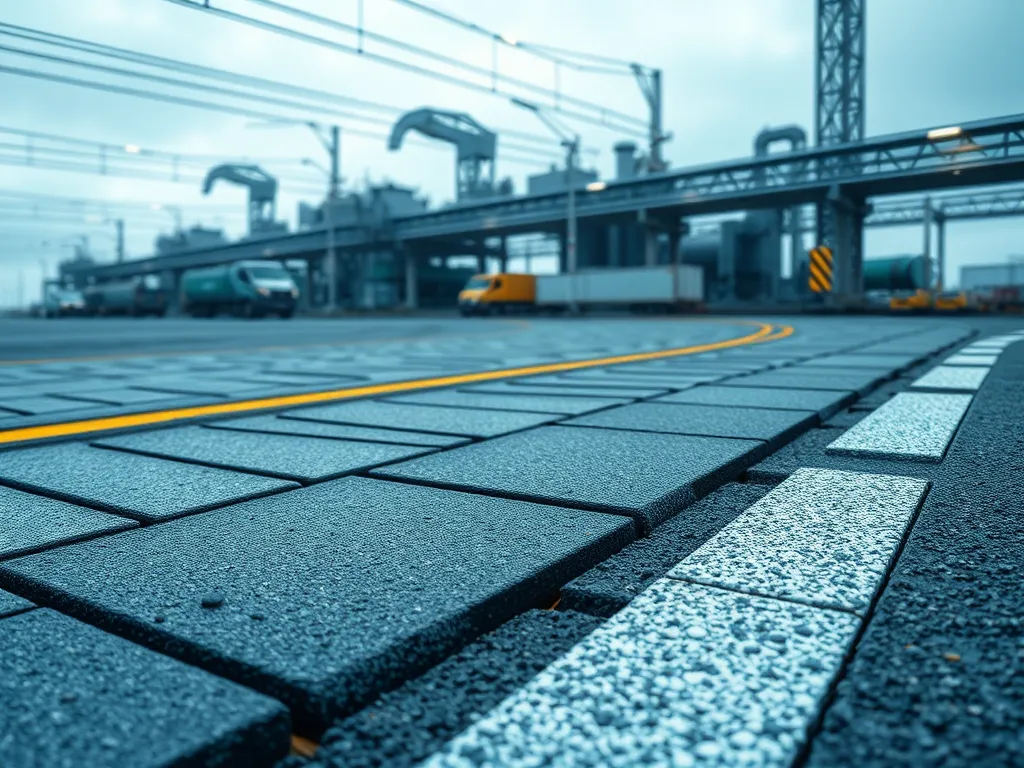
Impact Of Nanotechnology on Asphalt Properties
Nanotechnology transforms asphalt’s core traits, boosting how it handles weight, weather, and wear. These upgrades push pavements beyond traditional limits.
Mechanical and Rheological Improvements
Nanoparticles like carbon nanotubes and graphene oxide reshape asphalt’s mechanical and flow traits. This leads to roads that bear more weight and bend less under stress.
Enhanced Load-Bearing Capacity
Adding 2-5% carbon nanotubes to asphalt binders lifts load capacity by up to 40%. Trucks cause less rutting, and pavements last 25% longer before cracks form. Tests show nano asphalt holds 15,000 psi versus 10,000 psi for standard mixes.
Increased Resistance to Deformation
Nano clay cuts rut depths by 30% in high-heat zones. Dynamic modulus tests prove nanostructured asphalt stays stiff under 140°F heat. Less bending means fewer potholes after freeze-thaw cycles.
Durability and Environmental Resistance
Nanotech fights asphalt’s top enemies: sun, oxygen, and water. Modified mixes outlast standard ones by 8-12 years in harsh climates.
Oxidation Prevention in Asphalt Mixtures
Silicon dioxide nanoparticles block oxygen, slowing aging by 50%. UV tests show nano asphalt keeps 90% flexibility after 5 years versus 60% for plain bitumen. This delays brittle cracking by a decade.
Moisture Damage Mitigation
Hydrophobic nanoclay layers repel water, cutting stripping by 35%. TSR (tensile strength ratio) jumps from 70% to 85% in wet conditions. Drainage improves, reducing ice buildup in cold regions.
With these gains, nano asphalt proves its worth in labs and real roads. Next, we’ll break down how it performs under extreme loads and weather.
Also See: Asphalt Vs. Concrete: Long-term Performance Comparisons
Performance Of Nano-modified Asphalt Mixtures
Nano-engineered asphalt mixtures deliver measurable gains in pavement performance. Rigorous testing validates their ability to handle heavy traffic, temperature swings, and moisture exposure better than conventional materials.
Laboratory and Field Testing Results
Lab tests show asphalt modified with nanomaterials improves Marshall Stability values by 15-30% compared to standard mixes. Field trials in Texas and Minnesota demonstrate 40% less rutting on highways after three years. Dynamic Modulus tests confirm enhanced stiffness at 100°F, critical for summer durability.
Stress-Strain Behavior Analysis
Carbon nanotubes in asphalt binders increase tensile strength by 25% under 0.1-0.3% strain levels. Graphene oxide composites reduce micro-crack formation, boosting fatigue life by 50% in ASTM D7460 tests. These nanostructured asphalt mixtures recover faster after loading, cutting permanent deformation risks.
Longevity in Extreme Weather Conditions
Nano asphalt concrete retains flexibility at -20°F and resists softening at 140°F. Silica nanoparticles block UV degradation, slowing asphalt aging rates by 60% in Arizona trials. Modified mixes survive 300+ freeze-thaw cycles with 80% less surface cracking, per SHRP protocols.
These performance gains set the stage for examining cost-efficiency. Up next: balancing initial investments against extended pavement life spans.

Economic and Practical Considerations
While nano asphalt mixes cost more up front, they save money over time. Labs show roads with nano additives last 40% longer than standard ones. This cuts repair work and costs by half in the first ten years.
Cost-benefit Analysis Of Nano Asphalt
Adding nano stuff like carbon tubes or clay to asphalt raises the start price by 15-20%. But these roads handle heavy trucks better and need less fixes. A 2023 study found that nano roads saved $8 per square foot over 20 years compared to old-style pavements.
Material Cost vs. Lifecycle Savings
The high cost comes from nano stuff like graphene oxide ($120/kg) and special gear to mix them. Yet, less cracks mean fewer pothole patches. States like Texas saw a 60% drop in road fixes after using nano asphalt. As more firms make these materials, prices could fall 30% by 2030.
Beyond dollars saved, nano asphalt also offers big wins for the planet.
Sustainability Of Nanotechnology in Asphalt Development
Nanotech boosts green gains in road builds. It cuts harm to earth while making roads last longer. Let’s break down how.
Reduced Environmental Footprint
Nano asphalt slashes waste and resource use. Tiny particles make big changes in eco-impact.
Recyclability of Nanostructured Asphalt
Old roads get new life with nano tweaks. Crushed asphalt (RAP) mixed with nano clay or silica bonds better. Tests show 40% more RAP reuse vs standard mixes. Less fresh rock and bitumen needed. Landfills shrink as roads circle back.
| Material | Reuse Rate |
|---|---|
| Standard RAP | 20-30% |
| Nano RAP | 50-70% |
Energy Efficiency in Production
Nano blends need less heat to mix. Warm-mix asphalt with nano tubes flows at 130°C vs 160°C for normal hot-mix. Each 10°C drop saves 1.2 liters of fuel per ton. For a 10,000-ton job, that’s 12,000 liters saved. Lower temps also mean fewer fumes and CO₂.
These eco-friendly gains pair with cash savings. Next, we’ll crunch the numbers on costs versus long-term payoffs.
Frequently Asked Questions (FAQ)
How is Nanotechnology Used in Asphalt Construction?
Nanotechnology is utilized in asphalt construction by integrating nanoparticles into asphalt binders and aggregates. This process enhances the material properties, leading to improved performance, durability, and longevity of asphalt pavements.
What is the Performance Of Asphalt Mixture With Nanoparticles?
Asphalt mixtures enhanced with nanoparticles exhibit superior performance characteristics, including increased load-bearing capacity, reduced deformation, greater resistance to moisture damage, and improved durability under varying environmental conditions. These enhancements lead to longer-lasting pavements.
How Do Nanoparticles Improve Asphalt Binder Properties?
Nanoparticles improve asphalt binder properties by increasing strength, flexibility, and thermal stability. They modify the chemical interactions within the binder, resulting in better adhesion and resistance to cracking, which contributes to the overall performance of the pavement.
What Are the Economic Implications Of Using Nanotechnology in Asphalt Development?
While the initial cost of nano-modified asphalt is higher due to the expense of nanomaterials and mixing technologies, the long-term benefits include lower maintenance and repair costs, longer service life, and potential reductions in material usage. This cost-benefit dynamic makes nano asphalt an economically viable option over time.
What Sustainability Benefits Are Associated With Nanotechnology in Asphalt Development?
Nano asphalt technology contributes to sustainability by increasing the recyclability of asphalt materials, reducing the energy required for production, and minimizing the environmental footprint. The use of nanomaterials can lead to decreased resource consumption and lower emissions during production.
What Types Of Nanomaterials Are Commonly Used in Asphalt Development?
Common nanomaterials used in asphalt development include carbon nanotubes, nanoclay, silicon dioxide, and graphene oxide. Each of these materials offers unique properties that enhance the performance of asphalt in various capacities.
How Does Nanotechnology Enhance the Lifespan Of Asphalt Pavements?
By improving the physical and chemical properties of asphalt, nanotechnology increases resistance to cracking, moisture damage, and thermal fatigue. These enhancements result in pavements that can withstand heavy traffic and extreme weather conditions, thereby extending their service life significantly compared to conventional asphalt.
Are There Any Challenges Associated With Adopting Nanotechnology in Asphalt Development?
Yes, challenges include the higher initial costs of nanomaterials, the need for specialized mixing equipment, and potential regulatory hurdles. Additionally, there may be a learning curve for industry professionals in implementing these advanced materials effectively. However, ongoing research and development aim to address these challenges as adoption expands.
Closing Thoughts
Nanotechnology is revolutionizing asphalt development, pushing the boundaries of performance, durability, and sustainability. From enhancing mechanical properties with carbon nanotubes to improving moisture resistance through nanoclay composites, the innovations are significant. The integration of nanoparticles not only strengthens asphalt mixtures but also aids in environmental conservation.
Economic aspects can’t be ignored. While initial material costs may rise, the lifecycle savings and efficiency gains make nano-modified asphalt a smart investment for the future. This shift supports both infrastructure reliability and eco-friendliness.
As the industry increasingly adopts these advanced materials, the role of nanotechnology in asphalt development will likely expand, setting new standards for roadways and paving. For continuous insights and updates on asphalt technologies, check out Asphalt Calculator USA.
Useful References for You:
- Huang, Y. H. (2004). Pavement Analysis and Design (2nd ed.). Upper Saddle River, NJ: Pearson/Prentice Hall.
- Nano-Modified Asphalt: Revolutionizing Road Construction
- Role of Nanotechnology in Bituminous Road Pavements

