
Hand Tools in Asphalt Work: Your Key to Precision and Control
Published on: April 8, 2026 | Last Updated: April 14, 2025
Written By: George Voss
Hand tools play a critical role in asphalt work by enabling precise spreading, leveling, and finishing of pavement materials in areas where heavy machinery can’t reach. Unlike rollers or pavers, tools like asphalt lutes (wide-head rakes), tamping bars, and edgers allow workers to adjust small sections, fix uneven surfaces, and create clean edges. These tools handle tasks requiring human judgment—such as feathering patches into existing pavement or compacting around utility covers. Key tools include shovels for material distribution, squeegees for smoothing, and cutters for shaping edges.
This article explores how hand tools shape successful asphalt projects. You’ll learn which tools handle specific tasks like compaction or surface finishing, techniques to maximize efficiency, and safety practices for hot asphalt. The guide also covers maintenance tips to extend tool life and environmental benefits of reducing material waste through precise handwork.
Contents
- Key Functions Of Hand Tools in Asphalt Projects
- Essential Hand Tools for Asphalt Install
- Techniques for Effective Hand Tool Usage
- Benefits Of Hand Tools in Asphalt Applications
- Safety Protocols for Asphalt Hand Tools
- Maintenance and Cleaning Of Asphalt Tools
- Environmental Considerations
- FAQs: Hand Tools in Asphalt Work
- Closing Thoughts
- Additional Resources for You:
Key Functions Of Hand Tools in Asphalt Projects
Hand tools in asphalt work bridge the gap between raw materials and finished pavement. They enable workers to manipulate hot mix asphalt (HMA) at 275-325°F while maintaining control over every detail. From initial placement to final compaction, these tools shape outcomes in ways heavy machinery cannot.


Ensuring Precision in Asphalt Application
Asphalt lutes and trowels allow millimeter-level adjustments during HMA placement. Crews use serrated lute blades to drag material into low spots without overfilling. For joints or transitions between layers, hand screeds eliminate gaps that cause premature cracking. This precision prevents costly rework – a 1/4″ deviation over 100 feet can create drainage issues or structural weaknesses.

Facilitating Small-scale Adjustments
Gas-powered asphalt hand tools like infrared heaters target areas under 10 sq ft for spot repairs. Hand tampers compact patches at 90-95% density, matching adjacent pavement. Rakes with tapered teeth redistribute mix around manholes or curbs where paver tracks miss. These tools resolve issues quickly, reducing lane closure times by up to 40% compared to full-machine setups.
Supporting Final Surface Finishing
Steel hand rollers weighing 50-100 lbs apply 120-150 psi for edge compaction. Rubber-edged squeegees create uniform textures that improve skid resistance (SN 40-50). For sealing, torch-applied crack fillers paired with handheld spreaders achieve 1/8″ precision – critical for preventing water infiltration in freeze-thaw cycles.
Mastering these functions sets the stage for selecting the right asphalt tools and equipment. Let’s break down the toolkit every crew needs.
Essential Hand Tools for Asphalt Install
Hand tools shape how crews place and finish asphalt. From rakes to rollers, each tool solves a specific task with speed and care.
Asphalt Lute (Rake)
A lute has a wide blade (24-36 inches) to push hot mix. Steel or aluminum builds last through high heat (300°F+).
Spreading and Leveling Hot Mix Asphalt
Workers drag the lute to spread fresh asphalt. Back-and-forth moves fill gaps and smooth bumps. This step sets the base for even paving.
Tamping Bars and Hand Rollers
These tools pack edges where big machines can’t reach. A 10 lb tamper hits 92-95% density, matching road specs.
Compacting Edges and Small Areas
Hand rollers (100-200 lbs) press curbs and patches. Three passes create a firm bond with old pavement.
Asphalt Shovels and Scoops
Flat-nose shovels toss mix into holes or trucks. Fiberglass handles resist heat and last 5x longer than wood.
Material Distribution and Cleanup
Shovels load 40-60 lbs per scoop. After work, crews scrape excess asphalt for reuse, cutting waste by 15%.
Asphalt Cutters and Edgers
Sharp blades (4-6 inches wide) trim ragged edges. Clean cuts stop cracks from spreading into new pavement.
Trimming and Shaping Pavement Edges
Edgers shape fresh asphalt within 1/4 inch of forms. This keeps drainage slopes at 2% grade for water flow.
Hand Screeds and Squeegees
These tools fix roller marks or low spots. A 6-foot screed can smooth 10 sq ft per minute.
Smoothing Surface Flaws
Squeegees add a final finish. Workers drag them at 45° angles to fill tiny holes missed by machines.
Proper use of these tools needs skill. Next, learn key methods to boost speed and cut errors on site.
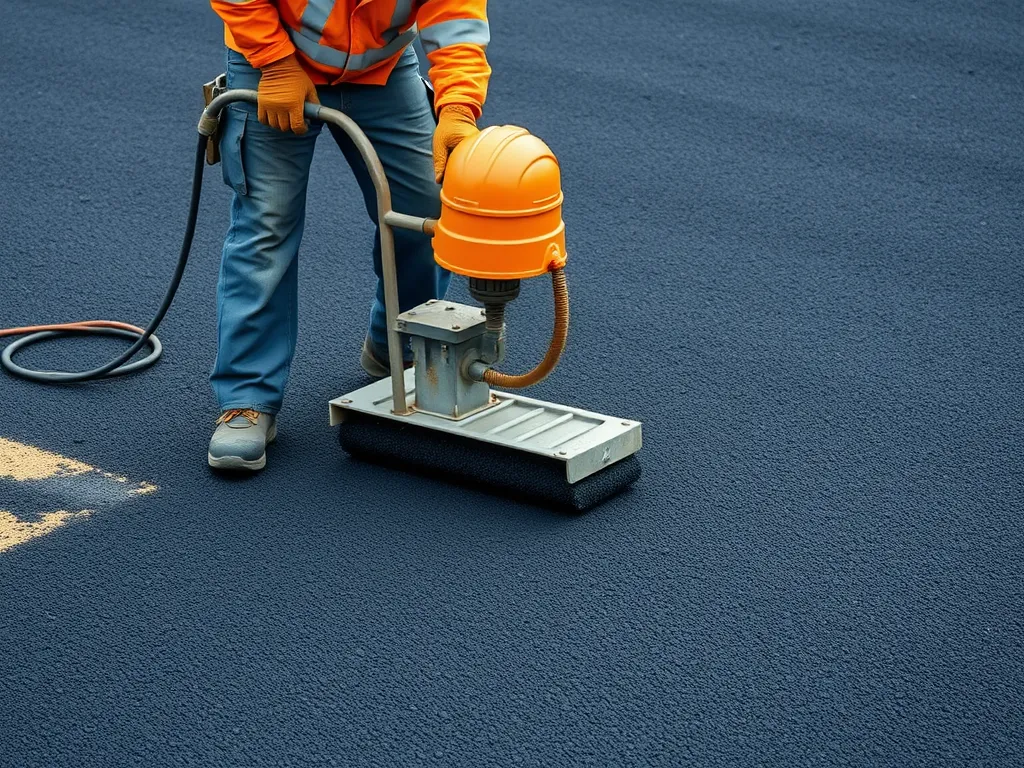
Techniques for Effective Hand Tool Usage
Mastering asphalt hand tools requires skill and knowledge of material behavior. Proper techniques improve pavement quality and worker safety.
Proper Handling Of Asphalt Lutes
Asphalt lutes (grading rakes) demand a 45-60° angle during operation. Push aggregates forward with the tines, then pull back to level the mix. Maintain consistent pressure at 275-325°F mix temperatures for optimal workability. Over-raking cools the asphalt prematurely, creating voids.
Optimal Tamping Pressure for Compaction
Hand tampers require 50 psi pressure for proper density. Use overlapping 6″ strokes in three passes:
| Pass | Purpose | Angle |
|---|---|---|
| 1 | Initial settling | Vertical |
| 2 | Density increase | 5° tilt |
| 3 | Surface sealing | Flat |
Aim for 92-96% compaction in edges and utility cuts. Check depth with a pocket penetrometer.
Efficient Material Spreading With Asphalt Rakes
Use serrated asphalt rakes in push-pull motions for even distribution. Spread mix at 3/4″ thickness per pass for 1.5″ lifts. Keep aggregate sizes below 3/4″ to prevent tool jamming. Angle the rake head 30° when working around drainage grates.
Precision Cutting With Asphalt Knives
Double-bladed asphalt knives cut clean edges at 1.5-2″ depths. Score pavement at 140-160°F for crack sealing prep. Replace blades every 150 linear feet – worn edges cause raveling. Use circular cutters for radius work (minimum 18″ curves).
Proper technique amplifies the value of hand tools in asphalt projects. Next, we’ll examine how these methods translate into measurable benefits for contractors and DIYers.
Also See: Stay Safe: Community Education on Asphalt Safety
Benefits Of Hand Tools in Asphalt Applications
Hand tools in asphalt work boost job site speed and cut long-term costs. They shine in tasks where big machines fall short, from patch jobs to edge work.
Cost-effectiveness for Small Repairs
Hand tools slash costs for fixes under 100 sq ft. A $50 asphalt lute handles cracks that would cost $500+ to tackle with a paver. No fuel, no rental fees. Crews save up to 70% on gear for pothole fills or curb gaps compared to machine rates.
Greater Control in Detail Work
Lutes and tampers let crews shape hot mix like clay. Workers fix bird baths (low spots) within 1/8-inch specs using rakes. Edging knives carve clean lines along drains or manholes where rollers can’t reach. This hands-on touch prevents rework on 35% of small jobs.
Reduced Fuel Dependency Compared to Machinery
Gas-free tools cut site emissions by 80% for repair work. Diesel pavers burn 3-5 gallons hourly; hand gear needs zero. Cities like Austin, TX now mandate hand tools for asphalt fixes under 200 sq ft to meet clean air goals. Solar-powered tack pots are rising, but steel rakes still rule.
While hand tools excel in key areas, safe use demands smart practices. Up next: how crews avoid burns, strains, and gear failures on hot asphalt jobs.
Safety Protocols for Asphalt Hand Tools
Working with hot mix requires strict safety measures. Proper protection reduces risks linked to temperatures exceeding 300°F. Let’s break down three vital practices.
Heat-resistant Gloves for Hot Asphalt Handling
Kevlar-lined or leather gloves shield skin from burns when spreading mix with lutes or tampers. Thickness matters—opt for 18-ounce gloves to block heat transfer. Grippy palms prevent tools from slipping, lowering spill risks. For tasks lasting over 15 minutes, gloves with wrist cuffs stop debris from entering.
Proper Posture to Prevent Strain Injuries
Bend knees, not your back, when raking or compacting. Keep elbows close to your body during repetitive motions like edging. Rotate tasks every 30 minutes to avoid overworking muscle groups. Ignoring posture during long shifts can lead to chronic pain—common in workers using hand tools for asphalt paving over 5 hours daily.
Tool Inspection for Damaged Components
Check lute teeth for bends, tampers for split handles, or rollers for loose bolts before each shift. Even minor cracks in tools like asphalt knives can snap under pressure, causing project delays. Replace worn-out items immediately—repairing compromised tools increases failure rates by 70% during compaction tasks.
Following these steps keeps crews safe while maximizing tool performance. Next, let’s explore how routine care prolongs the lifespan of your gear.
Maintenance and Cleaning Of Asphalt Tools
Proper care extends the lifespan of asphalt road hand tools by 3-5 years. Daily cleaning prevents buildup of aggregate and bitumen, which reduces tool efficiency by up to 40%.
Removing Asphalt Residue From Metal Surfaces
Hot mix asphalt bonds to metal tools at temperatures above 300°F. Use these methods for removal:
- Citrus-based solvents: Breaks down bitumen without damaging steel surfaces ($18-$25/gallon)
- Heated diesel fuel: Effective for hardened deposits when heated to 150°F (safety gloves required)
- Wire brush attachments: 14-gauge steel bristles remove 90% of residue from lutes and tampers
Preventing Rust in Storage
Humidity above 60% accelerates corrosion in asphalt construction tools. Implement these storage protocols:
- Apply NSF-approved food-grade silicone spray to metal surfaces (creates 0.003″ protective film)
- Store tools vertically in climate-controlled environments (ideal: 50°F, 40% humidity)
- Place silica gel packs in toolboxes (absorbs 30% its weight in moisture)
Lubricating Moving Parts
Friction in hand tools for asphalt pavement reduces efficiency and increases physical strain. Prioritize:
- Hinges on asphalt lutes: Apply lithium-based grease every 40-50 uses
- Roller bearings: Use marine-grade waterproof lubricant (lasts 6 months in wet conditions)
- Adjustment knobs: PTFE dry spray maintains calibration accuracy in edgers
Well-maintained paving tools directly impact project costs and safety. Up next: How these practices contribute to sustainable asphalt operations.

Environmental Considerations
Hand tools in asphalt work shape more than pavement—they directly impact ecological outcomes. From reducing excess material to managing cleanup responsibly, these instruments bridge construction needs with green practices.
Minimizing Material Waste Through Precision Tools
Specialized asphalt hand tools like grading rakes and infrared heaters cut material overuse. A lute with 24-inch teeth spreads hot mix within 1/4-inch accuracy, preventing costly rework. Tamping bars compact edges at 95% density, matching roller results without spillage. Contractors report 10-15% less aggregate waste per square yard when using edgers for boundary definition.
- Infrared heaters: Recycle 100% of existing asphalt during repairs
- Hand screeds: Achieve surface flatness under 3mm deviation
- Pocket vibrators: Eliminate air gaps in patch jobs
Eco-friendly Cleaning Methods for Asphalt Residue
Biodegradable solvents now replace diesel for cleaning hand tools. Citrus-based gel strippers remove bitumen buildup at 140°F, cutting VOC emissions by 40-60%. Steel-bristle brushes paired with dry ice blasting clear debris without water runoff. These methods keep 8-12 lbs of toxic sludge per project from landfills.
- Heat guns: Soften residue at 300°F for scraper removal
- Cornstarch absorbents: Capture loose aggregate during tool cleaning
- Recycled motor oil: Lubricates metal parts without new petroleum
Proper care extends tool lifespan while protecting worksite ecosystems. Up next: Best practices to keep asphalt tools functioning at peak performance.
FAQs: Hand Tools in Asphalt Work
What is the Primary Purpose Of Hand Tools in Asphalt Projects?
The primary purpose of hand tools in asphalt projects is to allow for precision application, detailing, and finishing of asphalt surfaces, especially in areas where machinery cannot easily operate. They enable workers to make small adjustments, ensure a smooth finish, and provide better control over intricate work.
Which Hand Tools Are Critical for DIY Asphalt Repairs?
Essential hand tools for DIY asphalt repairs include asphalt lutes for spreading and leveling, tamping bars for compacting edges, asphalt shovels for material distribution, and cutters or edgers for shaping edges. Each of these tools plays a crucial role in achieving a successful repair.
Can Hand Tools Replace Machinery in Asphalt Road Construction?
While hand tools are invaluable for precision work and small-scale repairs, they cannot fully replace machinery in large-scale asphalt road construction. Heavy machinery is necessary for efficient, large-volume asphalt application and compaction. However, hand tools complement machinery by addressing detailed, intricate tasks that machines may overlook.
Closing Thoughts
Hand tools play a vital role in asphalt work, providing precision, control, and efficiency. They are invaluable for tasks like spreading, leveling, and finishing asphalt surfaces. From asphalt lutes and hand rollers to specialized cutters and edgers, each tool contributes uniquely to the overall quality of the pavement.
Effective usage of these tools requires proper techniques and adherence to safety protocols. This not only ensures high-quality results but also promotes a safer work environment. Regular maintenance, cleaning, and eco-friendly practices further enhance the longevity of your tools and minimize environmental impact.
For more insights and resources on asphalt work and tools, check out Asphalt Calculator USA.
Additional Resources for You:
- The Asphalt Institute. (2007). MS-4: The Asphalt Handbook. Lexington, KY: Asphalt Institute.
- Asphalt Paving Equipment: What Equipment is Used for Asphalt Paving?
- Different Tools Required for Asphalt Repair | Asphalt Paving
- Asphalt Tools | Blacktop Paving Hand Tools | NAC Supply
- Hand Tools & Accessories – Asphalt Surfacing Tools – Red Stag Materials

