The Role Of Compaction in Asphalt Excavation: Building Roads That Last
Published on: April 7, 2026 | Last Updated: April 14, 2025
Written By: George Voss
Compaction in asphalt excavation presses hot mix asphalt into a dense, stable surface using rollers or plate compactors. This process removes air pockets, increases pavement density, and bonds materials for long-term durability. Proper compaction prevents water damage, boosts load capacity by up to 300%, and extends road life beyond 15 years. Without it, asphalt develops cracks, rutting, and fails prematurely under traffic stress.
This article breaks down asphalt compaction from start to finish. Learn how roller types like tandem and sheepsfoot impact results. Explore temperature targets (280-325°F for optimal density) and lift thickness guidelines (2-4 inches per layer). Get checklists for nuclear density testing, pass counts, and air void control (aim for 3-5%). We’ll also cover cost-saving tips, emission-reducing methods, and how compaction calculators prevent errors. Whether you’re paving driveways or highways, these techniques ensure surfaces handle trucks, weather, and time.
Contents
- Understanding Compaction in Asphalt Excavation
- Importance Of Compaction for Asphalt Durability
- Key Factors Influencing Asphalt Compaction Effectiveness
- Asphalt Compaction Standards and Requirements
- Asphalt Compaction Techniques and Equipment
- Asphalt Compaction Testing and Quality Control
- Best Practices for Compacting Asphalt Pavement
- Environmental Considerations in Asphalt Compaction
- FAQ: Compaction in Asphalt Excavation
- Closing Thoughts
- Useful References for You:
Understanding Compaction in Asphalt Excavation
Compaction shapes how asphalt performs under stress. It locks stone, sand, and binder into a tight matrix that resists wear. Without it, roads crumble faster under traffic and weather.


What is Asphalt Compaction?
Asphalt compaction presses hot mix into a dense layer using rollers or plates. This step removes air pockets, boosting pavement strength. Properly compacted roads hit 92-95% density targets set by ASTM D6925 standards.
Purpose Of Compaction in Asphalt Pavement
Compaction does more than flatten surfaces. It binds materials to handle heavy loads and stop water damage. Missing this step cuts road life by up to 40%, per Federal Highway Administration data.
Ensuring Structural Integrity
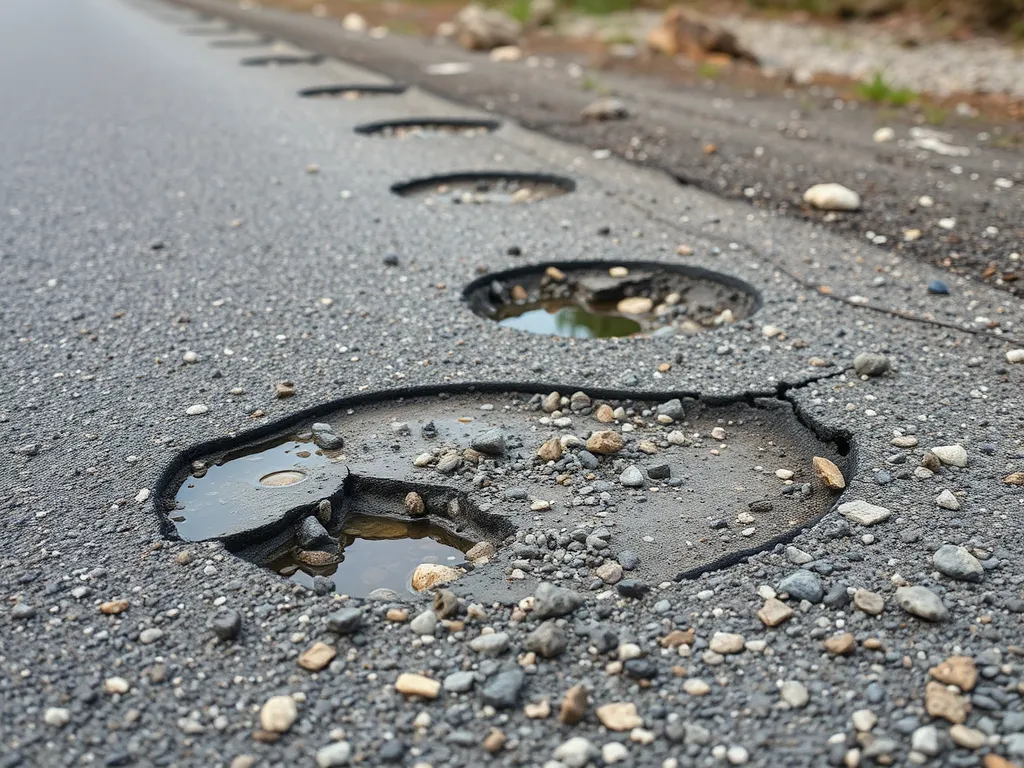
Air voids under 8% prevent water from seeping into the base. Tightly packed layers spread weight evenly, stopping cracks. Poor compaction lets voids rise above 10%, risking potholes in freeze-thaw cycles.
Improving Load-Bearing Capacity
Each 1% drop in density lowers load support by 10%. Compacted asphalt holds 20-ton trucks without rutting. Tests show 95%-dense pavements last 15+ years versus 8 years at 90% density.
Getting density right sets the stage for long-term performance. Next, we’ll break down how proper compaction fights wear and tear.
Importance Of Compaction for Asphalt Durability
Compaction shapes how well asphalt holds up under traffic and weather. It locks stones and sand in place with hot bitumen glue. Done right, this step builds roads that last years longer.
Good Points Of Strong Asphalt Compaction
Proper rolling and pressing boost pavement performance. Crews aim for 92-95% density to hit quality marks.
Longer Road Life
Roads pressed tight gain 5-10 extra years before major fixes. Fewer air gaps block water from eating the base. Thick layers stay dense under heavy trucks.
Less Cracks and Dips
Firm mats resist tire ruts in summer heat. Tight bonds stop cracks from spreading. Smooth surfaces shed rain fast, cutting ice damage.
Bad Results From Weak Compaction
Loose asphalt fails early. Air pockets let water seep in. Soft spots sag under loads, needing costly patches.
Early Breakdowns
Poorly pressed roads show potholes in 2-3 years. Raveling leaves rough, loose gravel. Base layers wash out after freeze-thaw cycles.
Higher Fix Costs
Repair bills jump 30% over five years for weak mats. Crews must cut out bad sections, add fresh mix, and re-roll. Traffic delays pile up during fixes.
Getting compaction right depends on three key job-site factors. Next, we break down how heat, gear, and lift depth shape your results.
Key Factors Influencing Asphalt Compaction Effectiveness
Five core factors shape how well asphalt compacts during paving jobs. Each plays a direct role in pavement strength and long-term wear.
Temperature and Timing Requirements
Asphalt must stay hot to compact right. Mix temps between 275°F and 300°F let rollers squeeze out air gaps. Wait too long, and temps drop below 185°F—the point where binder (PG 64-22 or similar) stops bonding. Crews get a 15-30 minute window after paving to finish rolling.
Material Thickness and Lift Depth
Each asphalt layer (called a lift) needs proper depth. For roads, 2-4 inches per lift works best. Thicker layers trap air voids over 5%, risking cracks. Thin layers cool too fast. Highway jobs often use two lifts: base (3.5″) and surface (1.5″).
Equipment Weight and Roller Types
Roller choice affects density. Heavier machines (10+ tons) press deeper, while lighter ones smooth surfaces. See common options:
| Roller Type | Weight Range | Use Case |
|---|---|---|
| Tandem | 6-12 tons | Surface finish |
| Pneumatic | 8-15 tons | Mid-layer density |
| Sheepsfoot | 10-20 tons | Base layers |
Moisture Content and Air Void Control
Water in the mix hurts compaction. Ideal moisture stays under 0.5% by weight. Too much steam weakens bonds. Air voids should hit 3-5%—tested with nuclear gauges. Voids over 7% let water seep in, causing potholes.
Number Of Passes and Roller Speed
Rollers make 3-5 passes per lane. Slow speeds (3-5 mph) push mix tighter. Fast rolling skips spots. For 12-foot lanes, a 10-ton roller needs 8 minutes per pass. More than 10 passes can crush aggregate.
Nailing these factors requires knowing current specs. Next, we’ll break down how industry standards set the rules for proper density.
Also See: Asphalt Emulsion Technology: Smarter Paving Solution
Asphalt Compaction Standards and Requirements
Following strict compaction guidelines transforms mix into long-lasting roads. Standards fix targets for density, voids, and thermal conditions during paving work.
Minimum Compaction Percentage for Asphalt
Most projects call for 92-96% compaction of maximum lab density (Marshall or Superpave). High-traffic zones like highways demand 96-98% to avoid voids. Falling short by just 3% can boost water intrusion risks by 50%, leading to cracks or potholes costing $15-$50 per sq.ft. to fix.
Industry Standards for Compaction Density
AASHTO T 312 and ASTM D6925 set rules for nuclear density gauges. For roads, 96% of Gmm (maximum specific gravity) is typical. Air voids must stay within 3-5%—critical for mix stability. A 1% drop in density can slash pavement lifespan by 15%. Contractors track this using non-nuclear devices like PaveRMC sensors.
Temperature Ranges for Optimal Compaction
Hot mix asphalt (HMA) needs rolling at 275-325°F. Warm mix (WMA) allows lower temps (225-275°F) but still requires finishing before dropping below 185°F. Thin lifts cool 50% faster than 4-inch layers, limiting workability. Infrared guns verify mix temps, as cold spots cause density gaps.
Hitting these marks forms roads that hold up against traffic and weather. Up next: tools that turn specs into solid pavement.
Asphalt Compaction Techniques and Equipment
Choosing the right compaction method directly impacts pavement performance. Each tool addresses specific challenges in asphalt excavation projects, from surface finish to layer depth. Let’s break down four core technologies shaping modern compaction practices.
Tandem Rollers for Surface Smoothness
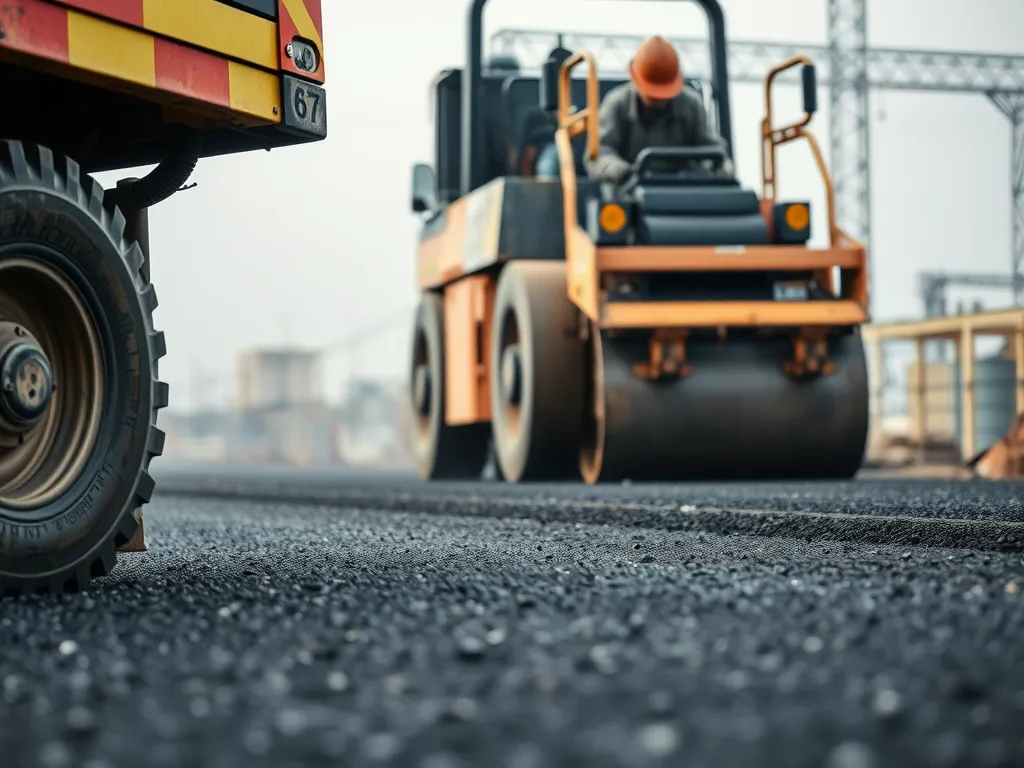
Tandem rollers deliver 8-12 tons of force using dual steel drums. These machines operate in static or vibratory modes (3,000-4,500 VPM) to compact 2-4 inch surface layers. Their rigid drums eliminate minor irregularities, achieving 92-96% density on final passes. Contractors deploy them after asphalt pavers to lock aggregate positions without crushing surface stones.
Pneumatic Rollers for Uniform Density
Pneumatic rollers use 7-11 rubber-tired wheels to apply 30-80 PSI kneading pressure. Ideal for intermediate compaction, their flexible tires conform to mix contours, compressing 4-6 inch binder courses to 95-98% density. Hot mix asphalt (HMA) benefits from prolonged tire contact, which reduces air voids to 3-5%—critical for preventing moisture damage.
Plate Compactors for Edge Work
Plate compactors generate 3,000-6,000 lbf for tight spaces like curbs or utility trenches. Their 12×18 inch base plates compact 1-3 inch layers at 500-800 blows per minute. Operators use these tools within 15 minutes of placement to prevent thermal cracking along joints. Proper edge compaction maintains 90% density margins compared to central pavement areas.
Sheepsfoot Rollers for Deep Layers
Sheepsfoot rollers penetrate 6-8 inch sublayers using 60-100 rectangular protrusions. Weighing 15-30 tons, they create 250-400 PSI foot pressure to compact cohesive materials. Contractors make 8-12 passes in staggered patterns, achieving 85-90% density in base courses before applying surface layers. This method prevents future settlement in high-traffic zones.
Mastering these tools ensures uniform compaction across all pavement zones. Next, we’ll examine how technicians verify results through density testing protocols.
Asphalt Compaction Testing and Quality Control
Quality checks separate successful asphalt excavation projects from failed ones. Testing ensures compaction meets specs critical for pavement strength. Three methods dominate the field.
Nuclear Density Gauge Testing
Nuclear gauges measure density using gamma radiation. These devices shoot particles into asphalt layers, calculating density based on energy absorption. ASTM D2950 standards require 92-96% density for most pavements. Gauges cost $15,000-$25,000 but deliver results within 5 minutes. Crews take readings every 500 sq ft during asphalt compaction process.
Non-nuclear Testing Methods
Pavement Quality Indicators (PQIs) use electrical impedance to assess density without radiation. Thermal imaging cameras track temperature gradients, flagging areas needing rework. The Troxler 3450 TMD costs $8,000-$12,000 and weighs 40% less than nuclear models. Non-nuclear methods work best for small sites or urban areas with radiation restrictions.
Using Asphalt Compaction Calculators
Digital tools predict required roller passes based on mix type, lift thickness, and temperature. The Asphalt Institute’s calculator factors in PG binder grades and aggregate size. Input 4-inch lift depth at 280°F, and it suggests 8 vibratory passes with a 10-ton roller. Contractors report 12-18% fewer test failures when using these tools during asphalt excavation compaction.
Interpreting Calculator Results
| Target Density | Field Reading | Action Required |
|---|---|---|
| 93% | 89-91% | Increase roller passes by 2-3 |
| 93% | 85-88% | Check mix temp, add binder |
| 93% | >96% | Risk of aggregate breakdown |
Low readings signal under-compaction, while high numbers indicate overworking the mix. Always cross-check calculator outputs with physical tests.
With quality control data in hand, crews can refine their asphalt compaction techniques. Next, let’s explore field-tested methods to achieve target densities consistently.
Best Practices for Compacting Asphalt Pavement
Strong roads start with smart packing methods. Use these field-tested steps to boost asphalt life and cut repair costs.
Optimizing Roller Pass Patterns
Set roller paths to pack mix tight. Overlap each pass by 6 inches. Shift direction by 15° between passes to smooth lines. For thin layers (1.5 inches), use three passes. Thick layers (3+ inches) need five passes. Avoid sudden stops to prevent marks.
Monitoring Mix Temperature in Real-time
Track heat levels as you work. Hot mix must stay above 275°F for full packing. Below 185°F, bonds fail. Use infrared guns every 10 minutes. Slow rollers when mix cools fast in cold air. Speed up in hot sun to hit 92% density goals.
| Lift Thickness | Roller Type | Pass Count |
|---|---|---|
| 1-2 inches | Tandem (10-12 tons) | 3-4 |
| 2-4 inches | Pneumatic (15 tons) | 5-6 |
| 4-6 inches | Sheepsfoot (20+ tons) | 7-8 |
Adjusting Equipment for Material Thickness
Match gear to layer size. Thin lifts need light rollers (8-10 tons) to avoid cracks. Thick layers demand heavy steel drums (20+ tons). For slopes over 5%, switch to padfoot rollers. Check tire pressure on pneumatic units – keep it at 90 psi for even pushes.
Preventing Segregation During Compaction
Stop mix parts from splitting apart. Keep paver speed steady (10-15 feet per minute). Rollers must stay 3 feet behind the paver. Use edge plates to hold small stones in place. Turn off vibration when near curbs. Fix split spots with hand rakes before re-rolling.
Smart packing keeps roads whole for years. Now let’s explore how green methods can boost your next job’s eco-score.
Environmental Considerations in Asphalt Compaction
Compaction shapes not just pavement strength but also its eco-footprint. As crews pack asphalt layers, choices in gear and methods impact energy use, air quality, and material waste. Smart practices cut harm while building roads that last.
Energy-efficient Compaction Methods
New rollers with variable drum speeds trim fuel use by 15-20%. GPS-guided passes prevent overlap, slashing unneeded work. Warm-mix asphalt (paved at 250°F vs 300°F) needs less heat, letting crews compact faster with lower energy drains.
Reducing Emissions During Compaction
Tier 4 diesel engines in rollers cut soot by 90% versus old models. Electric plate compactors emit zero fumes at edges. Real-time temp sensors help crews hit 92% density before mix cools, avoiding rework that spikes CO2 output.
Recycling Compacted Asphalt Materials
Milled asphalt (RAP) gets reused in 95% of U.S. road jobs. Proper compaction bonds fresh mix with RAP, keeping 72M tons yearly from landfills. Cold planers grind old pavement to 3/4″ bits, ready for new layers without extra glue or heat.
Balancing density goals with green gains demands skill. Next, we break down the tools that check if compaction hits the mark.
FAQ: Compaction in Asphalt Excavation
What Happens if You Don’t Compact Asphalt?
Failure to compact asphalt can lead to significant issues such as premature cracking, rutting, and overall pavement failure. Uncompacted asphalt may not properly bond, leading to voids that allow water infiltration, causing further deterioration and costly repairs.
How Many Passes Are Required for Proper Asphalt Compaction?
Typically, 3-6 passes are recommended depending on the layer thickness and roller type. For thicker layers, more passes are necessary to achieve the desired density and to ensure even compaction throughout the asphalt mat.
What Equipment is Essential for Asphalt Compaction?
Essential equipment for asphalt compaction includes various types of rollers (such as tandem and pneumatic), plate compactors for edge work, and sheepsfoot rollers for deep layers. The choice of equipment depends on the specific project requirements and conditions.
Can Asphalt Compaction Calculators Improve Results?
Yes, asphalt compaction calculators can improve results by estimating necessary roller passes based on variables like mix type, lift thickness, and current temperature conditions. This helps ensure that target density and compaction standards are met more effectively, lowering the risk of compaction failures.
What is the Role Of Temperature During Asphalt Compaction?
Temperature plays a critical role in asphalt compaction. The asphalt mix must be maintained at an optimal temperature range (typically 275°F to 325°F) to ensure proper compaction. If the mix cools too much before compacting, it can lead to insufficient density and voids, negatively impacting the pavement’s longevity and performance.
Closing Thoughts
Compaction plays a vital role in asphalt excavation, determining the quality and durability of pavement. Proper compaction ensures structural integrity and enhances load-bearing capacity, leading to a longer lifespan and reduced risk of issues like cracking and rutting.
Key factors such as temperature, lift depth, and roller types significantly influence the effectiveness of compaction. Following industry standards and adhering to best practices can greatly improve the outcome of asphalt projects. Moreover, considering environmental impacts ensures sustainable practices alongside performance.
For more detailed information and resources on asphalt and compaction techniques, visit Asphalt Calculator USA. Your pavement’s longevity depends on it!