The Role Of Asphalt Mix Design in Lifespan
Published on: April 6, 2026 | Last Updated: April 14, 2025
Written By: George Voss
Asphalt mix design directly determines how long roads last by engineering materials to withstand traffic, weather, and time. This process combines aggregates (crushed stone, sand), asphalt binder (a sticky petroleum product), and additives in precise ratios. Engineers use lab testing and field validation to meet standards like AASHTO M323 or Superpave specifications. A well-designed mix balances durability (resisting cracks), flexibility (preventing brittleness), and stability (handling heavy loads). Proper designs can extend pavement life to 12-20 years, while poor mixes fail in half that time.
This article breaks down how material choices and climate conditions impact road longevity. You’ll learn why Performance Grade (PG) binders matter in freezing winters, how aggregate size affects drainage, and why recycled asphalt requires special design adjustments. We cover traffic load calculations, cost-saving strategies, and lab tests like the Hamburg Wheel Track test that predict real-world performance. Case studies show how optimized mixes last decades with minimal repairs.
Contents
- Core Objectives Of Asphalt Mix Design
- Factors Affecting Asphalt Mix Design Lifespan
- Design Life Of Asphalt Pavement: Key Concepts
- Impact Of Aging on Asphalt Mixture Performance
- Enhancing Asphalt Longevity Through Mix Design
- Benefits Of Proper Asphalt Mix Design
- Importance Of Testing in Asphalt Mix Design
- Environmental Considerations in Mix Design
- FAQs: Asphalt Mix Design and Lifespan
- Closing Thoughts
- Useful References for You:
Core Objectives Of Asphalt Mix Design
Creating road surfaces built to survive decades requires precise engineering. The right blend of components determines whether pavement crumbles in five years or performs for twenty. Mix design bridges the gap between theory on blueprints under controlled conditions.


What is the Objective Of Asphalt Mix Design?
This process crafts recipes specifying exact ratios of bitumen, stone particles, sand, modifiers. Goals include resisting rutting under truck tires, preventing cracks during freeze-thaw cycles, surviving UV exposure without crumbling. Success extends functional service life by 40-60% compared to generic mixes.
Balancing Durability, Stability, and Flexibility
Think of these three traits as legs on stool—remove one, the structure fails. Durability comes from PG-graded binders resisting oxidation. Stability depends on crushed stone interlock bearing heavy loads. Flexibility requires polymer-modified bitumen bending without breaking. Superpave systems (Superior Performing Asphalt Pavements) quantify these traits using tests like the Hamburg Wheel Tracking device measuring rut depth under simulated traffic.
| Property | Key Influence | Target Metric |
|---|---|---|
| Durability | Binder grade | PG 64-22 |
| Stability | Stone shape/size | ≤12% flat particles |
| Flexibility | Polymer content | ≥3% SBS modifier |
Optimizing Material Proportions for Longevity
Bitumen content below 5% causes brittle cracks; over 7% invites rutting. Stone gradation follows curves like the 0.45 power chart for tight packing. Warm-mix technologies lower production temps by 50°F, cutting binder aging during mixing. Trials in Texas showed these tweeks boosted interstate highway life from 12 to 18 years before resurfacing.
While mix design establishes the foundation, other elements determine real-world performance. Next, we explore external forces shaping pavement endurance.
Factors Affecting Asphalt Mix Design Lifespan
Durability starts at the drawing board. Material choices, climate pressures, and traffic patterns directly determine how long pavement lasts before cracks or ruts appear.
Material Selection and Quality
Every 1% increase in binder quality can extend pavement life by 2-3 years. High-grade materials resist deformation while maintaining flexibility.
Asphalt Binder Properties and Performance Grades
Performance Grade (PG) binders—like PG 64-22—are chosen based on regional temperature extremes. PG 76-28 mixes in Phoenix withstand 150°F surface heat, while PG 58-28 in Minnesota handles -20°F winters. Stiff binders reduce rutting but increase cracking risk if not balanced with polymers.

| Binder Grade | High Temp (°F) | Low Temp (°F) | Typical Region |
|---|---|---|---|
| PG 64-22 | 64 | -22 | Midwest |
| PG 76-28 | 76 | -28 | Southwest |
Aggregate Characteristics and Gradation
Aggregates make up 95% of mix volume. Angular crushed stone with 12.5mm nominal size creates interlock for heavy loads. Gap-graded mixes like SMA (Stone Mastic Asphalt) last 18-24 years—40% longer than dense-graded—but cost 15-20% more.
Environmental Exposure and Climate Conditions
UV radiation oxidizes binders 3x faster in Florida than Washington. Freeze-thaw cycles in Michigan demand 5% air voids to prevent moisture damage. Mixes in coastal areas employ anti-stripping agents to counter salt corrosion.
Traffic Load and Volume Considerations
A parking lot handling 500 ESALs (Equivalent Single Axle Loads) daily needs 4% binder content. Interstate highways with 30 million ESALs over 20 years require 6.5% polymer-modified binder and 19mm aggregates. Overloading by 10% cuts lifespan by 33%.
These variables set the stage for exploring how design protocols translate into measurable pavement longevity.
Design Life Of Asphalt Pavement: Key Concepts
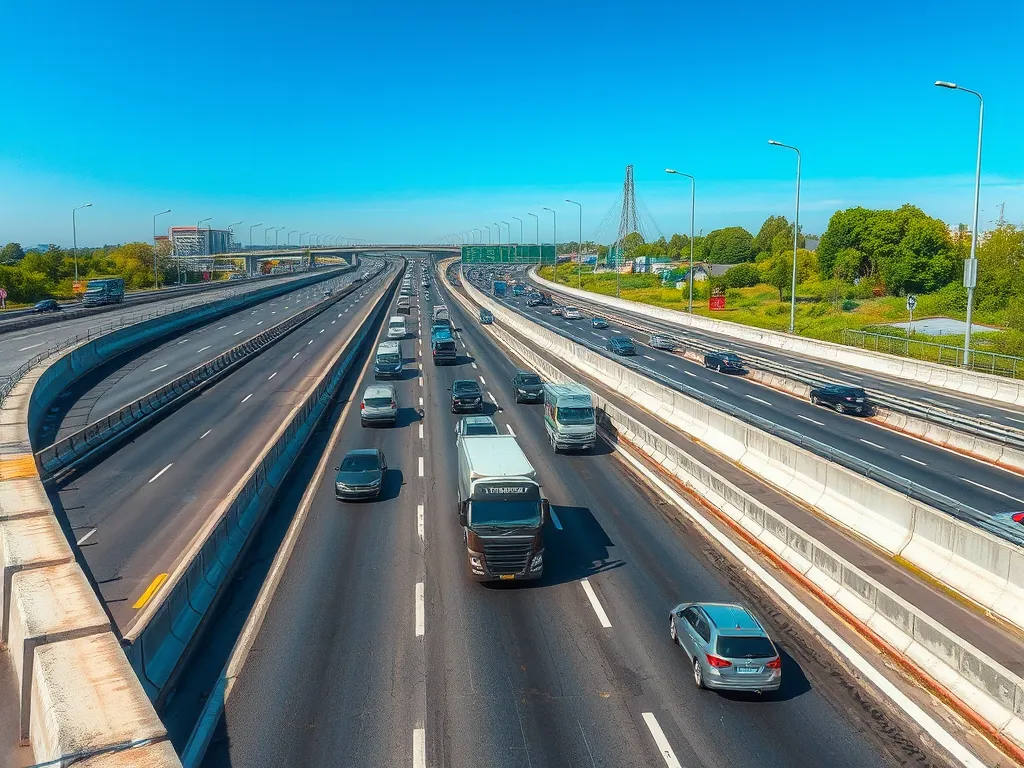
Pavement design life refers to the period a surface remains functional before needing major rehabilitation. This metric directly ties to asphalt mix design choices that balance structural capacity with environmental resistance.
What is the Design Life Of Asphalt Pavement?
Design life represents projected performance under expected traffic and weather. It starts at 15 years for local roads but reaches 30+ years for highways using advanced mix designs. Proper material selection and compaction during construction determine whether surfaces meet these targets.
Typical Lifespan Ranges for Asphalt Surfaces
- Residential driveways: 12-20 years
- City streets: 15-25 years
- Highways: 20-35 years
The National Asphalt Pavement Association reports interstates with stone-matrix asphalt mixes last 28% longer than standard dense-graded surfaces. Temperature extremes or heavy truck traffic can cut these ranges by 40% without proper mix adjustments.
Factors Influencing Design Life
Four elements dictate whether pavements reach their maximum potential lifespan:
- Binder type (PG 76-22 vs PG 64-28)
- Aggregate angularity and gradation
- Air void content (3-5% optimal)
- Construction compaction levels (92-96% density)
For example, mixes with polymer-modified binders withstand rutting 60% better than conventional blends in Phoenix’s 115°F summers.
Design Protocols for Long-Lasting Asphalt Mixes
The Superpave system (Superior Performing Asphalt Pavements) uses climate data and traffic forecasts to create durable mixes. Key steps include:
- Selecting performance-graded binders matching regional temperature extremes
- Specifying aggregate sizes that interlock tightly
- Setting mix density goals using gyratory compactors
States like Texas require 25% recycled asphalt pavement (RAP) in mixes, proving recycled materials can maintain – or boost – lifespan when properly engineered.
While proper protocols set the stage, environmental exposure gradually alters pavement chemistry. Next, we’ll examine how aging mechanisms challenge even well-designed mixes.
Also See: Customization Options for Asphalt Driveways
Impact Of Aging on Asphalt Mixture Performance
Asphalt pavements face relentless stress from weather, traffic, and time. Aging triggers chemical and physical changes that erode performance. Proper mix design combats these effects to extend service life beyond 20 years.
What Are the Effects Of Aging on Asphalt Mixtures?
Oxidation and wear degrade pavements through two primary mechanisms: binder hardening and aggregate breakdown. Both reduce structural integrity, leading to cracks, raveling, and rutting.
Asphalt Cement Hardening Over Time
Binder oxidation starts the moment hot mix leaves the plant. Oxygen reacts with asphalt cement, raising viscosity by 30-50% within 5-7 years. Stiff binders lose flexibility, causing thermal cracks in cold climates. Performance Graded (PG) binders like PG 76-22 resist hardening through polymer modification.
Aggregate Degradation and Surface Wear
Traffic polishes aggregate surfaces, reducing skid resistance. Poorly graded mixes allow water infiltration, accelerating freeze-thaw damage. Granite aggregates with 60-70 LA abrasion values outperform limestone in high-traffic zones. Proper gradation curves minimize voids, slowing wear rates.
Mitigating Aging Through Mix Design Adjustments
Strategic material choices counter aging. Recycled asphalt pavement (RAP) at 20-30% reintroduces aged binder with proven durability. Warm-mix additives lower production temps by 50°F, cutting initial oxidation. Adding 2% crumb rubber extends binder elasticity, delaying crack formation by 8-12 years.
Up next: How targeted mix strategies push pavement lifespans beyond standard design limits.
Enhancing Asphalt Longevity Through Mix Design
Effective asphalt mix design determines how well pavements withstand wear. Strategic adjustments to material ratios and production methods directly affect performance over decades.
Strategies for Prolonging Asphalt Lifespan
Advanced mix designs tackle common failure points like cracking, rutting, and moisture damage. Focus areas include precise binder formulas, aggregate structuring, and thermal management.
Optimal Binder Content and Graded Aggregates
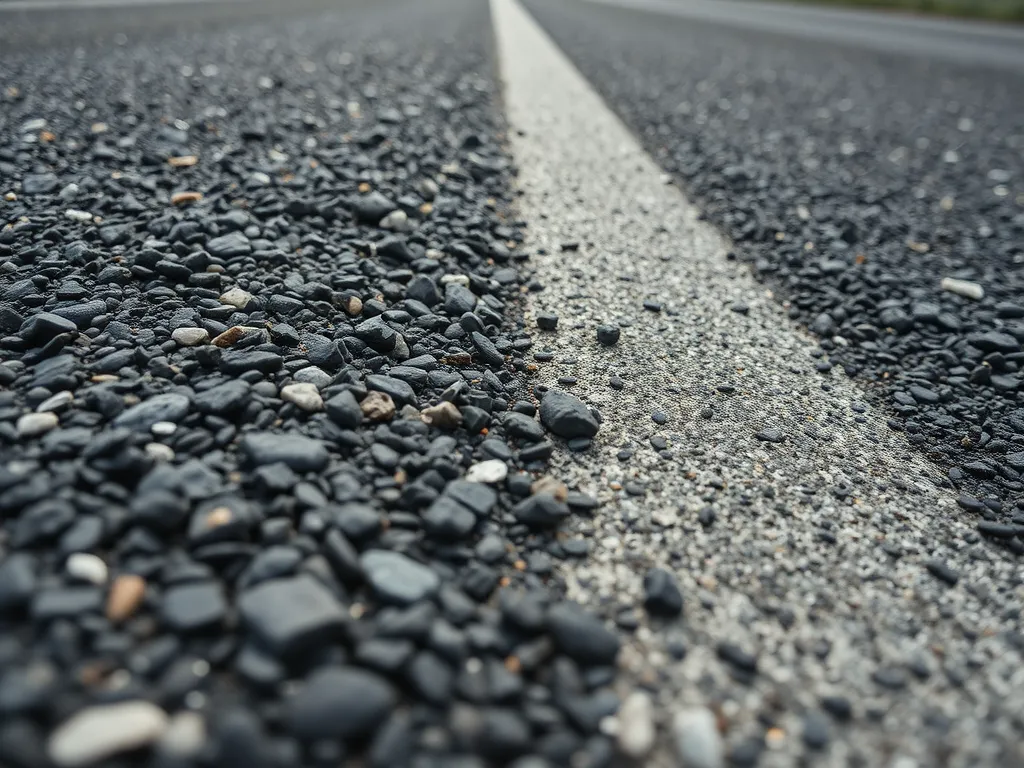
PG (Performance-Graded) binders matched to local climates prevent premature aging. A 5.5-7% binder content range balances flexibility and stability. Dense-graded aggregates with 95% compaction create interlocking stone matrices that resist deformation. Open-graded mixes, while less durable, excel at drainage for specific applications.
Temperature Control During Mixing and Placement
Superpave guidelines enforce strict temperature bands: 280-325°F during mixing, 225-300°F for compaction. Deviations cause binder oxidation or poor density. Warm-mix asphalt technologies now allow 30-50°F reductions, cutting thermal stress while meeting density targets of 92-96%.
Case Studies: Longest-lasting Asphalt Mix Designs
Minnesota’s I-35 reconstruction (2018) used a 25% RAP (Recycled Asphalt Pavement) mix with SBS-modified binders. After 6 Minnesota winters, rut depth measures 0.12” – 60% below state averages. Phoenix Sky Harbor Airport’s 2015 runway upgrade employed polymer-modified PG 76-22 binder and granite aggregates. Annual surface scans show only 2% raveling after 8 years of jet fuel exposure.
These proven approaches demonstrate how targeted mix adjustments push pavement lifespans beyond 18 years. Next, let’s examine how such designs translate into measurable cost and maintenance advantages.
Benefits Of Proper Asphalt Mix Design
A well-planned asphalt mix design lifts pavement life by solving key stress points. It turns raw parts into a system built to handle weight, weather, and wear.
Improved Resistance to Cracking and Rutting
Smart mix design fights cracks and ruts before they start. PG binders (performance-graded by climate) bond aggregates tight, blocking water seepage. Polymer-modded binders add flex in cold snaps. Crushed stone with sharp edges locks into place, cutting rut risk by 30-50% under heavy trucks. Graded layers spread load stress, keeping surfaces smooth for 15+ years.
Cost Efficiency Over the Pavement Lifecycle
Spending 15% more upfront on high-tier mixes can slash repair costs by 40% over 20 years. Lifecycle cost models show this: a 7-inch base with rich binder lasts 22 years vs. 12 for thin, low-grade layers. Superpave specs trim waste by matching materials to local truck traffic and freeze-thaw cycles. Less rework means more funds for other road projects.
Reduced Maintenance Needs
Top-grade mixes need 60% fewer fixes like pothole patches or seal coats. Dense-graded asphalt with 5% air voids slows aging, delaying major overlays by 8-10 years. Fewer work zones mean less traffic delay—a win for drivers and road crews. States like Texas report 50% lower upkeep costs on roads built with SHRP2 mix rules.
These gains hinge on one step: proving the mix works as planned. Next, we break down how testing spots flaws before pavement fails.
Importance Of Testing in Asphalt Mix Design
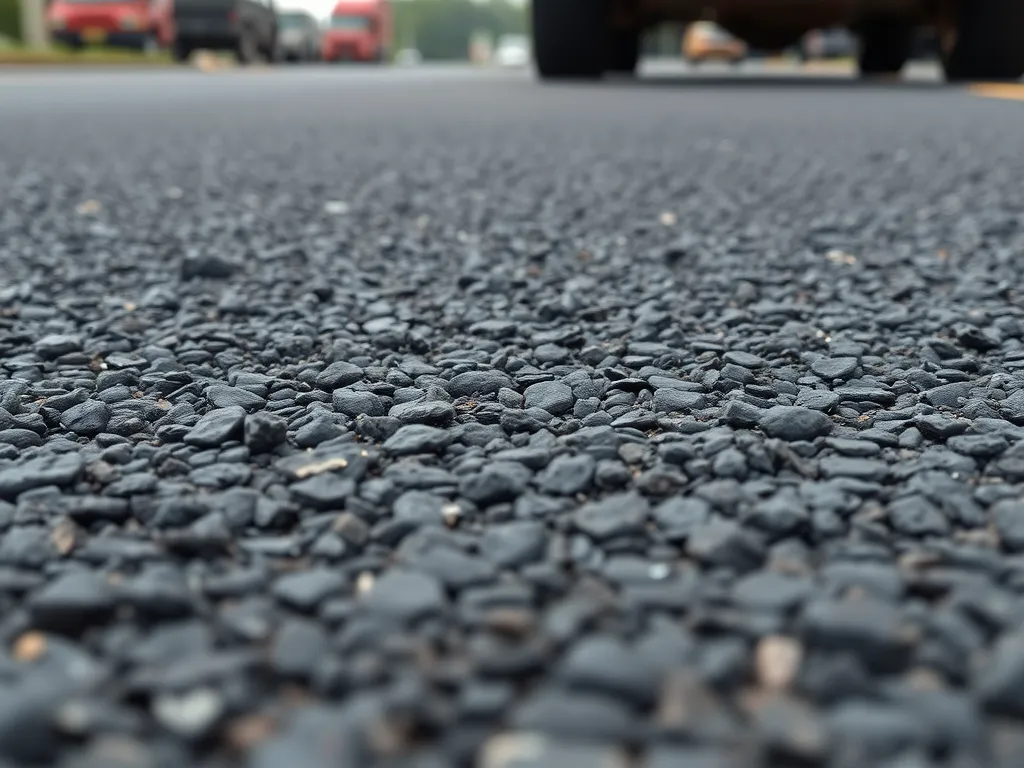
Testing bridges the gap between theoretical mix designs and real-world performance. Rigorous evaluations predict how materials withstand traffic, weather, and time—directly shaping the asphalt mix design lifespan.
Why Regular Mix Design Testing Matters
Frequent testing identifies flaws before pavement fails. A 2023 study found untested mixes develop rutting 40% faster under heavy trucks. Tests verify if binder grades match climate needs and whether aggregates resist crushing. Skipping this step risks premature cracks, potholes, or moisture damage.
Evaluating Life Expectancy Through Lab Analysis
Labs simulate decades of wear in weeks. The Asphalt Pavement Analyzer (APA) subjects samples to 8,000 wheel passes at 100°F to measure rutting. Dynamic modulus tests assess stiffness across temperatures from -10°F to 130°F. Results predict if a mix will meet its 15-25 year life expectancy. Binder aging tests like RTFO (Rolling Thin Film Oven) replicate 5-10 years of thermal oxidation in 85 minutes.
Field Performance Validation
Lab data gets proven on actual roads. Field cores drilled from paved surfaces undergo density checks—air voids above 8% invite water damage. Nuclear gauges measure compaction in real time, ensuring 92-96% density targets. Ride quality lasers scan for smoothness (IRI values below 120 in/mi). These metrics validate if mix design adjustments extended a highway’s asphalt concrete design lifespan by 7 years, as seen in Texas’ I-35 project.
Testing doesn’t stop at construction—it fuels innovations for the longest lasting asphalt mix designs. Next, we’ll explore how environmental priorities reshape material choices without sacrificing durability.
Environmental Considerations in Mix Design
Modern asphalt mix design now prioritizes environmental responsibility alongside structural performance. Sustainable practices directly influence pavement lifespan through material choices and production methods. Using recycled components lowers carbon footprints but requires precise engineering to maintain road durability.
Balancing Sustainability With Longevity
Warm-mix asphalt technologies cut production temperatures by 30-50°F, reducing energy use. These mixes retain 95% of traditional asphalt’s strength but demand strict temperature control during placement. Recycled asphalt pavement (RAP) and recycled asphalt shingles (RAS) replace 20-40% of virgin materials in many mixes, saving $3-$10 per ton. Yet higher recycled content risks premature cracking if binder ratios aren’t adjusted.
Recycled Material Integration Challenges
RAP introduces aged binder that stiffens mixtures, increasing fracture potential in freezing climates. Blending 25% RAP with PG 64-22 binder can lower a pavement’s freeze-thaw resistance by 15%. Rejuvenators – additives restoring binder elasticity – mitigate this but add $1.50-$4.00 per ton. RAS fibers improve stability but may reduce fatigue life by 20% if exceeding 5% content. Lab tests like the Hamburg Wheel Track ensure recycled blends meet 15-20 year lifespan targets.
Next, we’ll explore how rigorous testing protocols validate these sustainable designs under real-world conditions.
FAQs: Asphalt Mix Design and Lifespan
How Does Mix Design Directly Impact Pavement Lifespan?
Asphalt mix design primarily influences how well the pavement can withstand various stresses such as traffic loads, temperature fluctuations, and weather conditions. A well-optimized mix enhances durability, flexibility, and stability, directly correlating with an extended pavement lifespan, often increasing it by 40-60% compared to poorly designed mixes.
Can Existing Asphalt Layers Extend New Mix Longevity?
Yes, integrating new asphalt mixes with existing layers can sometimes enhance the overall longevity of the pavement. If the underlying structure is sound, the new mix can benefit from the stability of the existing layers, provided that proper bonding techniques are employed and the new mix is compatible with the old layer. This method can also reduce costs and expedite the resurfacing process.
What Role Does Climate Play in Mix Design Longevity?
Climate significantly impacts the performance and longevity of asphalt mixes. High temperatures can cause softening and rutting, while freeze-thaw cycles may lead to cracking. Choosing the appropriate Performance Grade (PG) binder based on the temperature extremes of the region, alongside strategic aggregate selection, is essential to maximizing lifespan in varying climates.
How Often Should Asphalt Mix Designs Be Tested?
Regular testing of asphalt mix designs should occur at different phases: during the design stage, before placement, and regularly during the lifespan of the pavement. Frequent testing allows for adjustments and ensures that the mix can meet specified performance criteria, helping to identify potential issues early and ensuring longevity.
What Are the Long-term Economic Benefits Of Proper Asphalt Mix Design?
Investing in high-quality asphalt mix design may involve higher initial costs, but it leads to significant savings over the pavement’s lifecycle. Enhanced durability translates to reduced repair and maintenance costs, fewer disruptions for road users, and a longer period before major rehabilitation is necessary, all contributing to overall economic efficiency.
Are There Specific Standards to Follow in Asphalt Mix Design?
Yes, asphalt mix designs must adhere to various standards and specifications to ensure quality and performance. Standards like AASHTO M323 and Superpave provide guidelines for selecting materials, designing the mix, and testing methods, which are critical for achieving optimal performance and lifespan of asphalt pavements.
Closing Thoughts
The role of asphalt mix design is pivotal in determining the longevity of asphalt pavements. Proper mix design ensures an optimal balance of durability, stability, and flexibility to withstand environmental stresses and varying traffic loads.
Key factors such as high-quality materials, appropriate binder properties, and aggregate characteristics significantly enhance the resilience of asphalt surfaces. Additionally, strategies like temperature control during mixing and periodic testing can mitigate aging and maintain performance over time.
Investing in a well-designed asphalt mix not only prolongs the lifespan of pavements but also leads to cost efficiency and reduced maintenance needs. As construction practices evolve, focusing on innovative approaches to mix design can yield longer-lasting, sustainable solutions.
For more information on asphalt mix design and its impact on lifespan, visit Asphalt Calculator USA.
Useful References for You:
- The Asphalt Institute. (2007). MS-4: The Asphalt Handbook. Lexington, KY: Asphalt Institute.
- The Road Ahead: Understanding the Lifespan of Asphalt Pavement – Century Paving
- Asphalt Mix Design Methods Compared: Hveem, Marshall, Superpave, and BMD
- How To Choose The Right Asphalt Mix
- Federal Highway Administration