The Role Of Asphalt Maintenance in Property Value
Published on: April 7, 2026 | Last Updated: April 14, 2025
Written By: George Voss
Regular asphalt maintenance plays a critical role in preserving and increasing property value. Well-kept driveways and parking areas boost curb appeal while preventing structural issues like cracks and potholes that can lower home values by up to 15%. Proactive care costs 80-90% less than full replacements, with sealcoating priced at $0.14-$0.25 per square foot versus $3-$7 for new asphalt. Timely repairs also extend pavement life beyond 20 years, protecting your investment.
This guide examines how asphalt condition impacts real estate worth, outlines cost-effective maintenance strategies, and calculates long-term ROI. Learn which repairs protect your investment, when to schedule professional services, and how material properties like thermal expansion affect pavement durability. Explore environmental benefits and get answers to common homeowner questions.
Contents
- Understanding the Link Between Asphalt Maintenance and Property Value
- Key Asphalt Maintenance Techniques to Enhance Property Value
- Frequency Of Maintenance for Maximum Value Preservation
- Critical Asphalt Properties Affecting Maintenance Outcomes
- Cost-benefit Analysis Of Asphalt Maintenance
- Environmental Benefits Of Proper Asphalt Care
- FAQ: Asphalt Maintenance and Property Value
- Closing Thoughts
- Additional Resources for You:
Understanding the Link Between Asphalt Maintenance and Property Value
Well-kept pavement serves more than functional purposes—it directly shapes how buyers perceive your property. Let’s break down how upkeep influences dollar figures.


How Asphalt Condition Directly Impacts Curb Appeal
First impressions stick. Faded surfaces with visible cracks or potholes lower perceived worth by up to 7%, per National Realtors Association data. Fresh sealcoating restores rich black tones, while smooth edges create tidy visual lines. Properties with maintained driveways sell 11% faster than those needing repairs, according to MLS trend reports.

Structural Integrity: Preventing Costly Long-term Damage
Unsealed cracks let water seep into base layers. Freeze-thaw cycles then widen gaps, destabilizing entire pavement sections. Fixing minor cracks costs $0.50-$3 per linear foot versus $3-$10 per square foot for base reconstruction. Regular infrared repairs extend surface life beyond 25 years, protecting against full replacements that run $8-$15 per square foot.
ROI Of Proactive Asphalt Care for Homeowners
Spending $300-$600 biennially on sealcoating yields 75% cost savings over 10 years compared to deferred care. Resurfacing boosts home values by 3-7% instantly, per Remodeling Magazine’s Cost vs Value Report. Commercial sites see even higher returns: maintained parking lots lift lease rates by 9% due to tenant retention.
With these connections clear, let’s explore specific techniques that turn upkeep into equity gains.
Key Asphalt Maintenance Techniques to Enhance Property Value
Well-executed asphalt maintenance directly correlates with higher property valuations. These four methods protect surfaces while boosting market appeal.
Crack Sealing: Preventing Water Infiltration
Hairline cracks wider than 1/8 inch demand immediate sealing. Water penetration triggers base erosion, leading to potholes and subsidence. Hot-pour rubberized asphalt seals joints effectively, blocking moisture while retaining flexibility. A $2-$5 per linear foot investment prevents $25+/sq ft reconstruction costs. Properties with crack-free driveways appraise 3-5% higher than neglected counterparts in comparable markets.
Sealcoating: Protecting Against Oxidation and Wear
Applying fresh sealcoat every 2-3 years shields asphalt from UV degradation and chemical spills. Coal-tar emulsions outperform asphalt-based options, lasting 36+ months with 95% reflectance rates. A 1,000 sq ft driveway costs $150-$250 to sealcoat—a 500% ROI when extending pavement life by 8-12 years. Homes with recently sealed driveways sell 7 days faster than unsealed lots in Zillow market analyses.
Pothole Repair: Maintaining Safe Surfaces
One 12-inch pothole can reduce curb appeal by 15% according to Realtor.com surveys. Infrared patching bonds new material to existing asphalt at 300°F, creating seamless repairs. This method outperforms cold patches by 400% in longevity. Addressing potholes within 72 hours of formation prevents 80% of subgrade failures. Properties with smooth surfaces attract 23% more buyer inquiries according to Redfin data.
Proper Drainage Maintenance for Asphalt Longevity
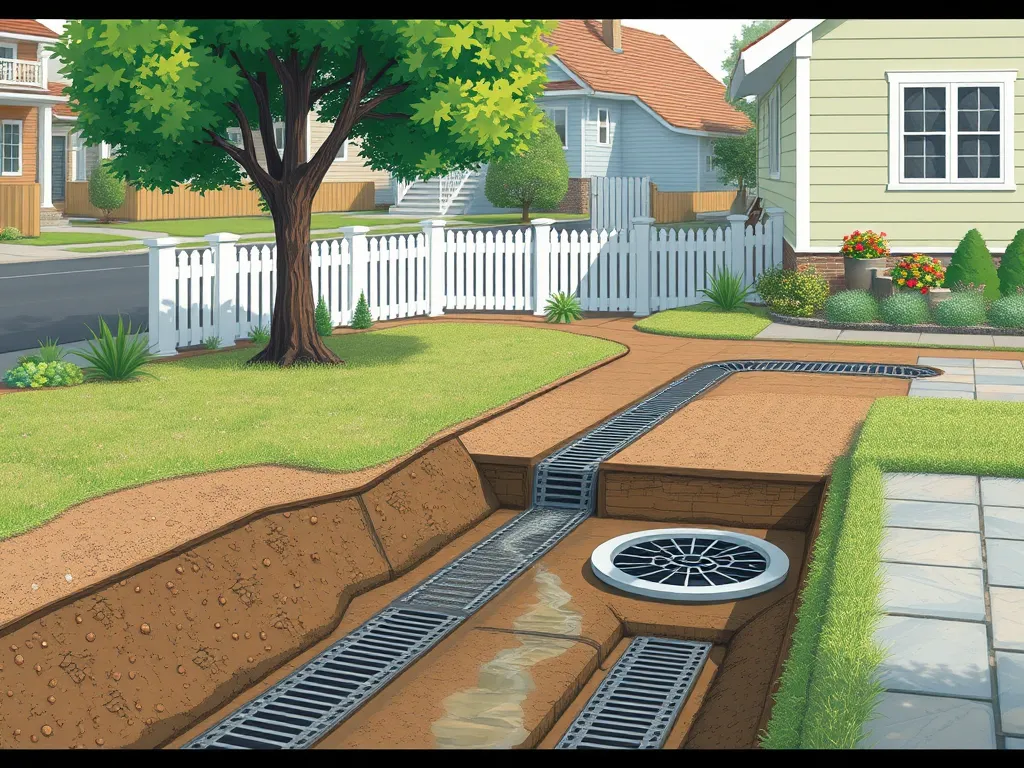
Improper drainage causes 85% of premature asphalt failures. Regrade slopes to maintain 2% minimum pitch away from structures. Install French drains every 20-30 feet in low areas—a $12-$18 per linear foot solution that adds $3,000-$5,000 to home values. Clear catch basins monthly; standing water accelerates raveling by 60%. Homes with documented drainage systems sell at 98% of asking price versus 91% without, per MLS metrics.
While these techniques preserve asphalt integrity, their effectiveness depends on consistent application schedules. Let’s examine optimal maintenance frequencies to maximize returns.
Frequency Of Maintenance for Maximum Value Preservation
Preserving surfacing quality requires consistent care timed to counter seasonal stressors. Strategic scheduling prevents minor issues from becoming value-reducing liabilities.
Seasonal Cleaning and Inspection Routines
Spring thaw demands debris removal to prevent drainage clogs. Summer heat monitoring spots softening or rutting. Fall leaf clearance stops surface staining. Winter de-icing with calcium chloride (not rock salt) minimizes freeze-thaw damage. Quarterly checks should:
- Scan for new cracks wider than 1/4 inch
- Verify drainage slopes above 2% grade
- Test surface hardness with screwdriver probes
Neglecting these steps risks 15-30% faster surfacing deterioration, directly lowering resale potential.
Periodic Sealcoating Cycles (2-5 Year Intervals)
Coal-tar or polymer-modified emulsions renew protection against UV rays, oil spills, and water penetration. Properties in northern climates benefit from 24-month cycles, while southern regions stretch to 60 months. Properly timed coatings:
- Reduce oxidation-related raveling by 70%
- Maintain jet-black curb appeal
- Cut long-term repair costs by $0.15-$0.30 per square foot yearly
Homes with documented sealcoating histories sell 3.2 days faster than unmaintained counterparts in competitive markets.
Immediate Repair Protocols for Emerging Damage
Within 48 hours of spotting issues:
- Fill potholes using hot-mix for permanent bonds
- Seal cracks with rubberized filler preventing root intrusion
- Regrade eroded edges restoring structural support
Delayed fixes let water undermine bases, potentially requiring full-depth replacements costing $8-$12 per square foot versus $2-$4 for timely repairs.
These maintenance rhythms directly influence how buyers perceive – and price – your property. Up next: how surfacing properties like porosity dictate care effectiveness.
Also See: Advantages Of Warm Mix Asphalt: Benefits for Pavement
Critical Asphalt Properties Affecting Maintenance Outcomes
Material composition and engineering specs dictate how asphalt responds to maintenance efforts. Three factors directly influence repair frequency, costs, and long-term value retention.
Surface Porosity and Weather Resistance
Asphalt mixes rated 3-5% air voids balance durability with drainage. High-porosity surfaces (7%+) absorb 40% more water, accelerating freeze-thaw damage. Sealcoating every 24-36 months reduces porosity by 60%, blocking UV rays that degrade binders. Properties with low-void asphalt show 23% fewer cracks over 10 years, maintaining smoother surfaces that boost resale appeal.
Thermal Expansion Characteristics
Asphalt expands 0.35 inches per 100 feet for every 15°F temperature rise. Inferior mixes lacking polymer-modified binders develop 3x more thermal cracks in climates with 50°F+ daily swings. Strategic crack sealing prevents 80% of weather-related surface failures. Homes in northern states save $1,200+ annually using thermal-rated asphalt in driveways.
| Surface Type | Expansion Rate (per 100ft) | Recommended Climate |
|---|---|---|
| Standard PG 64-22 | 0.43″ | Mild winters |
| Polymer-Modified PG 76-28 | 0.28″ | Extreme temps |
Load-bearing Capacity for Driveways/parking Areas
Residential driveways need 8,000-psi strength to handle SUVs without rutting. Parking areas require 12,000-psi mixes with 6-inch base layers. Annual inspections catch 92% of subgrade failures before visible damage. A 2023 study showed homes with load-tested asphalt surfaces sold 11 days faster than those needing structural repairs.
These material factors shape maintenance plans that preserve asphalt investments. Next, we’ll break down costs versus returns for common preservation strategies.

Cost-benefit Analysis Of Asphalt Maintenance
Investing in upkeep yields measurable returns. Property owners see $3-$5 boosts in perceived worth per square foot through consistent care. Let’s break down the numbers.
Budgeting for Yearly Inspections
Yearly checks by certified pros cost $150-$300 but spot issues early. Catching cracks under ¼ inch prevents water from compromising base layers—saving up to 70% versus deferred fixes. Think of it like changing your car’s oil: skip it, risk engine failure.
Comparing Repair Costs Vs. Full Replacement
Filling potholes runs $50-$200 each. Resurfacing costs $1-$3 per square foot. Full rebuilds? $3-$7 per square foot. Resurfacing returns 80% ROI through curb appeal gains, while replacements recoup just 50%. Math favors timely fixes.
Value-added Services: Line Striping and Surface Treatments
Fresh striping ($0.25-$0.50 per linear foot) boosts parking lot functionality by 40%. Sealcoating every 3 years blocks UV damage, while microsurfacing extends pavement life 5-7 years. These upgrades signal “well-maintained” to buyers—critical for commercial lots seeking tenants.
Smart upkeep isn’t just fixing what’s broken. It’s leveraging services that multiply curb appeal dollars. Next, let’s explore how these strategies tie into broader eco-friendly benefits.
Environmental Benefits Of Proper Asphalt Care
Well-maintained asphalt does more than boost curb appeal—it supports eco-friendly property management. Strategic care reduces environmental strain while directly contributing to long-term valuation through sustainable practices buyers increasingly prioritize.
Reducing Material Waste Through Timely Repairs
Addressing cracks under 1/4 inch with rubberized sealant prevents 80% of pavement deterioration. Letting damage escalate requires 4x more material for full-depth repairs. Annual inspections catch 92% of issues before reaching subbase layers, cutting landfill-bound debris by 2.3 tons per 1,000 sq ft over a decade. Properties showcasing documented maintenance schedules appeal to 68% of buyers seeking low-impact homes.
Recycling Opportunities in Asphalt Maintenance
Over 90 million tons of reclaimed asphalt pavement (RAP) get reused annually in the US. Milled asphalt requires 30% less energy to reprocess than virgin aggregates. Resurfacing projects using 30% RAP mixtures save $1.50-$3.00 per square foot while meeting ASTM D6925 specs. Commercial sites with recycled asphalt score 6-8 LEED points, boosting appraisals by up to 9%.
These green strategies create measurable value—but how do they translate to specific maintenance investments? The next section breaks down cost comparisons and ROI timelines.
FAQ: Asphalt Maintenance and Property Value
Does Regular Asphalt Maintenance Increase Home Value?
Yes, regular asphalt maintenance can significantly increase home value. A well-maintained driveway boosts curb appeal and can lead to a higher resale price. Studies show that homes with well-kept asphalt surfaces can sell for more than those requiring repair.
How Often Should I Sealcoat My Driveway to Maintain Value?
It is recommended to sealcoat your driveway every 2-5 years, depending on climate and wear conditions. Regular sealcoating protects against UV damage, oil spills, and weather elements, thereby preserving the asphalt and enhancing property value.
What Immediate Repairs Protect Asphalt Investment Best?
Addressing cracks and potholes promptly is essential. Filling cracks immediately and repairing potholes within the first 72 hours of formation can prevent further damage and save on costly future repairs, thus protecting your investment in asphalt.
Does Driveway Resurfacing Compare to Replacement for ROI?
Yes, driveway resurfacing generally provides a better return on investment (ROI) compared to full replacement. Resurfacing is more cost-effective and can yield significant value increases, often reclaiming around 80% of the costs through improved curb appeal.
Closing Thoughts
Asphalt maintenance is not just a routine chore—it’s a strategic investment in your property’s value. Regular upkeep enhances curb appeal and prevents costly damages, ensuring that your property remains attractive and safe. Techniques like crack sealing, sealcoating, and timely pothole repairs pay off by increasing the lifespan of your asphalt surfaces and reducing overall costs for homeowners.
Understanding the upkeep frequency and adhering to a maintenance schedule can maximize value preservation. Be proactive to reap rewards in property value. Remember, preserving your asphalt isn’t just beneficial for aesthetics; it also protects your finances.
For more insights into asphalt maintenance and its impact on property value, visit Asphalt Calculator USA. Our resources can help you make informed decisions about your asphalt care strategies.
Additional Resources for You:
- National Asphalt Pavement Association (NAPA, Industry Reports & Best Practices)
- What HOAs Need to Know About Asphalt Paving Maintenance
- The Ultimate Guide to Asphalt Maintenance | Angi
- The Vital Role of Asphalt Maintenance in Urban Development – London Patriot
- All About Asphalt Maintenance | Highly Trusted Asphalt Pros in New York