The Role Of Asphalt in Urban Infrastructure
Published on: April 6, 2026 | Last Updated: April 14, 2025
Written By: George Voss
Asphalt shapes modern cities by creating durable, weather-resistant surfaces for roads, parking lots, and pavements. Made of 95% crushed stone or gravel (aggregates) bound by 5% bitumen—a sticky petroleum byproduct—it supports heavy traffic while reducing noise by up to 7 decibels. Urban planners rely on asphalt for its quick installation, recyclability (old pavement can be reused at 95% rates), and cost savings up to 35% versus concrete. Challenges include managing heat absorption (asphalt surfaces can reach 150°F in summer) and frequent maintenance in extreme climates.
This article breaks down how asphalt keeps cities moving. Learn how PG (Performance Grade) binders adapt to temperature shifts, why Superpave mix designs dominate U.S. roads since the 1990s, and how porous asphalt reduces flooding by absorbing 5 gallons of water per minute. We’ll compare asphalt to concrete, explore cool pavements that cut urban heat islands, and detail innovations like recycled rubber-infused mixes.
Contents
- Understanding Asphalt and Its Composition
- The Importance Of Asphalt in Urban Infrastructure
- Primary Applications Of Asphalt in Urban Environments
- Advantages Of Asphalt in City Infrastructure
- Comparing Asphalt to Other Road Stuff
- Environmental Impact and Sustainability
- Addressing Challenges in Asphalt Utilization
- Frequently Asked Questions (FAQs)
- Closing Thoughts
- Additional Resources for You:
Understanding Asphalt and Its Composition
From highways to parking lots, asphalt forms 90% of paved surfaces in U.S. cities. Its adaptability stems from a mix of raw materials and production methods that align with urban demands.


What is Asphalt?
Asphalt combines bitumen (a sticky black substance) with mineral aggregates like crushed rock or sand. This mix acts as a binding agent, creating smooth pavements for roads, driveways, and runways. Its dark color aids snow melting in cold climates, boosting safety in cities like Minneapolis or Buffalo.
Key Components and Manufacturing Process
Aggregates make up 95% of asphalt by weight, providing structural strength. Bitumen, derived from crude oil, forms the remaining 5%, binding materials while allowing slight flexibility. Modern mixes use PG (Performance Graded) binders—tested for specific climates—and follow the Superpave system to guarantee consistency.
Production starts by drying aggregates at 300°F, then mixing with hot bitumen. Pavement layers get compacted at 250°F for optimal density. This process allows rapid installation, with roads often reopening within 24 hours—a key factor for minimizing traffic disruptions in busy urban zones.

With its blend of science and adaptability, asphalt’s composition sets the stage for its widespread use in shaping cities. Next, we’ll look at how this material became a foundation of modern urban planning.
The Importance Of Asphalt in Urban Infrastructure
From bustling highways to quiet neighborhood roads, asphalt forms a vital layer in city frameworks. Its adaptability and strength support daily urban operations while shaping long-term growth.
Historical Development in City Planning
Asphalt’s integration into cities began with 19th-century urbanization. Paris laid its first asphalt roads in 1852, replacing uneven cobblestones. New York City followed in 1870, using Trinidad Lake asphalt for Broadway. This shift allowed faster transit, lower dust levels, and simplified upkeep compared to stone or dirt paths. By 1900, over 90% of U.S. urban roads used asphalt, setting standards for modern city layouts.
Why Asphalt is Critical for Modern Infrastructure
Urban zones demand materials that withstand heavy loads, shifting soils, and harsh conditions. Asphalt’s flexibility—achieved through PG (Performance Graded) binders and Superpave mix designs—absorbs stress without cracking. It supports 94% of U.S. paved roads due to its quick installation (24-48 hours for full curing) and lower upfront costs ($2-$5 per square foot). Cities rely on its ability to handle 18,000-30,000 vehicles daily while allowing easy repairs through milling and overlays.
Key Functions in Construction and Maintenance
- Load Distribution: Asphalt’s layered system spreads weight across subgrades, vital for bridges, parking garages, and industrial zones
- Waterproofing: Dense-graded mixes block moisture intrusion, protecting road bases from frost heave in northern climates
- Surface Renewal: Cities recycle 99% of reclaimed asphalt pavement (RAP), cutting material costs by 20-30% during resurfacing
- Storm Mitigation: Porous asphalt drains 400-800 gallons of water per minute per acre, reducing urban flooding risks
From ancient binders to high-tech polymer mixes, asphalt continues to adapt—a trait that positions it as a linchpin in tomorrow’s smart cities. Up next: how its physical traits translate into specific urban applications.
Primary Applications Of Asphalt in Urban Environments
Asphalt’s adaptability positions it as a vital material for city growth. From moving cars to managing storms, its functions shape how towns function daily.
Road Construction and Residential Streets
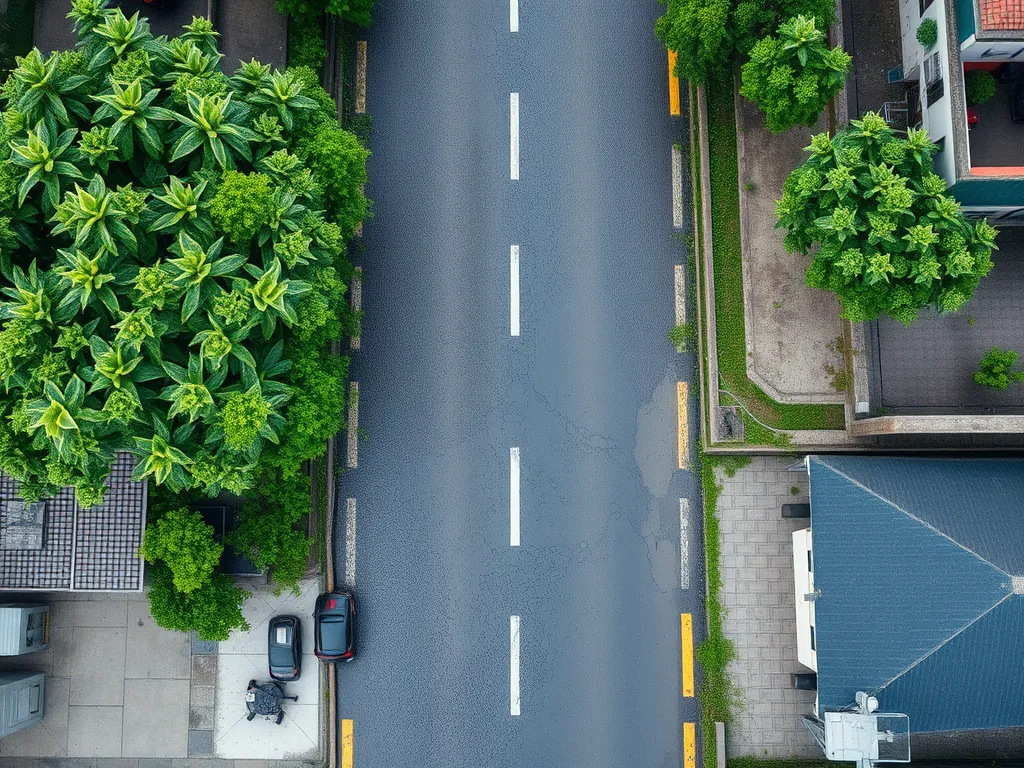
Over 94% of U.S. paved roads use asphalt. Its flexibility allows it to handle heavy loads without cracking, making it ideal for highways, bus lanes, and local roads. PG (Performance Grade) binders—tailored to local climates—boost its strength in freezing winters or scorching summers.
Durability for High-Traffic Areas
Urban highways with 100,000+ daily vehicles rely on asphalt layers up to 12 inches thick. Stone-matrix asphalt mixes with fiber additives resist rutting, lasting 15-20 years with minimal upkeep. This cuts long-term costs by 30% compared to rigid pavements.
Water Management Systems
Porous asphalt tackles stormwater challenges. A single acre can absorb 27,000 gallons in one hour, slashing flood risks. Cities like Philadelphia use it in parking lots to cut runoff by 75%.
Drainage and Flood Prevention
| Type | Permeability | Cost per Sq Ft |
|---|---|---|
| Traditional | 0.1 in/hr | $2.50 |
| Porous | 5 in/hr | $4.20 |
Though pricier upfront, porous systems save $8-$12 per sq ft by avoiding curbs and drains. Subsurface stone beds filter pollutants, improving water quality.
Noise Reduction Solutions
Open-graded asphalt lowers traffic noise 3-5 decibels—a 50% drop in loudness. Brussels installed it on ring roads, reducing complaints by 40%.
Sound-Absorbing Asphalt Pavements
Air pockets in the mix trap sound waves. Pairing this with rubberized binders from recycled tires cuts noise further. Phoenix saw a 7 dB drop on I-17, aiding nearby homes.
From silent streets to flood-fighting lots, asphalt’s roles adapt to city needs. Next, we’ll break down how its financial perks make it a top pick for tight budgets.
Also See: Freeze-thaw Cycle Effects on Asphalt: Damage & Repair
Advantages Of Asphalt in City Infrastructure
From bustling highways to quiet neighborhood streets, engineered mixtures of stone, sand, and bitumen form the backbone of modern cities. These materials deliver performance tailored to urban demands.
Cost-effectiveness and Rapid Deployment
Budget constraints drive many municipal decisions. Bitumen-based mixtures cost 20-35% less per ton than concrete, with installation speeds up to 3x faster. Crews can lay 500-800 tons daily, reopening roads within 24-48 hours. Cold-mix formulas let crews patch potholes year-round, even in freezing temperatures. Lifecycle savings reach 30% due to simpler repairs.
Smooth Surfaces for Safety and Comfort
Bitumen’s binding properties create tightly compacted layers with skid resistance ratings exceeding 50 BPN (British Pendulum Number). This lowers wet-weather crash rates by 12-18% compared to rigid pavements. Uniform surfaces reduce tire noise by 3-7 decibels while cutting vehicle wear—saving drivers $130-$260 yearly in maintenance.
Flexibility in Extreme Weather Conditions
Performance-graded (PG) binders adjust to local climates. PG 76-22 mixes withstand Phoenix’s 120°F summers, while PG 58-28 resists Minneapolis’ -30°F winters. Thermal contraction rates stay below 0.0005 inches per degree Fahrenheit, preventing cracks under cyclic loading. Cities using modified bitumen report 40% fewer weather-related repairs over 10 years.
While these benefits make bitumen-based systems versatile, material selection depends on specific project needs. Up next: how it compares to concrete in longevity, carbon footprint, and operational demands.

Comparing Asphalt to Other Road Stuff
Asphalt Vs. Concrete: Which Lasts Longer?
Asphalt beats concrete in cold spots. Its bendy mix handles freeze-thaw cycles better. While concrete cracks under stress, asphalt flexes. Cities pick asphalt for 90% of paved roads due to this flex. PG binders (tar-like glue) let it stretch in temps from -40°F to 150°F. Concrete roads need joints that break down in 15-20 years. Asphalt lasts 20+ years with care.
Cost Wins Over Time
Asphalt costs 40% less upfront than concrete. Fixing cracks? Asphalt patching runs $2-$5 per square foot. Full concrete slab swaps hit $8-$15. Blacktop sets fast – roads reopen in 24-48 hours vs. 7 days for concrete. Re-use old roads: recycled asphalt saves 25% on new builds. Over 30 years, asphalt roads cost 30% less per mile than concrete.
Next, we’ll see how these gains help cities go green without breaking the bank.
Environmental Impact and Sustainability
Asphalt’s role in urban infrastructure extends beyond functionality. Modern formulations prioritize eco-friendly solutions that align with climate resilience goals.
Recyclability and Use Of Reclaimed Materials
Asphalt leads construction materials with a 95% recycling rate. Reclaimed Asphalt Pavement (RAP) – milled from old roads – gets blended into new mixes. This process cuts material costs by 20-25% and lowers CO₂ emissions by 1.5 tons per lane mile. Over 89 million tons of RAP get reused annually in U.S. road projects, reducing landfill demand for urban waste streams.
Reducing Urban Heat Island Effects
Traditional dark pavements absorb 80-95% of sunlight, elevating city temperatures by 5-7°F. Cool asphalt technologies combat this. Reflective coatings with titanium dioxide or light-colored aggregates slash surface heat absorption by 40%. Porous asphalt pavements – featuring 16-22% air voids – dissipate heat faster while managing stormwater. Cities like Los Angeles report 10-15°F neighborhood cooling after installing these solutions.
These innovations highlight asphalt’s adaptability in balancing urban needs with ecological priorities. Next, we examine how engineers tackle asphalt’s physical challenges through cutting-edge material science.
Addressing Challenges in Asphalt Utilization
Urban environments push asphalt to its limits. Temperature swings, heavy traffic loads, and environmental demands require engineered solutions to maintain performance.
Managing Thermal Expansion and Contraction
Asphalt faces challenges from temperature shifts. Daily and seasonal changes cause expansion and contraction. Left unmanaged, this leads to cracks and surface damage.
Engineers use expansion joints filled with flexible sealants. These allow movement without compromising structural integrity. Polymer-modified binders, like PG 76-22 (Performance Graded binders designed for high-temperature stability), enhance flexibility. Phoenix reports 40% fewer thermal cracks with modified mixes rated for 150°F extremes.
| Solution | Key Benefit | Cost Impact |
|---|---|---|
| Polymer-modified binders | +50% crack resistance | +$8–$12 per ton |
| Expansion joints | Prevents buckling | $2–$4 per linear foot |
Advancements in Reflective and Porous Asphalt
New developments in reflective and porous asphalt tackle urban environmental issues. Reflective asphalt, known as cool pavement, uses lighter aggregates or coatings. This raises the Solar Reflectance Index (SRI) to 35–40, cutting surface temps by 7–10°F.
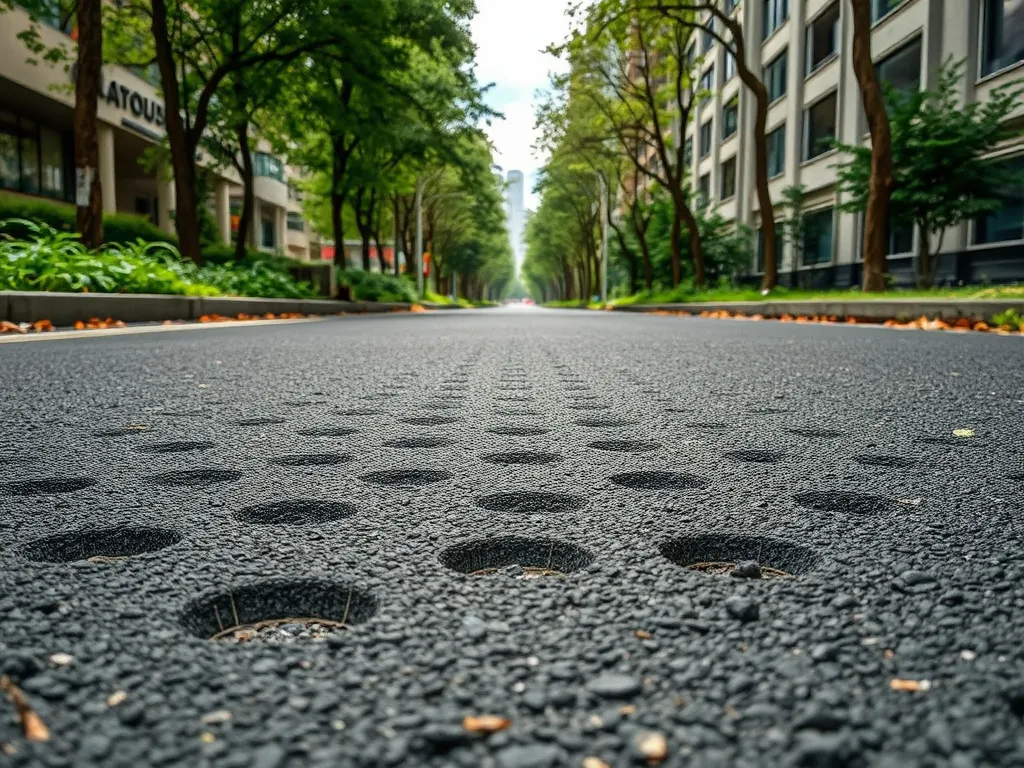
Porous asphalt features 16–22% void spaces. Stormwater drains at 100–200 gallons per minute per square yard. Chicago’s Green Alley Program reduced flood events by 50% using permeable pavements. The material also traps tire noise, lowering sound levels by 3–5 decibels.
These advancements set the stage for examining asphalt’s environmental footprint in modern cities.
Frequently Asked Questions (FAQs)
How Does Asphalt Contribute to Urban Mobility?
Asphalt plays a crucial role in urban mobility by providing smooth, durable surfaces for roads and highways. It supports heavy traffic loads while ensuring safety and convenience for drivers and pedestrians. Its rapid installation and maintenance capabilities help keep urban transport systems functioning efficiently.
Can Asphalt Be Environmentally Friendly?
Yes, asphalt can be environmentally friendly. Many asphalt mixes now incorporate recycled materials, such as Reclaimed Asphalt Pavement (RAP), which significantly reduces the need for new materials. Additionally, cool asphalt technologies help mitigate urban heat island effects by reflecting sunlight and using lighter-colored aggregates to reduce surface temperatures.
What Are the Maintenance Requirements for Asphalt Paving?
Asphalt paving requires regular maintenance, including sealing cracks, applying surface treatments, and routine inspections. While maintenance practices can extend the lifespan of asphalt and enhance its performance, proper attention needs to be given to prevent issues such as potholes or surface degradation.
Is Porous Asphalt Suitable for All Climates?
Porous asphalt is beneficial for many climates, particularly those with significant rainfall, as it aids in effective stormwater management. However, its effectiveness can be influenced by local conditions, such as freeze-thaw cycles, which may necessitate specific design considerations to avoid clogging from ice or debris.
What Are Some Innovative Uses Of Asphalt in Urban Design?
Innovative uses of asphalt in urban design include the development of sound-absorbing asphalt pavements, which significantly reduce traffic noise in residential areas. Another application is in green infrastructure, where porous asphalt is used in rain gardens or bioswales to manage stormwater while maintaining aesthetic appeal.
How Does Asphalt Affect Urban Heat Levels?
Traditional asphalt surfaces can absorb a significant amount of heat, contributing to elevated urban temperatures, known as the urban heat island effect. However, advances in reflective and cool asphalt can mitigate this issue by decreasing heat absorption and helping to keep surrounding areas cooler.
Closing Thoughts
Asphalt plays a vital role in shaping urban infrastructure. Its durability and flexibility make it ideal for everything from roads to parking lots. This material not only supports heavy traffic but also aids in effective drainage and noise reduction. As cities expand, the importance of asphalt grows, demonstrating its versatility and economic benefits.
Moreover, with advances in technology, asphalt continues to evolve. Innovations such as reflective and porous asphalt enhance its function, addressing both environmental and urban challenges. Its recyclability supports sustainability efforts, making asphalt a sound choice for communities aiming for eco-friendliness.
For more information and tools related to asphalt, visit Asphalt Calculator USA.
Additional Resources for You:
- Lavin, P. (2003). Asphalt Pavements: A Practical Guide to Design, Production, and Maintenance for Engineers and Architects. London: Taylor & Francis.
- The role of asphalt in sustainable road-building
- An Essential Guide To Asphalt
- What’s in Your Asphalt? | FHWA – Department of Transportation
- Asphalt concrete – Wikipedia