Roadway Noise Reduction With Asphalt: Techniques and Materials
Published on: April 5, 2026 | Last Updated: April 14, 2025
Written By: George Voss
Roadway noise reduction with asphalt uses specialized materials and paving methods to cut traffic noise by 3-10 decibels—equivalent to 50% quieter roads compared to concrete surfaces. Asphalt achieves this through dense designs that absorb tire vibrations, porous textures that trap sound waves, and rubberized mixes that soften impacts. Techniques like stone matrix asphalt or rubber-modified binders can lower noise while lasting 15-20 years. Costs run $2-$4 per square foot, 15-30% higher than standard asphalt, but reduce long-term maintenance by 40%.
This article breaks down how asphalt quiets roads. Learn which mixes work best: porous asphalt drains noise like a sponge, rubberized blends dampen sound with recycled tires, and stone matrix surfaces smooth out tire hum. Discover texturing methods like grinding or grooving that scatter sound waves. Compare costs, lifespans, and eco-benefits like using 20% recycled materials. Get answers on retrofitting old roads and why asphalt often beats concrete for noise control.
Contents
- Introduction to Asphalt-based Roadway Noise Reduction
- How Asphalt Reduces Road Noise
- Types Of Noise-reducing Asphalt Mixtures
- Effective Techniques for Asphalt Road Noise Reduction
- Environmental Benefits Of Noise-reducing Asphalt
- FAQs on Asphalt Pavement Noise Reduction
- Closing Thoughts
- Additional Resources for You:
Introduction to Asphalt-based Roadway Noise Reduction
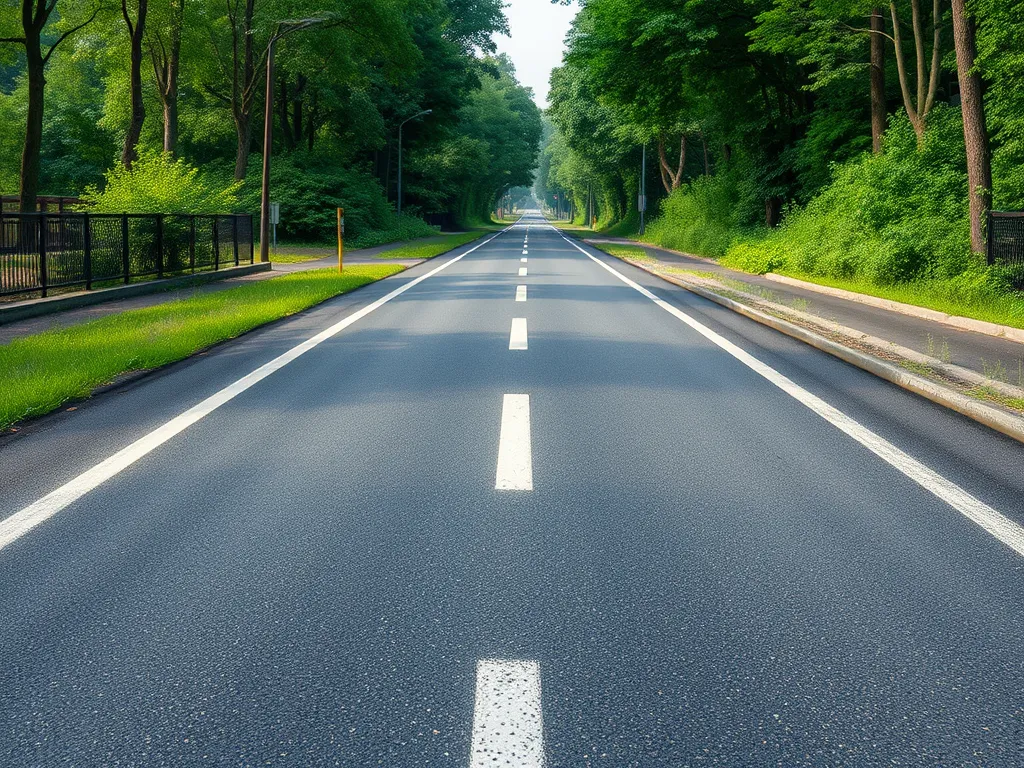
Road noise harms health and daily life. Cars, trucks, and tires create sound waves that bounce off hard surfaces. Asphalt fixes this issue by acting as a sound barrier. Modern mixes cut noise at the source through smart design and material science.

- ✓
- ✓
- ✓


Key asphalt types tackle noise in unique ways. Porous asphalt drains water and traps sound. Stone matrix asphalt (SMA) uses a rough yet even surface to break up tire hum. Rubberized asphalt blends old tires for a softer, quieter ride. Each mix meets strict specs for noise control and wear.

Quiet asphalt lasts 15-20 years, costs 10-15% less than concrete, and reuses 95% of old roads. Cities like Los Angeles saw 5-7 decibel drops after switching. Lower noise means better sleep, focus, and property values near busy roads.
Next, learn how these asphalt types cut noise through texture, mix design, and smart engineering.
How Asphalt Reduces Road Noise
Asphalt’s composition and engineering make it a leader in roadway noise reduction. Three factors drive its sound-suppressing capabilities: material flexibility, surface texture design, and air void structures that disrupt sound waves.
Mechanisms Of Noise Reduction in Asphalt Pavements
Asphalt pavements combat noise through three physical actions. Absorption occurs in porous mixes where interconnected air voids trap sound waves. Dampening happens when viscoelastic bitumen converts tire vibration energy into heat. Deflection uses surface textures to scatter noise away from roadside areas. Porous asphalt achieves 5-10 dB greater noise reduction than dense mixes through these combined effects.
Key Properties Contributing to Sound Dampening
Four material characteristics define asphalt’s noise performance:
| Property | Impact | Typical Values |
|---|---|---|
| Air Void Content | Higher voids (18-22%) improve absorption | Porous asphalt: 20% voids |
| Binder Elasticity | Rubber-modified asphalt dampens vibrations | 30% recycled tire rubber content |
| Aggregate Size | Smaller stones reduce tire slap | 4.75mm NMAS in Quiet Pavement mixes |
| Surface Texture | Negative textures trap sound | 1-3mm texture depth optimal |
Rubberized asphalt mixes demonstrate 7-12 dB noise reduction over conventional pavements, with costs averaging $85-$110 per ton depending on polymer content.
These engineered properties set the stage for exploring specific noise-reducing asphalt types. Next, we’ll break down how porous designs, rubber modifications, and specialized textures achieve measurable sound reductions.
Types Of Noise-reducing Asphalt Mixtures
Modern asphalt blends tackle roadway noise through specialized designs. Four key mixtures stand out for their sound-dampening properties.
Porous Asphalt
This open-graded mix features 16-22% air voids, creating channels for sound waves to dissipate. Used widely in Europe and U.S. highways, porous asphalt cuts traffic noise by 3-10 decibels compared to standard pavements.
Structure and Sound Absorption Capabilities
Interconnected voids act as acoustic traps. Air compressions from tires enter the gaps, reducing mid-frequency noise (1,000-2,000 Hz) by up to 50%. Requires regular cleaning to maintain void structure.
Stone Matrix Asphalt (SMA)
Stone-on-stone contact forms a rugged surface that minimizes tire vibrations. SMA’s gap-graded design uses 70-80% crushed aggregate held together with cellulose fibers or polymers.
Surface Texture and Noise Dampening
The coarse texture lowers high-frequency noise (2,000-5,000 Hz) by 2-4 dB. SMA’s durability also resists rutting, keeping noise levels stable for 12-15 years with proper maintenance.
Rubberized Asphalt
Blends 15-22% recycled tire crumb with asphalt binder. The added rubber increases pavement elasticity, absorbing tire impacts that generate low-frequency rumble (500-1,000 Hz).
Elasticity and Impact on Noise Reduction
Rubber particles create a flexible matrix that reduces vibration energy by 30-40%. Field tests show 4-7 dB noise drops on rubberized surfaces, with effects lasting 8-10 years before reapplication.
Dense-graded Asphalt
Standard hot-mix asphalt can lower noise when compacted to 5-7% air voids. Tight particle packing creates a smoother ride, cutting tire whine by 1-3 dB versus older rough-textured roads.
Compact Design for Minimizing Tire Noise
Fine aggregates fill gaps between larger stones, reducing surface porosity. Best for low-speed roads, dense mixes cost $2.50-$4.50 per square foot and require minimal design changes from conventional asphalt.
Choosing the right mix depends on traffic volume, climate, and budget. Next, explore proven techniques to amplify these materials’ noise-blocking power.
Also See: Asphalt Inspection Techniques: 5 Key Methods
Effective Techniques for Asphalt Road Noise Reduction
Road noise from cars and trucks can be cut by up to 10 decibels with smart asphalt design. Three key methods make this possible.
Surface Texturing Methods
Rough or smooth? Both can work. Grinding grooves into asphalt breaks up sound waves from tires. Porous surfaces let noise escape through tiny holes. A study in Texas found porous asphalt cuts noise by 3-6 dB compared to dense mixes. Diamond-grinding tools create uniform textures that lower tire hum. These methods target noise at its source.
Material Composition Optimization
What’s in the mix matters. Adding 15-20% crumb rubber from old tires softens the surface, dampening sound. Polymer-modified binders glue aggregates tighter, reducing gaps that amplify noise. Smaller stone sizes (under ½ inch) create smoother rides. Open-graded mixes with 18-22% air voids absorb sound like foam. Rubberized asphalt can slash noise by 7 dB over 5 years.
| Material | Noise Drop | Cost Increase |
|---|---|---|
| Crumb Rubber | 4-7 dB | 12-18% |
| Porous Mix | 3-6 dB | 8-15% |
| Small Aggregate | 1-3 dB | 3-5% |
Integrated Noise Barriers With Asphalt Pavements
Asphalt itself can act as a wall. Recycled asphalt berms 6-8 feet high block sound from spreading. Low walls (2-3 feet) along roadsides reflect noise upward. Some states use in-pavement barriers with sound-absorbing cores. A 2022 project in Arizona combined porous asphalt with berms, cutting highway noise by 50% for nearby homes.
These quiet asphalt solutions do more than mute noise—they often use recycled tires and old pavement. Next, we’ll explore how eco-friendly these mixes truly are.

Environmental Benefits Of Noise-reducing Asphalt
Quiet asphalt mixtures do more than lower decibel levels – they actively support eco-friendly infrastructure. These pavements merge noise control with material innovation to reduce environmental strain.
Recycled Material Usage in Quiet Asphalt
Modern noise reducing asphalt formulas incorporate 20-40% recycled asphalt pavement (RAP) and reclaimed tire rubber. Crumb rubber from 2,000+ scrap tires gets reused per lane mile in rubberized asphalt. This elastic additive enhances sound absorption while diverting 300+ tons of waste from landfills annually in states like California and Arizona.
- Recycled aggregates reduce quarrying needs by 30% in porous asphalt mixes
- Post-consumer plastics strengthen polymer-modified asphalt binders
- Reclaimed roofing shingles supplement bitumen content in SMA mixtures
Long-term Sustainability Considerations
Noise dampening asphalt pavements last 15-20 years versus 8-12 years for conventional mixes. Their extended service life cuts maintenance frequency by 35%, reducing:
- Construction emissions (2.1 tons CO2 saved per repaving delay year)
- Material consumption (18% less aggregate use over pavement lifecycle)
- Energy expenditure (142,000 BTU saved per mile annually)
Porous asphalt’s 18-22% air void structure filters stormwater naturally, removing 80% of suspended solids without separate treatment systems. Open-graded surfaces also lower urban heat island effects by 7°F compared to dense pavements.
These environmental advantages position quiet asphalt as a key solution for cities balancing noise control with climate goals. Next, we’ll address common questions about implementing these noise-reducing surfaces.
FAQs on Asphalt Pavement Noise Reduction
Does Asphalt Reduce Noise Compared to Concrete?
Yes, asphalt typically reduces noise better than concrete. Its properties allow for greater sound absorption, leading to quieter roadway surfaces. Studies show that asphalt pavements can reduce traffic noise by 3-10 decibels more than concrete, which effectively means they can create a 50% quieter environment.
What is the Most Effective Asphalt Type for Sound Absorption?
Porous asphalt is often regarded as the most effective type for sound absorption due to its high air void content, which helps trap sound waves. However, Rubberized Asphalt and Stone Matrix Asphalt (SMA) also offer significant noise reduction capabilities depending on the specific sound frequencies being targeted.
How Does Stone Matrix Asphalt Improve Noise Reduction?
Stone Matrix Asphalt (SMA) provides noise reduction through its unique texture and structure. The stone-on-stone contact reduces tire vibrations, while the rough texture helps disperse sound effectively, lowering high-frequency noise levels from vehicle tires.
Can Existing Asphalt Roads Be Modified for Quieter Surfaces?
Yes, existing asphalt roads can be modified to become quieter. Techniques like grinding the surface to create a more uniform texture or overlaying with quieter asphalt mixes can significantly reduce noise on established roads.
Does Rubberized Asphalt Maintain Noise Reduction Over Time?
Rubberized asphalt does maintain noise reduction over time, but its effectiveness can diminish due to wear and environmental factors. Generally, it provides significant noise reduction for 8-10 years before potential maintenance or reapplication may be needed to ensure optimal performance.

Closing Thoughts
Reducing roadway noise is not just about comfort; it’s a significant step towards enhancing quality of life. The right asphalt mixtures—like porous asphalt, Stone Matrix Asphalt, and rubberized asphalt—play a vital role in minimizing noise pollution. These materials and techniques contribute to quieter streets, making them more pleasant for residents and road users alike.
The integration of environmental considerations, such as using recycled materials and promoting long-term sustainability, further underscores the value of noise-reducing asphalt. By embracing these innovative solutions, communities can foster environments that prioritize both tranquility and ecological health.
For more detailed information on asphalt and its benefits, check out Asphalt Calculator USA.
Additional Resources for You:
- Kett, I. (1999). Asphalt Materials and Mix Design Manual. Oxford: Elsevier Science.
- Effects of asphalt pavement characteristics on traffic noise reduction in different frequencies – ScienceDirect
- What Asphalt Reduces Noise?