
The Resurfacing Benefits Of Asphalt: Enhancing Durability and Aesthetics
Published on: April 4, 2026 | Last Updated: April 14, 2025
Written By: George Voss
Asphalt resurfacing offers a fast, budget-friendly way to restore worn pavement by adding a fresh 1.5- to 2-inch layer over existing surfaces. Unlike full replacement—which tears out old layers—resurfacing uses the original base for stability. This process costs 30-60% less than replacement, extends pavement life by 8-15 years, and creates a smooth, jet-black finish. Key benefits include repairing cracks, improving drainage, and boosting curb appeal without the downtime of rebuilding from scratch.
This article breaks down how asphalt resurfacing works, when to use it, and why it outperforms alternatives. You’ll learn how resurfacing fixes potholes and uneven surfaces, prevents water damage, and restores traction. We’ll compare costs to sealcoating or replacement, share maintenance tips for longevity, and explain environmental perks like reducing material waste by 95%. Whether you’re managing a parking lot or driveway, discover how resurfacing balances immediate results with long-term value.
Contents
- What is Asphalt Resurfacing?
- Key Advantages Of Asphalt Resurfacing
- Addressing Common Asphalt Issues Through Resurfacing
- Asphalt Resurfacing Vs. Alternative Solutions
- Maximizing the Lifespan Of Resurfaced Asphalt
- Cost Considerations for Asphalt Resurfacing
- Environmental and Sustainability Benefits
- Frequently Asked Questions
- Closing Thoughts
- Useful References for You:
What is Asphalt Resurfacing?
Asphalt resurfacing adds a fresh layer of asphalt mix over existing pavement. This method restores function and appearance without full removal. Contractors typically mill damaged surfaces before applying new layers.

- ✓
- ✓
- ✓


Definition and Process Overview
Resurfacing involves three steps: cleaning, repairing base layers, and applying 1.5-2 inches of new asphalt. The mix contains aggregates (crushed stone, sand) and PG (Performance Grade) binders graded for climate-specific durability. Hot-mix asphalt (HMA) at 300°F bonds tightly to create a smooth finish. Costs range $2-$5 per square foot, depending on regional material prices and labor rates.

Ideal Candidates for Resurfacing
Resurfacing works best when the existing base remains stable. Look for these signs:
- Surface-level cracks under 0.25″ wide (no alligator cracking)
- Minor drainage issues without base erosion
- Pavement age under 15 years with routine maintenance
Projects with over 30% structural damage require full replacement instead. Resurfacing advantages include 40-60% cost savings versus replacement and 2-3 day completion for driveways.
Ready to explore how these resurfacing perks translate into long-term value? Let’s break down the key advantages.
Key Advantages Of Asphalt Resurfacing
Resurfacing offers multiple benefits for worn pavement systems. Below are five core perks making it superior to full replacement in most scenarios.
Cost-effective Surface Restoration
Resurfacing costs $1.50–$3.00 per square foot versus $5–$7 for full replacement. This 60% savings stems from reusing the base layer. Minimal excavation lowers labor needs. No demolition fees pile up. Budgets stretch further without sacrificing quality.
Restoring Structural Integrity
Polymer-modified PG 64-22 binders bond fresh mix to existing pavement. The new 1.5–2” layer reinforces load distribution. This prevents subsurface cracks from migrating upward. Resurfaced driveways handle 8,000–10,000 lbs per axle, matching new builds.
Improved Aesthetic Appeal
Fresh asphalt provides jet-black uniformity. Faded lots regain crisp lines with thermoplastic striping. Surface voids under ¼” get filled during milling. Property value bumps up 5–7% post-resurfacing based on Realtor.com 2023 data.
Enhanced Surface Longevity
Properly resurfaced lots last 12–15 years—nearly doubling untreated pavement’s lifespan. PG binders resist rutting in 120°F summers. Granite aggregates boost skid resistance. Annual degradation rates drop below 1.2% post-treatment.

Quicker Turnaround Compared to Replacement
Most projects finish in 24–48 hours. No base curing needed—traffic resumes once temps hit 50°F. Businesses lose 80% less operational time versus full rebuilds requiring 5–7 days.
These resurfacing perks set the stage for targeting specific pavement issues. Next, we’ll explore how the process eliminates common defects while boosting performance.
Addressing Common Asphalt Issues Through Resurfacing
Resurfacing tackles persistent pavement problems while maintaining structural foundations. This method resolves surface-level defects without full-depth excavation, delivering resurfacing perks like extended service life and reduced repair frequency.
Repairing Cracks and Potholes
Resurfacing eliminates cracks up to ¼” wide and potholes under 2” deep. Contractors mill damaged layers (typically 1.5-3” thick), then apply fresh asphalt mixed with polymers for flexibility. This process prevents alligator cracking recurrence for 8-12 years. Costs average $1.20-$2.50 per square foot versus $4-$7 for replacements.
Eliminating Surface Unevenness
Infrared heating technology bonds new asphalt to existing pavement, correcting rutting and waves. Resurfaced surfaces achieve ≤3mm deviation over 10-foot spans – meeting ASTM E1155 standards. Smoother roads reduce vehicle wear, saving drivers $300-$700 annually in alignment and tire costs.
Preventing Water Damage and Drainage Issues
A 2” resurfacing layer blocks 90% of water infiltration when using PG 64-22 binder. Contractors regrade surfaces to 1-2% slopes, restoring proper runoff. This protects base materials from frost heave and extends pavement life by 3-5 years in freeze-thaw climates.
Restoring Traction and Safety
Fresh asphalt surfaces provide skid resistance values (SRV) of 35-45, compared to worn pavement at 20-25 SRV. Aggregate mixes with 9.5mm stone create micro-texture for wet-weather grip. Resurfaced roads show 18-22% fewer weather-related accidents in DOT studies.
With these resurfacing treatment benefits established, let’s examine how this method stacks against other pavement preservation strategies.
Also See: How to Install Asphalt Speed Bumps: A Quick Guide
Asphalt Resurfacing Vs. Alternative Solutions
Knowing when to pick resurfacing over other fixes saves cash and time. Let’s break down how it compares to common options.
Resurfacing Vs. Complete Replacement
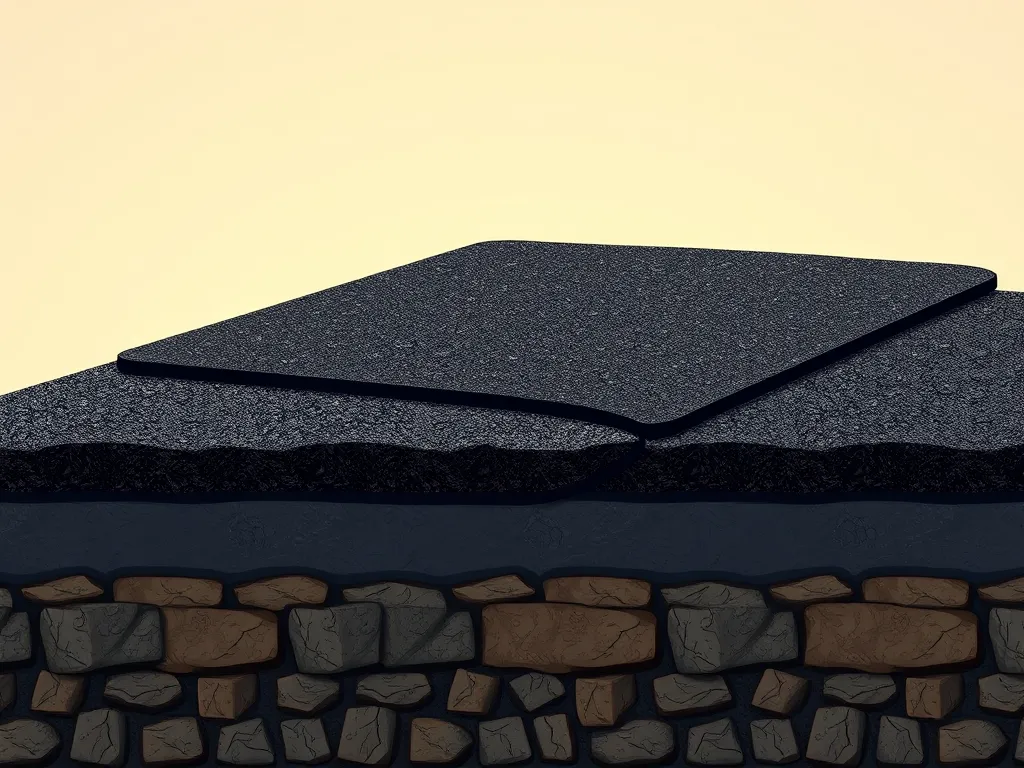
Resurfacing adds a new 1.5-2 inch layer over old asphalt. Costs run $2-$5 per sq.ft. vs $8-$15 for full tear-outs. Choose resurfacing if your base layer is solid. Full rebuilds take weeks and dig 6-8 inches deep. Resurfacing perks shine when cracks stay under 25% of the surface.
Resurfacing Vs. Sealcoating
Sealcoating sprays a thin coat (0.1 inches) at $0.15-$0.25 per sq.ft. It hides stains and blocks UV rays for 2-3 years. Resurfacing fixes dips, cracks, and potholes with fresh mix. It lasts 8-12 years—4x longer than sealants. For worn lots with minor flaws, resurfacing benefits beat short-term seals.
Resurfacing Vs. Pavement Rejuvenation
Rejuvenation oils soak into old asphalt to restore flexibility ($0.50-$1.00 per sq.ft.). It buys 1-2 years for pavements with slight aging. Resurfacing tackles raveling, ruts, and drainage gaps. Using RAP (recycled asphalt) in new layers cuts waste by 20-30%. This combo of fixes and green perks makes resurfacing a durable pick.
Now let’s explore how to keep your fresh surface strong for years to come.
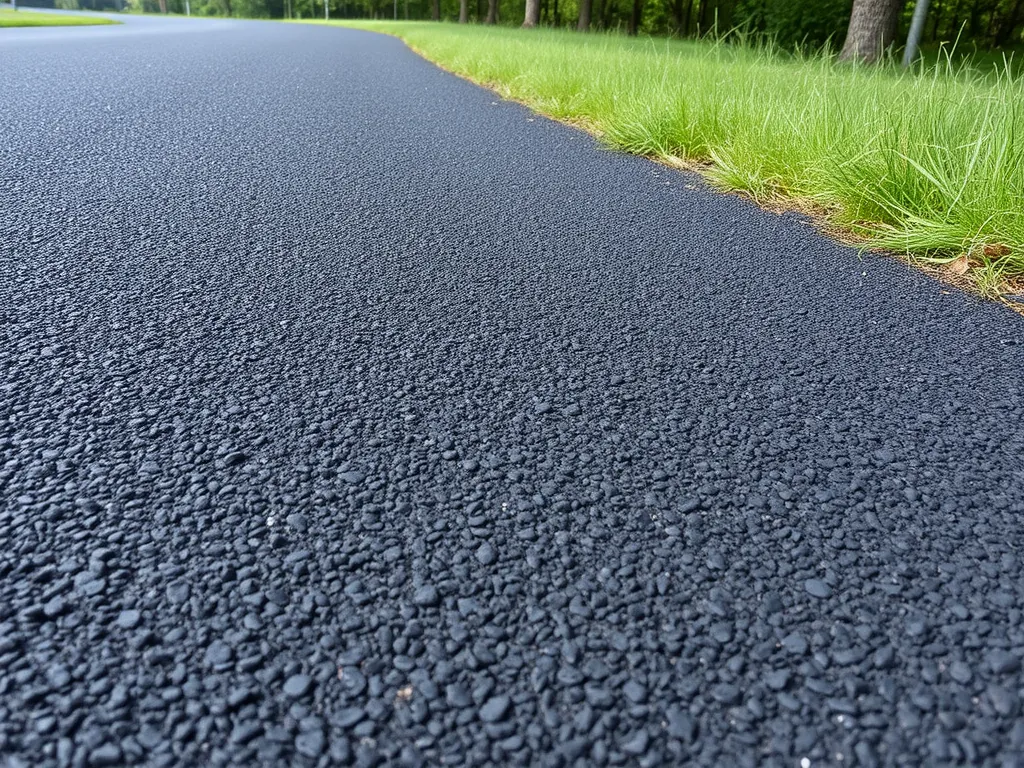
Maximizing the Lifespan Of Resurfaced Asphalt
Proper care keeps resurfaced asphalt strong for years. Follow these steps to lock in resurfacing perks and guard your new surface.
Routine Maintenance Practices
Regular upkeep boosts resurfacing skin benefits. Two key tasks protect your asphalt skin.
Sealcoating After Resurfacing
Apply sealcoat 30 days post-resurfacing. This thin layer blocks UV rays, water, and oil. Use coal tar or asphalt-based sealants. Reapply every 2-3 years. Cost: $0.15-$0.25 per sq.ft.
Prompt Crack Repairs
Fix cracks within 48 hours. Use rubberized asphalt filler. Left unchecked, 1/4″ cracks can grow to 1″ in 6 months. Quick repairs add 3-5 years to surface life.
Avoiding Heavy Loads Post-application
Keep trucks over 10,000 lbs off new asphalt for 7 days. Heat softens fresh mix. Heavy weights leave ruts up to 1″ deep. Park delivery vans and RVs on street edges.
Managing Oil and Chemical Spills
Clean spills within 2 hours. Gas, oil, and de-icer fluids eat through asphalt binders. Use kitty litter to soak up leaks. Scrub stains with trisodium phosphate (TSP) cleaner. Seal damaged spots after cleaning.
These steps boost resurfacing treatment benefits while cutting long-term costs. Now let’s break down how pricing works for fresh asphalt surfaces.
Cost Considerations for Asphalt Resurfacing
Resurfacing advantages shine brightest when balancing initial expenses against pavement performance. Let’s break down the numbers.
Factors Influencing Resurfacing Costs
Project costs swing based on existing damage severity, area size, and material choices. A 10,000 sq.ft. driveway averages $15,000-$30,000. Severe cracks or drainage issues add $0.50-$2.00 per sq.ft. for repairs before applying the new layer. Geographic location also plays a role—labor rates in coastal states like California run 15-20% higher than Midwest regions. Using polymer-modified binders or high RAP (recycled asphalt pavement) mixes can trim material costs by 10-25%.
Long-term Savings Over Replacement
Resurfacing treatments benefits include slashing project costs by 40-60% versus full-depth replacement. Installing 2” of fresh asphalt over a stable base costs $1.50-$3.00 per sq.ft., while replacement hits $5.00-$7.00. Maintenance frequency drops too: sealcoating every 3-5 years ($0.15-$0.25 per sq.ft.) versus annual pothole repairs post-neglect. A 2022 NAPA study found resurfaced lots last 8-15 years with care—matching new pavement lifespans at half the price.
Beyond budgets, resurfacing perks extend to eco-efficiency. Let’s explore how this method supports greener infrastructure.
Environmental and Sustainability Benefits
Asphalt resurfacing offers more than surface-level improvements. Its environmental perks make it a forward-thinking choice for eco-conscious projects.
Reducing Material Waste
Resurfacing reuses 90-95% of existing pavement through milling. This process grinds old asphalt into Recycled Asphalt Pavement (RAP), which becomes part of new mixes. For every 1,000 sq.ft. resurfaced, 7-10 tons of material stay out of landfills. Contractors blend RAP with virgin aggregates at 20-30% rates without compromising pavement strength. This circular approach cuts material costs by 25% compared to full replacements.
Lower Carbon Footprint Compared to New Installation
Resurfacing emits 35% less CO₂ than full-depth reconstruction. Producing 1 ton of hot mix asphalt releases 30 kg CO₂, while recycled mixes drop to 22 kg. Heavy machinery operates 50% fewer hours during resurfacing projects – a key factor since construction equipment emits 2.6 kg CO₂ per gallon of diesel burned. Over a 10-year cycle, resurfaced roads show 40% lower lifecycle emissions than replaced pavements.
These sustainability gains pair with practical maintenance advantages. Proper care after resurfacing extends these benefits while protecting your investment.
Frequently Asked Questions
Is Asphalt Resurfacing Worth the Investment?
Yes, asphalt resurfacing typically provides exceptional value by extending the life of the pavement, enhancing its aesthetics, and saving costs compared to full replacement. With careful maintenance, resurfaced asphalt can last significantly longer while requiring fewer repairs.
How Long Does Asphalt Resurfacing Last?
Asphalt resurfacing can prolong the lifespan of your pavement by 8 to 15 years, depending on the existing condition of the asphalt and how well it is maintained after resurfacing.
How Often Should Asphalt Be Resurfaced?
Generally, asphalt surfaces should be considered for resurfacing every 10 to 15 years, but this can vary based on traffic loads, weather conditions, and maintenance practices.
What Are the Signs That Resurfacing is Needed?
Signs that resurfacing may be needed include observable surface cracking, potholes, drainage issues, and overall fading or wear in color and texture. If cracks are wider than 0.25 inches or there’s more than 25% damage to the surface, replacement may be a better option.
Closing Thoughts
Asphalt resurfacing offers a multitude of benefits that enhance both the durability and appearance of your paved surfaces. With its cost-effectiveness, quick turnaround, and ability to address common issues like cracks and uneven surfaces, resurfacing stands as a superior alternative to complete replacement.
Moreover, maintaining resurfaced asphalt through routine practices ensures longevity and maximizes your investment. It’s an eco-friendly option that reduces waste and minimizes carbon emissions compared to new installations. Recognizing when to resurface and understanding its advantages can save you time and money in the long run.
For more information on asphalt resurfacing and tools to assist your project, visit Asphalt Calculator USA. Your trusted resource for all things asphalt!

