Choosing the Right Repaving Techniques for Durable Asphalt Surfaces
Published on: April 5, 2026 | Last Updated: April 14, 2025
Written By: George Voss
Repaving techniques restore asphalt by fixing surface flaws or rebuilding entire layers. Common methods include overlays (adding 1.5-3 inches of fresh asphalt), patching (filling potholes with hot mix), and full-depth reconstruction (removing 6+ inches of damaged pavement). Effectiveness depends on traffic load, existing damage level, and climate conditions like freeze-thaw cycles. Newer methods like micro-surfacing (a polymer-enhanced cold mix) or RAP (recycled asphalt pavement) now boost sustainability without sacrificing strength.
This article breaks down eight asphalt repair strategies, from $2/sq.yd crack sealing to $15/sq.yd full rebuilds. Learn how PG binders (temperature-rated asphalt cement) and Superpave mix designs improve longevity. Compare costs, lifespans (3 years for sealcoating vs. 15+ years for overlays), and eco-friendly options like 30% RAP blends. Get data-driven tips to match techniques like infrared patching or cut-and-patch repairs to your project’s budget, weather risks, and weight demands.
Contents
Key Concepts in Asphalt Repaving
Asphalt repaving combines science and engineering to restore road functionality. It addresses surface wear, structural flaws, and environmental impacts. Knowing core concepts ensures proper technique selection.

- ✓
- ✓
- ✓


What is Road Resurfacing?
Road resurfacing renews asphalt surfaces without full reconstruction. It targets top-layer issues like cracks, rutting, or oxidation. This method preserves the base layer if intact.
Definition and Scope for Asphalt
Asphalt resurfacing applies a new wear layer (1.5-3 inches thick) over existing pavement. Techniques include thin overlays, micro-surfacing, or slurry seals. It’s ideal for roads with minor alligator cracking or surface erosion. Resurfacing extends pavement life by 8-12 years at $1.50-$3.50 per square foot.
Resurfacing Vs. Repaving: Core Differences
Resurfacing adds layers; repaving removes and replaces. Repaving tackles deeper issues like base failures or severe heaving. While resurfacing costs 30-60% less, repaving offers longer-term fixes (15+ years) for compromised structures.
When to Choose Each Method for Asphalt
Choose resurfacing for surface-level wear under 25mm deep. Opt for repaving when core samples reveal base moisture damage or voids. High-traffic roads with heavy truck loads often need full-depth repaving. Climate matters: freeze-thaw regions prioritize repaving for frost resistance.
Mastering these concepts clarifies how to match techniques to pavement needs. Next, let’s break down specific methods that maximize effectiveness.
Common Asphalt Repaving Techniques
Selecting the right method for asphalt repair depends on damage severity, traffic needs, and budget. These repaving techniques range from quick surface fixes to full-depth reconstruction.
Asphalt Patching Methods
Patching targets isolated areas of damage like potholes or cracks. The approach varies based on pavement layer integrity.
Structural Patching
Structural patching replaces all damaged layers (base to surface) with hot mix asphalt (HMA). Requires saw-cutting edges for clean repair zones. Costs $2.50-$4.50 per square foot. Lasts 5-8 years with proper compaction.

Skin Patching
Skin patching fills surface-level defects without base repairs. Uses cold mix asphalt for quick fixes under $1.50 per square foot. Best for low-traffic areas but lasts only 1-3 years.

Effectiveness in Repairing Localized Damage
Structural patches prevent water infiltration and stabilize surrounding pavement. Skin patching works as a temporary solution but risks recurring damage if base layers weaken.
Surface-level Repair Techniques
These methods address wear on the top 1-2 inches of asphalt. Ideal for minor cracks or oxidation.
Crack Filling and Sealing
Filling uses rubberized asphalt for cracks <0.5 inches wide. Sealing covers wider gaps (0.5-2 inches) with heated sealant. Reduces water penetration by 70% when applied every 2-3 years.
Driveway Sealcoating Applications
Coal tar or asphalt-based sealers protect surfaces from UV rays and oil spills. Adds 3-5 years to pavement life at $0.15-$0.25 per square foot. Requires reapplication every 3 years.
Full-depth Restoration Methods
For pavements with base failures or widespread deterioration. Involves removing and rebuilding entire sections.
Asphalt Overlay (Thin and Standard)
Thin overlays (1.5-2 inches) add new HMA over milled surfaces. Standard overlays (2-4 inches) handle heavier loads. Costs $3-$7 per square foot. Extends pavement life by 8-12 years.
| Type | Thickness | Cost/SF | Lifespan |
|---|---|---|---|
| Thin Overlay | 1.5-2″ | $3-$4 | 8-10 years |
| Standard Overlay | 2-4″ | $5-$7 | 10-12 years |
Micro-Surfacing for Minor Deterioration
Polymer-modified asphalt emulsion mixed with aggregate seals surface flaws. Applied at 0.5-1 inch thickness. Costs $1.50-$3 per square foot. Restores skid resistance within 1 hour of curing.
Cut-and-Patch for Severe Damage
Removes deteriorated sections down to stable base layers. Replaces with compacted HMA. Costs $8-$12 per square foot but provides 15+ years of service in high-stress zones like intersections.
Each technique’s success depends on material quality, installation precision, and site conditions. Next, we analyze how traffic loads, climate, and budget shape these choices.
Factors Influencing Effectiveness
Choosing the best repaving techniques depends on key factors. These shape how well fixes hold up over time.
Evaluating Pavement Condition
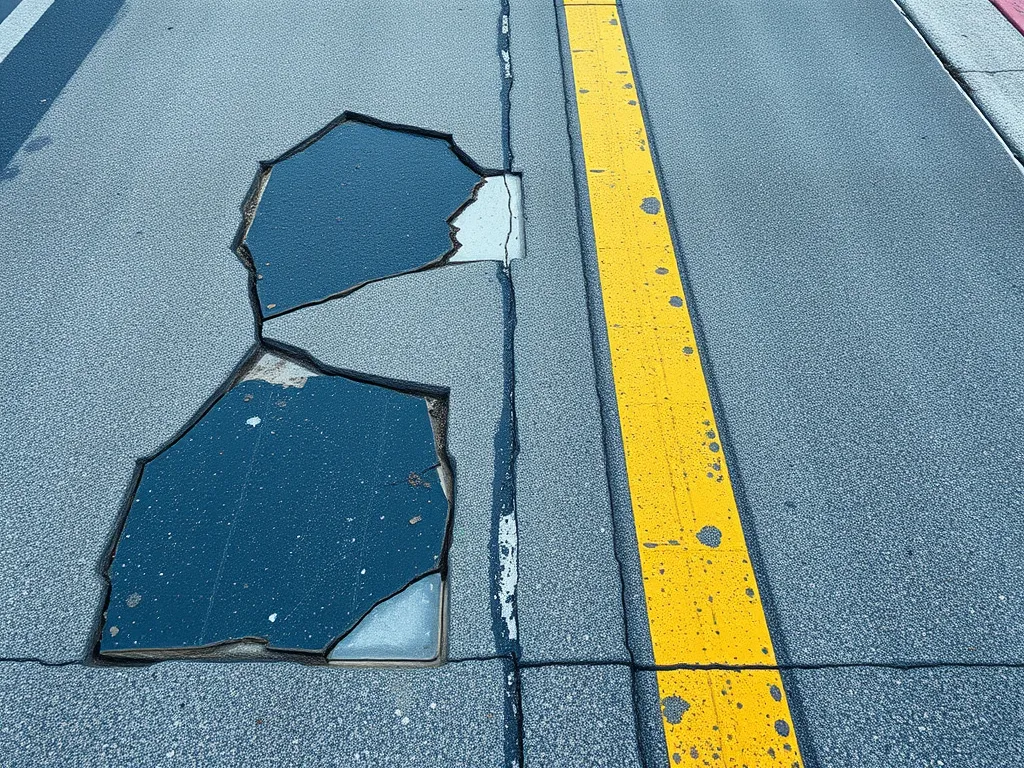
Start by checking the road’s current state. Look for cracks, holes, or worn spots. These signs guide which repair pavement techniques work best.
Assessing Crack Depth and Surface Degradation
Measure crack width and depth. Hairline cracks (under 1/4 inch) need sealant. Deep cracks (over 1 inch) may require cut-and-patch work. Check for alligator cracks (web-like splits) or raveling (loose gravel). These signal base layer issues. Use core drills to test asphalt layers. A weak base calls for full-depth restoration methods.
Project-specific Considerations
Each job has unique needs. Match repaving methods to traffic, weather, and budget limits.
Traffic Volume and Load Requirements
High truck traffic needs stronger fixes. For roads with over 1,000 ESALs (Equal Single Axle Loads) daily, use asphalt overlay methods or full rebuilds. Light traffic (cars only) can use micro-surfacing or skin patching. Busy highways may need polymer-modified binders for extra grip.
Climate and Seasonal Timing
Heat, cold, and rain change how asphalt acts. In freeze-thaw zones, use crack fillers that flex (like rubberized sealants). Install fixes in dry months (60°F+). Cold mix asphalt works for winter patches but lasts 30% less long.
Cost vs. Longevity Tradeoffs
Cheap fixes cost less now but fail faster. Skin patching runs $1-$3 per sq.ft. but lasts 1-3 years. Overlays cost $2-$5 per sq.ft. and hold 8-12 years. Full rebuilds hit $8-$15 per sq.ft. but go 20+ years. Balance short-term savings with long-term road life.
These factors set the stage for smart cost choices. Up next: breaking down prices for each paving method.
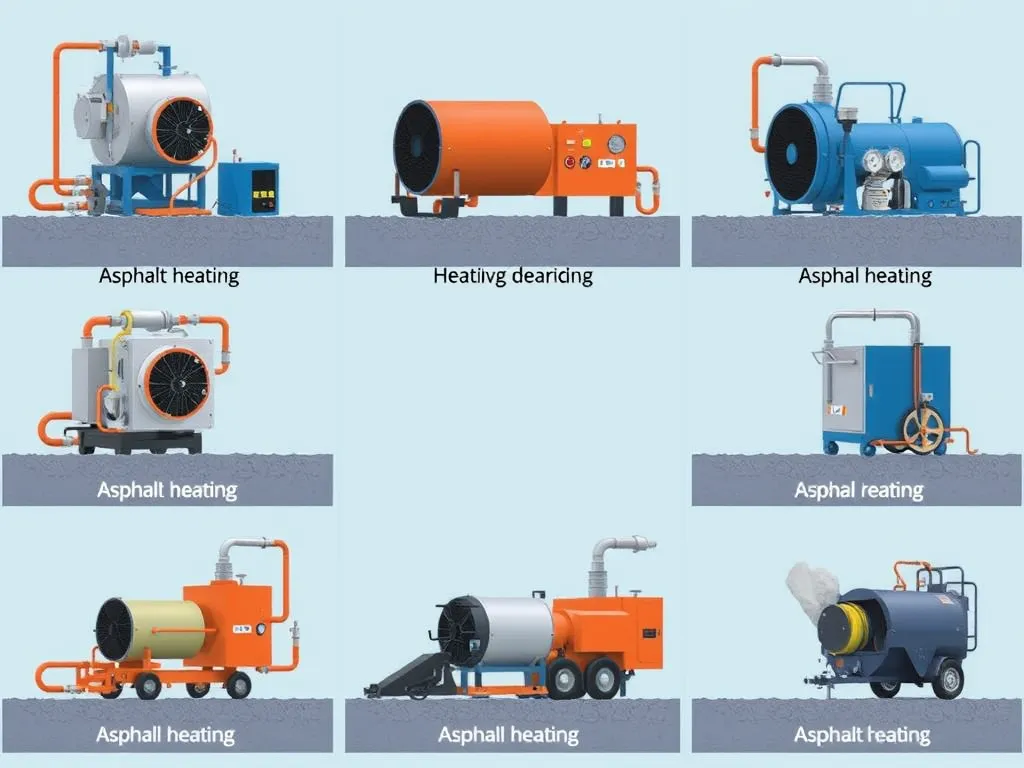
Also See: Benefits Of Using Infrared Heating for Asphalt
Cost Analysis Of Asphalt Repaving
Smart budgeting drives successful pavement projects. Material choices, labor rates, and technique selection directly impact expenses. Let’s break down costs for popular methods and maintenance strategies.
Price Ranges by Technique
Costs vary widely based on repair depth and materials. Surface-level fixes cost less upfront but may require frequent rework. Full reconstruction offers permanence at a premium.
Patching vs. Overlay vs. Full Reconstruction
| Technique | Cost per Sq.Ft. | Lifespan | Best For |
|---|---|---|---|
| Patching | $1.50-$3.00 | 1-3 years | Localized cracks/potholes |
| Overlay (2″) | $2.50-$4.50 | 8-12 years | Moderate surface wear |
| Full Reconstruction | $5.00-$8.00 | 15-25 years | Severe base failures |
Overlays demand 1.5” minimum asphalt depth for bonding. Full reconstruction includes 6-8” aggregate base layers, boosting load-bearing capacity to 10,000+ PSI.
Budgeting for Long-term Maintenance
Annual preventive care slashes lifetime costs by 30-50%. Reactive repairs spike expenses – emergency pothole fixes cost 3x planned maintenance.
Preventive vs. Reactive Repair Costs
Sealcoating every 3-5 years runs $0.15-$0.25 per sq.ft. versus $3-$7 per sq.ft. for reactive base repairs. Crack sealing delays overlay needs by 5-7 years when applied at ¼” width thresholds.
With cost variables mapped, let’s explore how eco-friendly innovations reshape pavement sustainability.
Environmental Considerations
Modern repaving techniques now prioritize reducing environmental impact. Stricter regulations and higher public demand drive innovation in sustainable asphalt solutions. Contractors balance performance with ecological responsibility.
Eco-friendly Asphalt Methods
New methods cut carbon footprints while maintaining road quality. Two approaches dominate: recycled materials and energy-smart processes.
Recycled Asphalt Pavement (RAP) Applications
RAP reuses existing asphalt by crushing old pavement into aggregate. Mixing 30-50% RAP with fresh binder creates surfaces matching virgin asphalt’s durability. States like California allow up to 40% RAP in road mixes. Recycling one ton saves $25-$50 versus new materials and keeps 2,000 pounds from landfills.
Energy Efficiency in Production and Installation
Warm-mix asphalt (WMA) slashes production temps from 300°F to 250°F. Lower heat cuts fuel use by 20% and greenhouse gases by 30%. Contractors pave longer in cooler weather, extending the construction window. Infrared patching further trims energy by heating only damaged areas.
These green innovations lead to practical questions contractors face during projects. Let’s tackle common concerns about timelines, materials, and labor.
Frequently Asked Questions (FAQ)
How Long Before Using Repaved Asphalt Surfaces?
Typically, repaved asphalt surfaces can be used within a few hours after installation, especially for methods like micro-surfacing. However, it’s prudent to wait 24-48 hours for heavier traffic to allow proper curing, especially for thicker overlays. Always consult with your contractor for specific guidelines based on the technique used.
Alternatives to Traditional Asphalt: Pros and Cons
Alternatives to traditional asphalt include concrete, permeable pavements, and recycled materials such as rubberized asphalt. Concrete offers durability and longevity but can be more expensive. Permeable pavements allow water drainage, reducing runoff but may require more maintenance. Assessing project-specific needs, like drainage and load capacity, can help determine the best alternative.
Identifying Qualified Asphalt Contractors
To find qualified asphalt contractors, check their experience, client reviews, and references. Look for licenses and insurance, as well as certifications from reputable organizations. Obtaining multiple quotes and discussing project specifics can help gauge a contractor’s expertise and reliability.
Closing Thoughts
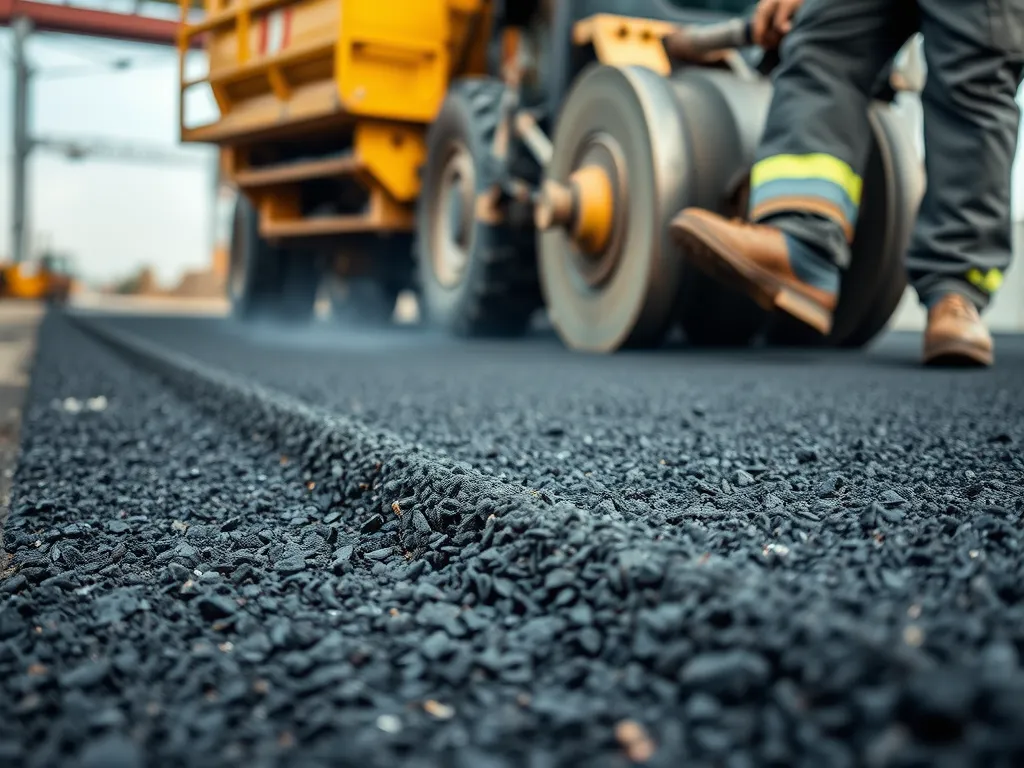
Choosing the right repaving technique is vital for maximizing the lifespan and functionality of asphalt surfaces. Each method, from asphalt patching to full-depth restoration, has distinct advantages tailored to different types of damage and needs. Understanding the condition of your pavement and considering factors like traffic levels, climate, and budget can guide you to the most effective approach.
Repaving is not just about restoring a road or driveway; it’s about investing in long-term durability and performance. Opting for eco-friendly methods like recycled asphalt pavement can also contribute to sustainability while keeping costs manageable.
For more insights, tips, and tools on asphalt projects, check out Asphalt Calculator USA.