Regulatory Standards for Cold Mix Asphalt: Compliance and Specifications
Published on: April 3, 2026 | Last Updated: April 14, 2025
Written By: George Voss
Regulatory standards for cold mix asphalt are rules set by agencies like ASTM (American Society for Testing and Materials), AASHTO (American Association of State Highway and Transportation Officials), and FHWA (Federal Highway Administration) to ensure safe, durable pavement. These standards cover material quality, mixing processes, and installation methods. Unlike hot mix asphalt, cold mix uses emulsified asphalt binders that cure at ambient temperatures, making it ideal for temporary repairs or cold-weather projects. Compliance requires meeting specific criteria for aggregate size, binder content (typically 3-6% by weight), and compaction density (90-95% of maximum lab density).
This article explains how to follow cold mix asphalt regulations. It breaks down mixture design rules, application steps like proper compaction with vibratory rollers, and environmental limits like VOC (volatile organic compound) emissions under 100 ppm. You’ll learn testing methods for field cores, storage timelines (up to 6 months in sealed containers), and temperature ranges (50-85°F for application). FAQs address shelf life, cost savings, and common compliance errors.
Contents
- Introduction to Cold Mix Asphalt
- Regulatory Framework for Cold Mix Asphalt
- Cold Mix Asphalt Mixture Design Standards
- Application and Compaction Guidelines
- Temperature and Storage Specifications
- Environmental Compliance for Cold Mix Asphalt
- Frequently Asked Questions (FAQ)
- Closing Thoughts
- Additional Resources for You:
Introduction to Cold Mix Asphalt
Cold mix asphalt serves as a versatile paving material engineered for use at ambient temperatures. Unlike hot mix asphalt (HMA), which requires heating aggregates and binders to 300°F+, cold mix combines emulsified or cutback asphalt with aggregates without high-temperature processing. This unique composition drives distinct regulatory standards for cold mix asphalt across production, application, and environmental compliance.


Definition and Primary Applications
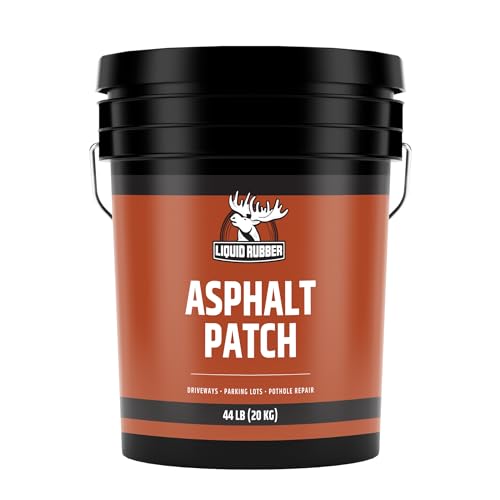
Cold mix asphalt refers to a blend of unheated mineral aggregates and liquid asphalt binders—either emulsified (water-based) or cutback (solvent-based). Common applications include pothole repairs, temporary road surfaces, utility cuts, and low-traffic rural roads. Regulatory standards for cold mix asphalt vary by use case: patching mixes must meet ASTM D6628 shear resistance thresholds, while permanent pavements align with AASHTO M 323 gradation rules. Municipalities often reference cold mix asphalt specifications like ASTM D4215 for stockpile stability in seasonal maintenance.
Advantages Over Hot Mix Asphalt in Specific Scenarios
Cold mix asphalt regulations prioritize practicality and safety in scenarios where hot mix falls short. Emissions rules under EPA 40 CFR Part 63 favor cold mix for urban repairs due to 80% lower VOC output versus HMA. Its ability to cure without plant heating eliminates OSHA-mandated high-temperature handling protocols, reducing onsite risks. Storage flexibility—up to 6 months under AASHTO M 208 guidelines—supports long-term usability in remote projects. These traits make cold mix asphalt standards critical for agencies balancing durability with environmental and logistical constraints.
These practical and environmental benefits position cold mix asphalt as a material shaped by strict regulatory oversight—a framework we’ll explore next.
Regulatory Framework for Cold Mix Asphalt
Cold mix asphalt must meet strict regulatory standards to ensure safety, durability, and environmental responsibility. These rules govern everything from material composition to field application, balancing technical precision with practical performance.
Key Agencies and Standards (E.g., ASTM, AASHTO, FHWA)
Three agencies dominate cold mix asphalt regulations: ASTM International, AASHTO, and the Federal Highway Administration (FHWA). ASTM D4215 sets criteria for patching mixes, requiring adhesion tests and freeze-thaw resistance. AASHTO M 323 defines design methods for asphalt mixtures, including aggregate-binder ratios. The FHWA enforces federal project compliance through its Technical Advisory T 5080.1, mandating mix designs that meet traffic load demands.
State DOTs often adopt these standards while adding local adjustments. For example, California’s Caltrans requires performance-graded (PG) binders in cold mixes to withstand temperature extremes. The National Asphalt Pavement Association (NAPA) supplements these with best practices for storage and handling.
Compliance Requirements for Production and Application
Producers must verify aggregate gradation meets ASTM C136 sieve analysis specs—typically limiting particles to ½-inch diameter for patching mixes. Binder content, usually 4-6% by weight, is tested using AASHTO T 308 extraction methods. Facilities face quarterly audits to check mix consistency, ensuring viscosity stays within 200-500 centipoise at 60°F.
During application, contractors follow thickness limits (max 2 inches per lift) and density targets (92-95% Marshall density). Pneumatic rollers or vibratory plate compactors are required for proper compression. Field tests like nuclear density gauges or sand cone tests validate compliance. The EPA’s VOC emission limits (under 40 CFR Part 63) also apply, restricting solvent-based additives in mixes.
Meeting these framework requirements sets the stage for deeper technical demands. Next, we break down mixture design standards that dictate aggregate size, binder quality, and testing rigor.

Cold Mix Asphalt Mixture Design Standards
Cold mix asphalt must meet strict design rules to work well. These rules ensure the mix holds up under traffic, weather, and time. Key parts include rock size, binder levels, and test steps.
Aggregate Size and Gradation Specifications
Rock chunks in cold mix must fit set size ranges. ASTM D692 sets rules for gradation using sieve tests. Most specs require 95% of rocks to pass a 3/8″ sieve. Fine rocks (like those under No. 4 sieve) fill gaps for tight packing. Wrong sizes cause weak spots or poor compaction.
Binder Content and Quality Requirements
Bitumen levels range from 3% to 6% by weight. ASTM D3628 sets binder tests for cold mix. Emulsified binders need pH checks (5.5-7.0). Cutback binders must meet flash point rules (over 140°F). Low binder leads to raveling. High binder causes rutting.
Testing Protocols for Mixture Consistency
Marshall tests check load strength (1,500 lbs min). AASHTO T283 rates water damage (80% strength kept after freeze-thaw). ASTM D6925 tests workability with 25-40 blows. Field crews use slump tests (1-3″ drop) before paving.
Getting the mix right is half the job. Next comes putting it down right – layer depth, pack force, and gear choices shape the final road.
Also See: Cost-benefit Analysis Of Asphalt Vs Concrete
Application and Compaction Guidelines
Meeting regulatory standards for cold mix asphalt demands strict adherence to placement and densification rules. These protocols ensure long-lasting repairs and pavement performance under traffic loads.
Layer Thickness and Density Standards
Cold mix asphalt specifications mandate single-layer thickness between 2-4 inches. ASTM D4215 requires 92-95% density for permanent patches. Thinner layers under 1.5 inches risk raveling, while thicker lifts above 4 inches may fail to compact fully. State DOTs often set tighter tolerances—California’s Caltrans Section 39 allows only ±0.25-inch thickness variation.
Equipment Requirements for Proper Compaction
Vibratory rollers (1-2 tons) or plate compactors (3,000-5,000 lbf) achieve target densities. AASHTO T 191 requires equipment with 80-90% coverage efficiency. Pneumatic rollers are banned for cold mix due to low kneading action. Contractors must log roller passes and compaction patterns to meet FHWA-IF-12-049 documentation rules.
- Vibratory plates: Minimum 3 passes at 0.5 mph
- Steel drum rollers: 5-8 passes with overlapping paths
- Test strips required before full-scale work
Field Testing Methods (Core Sampling, Visual Inspections)
ASTM D5361 governs core sampling—extracted plugs must show ≥90% density at 2-inch depth. Visual checks target surface irregularities:
- Bleeding or flushing (excess binder)
- Edge sloughing (poor compaction)
- Raveling depth >0.25 inches
Failed sections require removal and rework per AASHTO R 67. Nuclear density gauges (ASTM D2950) provide real-time data but need correlation with lab-molded samples.
Proper application sets the stage for material longevity—but storage conditions directly affect workability. Next, we explore temperature controls and shelf-life factors tied to cold mix asphalt regulations.
Temperature and Storage Specifications
Regulatory standards for cold mix asphalt dictate precise handling protocols to maintain material integrity. Temperature control and storage practices directly affect performance, making compliance non-negotiable.
Optimal Temperature Range for Application
Cold mix asphalt operates best within 50°F to 85°F. AASHTO M 323 mandates this range for proper compaction and curing. Below 50°F, the binder loses flexibility, risking cracks. Above 85°F, mixtures may soften prematurely. ASTM D4215 permits minor adjustments based on regional climate but prohibits deviations exceeding ±5°F without agency approval. Contractors must document ambient and material temperatures during placement to meet cold mix asphalt specifications.
| Agency | Minimum Temp | Maximum Temp |
|---|---|---|
| AASHTO | 45°F | 90°F |
| ASTM | 50°F | 85°F |
Storage Duration Limits and Usability Indicators
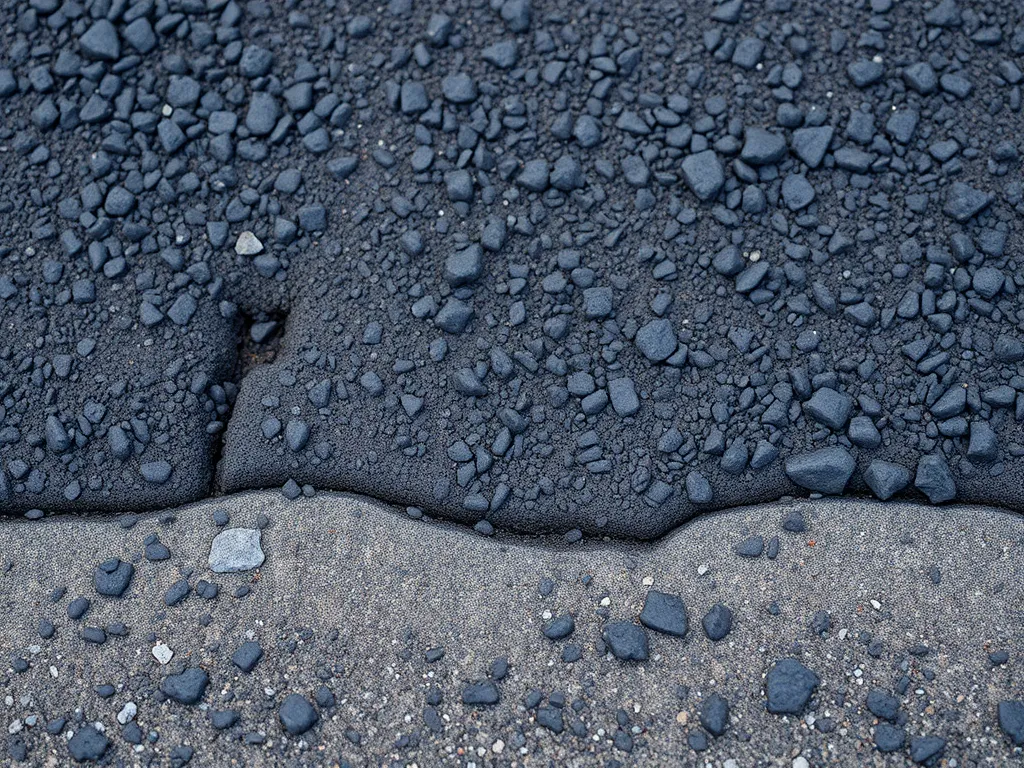
Unopened cold mix asphalt retains viability for 6-12 months per FHWA-IP-88 guidelines. Post-opening, materials degrade within 30-60 days. Key usability markers include:
- Texture: Crumbling or hardening signals oxidation
- Binder separation: Visible oil pooling voids
- Moisture: Clumping indicates water infiltration
ASTM D692 requires disposal if any markers appear. Stockpiles exceeding 12 months need re-testing for gradation and penetration values at $150-$300 per sample.
Impact Of Environmental Conditions on Shelf Life
High humidity (above 70%) cuts shelf life by 30% through moisture absorption. UV exposure degrades binders at 2-5% per month. Storage facilities must maintain 40-70°F with <50% humidity per EPA 40 CFR Part 60. Non-compliance risks fines up to $10,000 per violation. Insulated containers or climate-controlled warehouses align with cold mix asphalt quality standards.
Proper storage and temperature management set the stage for addressing environmental compliance. Next, we examine VOC limits and recycling mandates tied to material preservation.
Environmental Compliance for Cold Mix Asphalt
Cold mix asphalt must meet strict rules to cut harm to air, soil, and water. These rules balance road needs with earth care. Builders and plants face fines if they skip steps. Key focus areas: fumes from mixes and reuse of old pavement.
Emissions Standards for Volatile Organic Compounds (Vocs)
VOCs are gases from binders that pollute air. The EPA caps VOC levels in cold mix at 0.5% by weight. Tests like ASTM D2369 check these limits. Low-VOC binders (PG 64-22 grade) help meet rules. Sites must track data and report leaks. States like CA add extra limits (0.3% max) for smog zones.
Recycling and Waste Management Guidelines
Old asphalt gets new life in cold mix. ASTM D4215 says 30-50% recycled asphalt pavement (RAP) can be used. Plants must crush RAP to ½-inch size. Leftover mix can’t be dumped—it goes to approved pits or reuse sites. Storage piles must stay dry to stop runoff. Proper steps cut waste costs by 20% and save raw rock.
Next, we break down how to test if your mix meets these eco-rules. Find out which field checks keep projects green and legal.
Frequently Asked Questions (FAQ)
What is the Difference Between Hot Mix Asphalt (HMA) and Cold Mix Asphalt (CMA)?
Hot mix asphalt (HMA) is prepared at high temperatures, usually above 300°F, while cold mix asphalt (CMA) is made at ambient temperatures using emulsified or cutback asphalt. This distinction affects their application methods, usability in different weather conditions, and regulatory standards surrounding each type.
How Long Does Cold Mix Asphalt Remain Usable?
Cold mix asphalt can remain usable for approximately 6 to 12 months if unopened, and it typically degrades within 30 to 60 days once opened. Usability indicators include appearance changes such as texture and moisture content.
What Are the Regulatory Standards for Asphalt Compaction?
Regulatory standards for asphalt compaction generally require achieving 92-95% of maximum lab density for cold mix asphalt. Contractors must adhere to thickness limits and utilize proper compaction equipment, with monitoring conducted through field tests to validate compliance.
What is the Temperature Range for Cold Mix Asphalt?
The optimal temperature range for cold mix asphalt application is between 50°F and 85°F. Working outside this range can negatively impact the binder’s performance and the overall effectiveness of the application.
Are There Any Specific VOC Standards for Cold Mix Asphalt?
Yes, the EPA limits volatile organic compounds (VOCs) in cold mix asphalt to 0.5% by weight. Some states, like California, have additional regulations that further restrict VOC levels, especially in smog-prone areas.
What Are the Requirements for Using Recycled Asphalt Pavement (RAP) in Cold Mix Asphalt?
Cold mix asphalt can incorporate 30-50% recycled asphalt pavement (RAP) as per ASTM D4215 standards. However, the RAP must be crushed to a maximum size of ½ inch to ensure proper mixture performance and compliance with design specifications.
How is the Quality Of Cold Mix Asphalt Monitored During Production?
Quality monitoring during production includes verifying aggregate gradation, binder content, and viscosity through standardized testing protocols. Facilities are subject to audits to ensure compliance with mandatory specifications and to maintain mix consistency.
Closing Thoughts
Regulatory standards for cold mix asphalt play a vital role in ensuring safety, performance, and environmental protection. Adhering to guidelines set by organizations like ASTM, AASHTO, and FHWA ensures that cold mix asphalt is produced and applied effectively. Knowledge of proper mixture design, application techniques, and storage practices will enhance long-term durability and functionality.
Moreover, compliance with emissions standards and waste management protocols demonstrates a commitment to sustainability. As the construction industry evolves, staying informed about these regulations is more important than ever. By following industry best practices, professionals can navigate the complexities of cold mix asphalt.
For more information on asphalt standards and regulations, visit Asphalt Calculator USA.
Additional Resources for You:
- Huang, Y. H. (2004). Pavement Analysis and Design (2nd ed.). Upper Saddle River, NJ: Pearson/Prentice Hall.
- Hot Mix Vs. Cold Mix Asphalt: What’s The Difference?
- Cold Mix Asphalt | Waller County Asphalt
- ASTM D6704-01 – Standard Test Method for Determining the Workability of Asphalt Cold Mix Patching Material
- ASTM International – ASTM D6704-08 – Standard Test Method for Determining the Workability of Asphalt Cold Mix Patching Material | Engineering360