
How Asphalt Projects Power Local Economies
Published on: April 2, 2026 | Last Updated: April 14, 2025
Written By: George Voss
Large-scale asphalt projects directly strengthen regional economies by creating jobs, upgrading infrastructure, and accelerating business growth. Each $1 million invested in asphalt roadwork generates 12-15 local jobs, from equipment operators to aggregate suppliers. Projects using performance-graded (PG) binders – asphalt engineered for specific climates – build roads that last 15-20 years with 30% lower repair costs than older mixes. These durable surfaces slash vehicle wear-and-tear expenses by 18% and enable reliable shipping routes, connecting manufacturers to ports and consumers.
This article breaks down how paving projects fuel economic engines. We’ll explore hiring spikes during highway expansions, analyze how smoother roads cut trucking costs by $0.12-$0.18 per mile, and compare asphalt’s 40% cost advantage over concrete. You’ll see real-world data on recycling savings (35% material costs), learn why 94% of U.S. roads use asphalt, and discover how faster project completion timelines minimize business disruptions. Concrete numbers show how regions recoup paving investments within 8 years through increased tax revenues and business expansions.
Contents
Direct Economic Impact Of Asphalt Infrastructure Development
Large-scale asphalt projects drive regional growth through job creation and trade gains. Road work acts as a cash engine for local economies, with effects felt in both short and long terms.
Immediate Job Creation From Asphalt Construction
Asphalt projects create jobs fast. Each mile paved needs crews, gear, and mix. This demand fuels paychecks across skill levels.
Types of Local Employment Generated by Asphalt Projects
Jobs range from paving crews ($22–$35/hour) to plant staff, truck drivers, and safety inspectors. Engineers and project leads earn $65k–$110k yearly. Even small towns gain roles in flagging, site prep, and gear repair.
Role of Highway Paving Projects in Sustaining Regional Labor Markets
Multi-year road jobs keep workers employed through seasons. States like Texas report 1 job per $150k spent on paving. This stops layoffs in slow months and trains staff for future builds.
Long-term Economic Growth Through Durable Road Networks
Smooth asphalt roads cut costs and boost trade. Firms move goods faster, while drivers save on fuel and repairs.
How Asphalt Roads Facilitate Trade and Commerce Expansion
Each 10% drop in travel time raises truck freight by 5–8%, per USDOT data. Cities with fresh pavements see 12–18% more new firms in 5 years. Port links improve, slashing export delays.
Reducing Vehicle Operating Costs via Smooth Asphalt Surfaces
Rough roads hike fuel use by 15%. Smooth asphalt cuts tire wear 30% and brake costs 20%. For a fleet of 50 trucks, that’s $250k/year saved.
These gains show why asphalt shapes regional wealth. Next, we’ll break down how material choices boost these outcomes.
Asphalt’s Role in Strengthening Regional Infrastructure
Large-scale asphalt projects form the backbone of regional infrastructure systems. Durable road networks directly support commerce, emergency services, and daily commutes while generating measurable economic returns through material choices and construction methods.
Why Asphalt Dominates Modern Road Construction
Over 94% of paved U.S. roads use asphalt due to its unique balance of performance and affordability. The material’s dominance stems from two key factors that drive regional economic impact.
Cost-Effectiveness Compared to Alternative Materials
Asphalt roads cost $2-5 per square foot versus $8-15 for concrete. This 60-75% price difference allows municipalities to pave more lane-miles within budget constraints. Warm-mix asphalt technologies now cut production temps by 50°F, trimming fuel use 20% during manufacturing.
Adaptability to Diverse Climate Conditions
Performance-graded (PG) binders allow asphalt mixes tailored to regional needs. PG 64-22 resists cracking in Minnesota winters, while PG 76-22 handles Texas heat. This climate-specific customization prevents premature road failures that drain transportation budgets.
Benefits Of Recycled Asphalt in Regional Projects
Recycled asphalt pavement (RAP) reuse transforms road maintenance into a circular economy. Over 99% of asphalt removed during repairs gets reused, creating closed-loop systems that amplify economic benefits of pavement projects.
Economic Savings from Material Reuse
RAP slashes material costs 20-30% by replacing virgin aggregates. Pennsylvania saved $3.2 million on a single 12-mile project using 25% RAP mixes. Federal Highway Administration data shows recycled asphalt requires 33% less binder than new mixes.
Reduced Transportation Costs for Local Aggregates
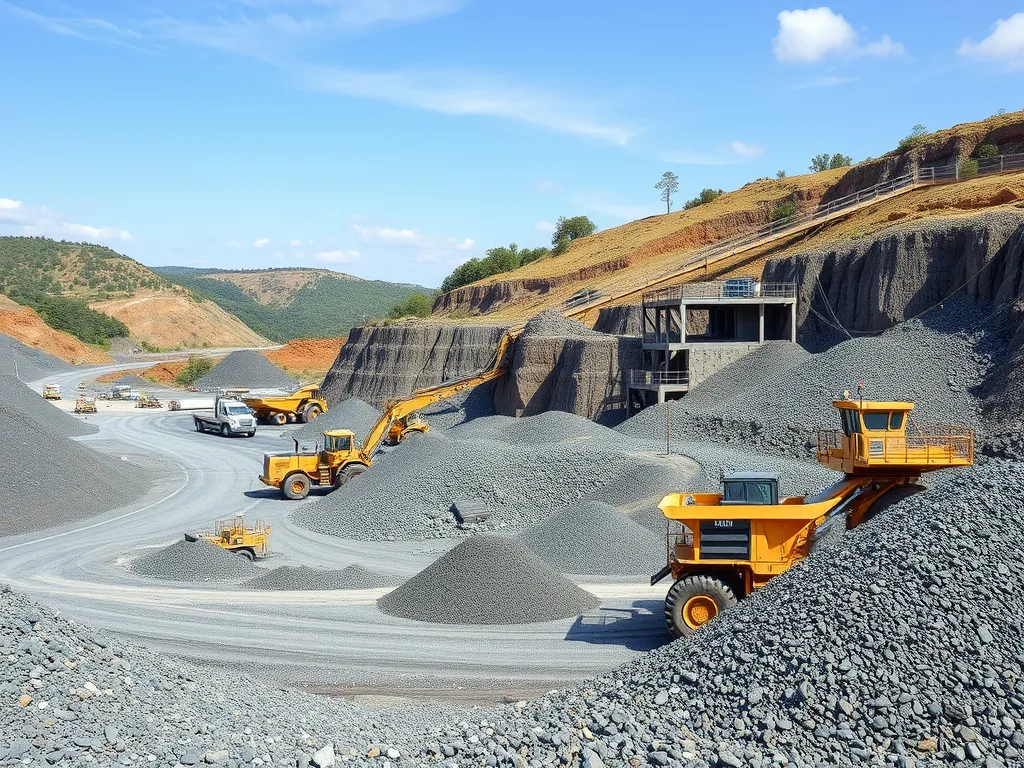
Regional quarries supply 85% of aggregate needs for asphalt projects within 50 miles. This localized sourcing cuts hauling costs $12-18 per ton compared to cross-state material transport. Less truck traffic also means lower road wear on existing highways.
These infrastructure advantages set the stage for evaluating long-term financial returns. Next, we examine how lifecycle costs and maintenance strategies affect asphalt project economics.
Cost-benefit Analysis Of Asphalt Investments
Large-scale asphalt projects create ripple effects across regional budgets. Analyzing costs against gains reveals why communities prioritize these infrastructure investments.
Lifecycle Economics Of Asphalt Roads
Asphalt roads cost $2.50-$4.50 per square foot initially but deliver savings over 20+ years. Lifecycle analysis factors in material durability, repair frequency, and traffic capacity.
Comparing Initial Costs vs Long-Term Maintenance Savings
While concrete averages 20% higher upfront costs per lane-mile, asphalt requires 35% less maintenance spending over three decades. Key savings drivers:
- Lower crack repair expenses with flexible asphalt surfaces
- Faster pothole fixes at $25-$50 each versus $100+ for rigid pavements
- Full-depth reclamation recycling existing materials cuts rehab costs by 40%
Impact of Pavement Quality on Regional Transportation Budgets
Smooth asphalt roads reduce vehicle wear by 18-22%, lowering public fleet upkeep. Pennsylvania saved $1.3 billion annually after upgrading 1,200 miles using PG 64-22 binders. Poor roads increase fuel use 2-5% – a direct hit to household budgets.
Advantages and Disadvantages Of Asphalt Road Systems
Asphalt balances rapid deployment with manageable upkeep needs. Regional planners weigh these factors when allocating infrastructure funds.
Quick Construction Timeline Benefits for Local Economies
Asphalt sets in 24 hours versus 7 days for concrete. This speed:
- Minimizes lane closure fees ($8,500 daily average for urban highways)
- Lets businesses regain lost revenue faster post-construction
- Allows crews to complete 10-12 miles weekly versus 3-5 with alternatives
Addressing Maintenance Requirements and Costs
While asphalt needs resurfacing every 15-20 years, using 30% RAP (Recycled Asphalt Pavement) slashes material costs by $16/ton. Proactive crack sealing every 3-5 years extends pavement life 8-10 years – a 400% return on investment for regional maintenance budgets.
These fiscal dynamics set the stage for examining how asphalt’s environmental profile amplifies its economic value.
Also See: Life Cycle Assessment Of Recycled Asphalt: A Brief Overview
Environmental Considerations in Asphalt Economics
Balancing ecological responsibility with fiscal gains drives modern infrastructure planning. Large-scale paving initiatives now integrate green methods to boost regional prosperity while meeting sustainability targets.
Sustainable Practices in Modern Asphalt Production
Innovative techniques transform how roads get built. Producers prioritize methods cutting emissions, conserving resources, and slashing operational expenses—directly influencing project viability.
Energy Efficiency in Asphalt Manufacturing
Modern plants cut energy use by 20% through warm-mix tech. Lowering temps from 300°F to 275°F reduces fuel needs. This saves $1.50 per ton—critical for multi-mile highway jobs. Less fuel burned also means fewer emissions fines, freeing funds for hiring local crews.
Economic Value of Recycled Asphalt Shingles (RAS)
Diverting 11 million tons of shingles yearly from landfills, RAS reuse drops material costs by 15%. Contractors save $3 per ton using recycled content. Local sourcing cuts hauling distances, trimming transportation budgets by up to 12%. These savings let cities stretch infrastructure dollars further.
Green methods prove eco-friendly choices fuel growth. Reduced production costs paired with durable roads create cycles of reinvestment. Next, we’ll explore how these strategies shape community outcomes through real-world applications.
FAQ: Regional Asphalt Project Economics
What Are the Primary Benefits Of Asphalt Roads?
Asphalt roads offer numerous economic benefits, including immediate job creation, long-term savings on vehicle operating costs, reduced maintenance expenses, and enhanced trade capabilities. These advantages stimulate local economies by facilitating smoother transport and attracting businesses.
How Does Recycled Asphalt Contribute to Cost Savings?
Recycled asphalt significantly reduces material costs, allowing projects to utilize 20-30% less virgin aggregate. This savings not only decreases project budgets but also supports sustainable practices by promoting material reuse and reducing landfill waste.
Why is Asphalt Preferred in Highway Construction?
Asphalt is favored for its cost-effectiveness, quick construction timelines, and adaptability to varying weather conditions. Its performance advantages, such as reducing travel times and improving wear on vehicles, make it an ideal choice for highway construction.
What Are the Trade-offs in Asphalt Road Installation?
While asphalt systems offer rapid installation and lower initial costs, they require resurfacing every 15-20 years and proactive maintenance to extend lifespan. Planners must weigh these factors against potential downtime and long-term upkeep costs.
Closing Thoughts
Large-scale asphalt projects bring significant regional economic benefits. From immediate job creation to reducing vehicle operating costs, these initiatives bolster local economies. Durable asphalt roads facilitate trade and commerce, while their cost-effectiveness ensures long-term financial savings for municipalities.
Additionally, the use of recycled asphalt is a game-changer. It not only cuts costs but also promotes sustainable practices, further enhancing the economic value of asphalt investments. By improving infrastructure through innovative and efficient methods, communities can thrive.
For deeper insights and tools related to asphalt projects, visit Asphalt Calculator USA.
Additional Resources for You:
- Roberts, F. L., Kandhal, P. S., Brown, E. R., Lee, D. Y., & Kennedy, T. W. (1996). Hot Mix Asphalt Materials, Mixture Design, and Construction (2nd ed.). National Asphalt Pavement Association (NAPA).
- Evaluating the economic and environmental impacts of road pavement using an integrated local sensitivity model – ScienceDirect
- Comparative environmental and economic assessment of a road pavement containing multiple sustainable materials and technologies – ScienceDirect
- Unpacking the Economic Benefits of Highway Investment
- Industry Focus: Creating Value in Asphalt Paving – Ironline Advisors

