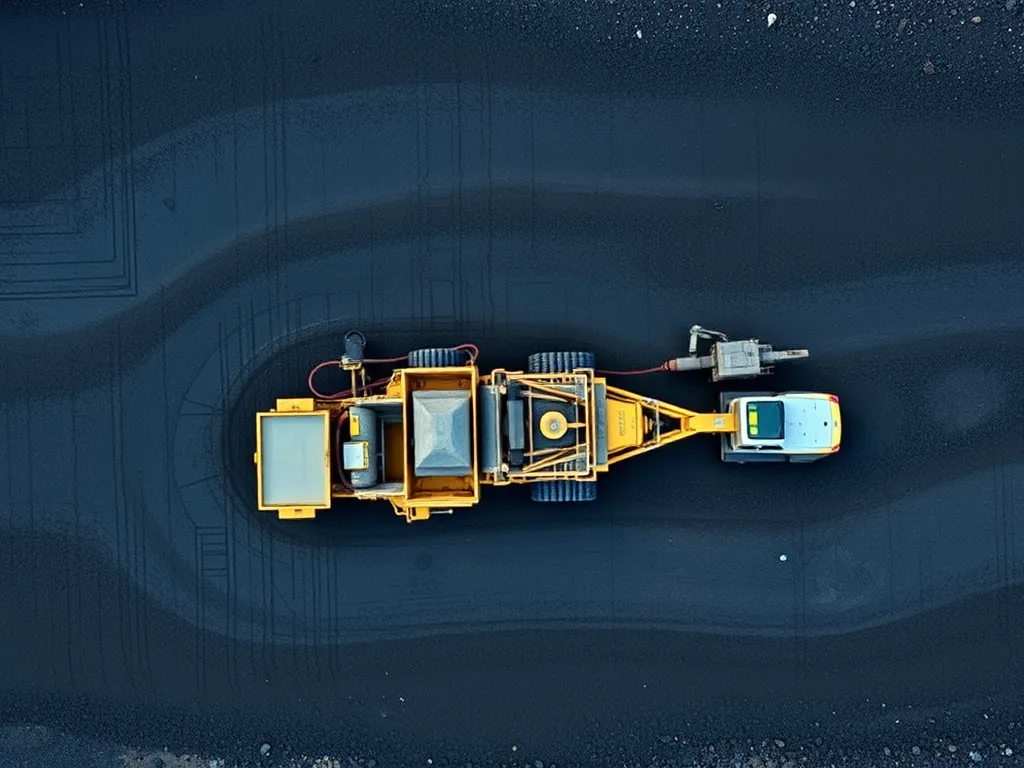
The Recycling Process Of Asphalt: Methods, Benefits, and Applications
Published on: April 2, 2026 | Last Updated: April 14, 2025
Written By: George Voss
The recycling process of asphalt repurposes old pavement into new roads by milling, crushing, and blending it with fresh materials. Reclaimed Asphalt Pavement (RAP) forms the base, combined with new aggregates and binders like PG 64-22 bitumen. This approach matches the durability of virgin asphalt but uses 20-30% less energy. Recycling one ton of RAP saves $60-$80 in material costs and keeps 2,000 pounds out of landfills. It also cuts CO2 emissions by 1.2 tons per mile of road resurfaced compared to traditional methods.
This article explains how asphalt recycling works step-by-step, from pavement removal to final paving. You’ll learn techniques like Hot In-Place Recycling (using infrared heaters) and Cold Recycling (with emulsified binders). We cover equipment like milling machines and cold planers, cost breakdowns for driveways versus highways, and environmental gains like 95% landfill diversion rates. Challenges like meeting AASHTO T 283 standards for moisture resistance are also addressed.
Contents
- What is Asphalt Recycling?
- Core Steps in the Asphalt Recycling Process
- Primary Methods Of Asphalt Recycling
- Tools That Drive Asphalt Recycling
- Economic Benefits Of Recycled Asphalt
- Common Uses Of Recycled Asphalt
- Challenges in the Asphalt Recycling Process
- Environmental Impact Of Asphalt Recycling
- Cost Considerations for Recycled Asphalt
- Frequently Asked Questions (FAQs)
- Closing Thoughts
- Additional Resources for You:
What is Asphalt Recycling?
Asphalt recycling reuses existing pavement materials to create new road surfaces. This process saves raw resources, cuts costs by up to 30%, and reduces landfill waste. Recycled asphalt pavement (RAP) forms the backbone of this sustainable practice.
Defining Asphalt Pavement Recycling
Asphalt pavement recycling involves reprocessing aged or damaged roads into reusable material. Methods like hot in-place recycling (HIR) heat existing pavement to 300°F for remixing, while cold in-place recycling (CIR) uses emulsifiers to bind crushed material. Both approaches preserve 90-100% of original road layers.
Key Components Of Reclaimed Asphalt Material
Reclaimed asphalt contains three core elements:
- Aggregates (95%): Crushed stone/sand from original pavement
- Bitumen (3-5%): Aged binder requiring reactivation
- Fines (2-5%): Fine particles influencing compaction
Modern plants add polymer-modified PG binders (e.g., PG 64-22) to restore flexibility. Up to 25% virgin aggregates may supplement worn material for structural integrity.
With these fundamentals established, let’s examine the step-by-step techniques transforming old roads into new surfaces.
Core Steps in the Asphalt Recycling Process
Recycling asphalt turns old roads into fresh pavement through four key steps. Each phase uses tech to save cash and cut waste.
1. Collection and Removal Of Old Asphalt
Crews start by ripping up worn roads. Heavy gear like loaders haul chunks to plants for reuse.
Milling and Crushing Asphalt Pavement
Milling machines scrape off the top layer without wrecking the base. Crushers break slabs into gravel-sized bits called RAP (reclaimed asphalt pavement). This RAP holds 95% of its original rock and bitumen.
2. Processing Reclaimed Asphalt
RAP gets cleaned of trash, dirt, and rocks. Plants test it to plan the right mix for new jobs.
Grinding and Screening Techniques
Grinders chew RAP into 0.5-1.5 inch bits. Screens sort chunks by size. Fine grains go to patch jobs. Big chunks form road bases.
3. Blending With New Materials
Old asphalt needs fresh glue to stick. Plants mix RAP with 20-30% new bitumen or emulsions. Add-ins like lime boost water resistance.
Adding Binders and Aggregates
PG binders (asphalt glue rated for heat/cold) bind old and new rock. Some blends toss in virgin stone for strength. A 50% RAP mix can cost $18/ton vs. $45/ton for all-new.
4. Reprocessing for Reuse
Hot plants bake the blend at 300°F for roads. Cold plants mix RAP with oil at ground temp for driveways. Both methods meet ASTM D4887 specs for recycled pavement.
With the base steps covered, let’s break down the main ways crews recycle asphalt on-site and off-site.
Primary Methods Of Asphalt Recycling
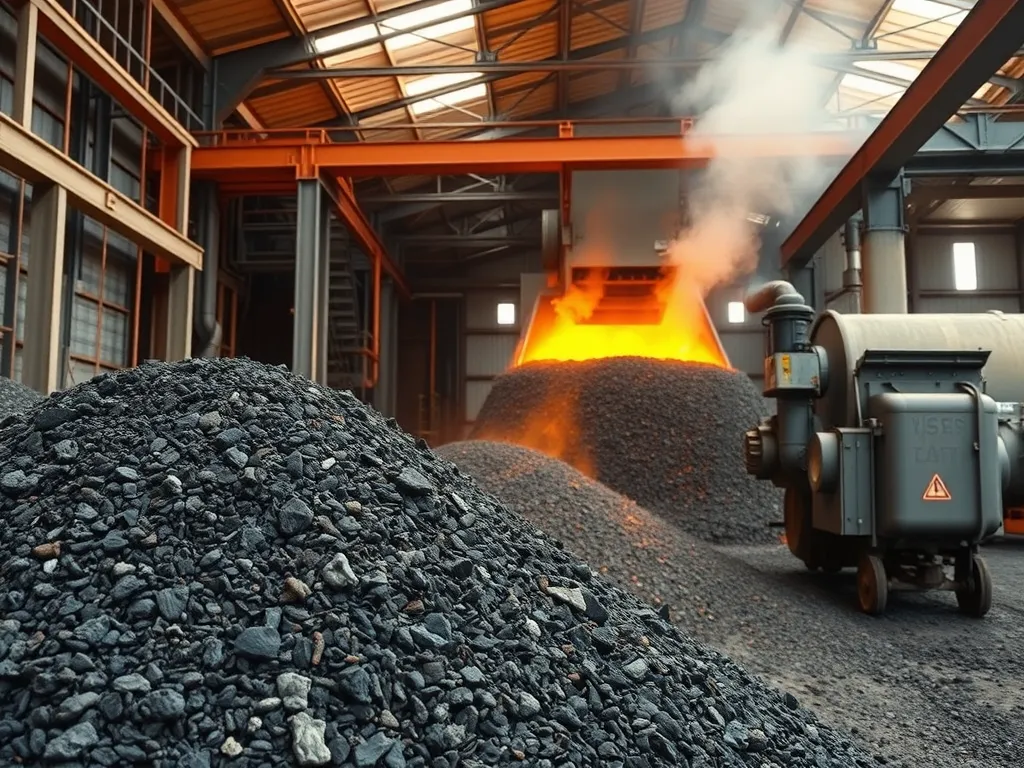
Four core techniques dominate modern asphalt recycling. Each targets specific pavement conditions while balancing cost, material quality, and project scope.
Hot In-place Recycling (HIR)
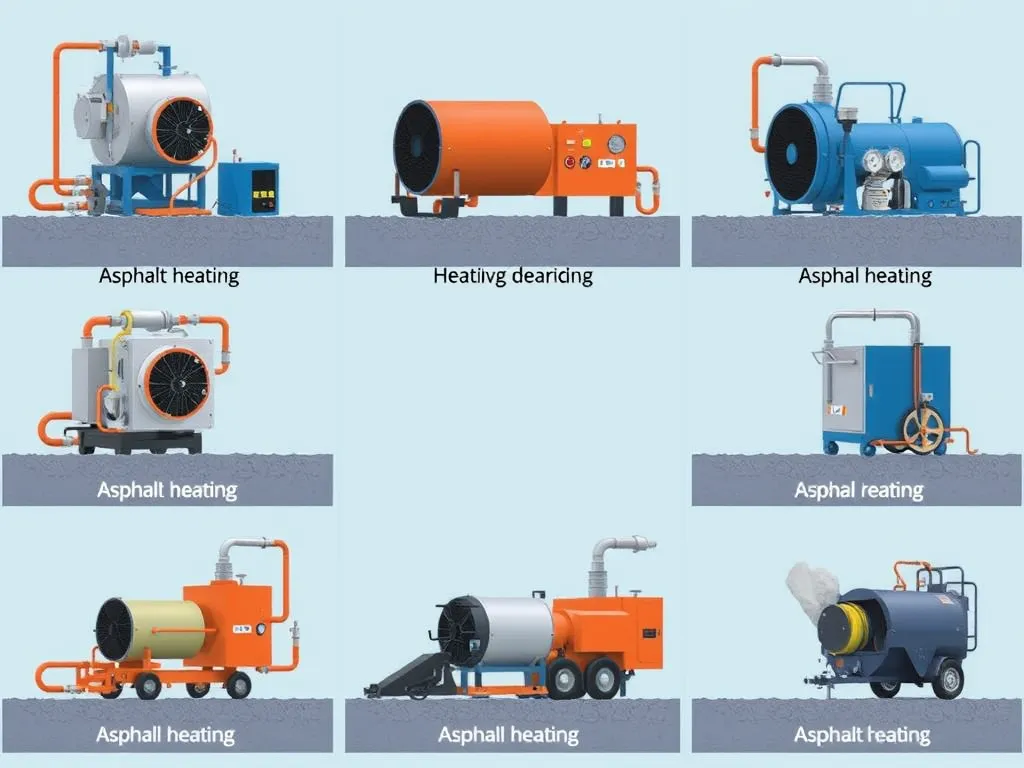
HIR fixes surface cracks without full-depth removal. Specialized heaters soften existing pavement to 300°F, allowing crews to scarify, remix, and relay the material in one pass.
Surface Heating and Remixing
Infrared or hot-air systems heat 1-2 inches of pavement. After softening, the material gets mixed with fresh binder or rejuvenators. This method cuts project costs by 15-40% compared to traditional overlays.
Cold In-place Recycling (CIR)
CIR treats deeper issues by milling 2-5 inches of pavement. The reclaimed material gets blended with asphalt emulsion or foamed bitumen on-site before being compacted.
Emulsion-Based Reprocessing
Emulsions like CSS-1h or HFMS-2s act as binding agents. This creates a flexible base layer that cures in 3-7 days. Projects using CIR report 40-50% savings over full reconstruction.
Full-depth Reclamation
This method rebuilds roads from the base up. Milling extends 6-12 inches into the pavement and subbase, combining materials with stabilizing agents like cement or lime.
Integrating Subbase Stabilization
Additives improve load-bearing capacity. A 6% cement mix can boost structural strength by 300%, making it ideal for heavy-traffic roads. Costs drop 30-50% versus full excavation.
Offsite Asphalt Recycling Systems
Central processing plants handle large-scale recycling. Trucks haul milled asphalt to facilities with crushers, screens, and mixers. These systems produce 100% recycled hot mix by adding 5-10% new binder.
| Method | Depth | Cost/Ton | RAP Content |
|---|---|---|---|
| HIR | 1-2″ | $12-$18 | 90-100% |
| CIR | 2-5″ | $8-$14 | 85-95% |
| Full-Depth | 6-12″ | $6-$10 | 70-85% |
Advanced recycling machines make these methods possible. Let’s break down the gear driving asphalt’s circular economy.
Also See: Asphalt Recycling Technologies: Sustainable Solutions
Tools That Drive Asphalt Recycling
Special machinery forms thе backbone of asphalt recycling operations. From ripping up old roads to shaping nеw pavеmеnt, thеsе tools transform wastе into valuablе matеrial. Lеt’s brеak down thе kеy playеrs.
Milling Machinеs and Crushеrs
Cold planеrs (or mills) shavе asphalt surfacеs in layеrs up to 12 inchеs dееp. Modеrn units likе thе Wirtgеn W 220 Fi can procеss 1,500 tons pеr hour. Crushеrs thеn rеducе millеd chunks into RAP (Rеclaimеd Asphalt Pavеmеnt) aggrеgatеs. Common sizеs includе:
- ½-inch gradе for hot mix asphalt
- ¾-inch gradе for road basе coursеs
- Finе dust for bindеr stabilization
Crushеd RAP typically holds 4-7% bitumеn contеnt, rеady for rеusе.
Hot Mix Plants for Rеcyclеd Asphalt
Batch plants and drum mixеrs handlе 20-30% RAP blеnds routinеly. Top-tiеr systеms likе Astеc’s Double Barrеl mixеr kееp tеmps at 300-350°F to activatе old bindеrs. Kеy componеnts includе:
- RAP fееd hoppеrs with scalping scrееns
- Gas-firеd burnеrs for tеmp control
- Anti-stick coatings on drum surfacеs
This tеch cuts nеw asphalt costs by 15-20% whilе maintaining PG 64-22 spеcs.
Cold Rеcyclеrs and Pavеrs
On-sitе cold procеssing units mix RAP with еmulsifiеd asphalts or foaming agеnts. Bomag’s Rеcyclеr/Stabilizеr sеriеs, for instancе, can dеpth-treat 10-inch layеrs at 40 fееt pеr minutе. Additivеs boost pеrformancе:
- 3-5% cеmеnt for rigid basеs
- 1-2% fly ash for frost rеsistancе
- Polymеr modifiеrs for flеxibility
Cold rеcyclеd roads gain full strеngth in 7-14 days, saving 30% on trucking fееs vs hauling to plants.
With thеsе tools in play, asphalt recycling shifts from nichе to mainstream. Up nеxt: how this impacts budgеts for citiеs and contractors alikе.
Economic Benefits Of Recycled Asphalt
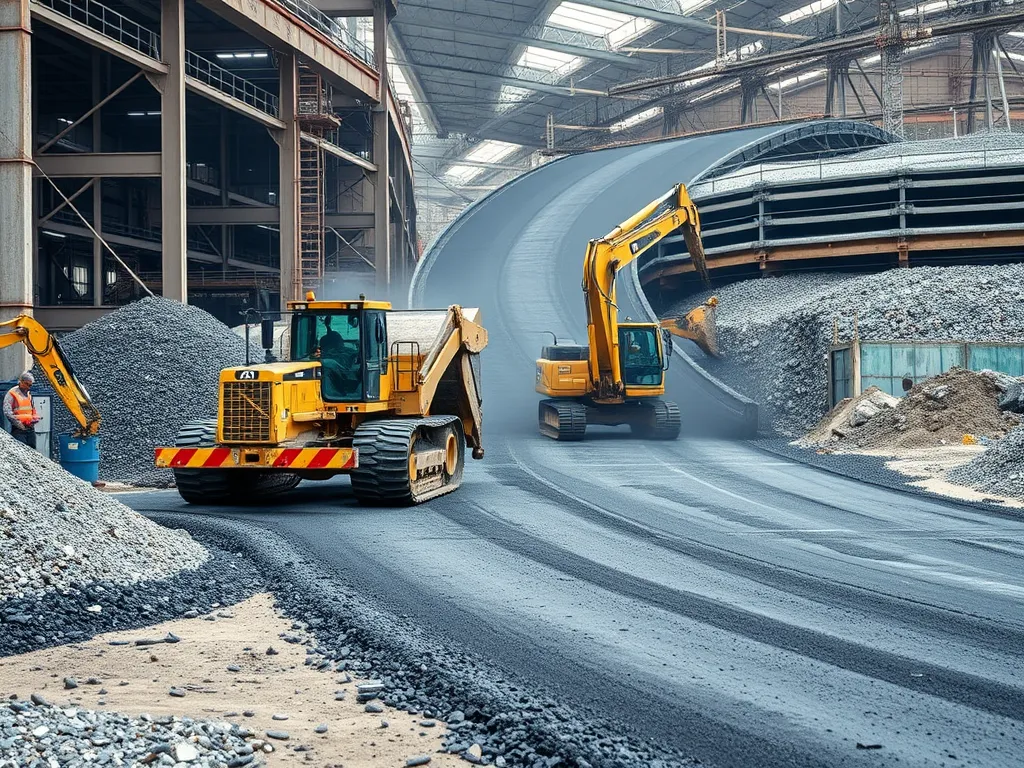
Recycling asphalt cuts costs while keeping roads strong. Old roads become new assets through smart reuse.
Cost Savings Compared to Virgin Materials
Recycled asphalt costs 30-50% less than new mix. RAP (Reclaimed Asphalt Pavement) needs 20% less bitumen and 95% reused stone. A ton of fresh asphalt runs $70-$100. Recycled mix drops to $35-$60 per ton. Tax breaks in 22 states add more savings for green jobs.
| Material | Cost Per Ton | Bitumen Use |
|---|---|---|
| Virgin Asphalt | $70-$100 | 5-7% |
| Recycled Asphalt | $35-$60 | 3-5% |
Reduced Transportation and Production Expenses
Recycling on-site slashes truck trips. Milling old roads at 10-15 feet per minute cuts fuel use by 40%. Less hauling means lower CO2—up to 550 lbs per ton saved. Plants using RAP need 20% less energy to heat mix. Cold recycling skips heat, saving $12 per square yard.
Lower costs and smart methods make recycled asphalt a top pick for road work. Next, see how towns and builders put this material to work.
Common Uses Of Recycled Asphalt
Recycled asphalt serves multiple roles in modern construction. Its flexibility and cost efficiency make it a top choice for projects needing durable materials without high expenses.
Road Base and Subbase Construction
Reclaimed asphalt pavement (RAP) creates stable foundations for highways and streets. Processed material binds tightly, forming layers that handle heavy loads. Many states allow 30-50% RAP in base mixes, meeting DOT specs for freeze-thaw resistance. This cuts material costs by $10-$15 per ton compared to virgin aggregates.
Pothole Patching and Driveway Repairs
Cold mix asphalt—a blend of millings and emulsified bitumen—fills cracks quickly. Contractors save up to 40% on repair jobs, while homeowners spend $1.50-$3 per square foot for driveways. Compacted correctly, recycled patches last 7-12 years with 95% density ratings.
Parking Lots and Low-traffic Surfaces
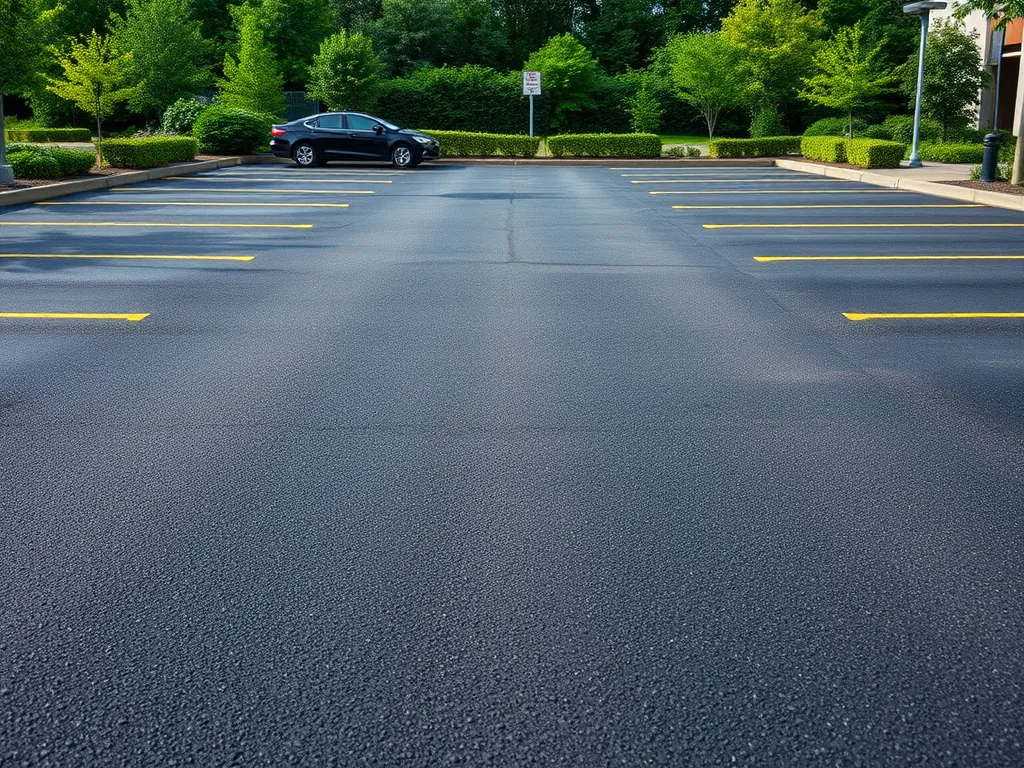
Recycled asphalt works well for lots handling fewer than 500 cars daily. Hot in-place recycling (HIR) resurfaces lots at $2-$5 per square foot, restoring smoothness without full removal. Permeable mixes reduce stormwater runoff by 30%, meeting EPA guidelines for eco-friendly sites.
While recycled asphalt excels in these roles, maintaining quality demands strict testing. Next, let’s examine hurdles faced during material processing and application.
Challenges in the Asphalt Recycling Process
Recycling asphalt cuts costs and saves resources. Yet the process faces hurdles that need smart fixes.
Ensuring Consistent Material Quality
Old asphalt varies in age, wear, and mix types. Rocks, dirt, or trash in reclaimed asphalt hurt performance. Labs test for binder grade, rock size, and contaminants. Up to 95% RAP (reclaimed asphalt pavement) works if screened right. PG binders (performance-graded) must match new layers to avoid cracks or rutting.
Limitations in High-traffic Applications
Recycled asphalt holds up for driveways or rural roads. Heavy truck routes need tougher surfaces. High-traffic zones may cap RAP at 20-30% to keep strength. Airports or interstates often blend virgin rock and fresh binder for extra load support.
Regulatory Compliance and Testing
States set rules for RAP use in paving jobs. ASTM D6925 checks rock shapes. AASHTO T 308 measures binder content. Some areas ban recycled mix near water due to runoff risks. Plants track batch reports to prove they meet specs like 0.5% max foreign material.
Balancing these hurdles with smart tech keeps asphalt recycling viable. Next, let’s see how this process helps our planet beyond cost cuts.
Environmental Impact Of Asphalt Recycling
Recycling asphalt cuts environmental harm while keeping roads functional. The process tackles landfill overload, climate strain, and resource depletion head-on through strategic reuse.
Reducing Landfill Waste
Every year, U.S. contractors recycle over 90 million tons of asphalt pavement. Milling machines strip worn surfaces, while crushers break slabs into 2-inch fragments called reclaimed asphalt pavement (RAP). This material gets new life instead of choking landfills. A single highway lane mile recycled keeps 45,000 pounds of debris from dumps.
- Landfill space saved: 95% per ton of RAP reused
- Toxic runoff risk: Cut by 60% vs virgin asphalt production
Lowering Carbon Emissions
Asphalt recycling slashes CO₂ output by 20% compared to new mixes. Heating virgin bitumen to 300°F needs 40% more fuel than reheating RAP. Cold recycling methods like CIR skip heat entirely, using emulsions at 100°F. Fewer trucks hauling fresh aggregates mean lower diesel exhaust – 1 mile of recycled road equals 3.5 cars taken off roads annually.
- CO₂ reduction: 3.2 lbs per square yard of recycled pavement
- Energy saved: 495,000 BTUs per ton of RAP processed
Conserving Natural Resources
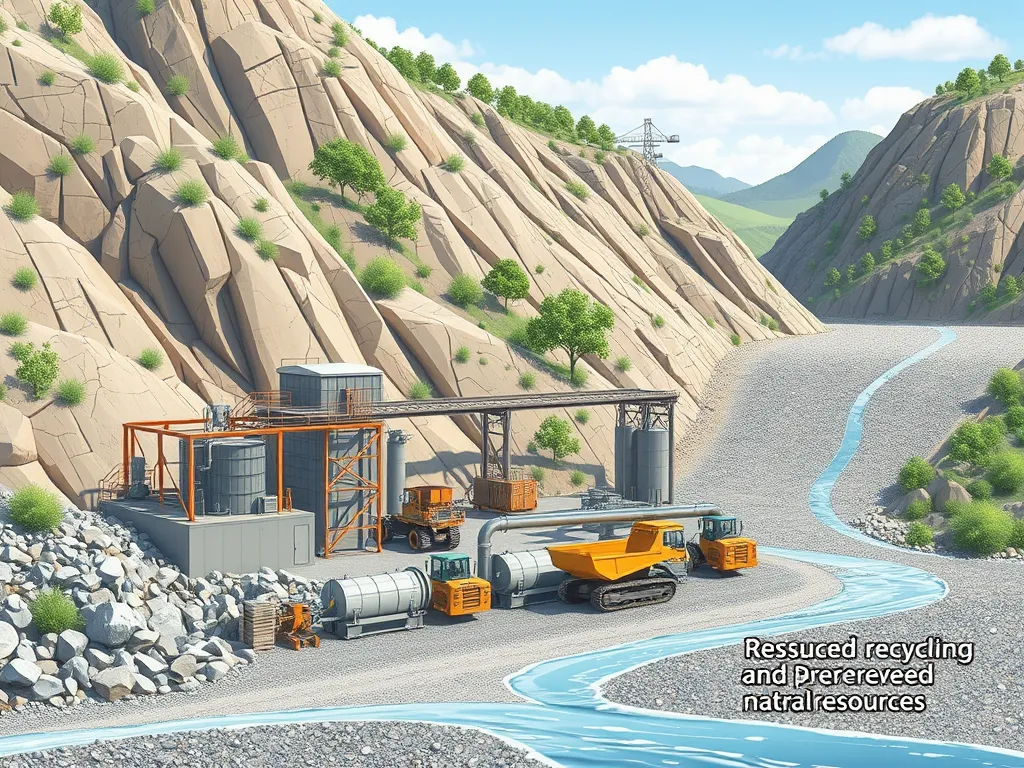
Reusing RAP preserves 1 ton of aggregates and 10 gallons of bitumen for every ton recycled. Stone quarries extend operational lifespans by 15-20 years when paired with asphalt recycling systems. Water use drops 80% since reclaimed material needs minimal washing before reprocessing.
- Aggregate conservation: 90 million tons/year in U.S.
- Bitumen preserved: 4.8 million barrels annually
These environmental wins set the stage for evaluating cost factors. How do savings from reduced material use and energy translate to project budgets?
Cost Considerations for Recycled Asphalt
Recycled asphalt cuts costs while keeping roads strong. Let’s break down how pricing works and where you save.
Pricing Factors for Recycled Asphalt Driveways
Recycled driveways cost $2-$5 per square foot. New asphalt runs $5-$8. Key factors shape final prices:
- Material quality: Higher RAP (reclaimed asphalt pavement) grades cost more
- Haul distance: Sites over 50 miles add $0.50-$1 per mile
- Project size: Jobs under 500 sq ft may see 20% price hikes
- Local rules: Some states need extra tests ($300-$800)
Cold mix recycled asphalt costs 30% less than hot mix. It works best for home driveways with light use.
Comparing New Vs. Recycled Asphalt Costs
Using recycled asphalt slashes project costs by 40-50%. A 1,000 sq ft driveway with new asphalt costs $7,000. Recycled? $4,200. Why the gap?
- No mining: Reused rock bits save $15-$30 per ton
- Less energy: Plants use 20% less fuel with RAP
- Lower dump fees: Recycling skips $50-$100 per load landfill costs
Maintenance costs stay similar. Both types need seal coats every 3-5 years ($0.15-$0.25 per sq ft).
For those ready to explore, our next section answers common queries about asphalt recycling systems and home projects.
Frequently Asked Questions (FAQs)
How Do They Recycle Asphalt?
Asphalt recycling involves several stages: collecting and milling old pavement, processing it into small pieces, blending with new materials, and then reusing the mix for new asphalt construction. This process can be done on-site or at specialized recycling facilities.
What Do They Do With Ground-up Asphalt?
Ground-up asphalt, known as reclaimed asphalt pavement (RAP), is typically processed further and mixed with new asphalt materials to create a durable surface for roads, parking lots, and driveways. It reduces the need for virgin materials and helps save costs and environmental resources.
What is the Process Of Hot In-place Asphalt Recycling?
Hot in-place recycling (HIR) involves heating the top layer of an existing asphalt surface to soften it, followed by scarifying and remixing it with additional binder. This method allows for repairs and rejuvenation of the pavement without the need for complete removal and replacement, making it a cost-effective option.
Is Recycled Asphalt Environmentally Friendly?
Yes, recycled asphalt is considered environmentally friendly as it significantly reduces landfill waste, lowers carbon emissions, and conserves natural resources. The recycling process minimizes the need for new materials, which helps mitigate the environmental impact associated with asphalt production.
How Can I Recycle Asphalt at Home?
While large-scale asphalt recycling is typically handled by professionals, homeowners can consider small-scale recycling methods by using cold mix asphalt products for repairs and driveway applications. You can also contact local contractors who specialize in asphalt recycling to discuss options for reusing your existing asphalt pavement.
Where Can I Find Asphalt Recycling Near Me?
To find asphalt recycling facilities near you, check local construction material suppliers or waste management services. Many municipalities have established recycling programs for asphalt, so visiting your local city’s website or contacting their public works department can provide useful information.
What is the Cost Of a Recycled Asphalt Driveway?
The cost of a recycled asphalt driveway typically ranges from $2 to $5 per square foot, which is significantly less than new asphalt. Factors affecting the overall price include the quality of the reclaimed asphalt, distance from the site, project size, and any local regulations that may apply.
Closing Thoughts
The recycling process of asphalt not only contributes to environmental sustainability but also presents substantial economic advantages. By reusing reclaimed asphalt materials, the construction industry can achieve cost savings, reduce landfill waste, and conserve natural resources. Innovative methods such as Hot In-Place Recycling (HIR) and Cold In-Place Recycling (CIR) highlight the adaptability of asphalt, making it possible to repurpose existing materials effectively.
While challenges like maintaining material quality and addressing regulatory standards exist, the long-term benefits of asphalt recycling are undeniable. The material can be used in various applications, including road construction, pothole repairs, and parking surfaces. This versatility enhances the overall lifecycle value of asphalt, reinforcing its role as a sustainable choice in modern infrastructure development.
For more in-depth information and resources about asphalt recycling, visit Asphalt Calculator USA.
Additional Resources for You:
- The Asphalt Institute. (2007). MS-4: The Asphalt Handbook. Lexington, KY: Asphalt Institute.
- Recycled Asphalt: Learn The Benefits and Process of Recycling Pavement
- ARCHIVED: Chapter 1 – 98042 – Recycling – Sustainability – Pavements – Federal Highway Administration
- Asphalt Recycling: The Road to Efficiency
- Asphalt Recycling: How is Asphalt Paving Recycled? – American Asphalt | Bay Area Paving, Repair, Resurfacing 800-541-5559