Recycling Options for Commercial Asphalt: Sustainable Solutions for Businesses
Published on: April 2, 2026 | Last Updated: April 14, 2025
Written By: George Voss
Recycling options for commercial asphalt turn old pavement into reusable material through methods like reclaimed asphalt pavement (RAP), cold in-place recycling (CIR), and hot in-place recycling (HIR). This process recovers 95% of asphalt’s core ingredients – aggregates and bitumen binder – cutting project costs by up to 25% while diverting 90 million tons of waste from landfills annually. Contractors use specialized equipment to mill, crush, and blend recycled asphalt with new materials, creating durable surfaces for parking lots, roads, and industrial zones.
This guide examines six proven recycling techniques for commercial projects. Learn how RAP mixes save $15-$50 per ton versus virgin asphalt. Compare CIR and HIR methods for on-site pavement rehabilitation. Discover how roofing shingles become pavement ingredients through shingle recycling programs. We detail processing steps from milling to repaving, list key equipment like infrared heaters and portable crushers, and explain how to find certified recycling facilities. Explore both environmental advantages (72% energy savings) and financial incentives like tax credits for sustainable paving projects.
Contents
- Understanding Commercial Asphalt Recycling
- Methods Of Recycling Asphalt
- Commercial Asphalt Recycling Process Steps
- Locating Asphalt Recycling Services
- Asphalt Recycling Equipment and Machinery
- Financial and Operational Benefits
- Environmental Impact Of Asphalt Recycling
- FAQs About Recycling Commercial Asphalt
- Closing Thoughts
- Useful References for You:
Understanding Commercial Asphalt Recycling
Commercial asphalt recycling transforms aged pavement into reusable material, cutting costs by up to 30% while meeting federal sustainability mandates like MAP-21. Let’s break down the basics.
What is Asphalt?
Asphalt combines aggregates (crushed stone, sand) with bitumen, a petroleum-based binder. Performance-graded (PG) binders and Superpave mix designs ensure durability under traffic loads. This material accounts for 94% of U.S. paved roads. When recycled, old asphalt becomes reclaimed asphalt pavement (RAP), a core component in modern recycling methods.
Why Recycle Asphalt?
Recycling 1 ton of asphalt saves $80 in disposal fees and $60 in material costs. The EPA reports 90 million tons of asphalt get recycled annually—more than paper or plastic. Here’s why contractors prioritize it:
Reducing Waste in Landfills
Diverting RAP from landfills prevents 10.5 million cubic yards of annual waste. Asphalt doesn’t decompose, so recycling eliminates long-term environmental risks like chemical leaching. Municipalities like Los Angeles now mandate 15% recycled content in paving projects to meet zero-waste goals.
Conserving Natural Resources
Using RAP replaces 20-30% of virgin aggregates in new mixes, preserving 600 million gallons of bitumen yearly. Minnesota DOT projects using 35% RAP in highways save 4.2 million tons of raw materials annually. This reduces quarrying impacts and cuts energy use by 16% during production.
With landfill diversion and resource conservation covered, let’s explore the machinery and techniques driving asphalt pavement recycling.
Methods Of Recycling Asphalt
Commercial projects use six primary techniques to recycle pavement. Each method balances cost, environmental impact, and structural performance.
Reclaimed Asphalt Pavement (RAP)
RAP involves milling existing roads or parking lots. Crushed material becomes the base for new mixes.
Processing and Reuse in New Projects
Milled RAP gets screened to remove debris. It’s then blended with virgin bitumen at 150-175°F. Modern plants integrate 20-30% RAP into fresh hot mix, cutting material costs by $3-$7 per ton. Federal Highway Administration specs permit up to 50% RAP in surface layers with polymer-modified binders.
Cold In-place Recycling (CIR)
CIR rehabilitates roads without removing the old surface. This method suits highways with moderate cracking.
On-Site Rehabilitation of Pavements
Milling machines grind 2-4 inches of pavement. The material is mixed with emulsified bitumen or foamed asphalt on-site. Compacted layers gain strength within 72 hours. CIR reduces trucking by 60% versus traditional methods, slashing CO₂ emissions by 1.2 tons per lane mile.
Hot In-place Recycling (HIR)
HIR uses heat to soften existing pavement for reprocessing. It’s ideal for surfaces with minor defects.
Heating and Reprocessing Existing Layers
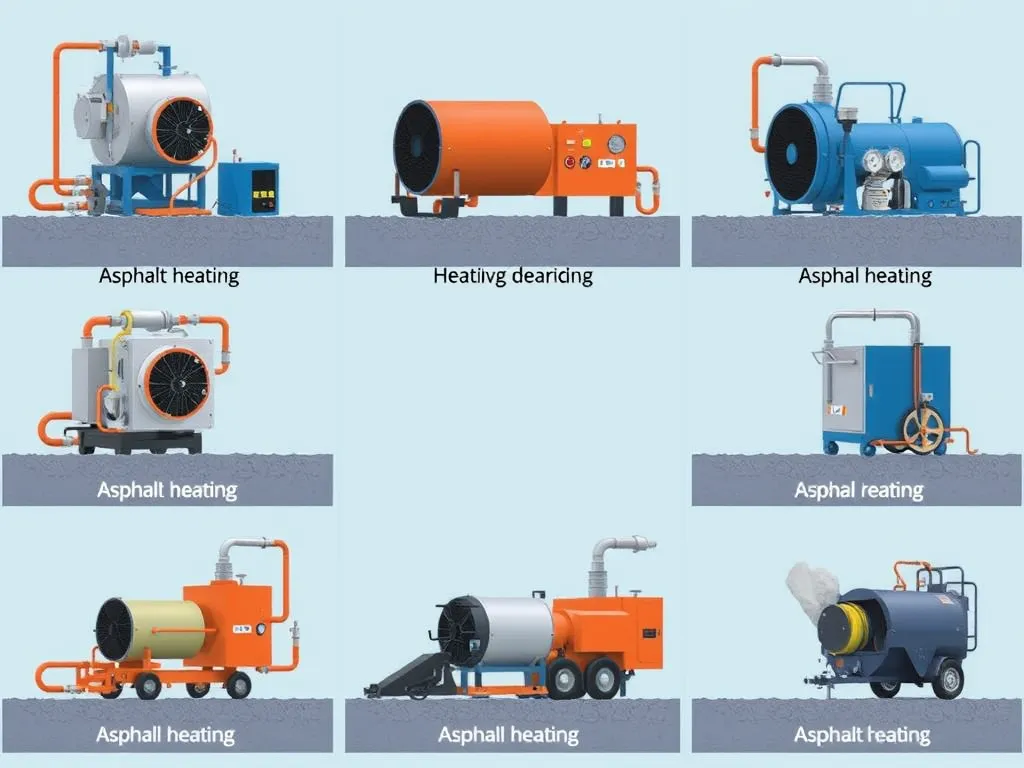
Infrared heaters raise pavement temps to 300°F. Scarifiers loosen the softened layer, which is mixed with rejuvenators. The recycled mat is relaid at 1.5-2 inches thick. HIR preserves 95% of original aggregates, saving $15-$20 per square yard versus full-depth replacement.
Hot Mix Asphalt (HMA) With Recycled Content
HMA plants routinely blend RAP with virgin materials. This approach meets most DOT specifications.
Blending RAP with Virgin Materials
RAP enters drum plants at 20% feed rates. Parallel-flow drums prevent binder oxidation. Superpave designs with 25% RAP show equal rut resistance to virgin mixes. Contractors report 18-22% savings on bulk material purchases when using recycled HMA.
Warm Mix Asphalt (WMA)
WMA lowers production temps by 50-100°F. This tech pairs well with RAP for eco-friendly builds.
Energy-Efficient Production Techniques
Chemical additives or foaming nozzles let WMA compact at 230°F. Lower temps cut fuel use by 35% and allow 40% higher RAP content. Over 30% of U.S. pavements now use WMA, per National Asphalt Pavement Association data.
Asphalt Shingle Recycling
Roofing shingles add flexibility to pavement mixes. Over 1 million tons get recycled yearly into roads.
Incorporating Roofing Shingles into Pavement
Shingles contain 20-30% asphalt by weight. Processed into granules, they’re mixed at 5% by volume in HMA. This boosts fatigue resistance by 15% and trims bitumen needs by 0.5 gallons per ton. Most states permit recycled shingles in base layers.
Selecting the right method depends on project scale, budget, and pavement condition. Next, let’s break down the step-by-step workflow for turning old pavement into new roads.

Commercial Asphalt Recycling Process Steps
Turning old pavement into new material involves a systematic approach. Contractors follow strict protocols to maintain quality while cutting costs by up to 25%. This process transforms worn-out surfaces into fresh, high-performing asphalt.
Step-by-step Asphalt Recycling Process
Four primary phases define asphalt pavement recycling. Each phase impacts the final product’s durability and cost. Proper execution ensures compliance with ASTM D6925 standards for recycled mixes.
1. Milling and Collection
Milling machines strip 2-4 inches of old pavement using rotating drums with carbide teeth. This creates RAP (Reclaimed Asphalt Pavement) stockpiles. Contractors haul material to asphalt recycling centers or store it on-site for cold in-place recycling. Proper depth control avoids damaging sublayers.
2. Crushing and Screening
RAP undergoes processing in jaw crushers or impact breakers to achieve uniform ¾-inch minus aggregate. Screening separates debris like rocks or metal. Advanced facilities use infrared sorting to boost purity levels above 95%. Gradation testing ensures compatibility with fresh mixes.
3. Mixing with Binders or Additives
Workers blend RAP with virgin bitumen or polymer-modified PG 64-22 binders at 300-350°F. Rejuvenators like soybean oil restore maltenes lost during aging. Typical HMA mixes contain 20-30% RAP, while WMA allows up to 50% without compromising workability.
4. Repaving or Reusing in New Projects
Processed material gets laid via standard paving equipment at 145°F minimum. Common applications include highway bases, parking lot surfaces, or pothole patches. Some states permit 100% RAP usage for low-traffic roads, slashing material costs by $15-$30 per ton.
With proper execution, recycled asphalt performs comparably to virgin mixes in Marshall Stability tests. Up next: locating asphalt recycling companies with the right gear for your project size.
Also See: Importance Of Proper Base Preparation for Longevity
Locating Asphalt Recycling Services
Finding reliable recycling services ensures old pavement gets repurposed efficiently. The right facility depends on project size, location, recycling asphalt methods, asphalt recycling equipment, asphalt recycling center capabilities, recycled asphalt pavement needs, asphalt concrete recycling options, asphalt and concrete recycling near me options, asphalt recycling companies expertise, asphalt pavement recycling process requirements, how to recycle asphalt specifics, asphalt recycling process step by step considerations, asphalt recycle possibilities, asphalt recycling process details, recycling asphalt pavement protocols, recycling of asphalt pavement standards, recycling asphalt material handling, asphalt recycled product quality, asphalt recycling methods employed, and budget.
How to Find Asphalt Recycling Facilities Near You
Search tools simplify locating centers specializing in recycling asphalt concrete or asphalt pavement recycling. Prioritize facilities with certifications from bodies like the Construction & Demolition Recycling Association (CDRA).
Using Local Directories and Industry Networks
Platforms like RecycleNation list asphalt recycling companies by zip code. Trade groups such as the National Asphalt Pavement Association (NAPA) provide member lists. Municipal waste departments often share databases of licensed facilities. Expect costs between $8-$15 per ton for drop-off.
Types Of Asphalt Recycling Centers
Centers vary by scale, services, and ownership. Key differences lie in processing capacities for recycled asphalt pavement (RAP) or asphalt concrete recycling.
Municipal vs. Private Facilities
Municipal centers typically charge lower fees ($5-$10/ton) but limit intake to locally sourced material. Private plants handle larger volumes (50+ tons) and offer flexible scheduling. Many private firms buy RAP for $12-$20/ton, turning waste into revenue streams.
Proper machinery determines how effectively facilities execute the asphalt recycling process. Next, let’s explore the tools powering this industry.
Asphalt Recycling Equipment and Machinery
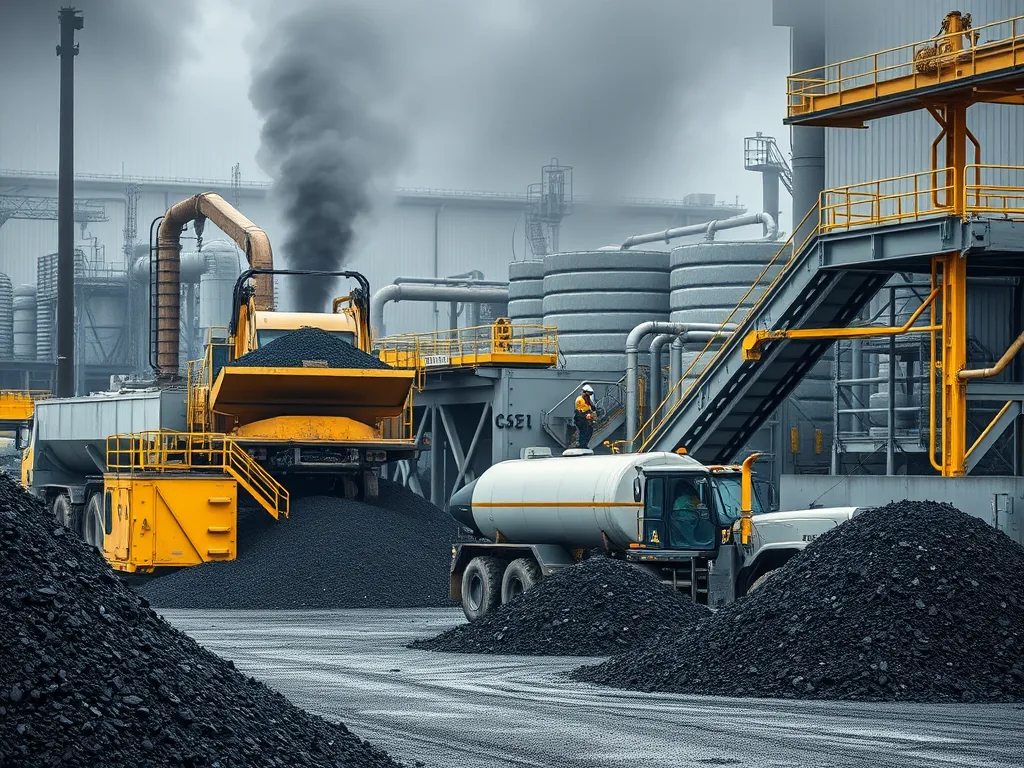
Recycling asphalt needs the right tools. These machines break down old roads and prep them for reuse. They turn waste into fresh pavement fast.
Essential Tools for Recycling Asphalt
Three key machines handle most jobs. Each plays a role in the asphalt recycling process step by step.
Milling Machines
Milling machines grind up old roads. They remove the top layer and break it into small bits. These broken bits, called RAP (reclaimed asphalt pavement), get reused in new mixes. Milling depths range from 1 inch to over 12 inches, based on road needs.
Crushing Plants
Crushing plants take RAP and make it smaller. Screens sort the chunks by size—from gravel to dust. Some plants add fresh binders to boost strength. A typical plant can process 500+ tons of asphalt daily.
Portable Recycling Units
Portable units work right at the job site. They save time and cut truck trips. These compact setups recycle 100-300 tons per day. Ideal for tight spaces or remote projects, they slash haul costs by up to 60%.
Using these tools cuts waste and costs. Now, let’s see how recycling boosts your bottom line.
Financial and Operational Benefits
Commercial asphalt recycling transforms waste into value. It cuts project costs while creating revenue streams for businesses managing large-scale pavement projects.
Mitigating Disposal and Dump Fees
Landfill fees for asphalt debris range from $30-$50 per ton in most states. Recycling asphalt material eliminates these costs entirely. For a mid-sized project generating 1,000 tons of rubble, this saves $30,000-$50,000. Disposal costs typically account for 10-15% of total project budgets. Recycling reduces overall expenses by 20-35% compared to traditional removal methods.
Generating Revenue From Recycled Asphalt
Recycled Asphalt Pavement (RAP) sells for $8-$15 per ton, depending on regional demand and material quality. Contractors use RAP in new asphalt mixes, which can contain 10-30% recycled content. State DOTs and private builders often prioritize suppliers offering recycled aggregates for infrastructure projects.
Selling RAP to Contractors
Asphalt recycling companies connect commercial operators with contractors through platforms like RockProducts.com or state asphalt pavement association networks. Contracts often specify RAP quality standards, including gradation (particle size) and binder content (3-7% bitumen). States like California and Texas mandate minimum recycled content in public projects, driving consistent demand.
These economic advantages pair with environmental gains. Next, we examine how recycling asphalt pavement reduces ecological strain while maintaining infrastructure quality.
Environmental Impact Of Asphalt Recycling
Recycling asphalt cuts waste and lowers harm to our planet. Each ton reused keeps 2,000 pounds from landfills. This saves space and stops soil and water pollution from old mix seepage.
Sustainability in Pavement Management
Using recycled asphalt pavement (RAP) slashes the need for new rock, sand, and bitumen. Up to 40% RAP blends into fresh hot mix without losing strength. This extends road life by 15-20 years per rebuild cycle. Firms save $15 per ton versus virgin materials while meeting LEED specs for green builds.
Reducing Carbon Footprint
Making new asphalt emits 30% more CO2 than recycling. Heating virgin bitumen hits 300°F, burning 7 gallons of fuel per ton. Recycling cuts temps by 50°F, saving 20% energy. Over 10 miles of roadwork, this equals 500 cars off roads for a year.
| Material | CO2 (lbs/ton) | Energy Use (kWh/ton) |
|---|---|---|
| Virgin Asphalt | 390 | 55 |
| Recycled Asphalt | 125 | 32 |
Asphalt recycling centers now handle 100 million tons yearly in the U.S. This trims 45 million metric tons of CO2—equal to 9 coal plants shutting down. Cities like Denver and Phoenix mix 35% RAP in all road jobs to hit climate goals.
Next, let’s tackle common questions businesses ask about asphalt recycling methods.
FAQs About Recycling Commercial Asphalt
How Do You Recycle Asphalt?
Asphalt is recycled through various methods including milling, crushing, and mixing with new materials. The recycled asphalt can then be reused in paving projects, providing a sustainable alternative to traditional asphalt.
Is Asphalt 100% Recyclable?
Yes, asphalt is virtually 100% recyclable. The core materials found in asphalt, including aggregates and bitumen, can be reused multiple times, reducing waste and conserving resources.
What Can I Do With Leftover Asphalt?
Leftover asphalt can be repurposed in several ways, including recycling it into new pavement, using it for landscaping projects, or as base material for walkways and driveways. Contact local recycling centers to inquire about proper disposal or recycling options.
Are There Free Recycling Options for Commercial Asphalt?
Some municipalities may offer free asphalt recycling options, especially for local businesses. It’s advisable to check with local waste management or recycling programs to identify available services in your area.
How to Recycle Asphalt at Home?
While large-scale asphalt recycling is typically handled by professionals, you can recycle asphalt by utilizing local recycling programs. For small amounts, contact local facilities to find out if they accept residential asphalt for recycling.
Is There an Asphalt Recycling Machine?
Yes, there are several types of asphalt recycling machines designed for processing reclaimed asphalt pavement. These include milling machines, crushing plants, and portable recycling units that can operate at job sites to facilitate immediate recycling of asphalt materials.
Closing Thoughts
Recycling options for commercial asphalt present a vital opportunity for construction firms and municipalities alike. By choosing methods like Reclaimed Asphalt Pavement (RAP) and Cold In-Place Recycling (CIR), businesses reduce waste, conserve resources, and cut costs. Each method offers unique advantages, from on-site rehabilitation to utilizing recycled materials in new projects.
Moreover, engaging with local recycling facilities can enhance sustainability practices while generating revenue through the sale of reclaimed materials. The environmental benefits, such as a reduced carbon footprint and decreased landfill usage, further highlight asphalt recycling as a forward-thinking solution in pavement management.
For more detailed information on asphalt recycling and its economic and environmental impacts, visit Asphalt Calculator USA.