
Recycling Methods in Asphalt Production: Turning Old Roads Into New Resources
Published on: April 2, 2026 | Last Updated: April 14, 2025
Written By: George Voss
Recycling methods in asphalt production reuse old pavement to create durable roads while cutting costs and environmental impact. These techniques process reclaimed asphalt pavement (RAP) – crushed asphalt from roads, parking lots, or driveways – into fresh mixes. Contractors save 25-40% on material costs and reduce CO2 emissions by up to 30% compared to virgin asphalt production. Modern plants now incorporate 20-30% RAP in standard mixes without sacrificing quality.
This article breaks down how asphalt recycling works, from milling old surfaces to blending recycled materials. We’ll compare Hot In-Place Recycling (HIR), Cold Recycling, and Full-Depth Reclamation methods, detailing equipment like infrared heaters and cold planers. You’ll also see real-world examples, including highway projects using 90% recycled content, and learn how recycled asphalt performs against new pavement in freeze-thaw tests.
Contents
- Introduction to Asphalt Recycling
- How Asphalt Recycling Works
- Primary Recycling Methods in Asphalt Production
- Efficiency Of Asphalt Recycling
- Machinery Vital for Asphalt Recycling
- Case Studies in Asphalt Recycling
- Practical Applications Of Recycled Asphalt
- Environmental Benefits Of Recycling Asphalt
- Frequently Asked Questions (FAQ)
- Closing Thoughts
- Additional Resources for You:
Introduction to Asphalt Recycling
Recycling asphalt transforms aged or damaged pavement into fresh, high-performance material. This practice reshapes how roads get built, maintained, and upgraded across the U.S.
Overview Of Recycling in Asphalt Production
Reclaimed Asphalt Pavement (RAP) serves as the backbone of recycling methods. RAP consists of crushed asphalt pavement combined with aggregates and bitumen. Modern asphalt recycling techniques—like Hot In-Place Recycling (HIR) and Cold Recycling—allow RAP to replace up to 50% of new materials in mixes. Plants designed for asphalt recycling process RAP at temperatures between 250°F and 325°F, ensuring proper binding. The Federal Highway Administration reports 95% of RAP gets reused in road projects annually, diverting 100 million tons from landfills.
Importance Of Reusing Asphalt Materials
Recycling asphalt cuts production costs by 20-35% per ton while preserving finite resources. Every ton of RAP saves 0.5 barrels of bitumen and 1.3 tons of aggregates. PG binders—performance-graded polymers that enhance temperature resistance—maintain structural integrity in recycled mixes. Tests show recycled asphalt pavement meets Superpave specifications, a mix design system ensuring durability under heavy traffic. Reusing materials also slashes energy use by 90% compared to virgin asphalt production.
Next, we’ll break down the step-by-step asphalt recycling process and the machinery that makes it possible.
How Asphalt Recycling Works
Recycling asphalt transforms old pavement into fresh material for roads, driveways, and parking lots. This process cuts material costs by up to 30% compared to new asphalt production. Let’s break down the steps and machinery involved.
The Asphalt Recycling Process Explained
Recycled Asphalt Pavement (RAP) starts with milling existing surfaces. Milling machines scrape off the top asphalt layer, creating chunks called reclaimed material. These chunks are then crushed into smaller pieces, screened for size, and blended with fresh aggregates or performance-graded (PG) binders to restore flexibility.
Stages of Recycling Asphalt Pavement
Five steps define the asphalt recycling process:
- Milling: Removing old pavement with specialized grinders.
- Crushing: Breaking chunks into ½-inch to 2-inch fragments.
- Screening: Sorting material by particle size for mix consistency.
- Blending: Combining RAP with virgin aggregates and additives like bio-based rejuvenators.
- Laying: Applying the recycled mix at 250-350°F for optimal compaction.
Key Components Of an Asphalt Recycling Plant
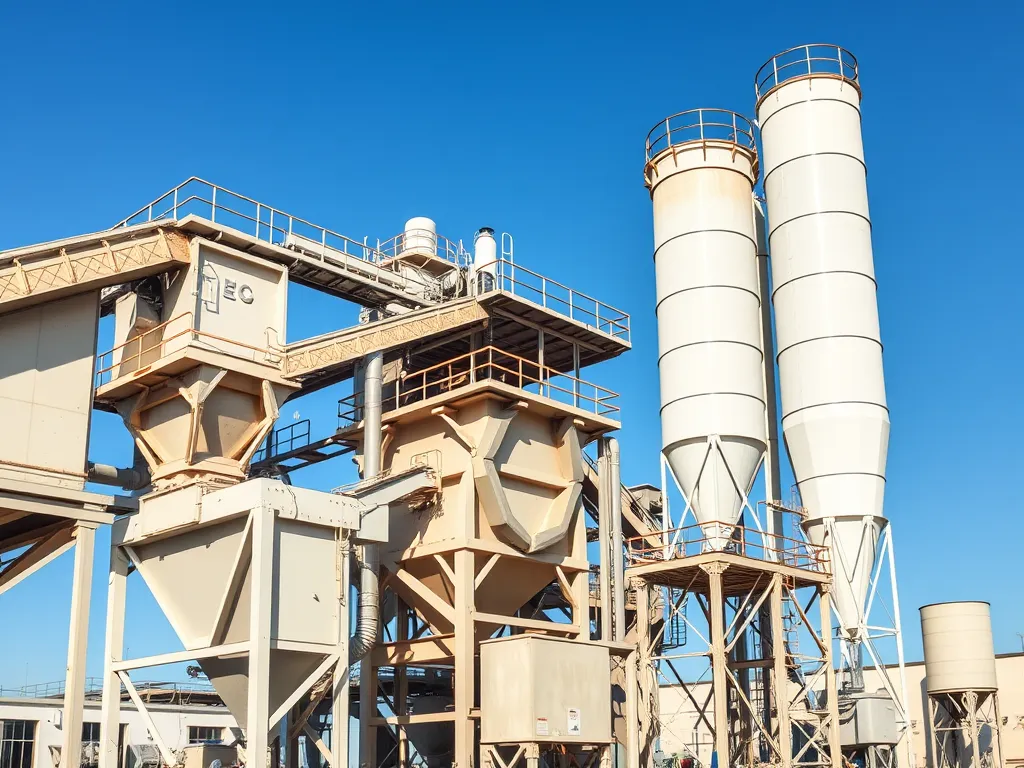
Modern plants rely on specialized equipment to handle RAP. Below are core elements:
| Component | Function | Technical Specs |
|---|---|---|
| Crusher | Reduces RAP to usable sizes | Capacities: 100-500 tons/hour |
| Screener | Separates materials by grade | Mesh sizes: 3/8” to 2” |
| Dryer Drum | Heats RAP for mixing | Operates at 300°F |
| Mixing Unit | Combines RAP with binders | 15-30% RAP in typical mixes |
Advanced plants integrate emission controls to capture dust and vapors, meeting EPA standards. Some systems allow up to 50% RAP in new mixes without compromising strength.
Next, we’ll explore the primary asphalt recycling techniques shaping modern road construction.
Primary Recycling Methods in Asphalt Production
Four core techniques dominate modern asphalt recycling. Each method serves distinct project needs while cutting material costs by 15-40%. Let’s break down how these processes work.
Hot In-place Recycling (HIR)
HIR resurfaces roads without removing old pavement. Crews heat existing asphalt to 300°F using infrared heaters, soften it, then mix in rejuvenators like bio-based oils. The restored layer bonds seamlessly with the original base.
Equipment and Applications
Specialized HIR trains include preheaters, scarifiers, and asphalt recyclers. These units handle highway shoulders, residential streets, and parking lots. A single pass can recycle depths up to 2 inches at 20-30 feet per minute.
Cold Recycling Techniques
Cold recycling breaks down aged asphalt at ambient temperatures. Milled material gets mixed with emulsified asphalt or foamed bitumen. This creates flexible bases for rural roads or temporary driveways.
Cold Mix Asphalt Production Steps
1. Milling: Remove old pavement with a cold planer2. Crushing: Reduce chunks to ¾-inch aggregate3. Binder addition: Blend with 2-4% emulsified asphalt4. Compaction: Achieve 93-95% density with pneumatic rollers
Hot Mix Recycling
Plants incorporate recycled asphalt pavement (RAP) into new hot mixes. Modern facilities process 20-30% RAP content while meeting Superpave PG 64-22 binder specs. High-demand projects like interstate highways use this method.
Integrating Recycled Asphalt into New Mixes
RAP enters the drum at 250°F, blending with virgin aggregates and polymer-modified binders. Advanced plants use parallel-flow dryers to prevent overheating. Final mixes must pass Marshall stability tests (1,500-3,000 lbs) for load-bearing capacity.
Full-depth Reclamation
This method rebuilds roads from the ground up. Machines pulverize the entire pavement structure – surface, base, subbase – into a 6-12 inch stabilized layer. Ideal for roads with deep cracks or poor drainage.
Stabilizing Base Layers with Recycled Materials
Reclaimer-stabilizers mix pulverized asphalt with cement (3-5%) or lime (2-3%). The chemical reaction creates a rigid base with 500-800 psi compressive strength. Some states mandate 100% recycled content for non-traffic areas.
While these methods transform waste into durable pavement, their success hinges on precise material ratios and compaction. Next, we’ll analyze how contaminants and mix designs impact recycling efficiency.
Also See: Can You Play Pickleball on Asphalt? What to Know
Efficiency Of Asphalt Recycling
Recycling asphalt cuts material costs by 30-50% compared to virgin mixes while maintaining structural integrity. Performance hinges on material quality, processing methods, and testing protocols.
Factors Influencing Recyclability
Reclaimed Asphalt Pavement (RAP) reuse rates depend on binder grade, aggregate hardness, and milling depth. High RAP content—up to 40% in hot mixes—requires precise temperature control during the asphalt recycling process to reactivate aged bitumen. Soft aggregates like limestone may degrade during reheating, limiting recyclability.
Impact of Contaminants and Aging
Foreign materials reduce recycled asphalt quality. Just 2% diesel or motor oil contamination can weaken binder adhesion. Aging also hardens bitumen through oxidation, increasing viscosity by 200-300% over 10 years. Advanced plants use rejuvenators like soybean oil to restore flexibility, allowing 95% RAP incorporation in base layers.
Mechanical Properties Of Recycled Asphalt
Recycled mixes must match virgin asphalt’s load-bearing capacity. Studies show properly processed RAP achieves 98% of new asphalt’s tensile strength at 77°F. PG 64-22 binders blended with 20% recycled materials meet AASHTO M 323 standards for highways.
Testing Strength and Durability
Labs evaluate recycled asphalt using three key tests:
- Marshall Stability: Measures load resistance (minimum 12 kN for residential roads)
- Indirect Tensile Strength: Checks cracking resistance at 15°F
- Hamburg Wheel Tracking: Assesses rutting after 20,000 wheel passes
Field cores from recycled pavements show 85-90% density levels, matching virgin asphalt’s 92% benchmark when compacted at 300°F.
Modern asphalt recycling techniques now allow cities to rebuild roads while slashing emissions. Next, we’ll examine the machinery making these methods possible.
Machinery Vital for Asphalt Recycling
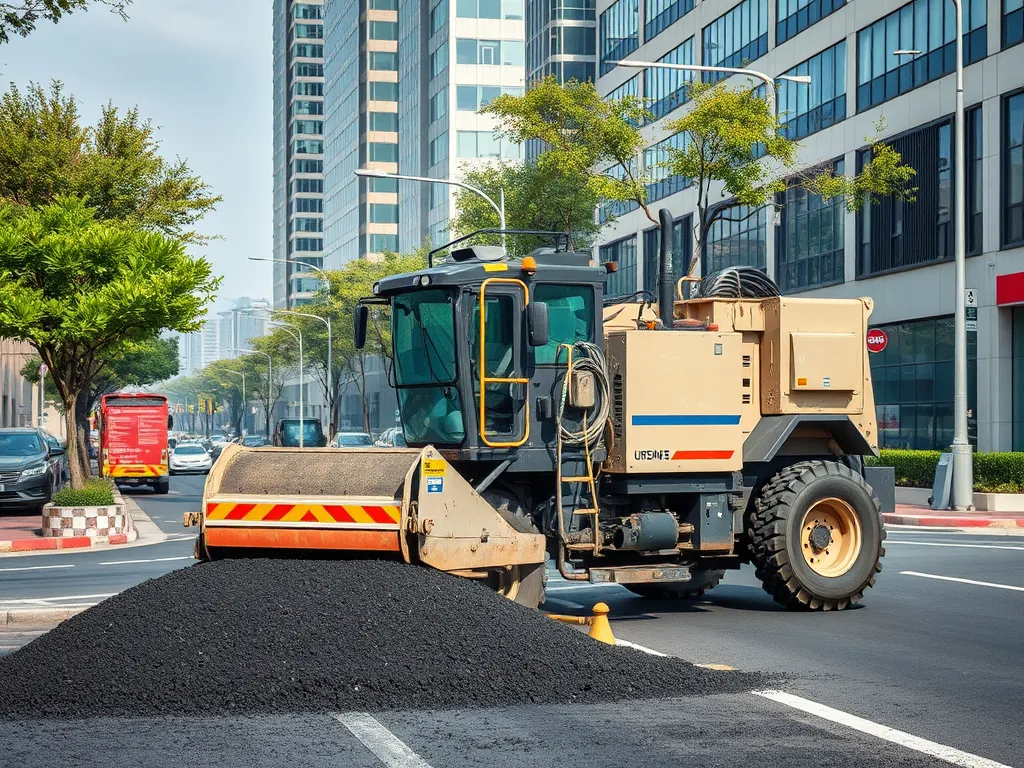
Transforming old pavement into fresh road surfaces demands specialized tools. From pulverizing slabs to laying fresh layers, each task requires distinct machinery built to handle rigid materials. This kit plays a pivotal role in turning worn-out roads into high-functioning infrastructure.
Gear for Pulverizing and Handling
Cold planers, also called milling tools, strip asphalt layers using rotating cutting heads. These units can shave 2-12 inches deep, creating chunks called RAP (Reclaimed Asphalt Pavement). Screening tools and crushers then sort RAP into uniform sizes—0.5-inch bits work best for mixing. Conveyor systems move material between sorting and storage phases without manual labor. Advanced plants may add baghouses to trap dust during crushing, maintaining air quality.
Layers and Compacting Tools for Reworked Mix
Post-processing, pavers distribute hot or cold recycled asphalt at 275-325°F for hot mixes. Vibratory compactors follow, applying 8-12 tons of force to reach 92-96% density. Pneumatic compactors with rubber tires smooth surfaces, while tandem drum types handle thick layers. For cold mixes, static compactors suffice, as materials set gradually through traffic and weather.
Job Site Vs. Fixed-location Units
Mobile recycling rigs process RAP on highways or parking lots, cutting hauling costs by 40%. These setups suit full-depth jobs where base layers need stabilization. Fixed plants, with batch or drum setups, allow strict control over mix formulas. Drum plants blend up to 50% RAP with virgin aggregates at 300°F, while batch types limit RAP to 30% for quality. Job site units save time; plant systems boost precision.
From milling to compacting, each tool shapes how recycled asphalt performs under traffic. Up next: how cities and states apply these tools to cut costs and boost road lifespans.
Case Studies in Asphalt Recycling
Real-world projects show how recycling methods cut costs, save resources, and boost road quality. We look at two key examples.
Highway Rehabilitation Using Hot In-place Methods
A 2021 Ohio highway project used hot in-place recycling (HIR) to fix 12 miles of worn pavement. Crews heated the old surface to 300°F, milled it, then mixed in 20% new binder. This saved 8,000 tons of virgin rock and cut costs by $18 per ton. The HIR method slashed project time by 40% compared to full-depth removal. Testing showed the recycled layer met AASHTO T283 specs for rut resistance after 5 years.
Municipal Projects With Cold Mix Recycling
Seattle’s 2023 city program used cold mix recycling for 150+ pothole repairs and alley upgrades. Crews blended 60% recycled asphalt (RAP) with emulsified binder at 100°F – half the heat of traditional mixes. This cut fuel use by 35% and lowered CO2 emissions by 1.2 tons per project. The cold mix held up through winter freeze-thaw cycles, with less than 2% cracking after 18 months.
These examples prove recycled asphalt works for both large highways and local roads. Next, we’ll explore how to use these methods in home projects and small-scale jobs.
Practical Applications Of Recycled Asphalt
Recycled asphalt materials offer versatile solutions for residential and small-scale projects. From driveways to creative backyard builds, reprocessed pavement proves cost-effective while maintaining performance. Let’s explore two common uses.
Repurposing Asphalt for Driveways and Paths
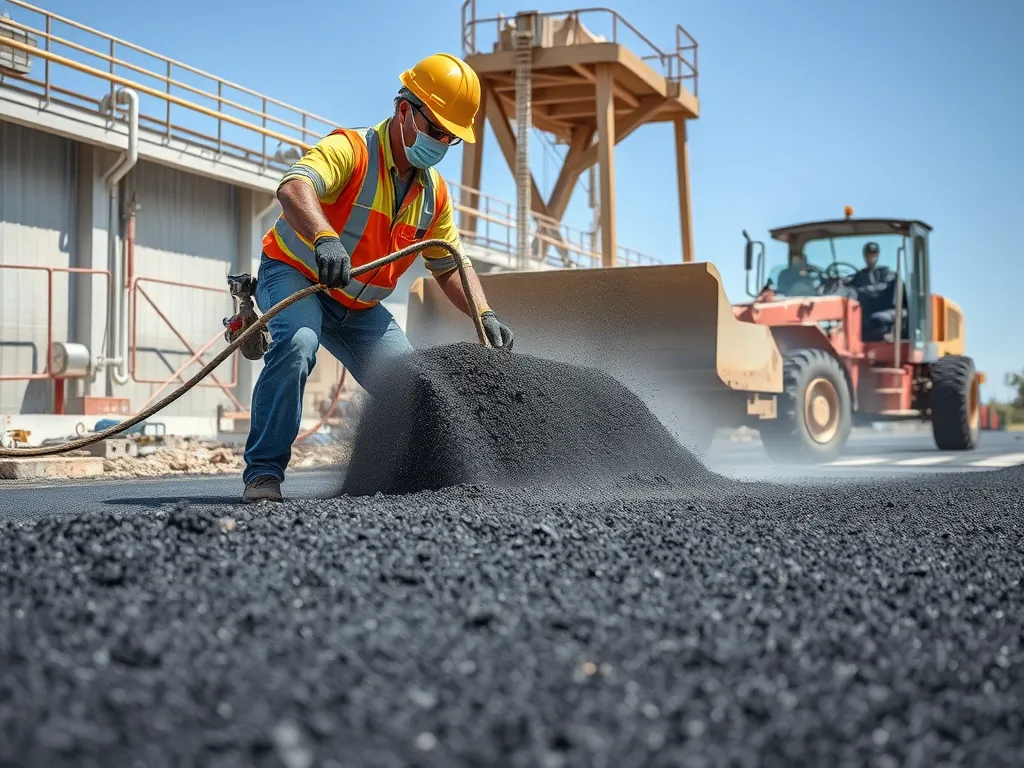
Recycled asphalt pavement (RAP) serves as a top choice for residential driveways. Processed through cold recycling techniques, RAP binds with minimal new bitumen, creating durable surfaces. Contractors mill old roads, crush the material to ¾-inch minus, then compact it into place. The result? Driveways costing 30-50% less than new builds, with comparable longevity.
RAP mixes typically contain 30-40% recycled content, meeting ASTM D693 standards for strength. For DIY projects, crushed recycled asphalt sells for $10-$20 per ton versus $15-$30 for virgin aggregate. Pro tip: Compact layers in 4-inch lifts to prevent settling. Sealing every 3-5 years extends lifespan beyond 15 years.
| Feature | RAP Driveway | New Asphalt Driveway |
|---|---|---|
| Cost per sq.ft. | $1.50-$3.00 | $3.00-$5.00 |
| Installation Time | 1-2 days | 3-5 days |
| Carbon Footprint | 40% lower | Baseline |
Using Reclaimed Shingles in Backyard Projects
Reclaimed asphalt shingles (RAS) transform into robust materials for patios, walkways, or fire pits. Roofing tear-offs get ground into granules, then blended with virgin binder at 5% RAS content. This recycling method cuts project costs by 25% while diverting 11 million tons of shingles from landfills yearly.
For pathways, mix RAS aggregates with cement or epoxy resin. The high filler content (20-30% bitumen) resists weathering. Note: Check local codes—some regions limit RAS use to non-structural projects due to variable compaction rates. Always wear PPE when handling crushed shingles to avoid fiberglass exposure.
Beyond backyard builds, these recycling methods in asphalt production set the stage for broader ecological gains. Next, we’ll examine how reprocessed materials benefit ecosystems while slashing construction budgets.
Environmental Benefits Of Recycling Asphalt
Recycling asphalt production slashes environmental strain while maintaining pavement performance. Every ton reused cuts demand for mining, refining, and hauling new materials. Let’s break down two major wins.
Reducing Landfill Waste
The EPA estimates 90 million tons of recycled asphalt pavement enter landfills yearly without recycling efforts. Asphalt doesn’t biodegrade, meaning dumped chunks of old roads or shingles linger for centuries. Recycling asphalt diverts these materials into new roads, parking lots, or driveways. For example, a single highway rehab project can reuse 40,000+ tons of pavement—enough to fill 12 Olympic pools.
Lowering Resource Consumption in Production
Mixing recycled asphalt materials into new batches saves 20-30% on virgin bitumen and aggregates. Heating virgin asphalt requires temperatures around 300°F, but adding RAP (recycled asphalt pavement) drops energy needs by 20-25%. This also trims CO₂ emissions by up to 30% per ton. States like California allow up to 50% RAP in hot mixes, slashing quarrying for new stone and sand.
With these methods cutting waste and raw material use, the next question becomes: How cost-effective are these asphalt recycling techniques compared to traditional paving?

Frequently Asked Questions (FAQ)
Can Asphalt Be Melted and Reused?
Yes, asphalt can be melted and reused through processes like Hot In-Place Recycling (HIR). This method heats the existing asphalt to a specific temperature, allowing it to be blended with rejuvenators and re-laid on the road surface without the need for complete removal.
How to Recycle Asphalt at Home?
While large-scale asphalt recycling typically occurs at specialized facilities, homeowners can recycle asphalt by using crushed recycled asphalt (RAP) for projects like driveways and paths. Ensure the material meets local regulations and consider hiring professionals for proper installation.
Finding Local Asphalt Recycling Services?
You can find local asphalt recycling services by contacting your municipal waste management department or checking local directories online. Many asphalt paving contractors also offer recycling services and can guide you on how to dispose of old asphalt properly.
Durability Of Recycled Vs. New Asphalt?
Recycled asphalt can achieve similar durability to new asphalt when processed correctly. Tests show that recycled mixes can match or exceed the tensile strength of virgin asphalt, making them a viable and durable option for road construction and maintenance.
Closing Thoughts
Asphalt recycling plays a pivotal role in modern construction. Techniques like Hot In-Place Recycling and Cold Mix Recycling not only reduce landfill waste but also enhance the quality and durability of road surfaces. By reusing existing materials, we conserve resources and cut production costs by a significant margin. These methods demonstrate that sustainability and efficiency can go hand in hand.
Moreover, as we face growing environmental concerns, investing in recycling technologies is essential for the future of asphalt production. This shift not only benefits businesses but also supports eco-friendly practices. The continuous evolution of equipment and techniques further enhances the viability of recycled asphalt.
For those seeking more information on asphalt recycling and its benefits, visit Asphalt Calculator USA. Stay informed and contribute to a sustainable future in construction.
Additional Resources for You:
- Transportation Research Board (TRB, Peer-Reviewed Research & Circulars)
- Reclaiming, Reusing, and Recycling Asphalt Pavement
- Recycled Asphalt: Learn The Benefits and Process of Recycling Pavement
- What is Asphalt Recycling? – Pavement Recyclers
- Asphalt Pavement Recycling with Reclaimed Asphalt Pavement (RAP) – Recycling – Sustainability – Pavements – Federal Highway Administration

