
Recycling Asphalt: How Old Roads Become New Pavement
Published on: April 1, 2026 | Last Updated: April 14, 2025
Written By: George Voss
Recycling asphalt processes transform used pavement into reusable material through milling, crushing, and mixing with fresh binders. Contractors recycle 100 million tons of asphalt annually in the U.S., reusing 95% of reclaimed asphalt pavement (RAP) in roads and driveways. Key methods like hot-in-place recycling (HIR) and cold-in-place recycling (CIR) repair roads while cutting material costs by 20-30%. This process reduces landfill waste by 75 million cubic yards yearly and slashes CO2 emissions by 21% compared to new asphalt production.
This article breaks down asphalt recycling step-by-step. Learn how crews source and process old pavement using specialized equipment like infrared heaters and mobile crushers. Compare techniques like full-depth recycling (FDR) for highway repairs versus central plant methods for parking lots. Explore cost-saving benefits, environmental impacts, and innovations like warm-mix additives that make recycled asphalt last 15+ years. Get practical tips for DIY projects using milled asphalt and find certified recyclers near you.
Contents
Understanding the Asphalt Recycling Process
Recycling asphalt transforms aged or damaged pavement into reusable material. This process preserves resources while maintaining structural integrity. Let’s break down the steps that turn old roads into new infrastructure.
Sourcing and Reclaiming Old Asphalt
Old asphalt comes from roads, driveways, or parking lots. Milling machines scrape surface layers at depths of 2-4 inches. Demolition crews remove full-depth sections for major repairs. The material, called reclaimed asphalt pavement (RAP), is stockpiled at recycling centers. Over 90% of RAP gets reused in new mixes, diverting 100 million tons annually from landfills.
Crushing, Screening, and Grinding
RAP enters jaw crushers to break chunks into 3/4-inch minus fragments. Screening separates aggregates by size using vibrating decks. Secondary grinding refines material for specific uses like pothole patching or hot mix asphalt. Bitumen-coated chunks retain 95% of original binding properties. This prep work ensures compatibility with methods like hot-in-place recycling (HIR) or cold-in-place recycling (CIR).
Quality Testing and Material Grading
Labs run PG binder tests to check viscosity and temperature resistance. Gradation analysis verifies aggregate sizes meet ASTM D6925 standards. XRF scanners detect contaminants like lead or sulfur. Up to 30% virgin aggregates may blend with RAP for optimal density. These steps ensure recycled asphalt meets AASHTO M323 specs for load-bearing capacity and weather resistance.
With quality-certified RAP, contractors can explore advanced asphalt recycling techniques. Next, we’ll examine how these materials get transformed through hot-in-place, cold-in-place, and full-depth recycling methods.
Primary Asphalt Recycling Techniques
Four core methods dominate modern asphalt recycling operations. Each technique addresses specific pavement conditions while optimizing resource use. Select based on project scope, structural needs, and budget constraints.
Hot-in-place Recycling (HIR)
HIR rejuvenates worn surfaces without full-depth removal. Heaters soften existing pavement at 250°F-350°F. Milling machines scarify the surface, blending aged asphalt with fresh PG binders (performance-graded polymers). Workers repave roads immediately, slashing project timelines by 40% compared to traditional methods. Ideal for fixing surface cracks or raveling on highways with minimal base damage.
Cold-in-place Recycling (CIR)
CIR tackles deeper issues up to 5 inches without heat. Milled material mixes with emulsified asphalt or foamed bitumen on-site. Stabilizing agents like cement boost load-bearing capacity. This method handles rutted roads or those with base flaws, cutting costs by $8-$12 per square yard versus full reconstruction. CIR works best in moderate climates with stable subgrades.
Full-depth Recycling (FDR)
FDR rebuilds roads from the base up. Equipment pulverizes the full pavement structure—asphalt, base, sometimes subbase—to depths of 12 inches. Lime or cement additives bind materials into a fresh foundation. States like Texas and California use FDR for highways with severe alligator cracking, achieving 20-year service lives. Process eliminates disposal fees for old roadbeds entirely.
Central Plant Recycling
Plants process reclaimed asphalt pavement (RAP) into new mixes. Crushers reduce chunks to 0.5-inch aggregate, screened for consistency. Up to 30% RAP blends with virgin aggregates and binders under controlled heat. Superpave specs ensure recycled mixes meet traffic load requirements. Central plants supply 85% of recycled asphalt for commercial paving projects nationwide.
Each method relies on specialized gear to maximize material recovery. Next, explore the machinery powering these asphalt recycling techniques.
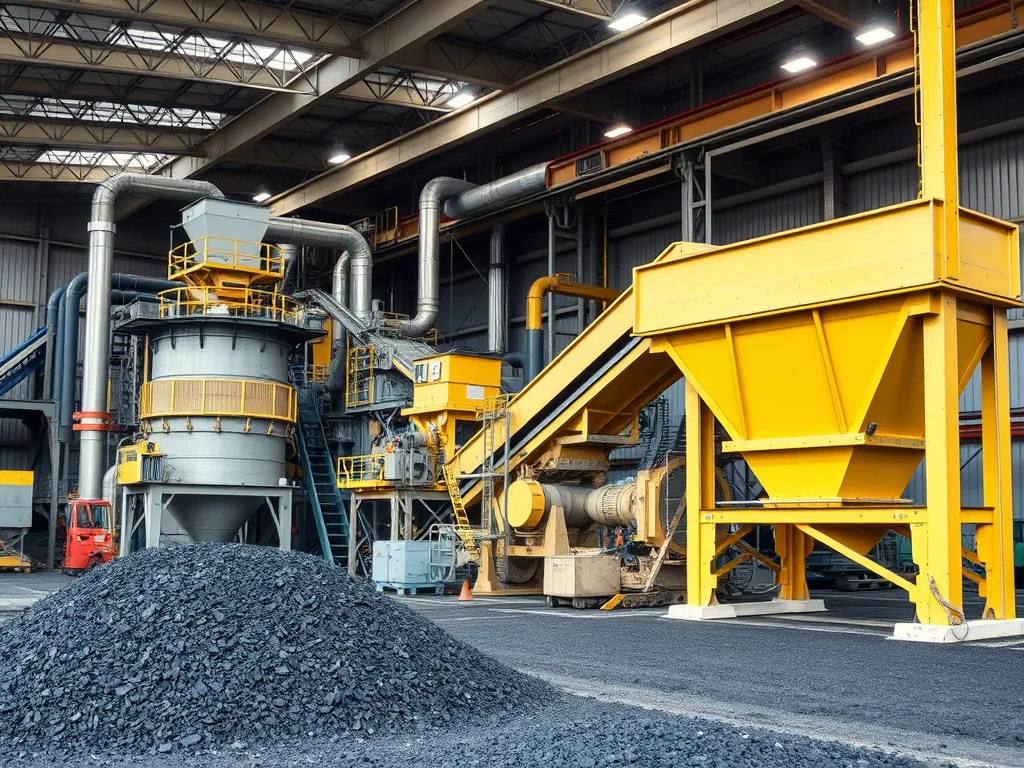
Essential Asphalt Recycling Equipment
Specialized tools form the backbone of asphalt recycling operations. From breaking down old roads to laying fresh surfaces, each machine plays a distinct role in transforming waste into reusable material.
Milling Machines for Pavement Removal
Cold planers strip worn asphalt layers with rotating cutting drums. These machines grind pavement into 1-3 inch chunks called reclaimed asphalt pavement (RAP). Modern models adjust milling depth up to 14 inches, allowing precise material removal without harming underlying road bases.
Mobile Crushing and Screening Plants
Portable units process RAP onsite, cutting transport costs by 30-50%. Jaw crushers reduce chunk sizes while vibrating screens sort particles into uniform grades. Advanced plants handle 200-400 tons per hour, producing material meeting Superpave specifications for reuse.
Heating Units for Hot Mix Recycling
Drum mixers blend RAP with virgin aggregates at 300-350°F. Parallel-flow designs prevent bitumen burning during reheating. Some systems inject recycling agents like PG 64-22 binder to restore aged asphalt’s flexibility, achieving up to 40% RAP content in new mixes.
Pavers for Reapplying Recycled Asphalt
Track-mounted pavers lay recycled mixes at 275-300°F. Adjustable screed bars compress material to 95% density during placement. Models with dual tampers handle coarse RAP blends, creating smooth surfaces matching virgin asphalt’s ride quality.
With the right machinery in play, recycled asphalt finds new life across multiple applications. Next, we’ll show how these processed materials perform in real-world projects.
Also See: Mix Design Techniques for Warm Mix Asphalt
Common Uses for Recycled Asphalt Materials
Recycled asphalt pavement (RAP) serves multiple purposes across infrastructure projects. Its adaptability makes it a go-to material for builders aiming to balance performance with sustainability.
Road Base and Subbase Construction
RAP replaces virgin aggregates in road base layers, providing a stable foundation for highways and parking lots. Crushed recycled asphalt compacts tightly, achieving 95-98% maximum dry density (Proctor standards). This creates a load-bearing layer resistant to frost heave and shifting. Contractors save up to 35% on material costs compared to limestone or gravel bases.
Pothole Patching and Driveway Repairs
Cold mix asphalt made with 80-100% RAP offers a fast fix for damaged surfaces. Municipalities use it for all-season pothole repairs since it bonds without heating. Homeowners apply recycled asphalt millings for driveways, achieving 20+ years of service with proper compaction. This method eliminates waste from tear-outs while cutting labor time by half versus traditional concrete.
New Hot Mix Asphalt Production
Plants blend 15-30% RAP into fresh hot mix asphalt (HMA) under ASTM D4887 guidelines. High-tier facilities achieve 50% RAP integration using advanced temperature controls to reactivate aged bitumen. Each ton of recycled material in HMA slashes CO₂ emissions by 21 pounds and saves 2.5 gallons of liquid asphalt binder. States like California mandate 15% RAP in state-funded projects to meet green building codes.
These versatile applications highlight why recycling asphalt processes have become standard in modern construction. Next, let’s examine how these methods translate into measurable advantages for budgets and ecosystems.
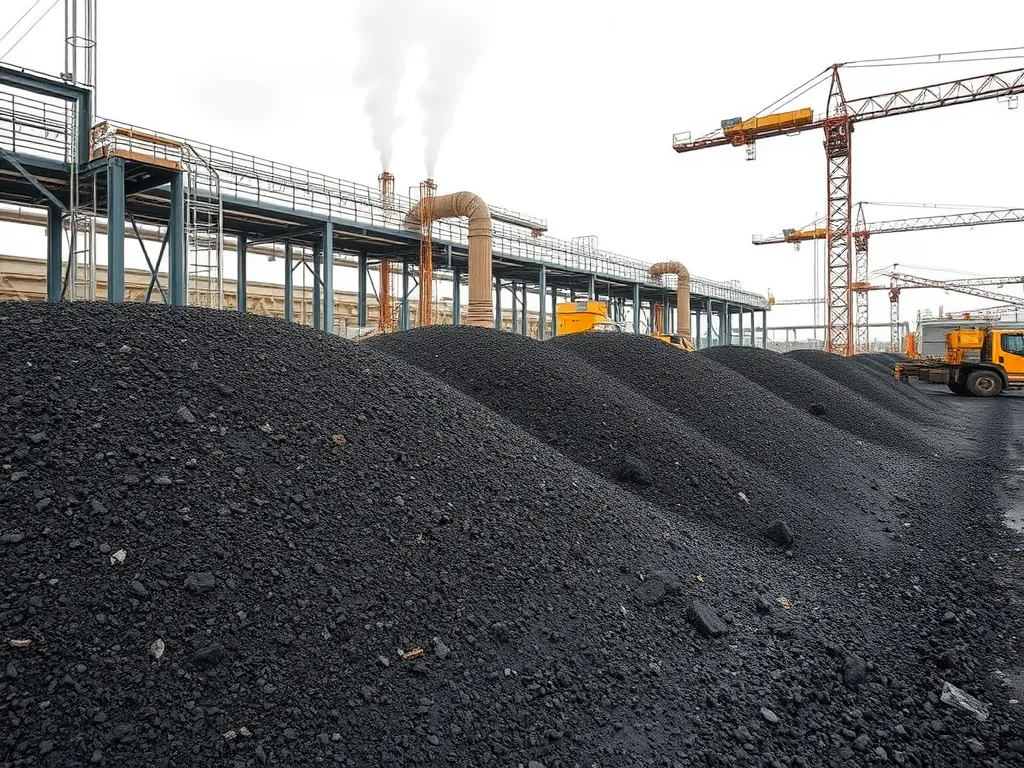
Key Benefits Of Recycling Asphalt
Recycling asphalt delivers measurable advantages across construction projects and environmental protection. Let’s break down its core benefits.
Cost Efficiency in Road Construction
Recycled asphalt cuts material costs by 20-35% compared to virgin mixes. Using Reclaimed Asphalt Pavement (RAP) slashes expenses on aggregates and bitumen. Contractors save $2–$5 per square foot by reusing existing materials, avoiding quarrying fees. Maintenance cycles also extend, reducing long-term repair budgets.
Enhanced Durability Of Recycled Mixes
RAP blends often outperform new asphalt. Aged binder combines with fresh bitumen, creating stiffer pavements resistant to rutting and cracking. PG binder grades like PG 64-22 improve thermal performance. Studies show recycled mixes last 10-15 years, matching or exceeding traditional asphalt lifespan.
Environmental Benefits Of Asphalt Recycling
Asphalt recycling tackles three critical ecological challenges.
Reduced Landfill Waste
Over 90 million tons of asphalt enter landfills annually. Recycling diverts 99% of this waste. One mile of recycled road saves 30,000 cubic feet of landfill space.
Conservation of Natural Aggregates
Every ton of RAP preserves 1.3 tons of virgin stone and sand. The U.S. saves 60 million barrels of bitumen yearly through asphalt recycling techniques. This reduces mining impacts on ecosystems.
Lower Carbon Emissions
Producing recycled asphalt emits 30-50% less CO₂ than virgin mixes. Cold recycling methods cut energy use by 70%, avoiding 15-20 kg of emissions per ton. Over a decade, this equals removing 400,000 cars from roads.
With these benefits established, let’s explore how recycled materials get integrated into new projects through advanced asphalt recycling equipment.
| Benefit | Key Metric | Impact |
|---|---|---|
| Cost Savings | $2–$5/sq.ft. | 25% budget reduction |
| Landfill Diversion | 99% rate | 90M tons/year saved |
| CO₂ Reduction | 15-20 kg/ton | 30-50% lower emissions |
Frequently Asked Questions (FAQs)
What is the Process Of Recycled Asphalt?
The recycled asphalt process involves sourcing old asphalt, crushing, screening, and grinding the material, followed by quality testing and grading to ensure it meets structural requirements before reuse in new paving projects.
How Does Asphalt Pavement Recycling Work?
Asphalt pavement recycling works by milling existing asphalt surfaces, mixing it with new binders, and then reapplying it. The process can be done hot, cold, or at central plants to create high-quality materials for new pavements.
Can I Recycle Asphalt From My Driveway?
Yes, asphalt from your driveway can be recycled. Many local recycling centers accept it, and there are also options for on-site recycling if you are working with contractors who offer such services.
What Are the Benefits Of Hot In-place Asphalt Recycling?
Hot in-place recycling allows for the rejuvenation of existing asphalt surfaces without complete removal, saving time and costs. It significantly reduces disruption and repaves roads quickly while extending their lifespan.
Is Asphalt 100% Recyclable?
While asphalt is highly recyclable and can be reused multiple times, it often contains small amounts of virgin materials blended in to maintain performance standards. However, a large percentage of the old material can be reused effectively.
How Efficient is Asphalt Recycling?
Asphalt recycling is very efficient, with up to 95% of reclaimed asphalt pavement (RAP) being reused in new mixtures. This not only conserves resources but also reduces landfill waste and the need for new materials.
Where Can I Find Asphalt Recycling Near Me?
You can find asphalt recycling facilities by searching online directories, local government resources, or contacting construction contractors who may have information on nearby recycling centers.
What is an Asphalt Recycling Machine?
An asphalt recycling machine is specialized equipment designed to process reclaimed asphalt pavement (RAP). These machines are used for milling, crushing, heating, and mixing asphalt to create high-quality recycled materials for new construction projects.
What Do They Do With Old Asphalt?
Old asphalt is processed for reuse through various recycling methods. It can be crushed into smaller aggregates, mixed with new binders for fresh asphalt production, or used as a base material for new road construction and repairs.
Closing Thoughts
Recycling asphalt processes play a vital role in sustainable construction. They not only repurpose existing materials but also enhance cost efficiency, durability, and environmental impact. Through techniques like Hot-In-Place Recycling and Cold-In-Place Recycling, old asphalt is transformed into high-quality material ready for use in new projects.
Investing in advanced recycling equipment, such as milling machines and mobile crushing plants, ensures optimal performance and reliability. These innovations facilitate the reuse of asphalt in various applications, from road base construction to pothole repairs.
By embracing these recycling methods, construction professionals contribute to reducing landfill waste and conserving natural resources. Ultimately, this leads to a greener tomorrow.
For more information on asphalt recycling processes and related topics, visit Asphalt Calculator USA.
Useful References for You:
- ARCHIVED: Chapter 12. Cold-Mix Asphalt Recycling – Central …
- Asphalt Recycling: How is Asphalt Paving Recycled? – American Asphalt | Bay Area Paving, Repair, Resurfacing 800-541-5559
- ARCHIVED: Chapter 9 – 98042 – Recycling – Sustainability – Pavements – Federal Highway Administration
- ARCHIVED: Chapter 1 – 98042 – Recycling – Sustainability – Pavements – Federal Highway Administration

