
Recycling Asphalt Pavements: Best Practices
Published on: April 1, 2026 | Last Updated: April 14, 2025
Written By: George Voss
Recycling asphalt pavements involves reusing existing road materials through methods like hot in-place recycling, cold recycling, and full-depth reclamation to cut costs by 20-30% and reduce environmental harm. Best practices focus on evaluating pavement conditions, managing Recycled Asphalt Pavement (RAP) quality, and using precise mixing ratios to maintain strength. Proper techniques keep 90 million tons of asphalt out of U.S. landfills yearly while saving $2.5 billion in material costs.
This article breaks down how to recycle asphalt right. Learn step-by-step processes for crushing, grading, and blending RAP with fresh binders like PG 64-22. Get equipment tips for milling machines and infrared heaters. Explore ideal layer thickness (typically 2-4 inches), temperature ranges (250-325°F for hot mix), and quality tests like nuclear density gauges. We’ll also cover common mistakes, cost-saving hacks, and eco benefits like 56% lower CO2 emissions compared to new asphalt.
Contents
- Introduction to Asphalt Pavement Recycling
- Asphalt Recycling Process &Amp; Methods
- Best Practices for Recycling Asphalt Pavements
- Common Uses Of Recycled Asphalt Pavement
- Environmental &Amp; Economic Benefits
- Challenges in Recycling Asphalt Pavements
- Frequently Asked Questions (FAQ)
- Closing Thoughts
- Additional Resources for You:
Introduction to Asphalt Pavement Recycling
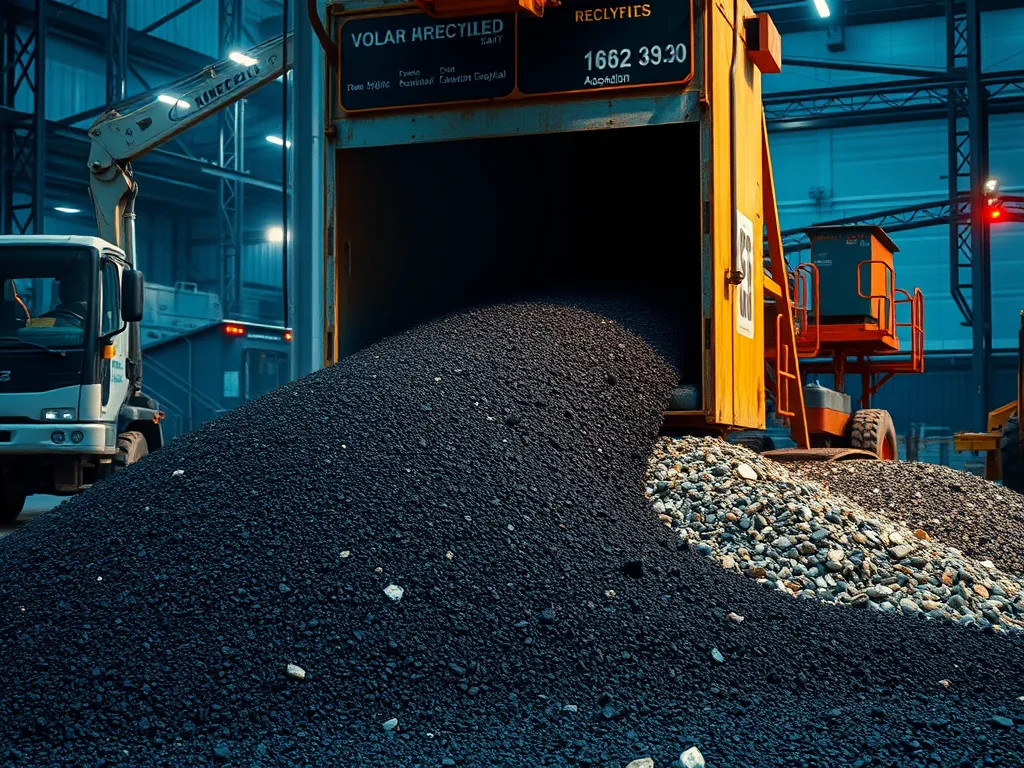
Recycling asphalt transforms old roads into new ones. This process repurposes existing materials like aggregates (crushed stone, sand) and bitumen—the sticky binder holding asphalt together. Aged pavements get milled, crushed, and reprocessed into Recycled Asphalt Pavement (RAP). RAP forms the backbone of sustainable road projects across the U.S., with over 90% of reclaimed asphalt being recycled annually.
Modern asphalt recycling hinges on advanced methods. Hot In-Place Recycling (HIR) heats existing pavement for on-site reuse. Cold In-Place Recycling (CIR) mixes RAP with stabilizing agents like cement or foamed asphalt. Full-Depth Reclamation (FDR) rebuilds entire road structures by blending RAP with base materials. Central plants melt RAP into fresh asphalt mixes. Each method requires precise adjustments to PG (Performance Grade) binders and Superpave mix designs for optimal performance.
Successful recycling starts with material testing. Labs analyze RAP for aggregate gradation, bitumen content (typically 3-7%), and contamination levels. Adding 10-30% fresh binder restores flexibility. Properly processed RAP matches virgin asphalt in strength, with stiffness values ranging from 1,500 to 4,000 MPa. States like California and Texas mandate up to 40% RAP in highway mixes, cutting material costs by $3-$10 per ton.
Beyond cost savings, recycling slashes CO₂ emissions by 20% compared to new asphalt production. It also preserves natural resources—1 ton of RAP saves 2 barrels of oil. The Federal Highway Administration endorses recycled asphalt for federal projects, citing its structural reliability and reduced thermal cracking.
Mastering these fundamentals sets the stage for exploring the specific processes and methods that make asphalt recycling effective.
Asphalt Recycling Process &Amp; Methods
Modern asphalt recycling transforms old pavements into new roads through advanced engineering. Four primary methods dominate the industry, each suited for specific project needs.
Key Techniques in Asphalt Recycling
Choosing the right method depends on pavement condition, traffic demands, and budget. Let’s break down the top approaches.
Hot In-Place Recycling (HIR)
HIR heats existing asphalt to 300-350°F using infrared heaters, softening the surface. Workers then scarify the material, mix it with fresh PG 64-22 binder, and recompact it. This method restores 1.5-2 inch surface layers in a single pass, cutting costs by 20-30% compared to full-depth replacement.
Cold In-Place Recycling (CIR)
CIR mills 3-5 inches of pavement without heat, blending reclaimed material with emulsified asphalt or foamed bitumen. Ideal for rural roads, it strengthens base layers while reducing water infiltration. Projects using CIR report 40% savings on aggregate use.
Full-Depth Reclamation (FDR)
FDR pulverizes the entire pavement structure—asphalt and base—down to 12 inches. Cement or lime stabilizers (3-5% by weight) bond particles into a rigid foundation. States like Texas use FDR on 80% of interstate rehab projects for its 50-year service life potential.
Central Plant Recycling
Plants process reclaimed asphalt pavement (RAP) into new mixes at 15-30% recycled content. High-efficiency drum plants achieve 95% RAP integration, while batch plants handle 25% RAP. New York’s DOT specs allow 20% RAP in surface courses with PG 76-28 polymer-modified binders.
Steps in the Asphalt Recycling Process
Success starts with systematic material handling. Skip one step, and you risk weak joints or premature cracking.
Material Assessment & Core Sampling
Test cores determine RAP quality. Labs check binder content (4-7% optimal), aggregate gradation, and contaminants. AASHTO T 164 extraction tests identify aged bitumen needing rejuvenators like soybean oil (1-3% dosage).
Crushing & Grading Recycled Asphalt
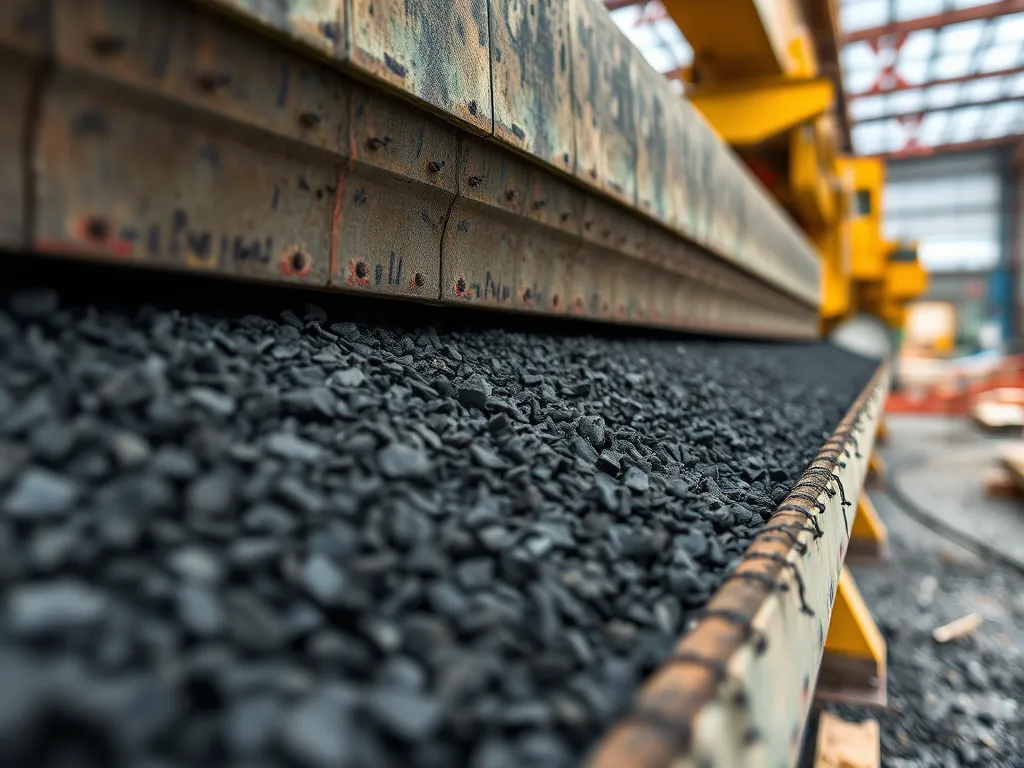
RAP crushers reduce chunks to 0.75-inch minus. Screens sort material into #4 (4.75mm) to #200 (0.075mm) sizes. Missouri DOT requires 95% passing 1.5-inch sieve for base layers.
Mixing with Fresh Binders or Aggregates
Batch plants blend RAP with virgin aggregates at 280-320°F. For 25% RAP mixes, add 0.2-0.5% warm-mix additives to improve workability. Georgia’s specs mandate 2% lime in recycled bases to prevent stripping.
Mastering these processes sets the stage for executing field-tested best practices. Next, we’ll explore how to optimize every phase from planning to compaction.
Best Practices for Recycling Asphalt Pavements
Recycling asphalt needs smart plans, the right tools, and strict steps. Follow these rules to build roads that last.
Pre-project Planning &Amp; Evaluation
Start with clear goals and checks. Know what you have before you dig.
Conducting Pavement Condition Surveys
Use ground radar or core drills to check old roads. Track cracks, moisture spots, and layer depths. Map weak zones needing full removal vs areas fit for reuse. A 2023 study found surveys cut waste by 18% in Texas road jobs.
Analyzing RAP (Recycled Asphalt Pavement) Quality
Test RAP for rock size, binder levels, and pollutants. Aim for 95% pure RAP with 4-7% original bitumen. Screen out debris over 2 inches. Labs use ASTM D4887 to grade RAP for reuse in base layers or new pavement.
Equipment &Amp; Material Management
Pick gear that handles RAP well. Keep mixes steady for smooth work.
Selecting Proper Recycling Machinery
| Machine Type | Use Case | Output Rate |
|---|---|---|
| Cold Planer | Remove old layers | 500-800 tons/day |
| Reclaimer | Mix RAP with new binders | 300-600 tons/day |
| Slurry Paver | Apply surface mixes | 1,000-1,500 sq ft/hr |
Calibrating Intelligent Compaction Systems
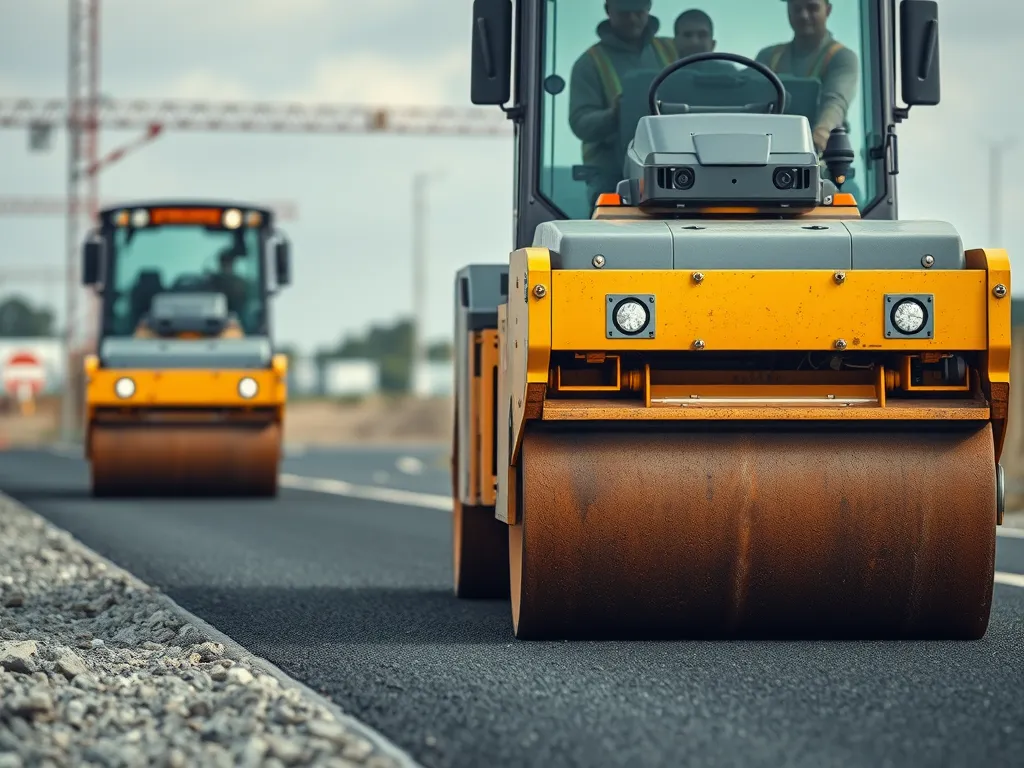
Set rollers to hit 92-96% density for base layers. Use GPS rollers to track passes. Sensors check heat and stiffness in real time. Missed spots show as red zones on crew tablets.
Controlling Fines and Aggregate Consistency
Keep fines below 8% to avoid weak spots. Add lime or cement if dust climbs. Screen RAP into three piles: coarse (1-2 inch), mid (0.5-1 inch), fine (under 0.5 inch). Blend for even gradation.
Application Best Practices
Lay recycled asphalt right the first time. Watch heat, depth, and pack steps.
Optimal Layer Thickness for Recycled Asphalt
Set cold mix layers at 2-4 inches for roads. Go up to 6 inches for parking lots. Thin layers (under 1.5 inches) crack faster. Ohio DOT rules say RAP base layers must be 3 inches min under new pavement.
Temperature Management During Placement
Hot recycled mix needs 275-325°F at the paver. Check with infrared guns every 30 feet. Cold mixes can set at 50-70°F but need longer cure times. Never lay RAP under 40°F.
Post-Compaction Quality Checks
Test density with nuclear gauges or cores. Target 93% for driveways, 96% for highways. Fix soft spots with 2 extra roller passes. Scan for cracks wider than 1/8 inch – seal them fast.
With these steps in play, teams can boost RAP reuse rates while meeting road specs. Next, let’s explore where recycled asphalt shines in real-world builds.
Also See: How to Patch Asphalt Driveway: Simple Steps
Common Uses Of Recycled Asphalt Pavement
Recycled asphalt pavement (RAP) serves multiple purposes in modern road construction. Proper reuse depends on material quality, gradation, project specs. Let’s explore top applications tied to recycling asphalt best practices.
Road Resurfacing & Surface Treatments
Recycled asphalt shines in resurfacing projects. Mixes with 20-30% RAP restore worn surfaces while meeting Superpave performance grades. Surface treatments like chip seals or microsurfacing blend milled material with fresh bitumen emulsions. Benefits include:
- Cost cuts up to 40% versus new hot mix
- Faster curing times due to aged binder content
- Improved skid resistance with optimized gradation
Proper temperature control during mixing prevents premature hardening.
Base/subbase Layers for Highways
RAP works well beneath pavement surfaces. Processed to 1.5-inch minus gradation, it provides stable support for heavy traffic. Best practices specify:
- Compacting layers at 95% Proctor density
- Limiting RAP to 50% in base courses
- Adding 2-4% cement for moisture resistance
Field studies show RAP bases reduce rutting by 18% compared to crushed stone.
Pothole Repairs & Shoulder Stabilization
Cold mixes with 100% recycled content fix potholes efficiently. Key steps:
- Screen material to 0.5-inch size for workability
- Mix with 2% rejuvenating agent
- Compact at 70°F minimum for proper bonding
Shoulder stabilization uses 6-inch RAP layers compacted with vibratory rollers. Reduces erosion by 60% in rainy climates.
These proven uses highlight why 90 million tons of RAP get reused yearly. Up next: how recycling asphalt pavement slashes emissions while boosting budgets.
Environmental &Amp; Economic Benefits
Recycling asphalt pavement delivers measurable benefits for both ecosystems and budgets. These practices reshape how the construction sector operates, turning waste into value while meeting sustainability goals.
Reducing Landfill Waste
Recycling asphalt pavement keeps over 90 million tons of material out of U.S. landfills yearly. Reclaimed asphalt pavement (RAP) repurposes crushed roads, parking lots, or driveways instead of burying them. Landfill fees, which range from $30-$150 per ton depending on location, add up quickly for contractors. Using RAP in new mixes slashes disposal costs while preserving limited landfill space.
Lowering Carbon Footprint &Amp; Energy Use
Producing virgin asphalt binder requires heating crude oil to 300°F–400°F, contributing to 21% lower CO₂ emissions when using recycled mixes. Recycling cuts energy use by 20% compared to traditional methods. Performance-graded (PG) binders, engineered for specific climates, work with RAP to maintain durability without requiring extra heat. Lifecycle studies show recycled pavements reduce greenhouse gases by 2 tons per lane mile over 30 years.
Cost Savings From Material Reuse
RAP costs $10-$18 per ton versus $25-$50 for virgin aggregates. Contractors save 30%-50% on material expenses by blending 20%-40% recycled content into mixes. Milling existing pavement on-site eliminates trucking debris to disposal sites, trimming transportation budgets by up to 60%. Federal tax incentives, like Section 45Q credits for carbon capture, further boost financial returns for eco-conscious projects.
While these benefits make recycled pavements compelling, maximizing their potential depends on overcoming technical hurdles. Next, we’ll explore common challenges faced during recycling operations.
Challenges in Recycling Asphalt Pavements
While recycling asphalt pavement offers clear benefits, specific obstacles demand precise solutions. Two critical hurdles include handling compromised materials and maintaining structural performance in recycled mixes.
Managing Contaminated or Aged Materials
Contaminants like oil spills, road debris, or chemical treatments reduce RAP (Recycled Asphalt Pavement) quality. Aged asphalt binders lose flexibility due to oxidation, requiring additives to restore viscosity. Pre-screening with 3D infrared sorting systems identifies foreign materials, while fractional milling separates contaminated layers. For pavements over 20 years old, blending 15-30% fresh PG 64-22 binder rejuvenates stiff RAP.
Balancing RAP Content for Structural Integrity
Exceeding 40% RAP in mixes risks premature cracking from brittle binders. Superpave mix designs optimize gradation using #4 to ¾-inch aggregates paired with polymer-modified binders. Field studies show 25% RAP blends maintain 99% Marshall Stability compared to virgin asphalt. Intelligent compaction rollers with 8-10 MHz sensors verify 95% density targets during placement. Lab tests like the Hamburg Wheel Track ensure rut resistance stays below 12.5mm after 20,000 cycles.
Addressing these challenges ensures recycled pavements meet AASHTO M 323 specs while cutting material costs by 20-40%. With proper protocols, agencies achieve durable roads while advancing circular economy goals. Up next: explore real-world applications where recycled asphalt delivers peak performance.
Frequently Asked Questions (FAQ)
How Do Recycled Asphalt Pavements Compare to New Asphalt?
Recycled asphalt pavements (RAP) often provide similar performance characteristics as new asphalt, especially when proper blending and processing techniques are applied. When mixed correctly, RAP can meet or exceed the durability and strength standards of virgin asphalt, while offering significant cost savings and reducing environmental impact.
Can You Use 100% Recycled Asphalt in New Pavement Projects?
While it is technically possible to use 100% recycled asphalt, best practices generally recommend mixing new materials with RAP to ensure performance integrity. Typically, a blend of 20-40% recycled content is used in surface courses to achieve optimal results without sacrificing quality or durability.
What is the Lifespan Of Recycled Asphalt Pavements?
The lifespan of recycled asphalt pavements largely depends on the quality of the mix and the application method. With proper engineering and techniques, RAP can offer similar, if not superior, longevity compared to new asphalt materials, with some projects lasting up to 50 years.
Are There Any Specific Regulations Governing the Use Of Recycled Asphalt?
Yes, regulations regarding the use of recycled asphalt vary by state and region and may include guidelines from entities such as the Federal Highway Administration (FHWA) and the American Association of State Highway and Transportation Officials (AASHTO). These regulations often focus on material quality, performance testing, and percentage limits for RAP in new mixes.
How Does Recycling Asphalt Contribute to Sustainability?
Recycling asphalt significantly reduces landfill waste, conserves natural resources, and decreases CO₂ emissions by utilizing existing materials rather than requiring the extraction and processing of new raw materials. This not only lessens the environmental footprint of road construction but also fosters a circular economy in the materials used for infrastructure.
Closing Thoughts
Recycling asphalt pavements presents a powerful opportunity for sustainable construction practices. By implementing best practices, such as thorough pre-project planning and effective material management, contractors can maximize the benefits of reclaimed asphalt pavement (RAP). This not only reduces waste but also contributes to significant cost savings and environmental advantages.
Asphalt recycling is a vital component of modern infrastructure, helping to alleviate the impacts of urban development on the environment. By understanding various recycling techniques and applying the right methods, you can enhance the durability and performance of recycled asphalt surfaces.
For more insights, tips, and tools related to asphalt recycling and construction, visit Asphalt Calculator USA. Equip yourself with the knowledge to make informed decisions in your asphalt projects.
Additional Resources for You:
- Reclaimed Asphalt Pavement – Material Description – User Guidelines for Waste and Byproduct Materials in Pavement Construction – FHWA-RD-97-148
- Recycled Asphalt: Learn The Benefits and Process of Recycling Pavement
- Asphalt Pavement Recycling with Reclaimed Asphalt Pavement (RAP) – Recycling – Sustainability – Pavements – Federal Highway Administration
- Asphalt Recycling: How is Asphalt Paving Recycled? – American Asphalt | Bay Area Paving, Repair, Resurfacing 800-541-5559

