Recycling Asphalt: Cutting Costs and Protecting the Planet
Published on: April 1, 2026 | Last Updated: April 14, 2025
Written By: George Voss
Recycling asphalt repurposes old roads, parking lots, and driveways into new pavement through methods like Hot In-Place Recycling (HIR), Cold In-Place Recycling (CIR), and Reclaimed Asphalt Pavement (RAP). This process reuses crushed asphalt combined with fresh binders, creating durable surfaces while slashing material costs by up to 30% and diverting 100 million tons of waste from landfills yearly. It tackles road repairs faster than traditional methods and cuts greenhouse gas emissions by 20% compared to virgin asphalt production.
This article breaks down how asphalt recycling works. We explain four key techniques—hot, cold, plant-based, and full-depth recycling—and their best uses. You’ll see how blending 15-30% recycled asphalt into mixes boosts road lifespan while preserving natural resources. We also cover cost savings, environmental wins, and solutions for common challenges like managing contaminants or ensuring quality control.
Contents
- Introduction to Asphalt Recycling
- What is Recycled Asphalt Pavement (RAP)?
- Primary Methods Of Recycling Asphalt
- Economic and Performance Benefits Of Asphalt Recycling
- Challenges in Asphalt Recycling
- Managing Reclaimed Asphalt Pavement (RAP)
- Environmental Benefits Of Recycling Asphalt
- Techniques for High-quality Asphalt Recycling
- Frequently Asked Questions (FAQ)
- Closing Thoughts
- Additional Resources for You:
Introduction to Asphalt Recycling
Asphalt recycling transforms old pavement into reusable material for roads, driveways, and parking lots. This process involves milling existing asphalt, crushing it into aggregate-sized pieces, and blending it with binders like bitumen. Common methods include Hot In-Place Recycling, Cold In-Place Recycling, and Central Plant Recycling—each tailored to specific project needs.
Recycling asphalt cuts construction costs by up to 30% compared to using all-new materials. It also reduces landfill waste—over 95% of asphalt pavement gets reused. By minimizing the need for virgin aggregates (newly mined rock, sand, or gravel), recycling preserves natural resources. For every ton of recycled asphalt, 10 gallons of bitumen stay in use, lowering demand for petroleum-based binders.
Energy savings reach 20% during production since recycled asphalt requires less heating than virgin mixes. Emissions drop by 25%, reducing the carbon footprint of road projects. Recycled asphalt concrete matches the strength of new pavement, with PG binders (Performance Graded binders engineered for specific climates) ensuring durability in freeze-thaw cycles or heavy traffic.
To grasp how these processes work, let’s examine the key component driving modern recycling efforts: Recycled Asphalt Pavement (RAP).
What is Recycled Asphalt Pavement (RAP)?
Recycled Asphalt Pavement (RAP) is old asphalt that gets new life through reuse. Made from crushed roads, driveways, or parking lots, RAP cuts waste and costs while keeping quality. It’s a key part of modern asphalt recycling systems.
Composition and Production Of RAP
RAP contains two main parts: stone, sand, or gravel (aggregates) and a sticky binder (bitumen). To make RAP, crews grind old pavement into small chunks. These chunks go through crushers and screens to sort sizes. The final product mixes 95% aggregates and 5% bitumen. New tech like PG binders (performance-graded) and Superpave specs ensure RAP meets strength needs for roads.
Common Sources Of Reclaimable Asphalt
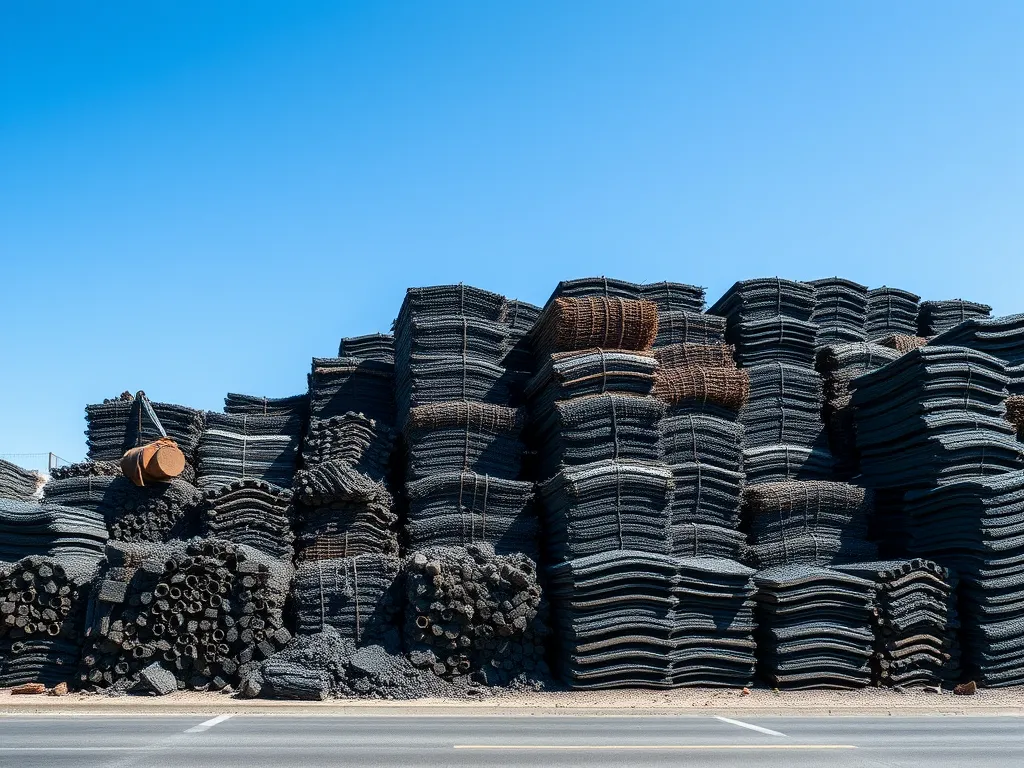
Most RAP comes from road milling, parking lot tear-ups, or driveway repairs. Highway crews remove 2-4 inches of worn asphalt layers, which become RAP stockpiles. Roofing shingles also add to RAP supply—11 million tons get recycled yearly. Avoid asphalt mixed with trash, oil, or concrete. Clean sources make strong recycled asphalt concrete.
With RAP’s role clear, let’s explore how asphalt recyclers turn old roads into new ones.
Primary Methods Of Recycling Asphalt
Modern techniques for reusing old pavement blend innovation with practicality. From in-place treatments to plant-based systems, each method serves distinct purposes while cutting waste.
Hot In-place Recycling (HIR)
HIR revitalizes worn surfaces without full-depth removal. Heated to 300°F-350°F, existing pavement softens for reprocessing.
Process Overview and Equipment
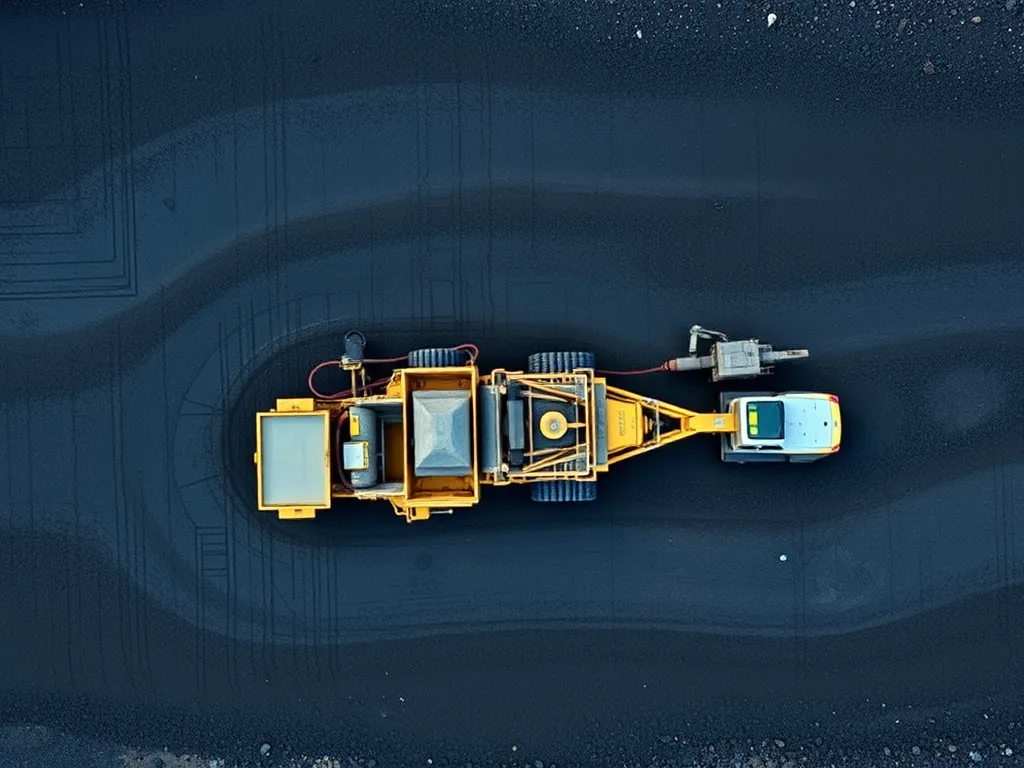
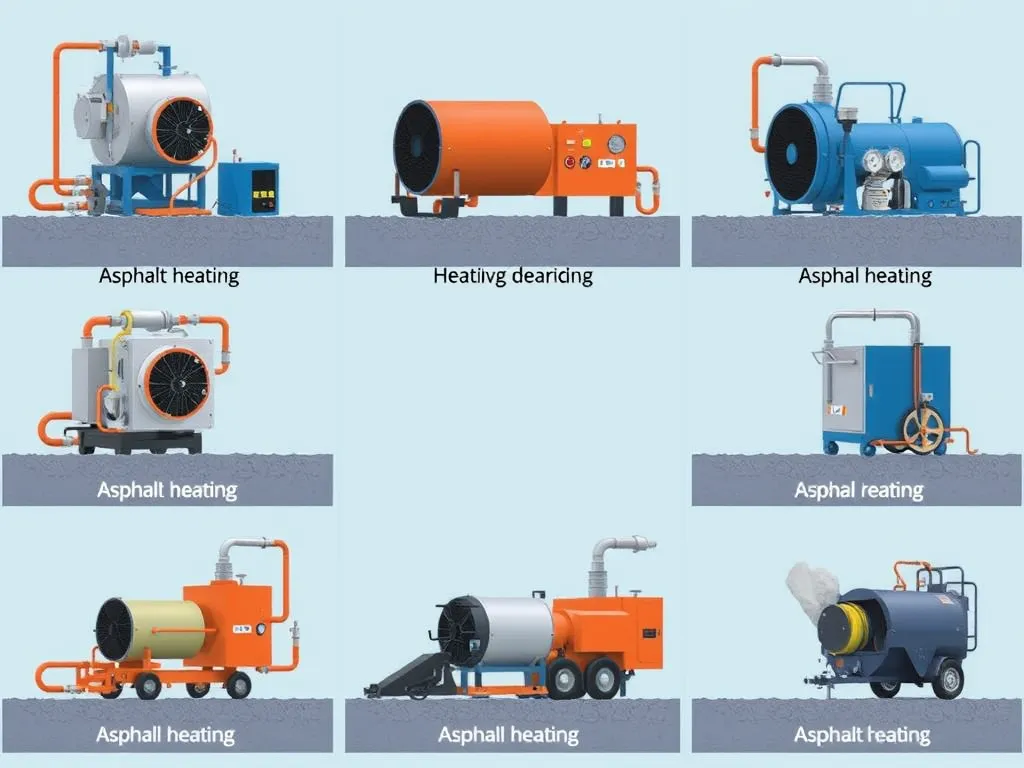
Specialized heaters, milling machines, and pavers work in sequence. Infrared heaters warm the surface, while recyclers mix in rejuvenators like PG 64-22 binder. Screeds compact the renewed layer to 1.5-2 inches thick.
Applications in Road Resurfacing
Ideal for fixing surface cracks on low-traffic roads or parking lots. Saves $15-$25 per ton versus full reconstruction. Limits lane closures to 4-6 hours per mile.
Cold In-place Recycling (CIR)
CIR tackles deeper structural issues at ambient temps. Uses 100% recycled materials in most cases.
Steps in Cold Recycling Techniques
Mills existing pavement to 3-5 inches deep. Mixes crushed RAP with emulsified asphalt (3-5% by weight). Graders shape the mat before final rolling achieves 95% compaction.
Ideal Scenarios for CIR Implementation
Suited for rural roads with base failures or urban streets needing profile corrections. Reduces project timelines by 30% compared to traditional methods.
Central Plant Recycling Systems
Fixed facilities process RAP into new mixes with precise quality control. Handles up to 500 tons per hour.
Hot Mix Asphalt (HMA) with RAP Integration
Plants blend 20-30% RAP with virgin aggregates at 300°F. Superpave specs ensure rut resistance. Saves $8-$12 per ton on binder costs.
Cold Central Plant Recycling (CCPR)
Foamed bitumen or cement stabilizes RAP at ambient temps. Produces base layers with 2,500-3,500 psi strength. Cuts energy use by 60% versus HMA.
Full-depth Recycling (FDR)
FDR rebuilds roads from subgrade up. Pulverizes entire pavement structure to 12 inches deep.
Combining Recycled and Virgin Materials
Crushers reduce old pavement to 1-inch minus material. Blends 80% recycled content with 20% virgin stone for structural bases. Supports 10+ year lifespans under heavy trucks.
Asphalt Shingle Recycling
Over 1.2 million tons of shingles get reused yearly in pavement projects.
Residential and Commercial Shingle Repurposing
Tear-off shingles supply 5% of mix binder needs when ground to ½-inch pieces. Mills run RAS through magnetic separators to remove nails before processing. Saves $2-$5 per square foot on roofing disposal fees.
These diverse systems prove recycled pavement isn’t just viable – it’s superior for many scenarios. Next, let’s examine how these methods boost budgets while performing beyond expectations.
Also See: Bitumen in Road Surfaces: Benefits for Durability
Economic and Performance Benefits Of Asphalt Recycling
Recycle asphalt methods boost road budgets while cutting waste. Let’s break down three core perks for builders and towns.
Reduced Material and Labor Costs
Reuse old pavement slashes costs by up to 25%. No need to mine new rock or buy fresh bitumen. Haul fees drop since crushed RAP (Recycled Asphalt Pavement) stays local. Crews save time with cold recycling—no heat means faster fixes. A 1-mile road recycle job can trim $50,000 versus new builds.
Improved Longevity Of Recycled Asphalt Roads
RAP mixes last longer than virgin asphalt in many cases. Aged binder blends with new additives to fight cracks and ruts. PG (Performance Graded) binders in hot recycling boost strength. Tests show roads with 30% RAP last 15+ years—matching or beating standard pavements.
Minimized Reliance on Virgin Aggregates
Each ton of RAP saves 1.3 tons of mined stone and sand. U.S. roads reuse 100 million tons yearly, cutting quarry needs by half in some states. Less mining protects hills, streams, and wildlife zones. New mixes now use 40-50% RAP without quality loss—up from 15% in the 1990s.
While these gains are clear, asphalt recyclers still face hurdles in high-stress zones. Let’s explore the limits and fixes next.
Challenges in Asphalt Recycling
While asphalt recycling offers cost and environmental benefits, certain obstacles require careful management. These challenges impact how recycled asphalt pavement (RAP) performs in real-world applications.
Limitations in High-traffic or Heavy-duty Areas
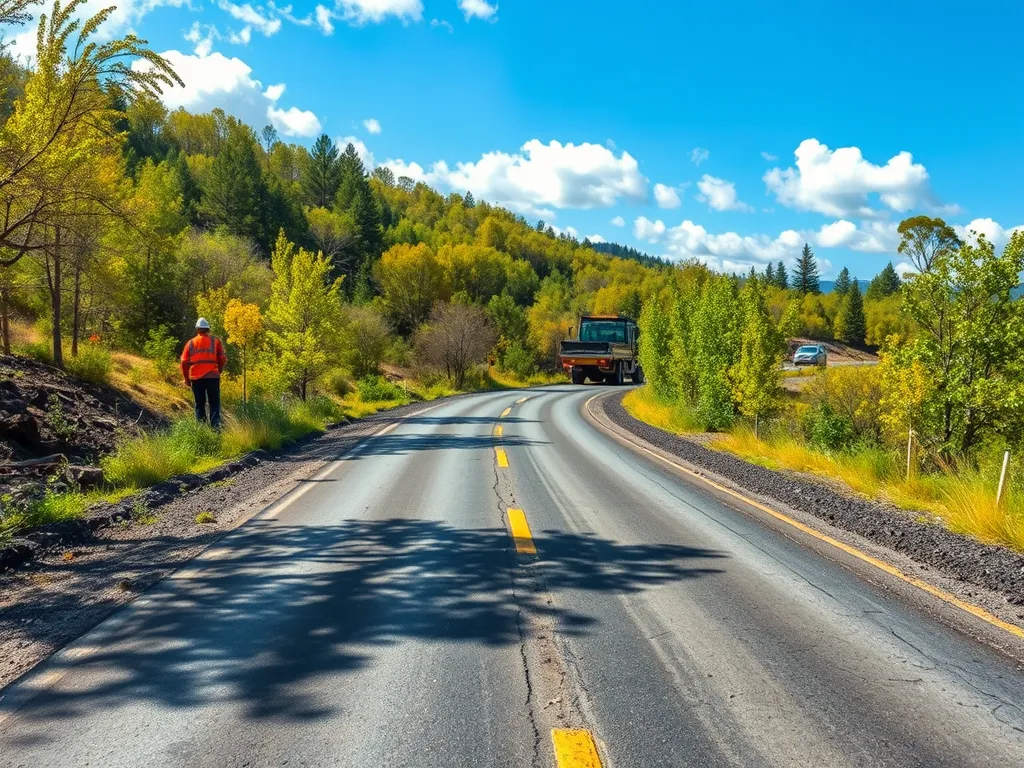
Recycled asphalt concrete may struggle in areas with constant heavy loads. Interstate highways or airport runways demand materials with 3,000-4,000 PSI strength. Standard RAP mixes typically achieve 2,200-2,800 PSI. Polymer-modified PG 76-22 binders can boost performance but raise costs by 15-20%. Most agencies limit RAP to 15-30% in these zones to maintain structural integrity.
Quality Assurance for Recycled Mixes
Consistent RAP quality remains critical for reliable pavement. Asphalt recyclers use ignition oven tests (AASHTO T 308) to verify binder content and gradation analysis (AASHTO T 27) for aggregate size. A 5% variation in RAP composition can reduce pavement life by 3-5 years.
| Test | Purpose | Standard |
|---|---|---|
| Binder Content | Measures asphalt cement percentage | AASHTO T 308 |
| Aggregate Gradation | Checks stone size distribution | AASHTO T 27 |
| Moisture Content | Identifies excess water | AASHTO T 255 |
Handling Contaminants in Reclaimed Asphalt
Construction debris, soil, or roofing shingles in RAP stockpiles weaken recycled mixes. A 1-3% contamination level can increase project costs by $8-$15 per ton. Advanced screening plants with magnetic separators remove 95% of metals, while density separators eliminate lightweight materials like wood. Proper asphalt disposal protocols prevent 70-80% of contamination issues at the source.
Addressing these challenges requires precise planning and technology. Next, we’ll explore proven strategies for managing reclaimed asphalt pavement effectively.
Managing Reclaimed Asphalt Pavement (RAP)
Reclaimed Asphalt Pavement (RAP) forms the backbone of asphalt recycling efforts. Proper management ensures material quality, project efficiency, and maximum asphalt reuse. Let’s break down key strategies for handling this resource.
Best Practices for RAP Storage and Handling
Stockpiling RAP requires precision to prevent degradation. Keep stockpiles under covered structures to block moisture, which can weaken binding properties. Use graded slopes (30-35° angles) to minimize segregation. Crush material to 1.5-inch minus sizes for uniform blending. Test stockpiles monthly for gradation and binder content using AASHTO T 308 standards.
Optimal RAP Blending Ratios in New Projects
Blending ratios hinge on traffic loads and mix design. Most states permit 15-30% RAP in surface courses. High-traffic highways often cap RAP at 20% to meet PG 64-22 binder specs. For low-stress areas like parking lots, blends up to 50% work with rejuvenators. Always pair RAP with virgin aggregates graded 3/4-inch to balance voids and stability.
Cost-effective Use Of RAP in Construction
RAP slashes material costs by $8-$15 per ton versus virgin asphalt. Contractors report 25-40% savings on road projects using 30% recycled asphalt concrete. Pair RAP with warm-mix technologies to cut fuel use by 20%. Track haul distances—keeping RAP sources within 50 miles reduces transport emissions by 35%.
Mastering these RAP strategies unlocks both economic and structural value. Next, let’s explore how recycled asphalt pavement reshapes environmental outcomes at scale.
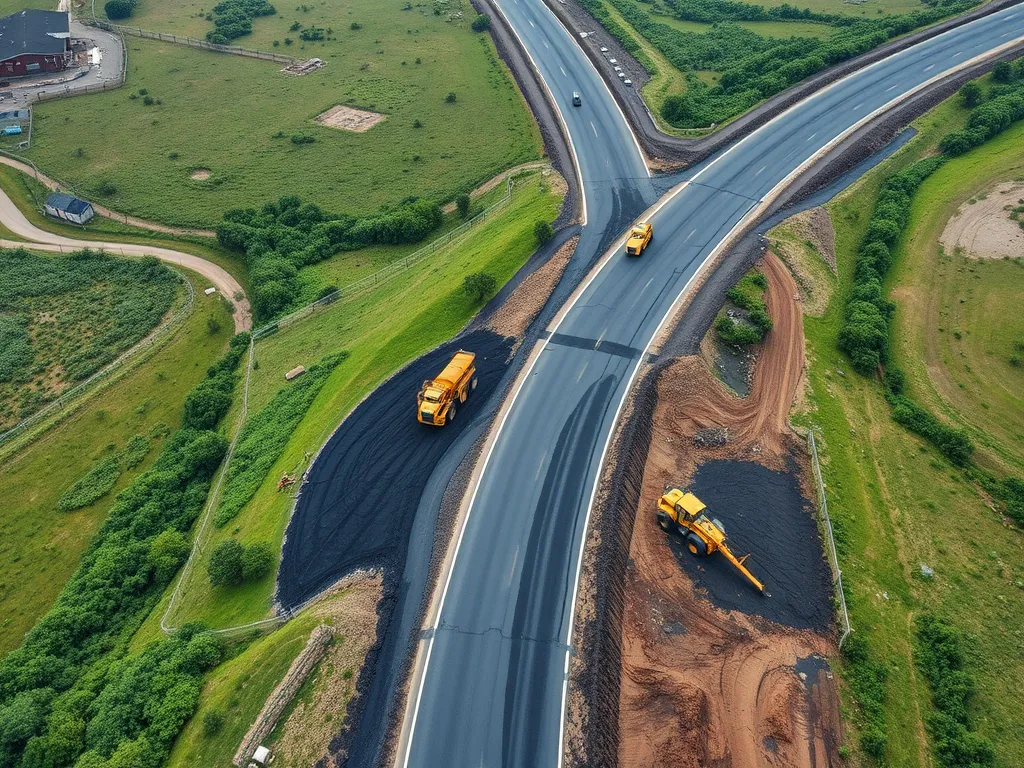
Environmental Benefits Of Recycling Asphalt
Turning old pavement into new roads does more than fix potholes. It transforms construction into a sustainability tool with measurable impacts on air quality, resource use, and habitat health.
Diverting Waste From Landfills
Each year, 95 million tons of asphalt avoid burial in dumps through recycling. RAP (Recycled Asphalt Pavement) gets crushed and blended into fresh mixes instead of occupying landfill space. This cuts disposal costs by $30-$80 per ton while freeing up land for other uses. Cities like Los Angeles save 1.2 million cubic yards of dump capacity annually by prioritizing asphalt reuse.
Lowering Fuel Use and CO2 Output
Processing RAP slashes fuel use by up to 60% compared to virgin pavement production. Virgin asphalt needs temps hitting 300°F to bind aggregates—recycling skips this step. Lower heat demands drop CO2 output by 21% per ton. Innovations like warm-mix additives allow mixing at 50°F cooler temps, shrinking carbon footprints further.
Preserving Natural Resources and Habitats
Every ton of RAP replaces 1 ton of mined aggregates and 5% virgin bitumen. At 30% RAP in mixes, projects save 77 gallons of bitumen per lane mile. Reduced quarrying protects water tables and minimizes habitat disruption. A 2022 study showed asphalt recycling cut aggregate mining by 1.4 billion tons in a decade, aiding biodiversity in critical zones like the Appalachian foothills.
These sustainability gains pair with technical advances that boost road quality. Next, we’ll break down high-impact methods for turning old pavement into high-performance surfaces.
Techniques for High-quality Asphalt Recycling
Top-notch recycling needs smart steps. Three core methods boost strength, cut waste, and save cash.
Temperature Control in Hot and Cold Processes
Heat levels shape how we recycle. Hot steps need 300°F to melt the old mix. Cold steps work near 150°F. Both save fuel and cut costs by up to 40%. Too much heat breaks down binders. Too little leaves lumps. Gear like infrared heaters and cold planers keep temps exact.
Polymer Modification for Enhanced Performance
Adding plastics like SBS boosts strength. These tweaks fight cracks and ruts. Roads last 15-30% longer. Costs drop as less new stuff is used. PG 76-22 binders with 5% recycled roof shingles show top results. Tests prove modified mixes handle 10% more truck weight.
Advanced Screening and Crushing Technologies
New gear sorts chunks by size. Machines like trommels split big and small bits. This step keeps the mix even. Less waste means more reuse—up to 95% in some jobs. Crushers with jaw plates and cone chambers grind old slabs to 3/4″ bits. Gradation checks ensure 98% of chunks meet specs.
These steps make reuse work, but what blocks wider use? Up next: key hurdles in asphalt recycling.
Frequently Asked Questions (FAQ)
What Are the Key Benefits Of Recycling Asphalt?
Recycling asphalt helps reduce material costs, minimizes waste going to landfills, and decreases environmental footprint through lower energy consumption and reduced greenhouse gas emissions.
How Does Cold In-place Recycling Work?
Cold In-Place Recycling involves milling existing asphalt to a depth of 3-5 inches, which is then mixed with an emulsified asphalt binder to enhance its strength and longevity, all without the need for heating.
Is Recycled Asphalt As Durable As New Asphalt?
Yes, when properly processed and mixed, recycled asphalt can match or even exceed the durability of new asphalt. Performance additives and advanced mixing techniques help enhance its properties for longevity.
What Are the Drawbacks Of Reclaimed Asphalt Pavement?
Challenges include potential quality variations, handling contaminants, and limitations in specific high-traffic areas where structural integrity is critical. Additionally, regulatory limits on RAP usage can affect project planning.
How Much Cost Savings Does Asphalt Recycling Offer?
Asphalt recycling can offer savings of 25-40% on material and labor costs, significantly reducing the overall expense of road construction and maintenance projects.
Closing Thoughts
Recycling asphalt offers a range of methods and substantial benefits, from economic savings to environmental protection. Techniques such as Hot In-Place Recycling and Cold In-Place Recycling enhance the lifespan of roads while minimizing waste. The integration of Recycled Asphalt Pavement (RAP) not only reduces material costs but also lessens reliance on virgin aggregates – crucial for sustainable construction practices.
Though challenges exist, effective management and innovative technologies continue to improve the quality of recycled asphalt. By promoting asphalt recycling, we contribute to lower energy consumption and fewer emissions, all while preserving natural resources.
For more information on asphalt recycling and tools to calculate your needs, visit Asphalt Calculator USA.
Additional Resources for You:
- ASTM International (Asphalt & Pavement Standards)
- Recycling process of recycled asphalt – Importance and obtainment
- Recycled Asphalt: Learn The Benefits and Process of Recycling Pavement
- Asphalt Recycling: How is Asphalt Paving Recycled? – American Asphalt | Bay Area Paving, Repair, Resurfacing 800-541-5559
- 6 Benefits of Recycling Asphalt – Richfield Blacktop